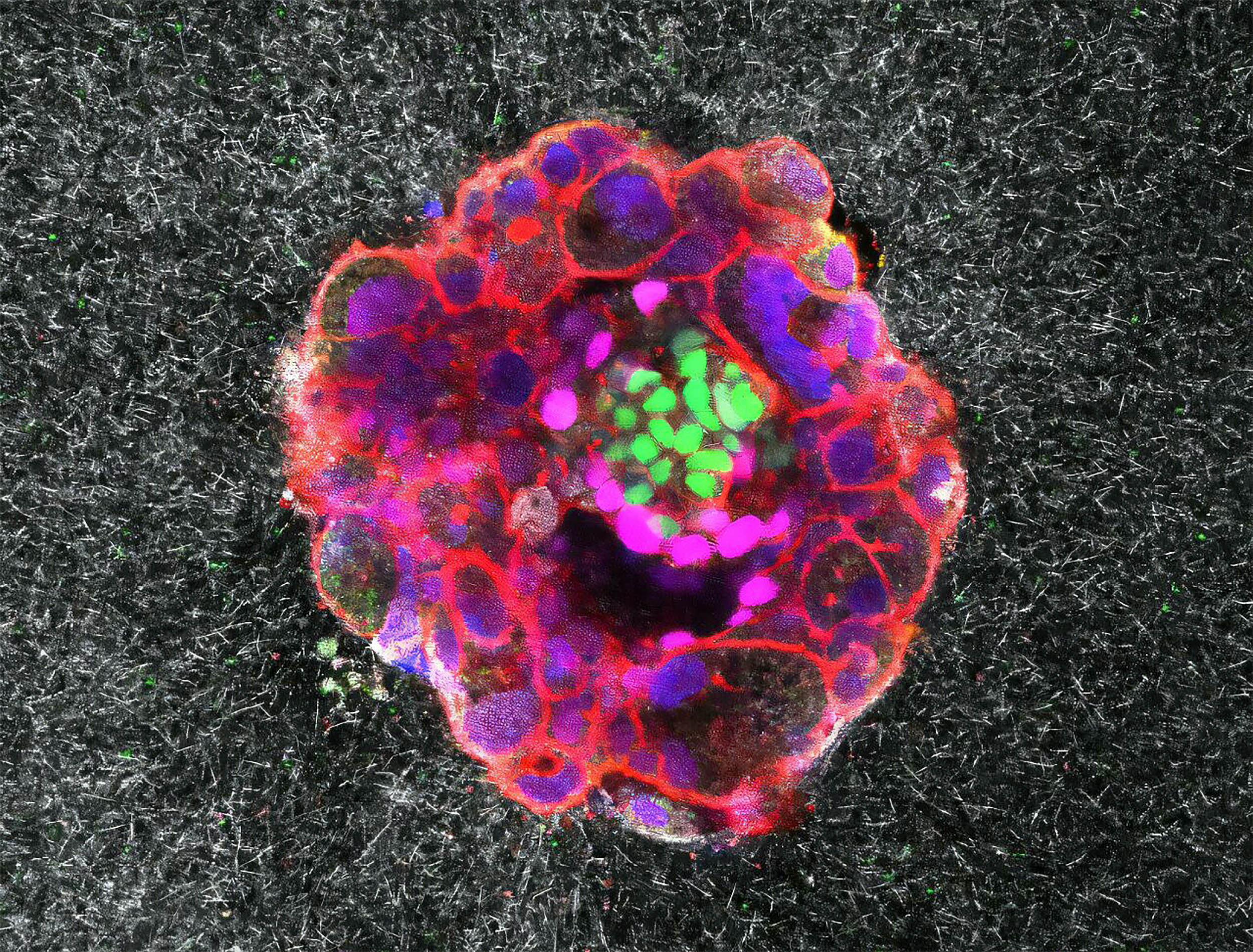
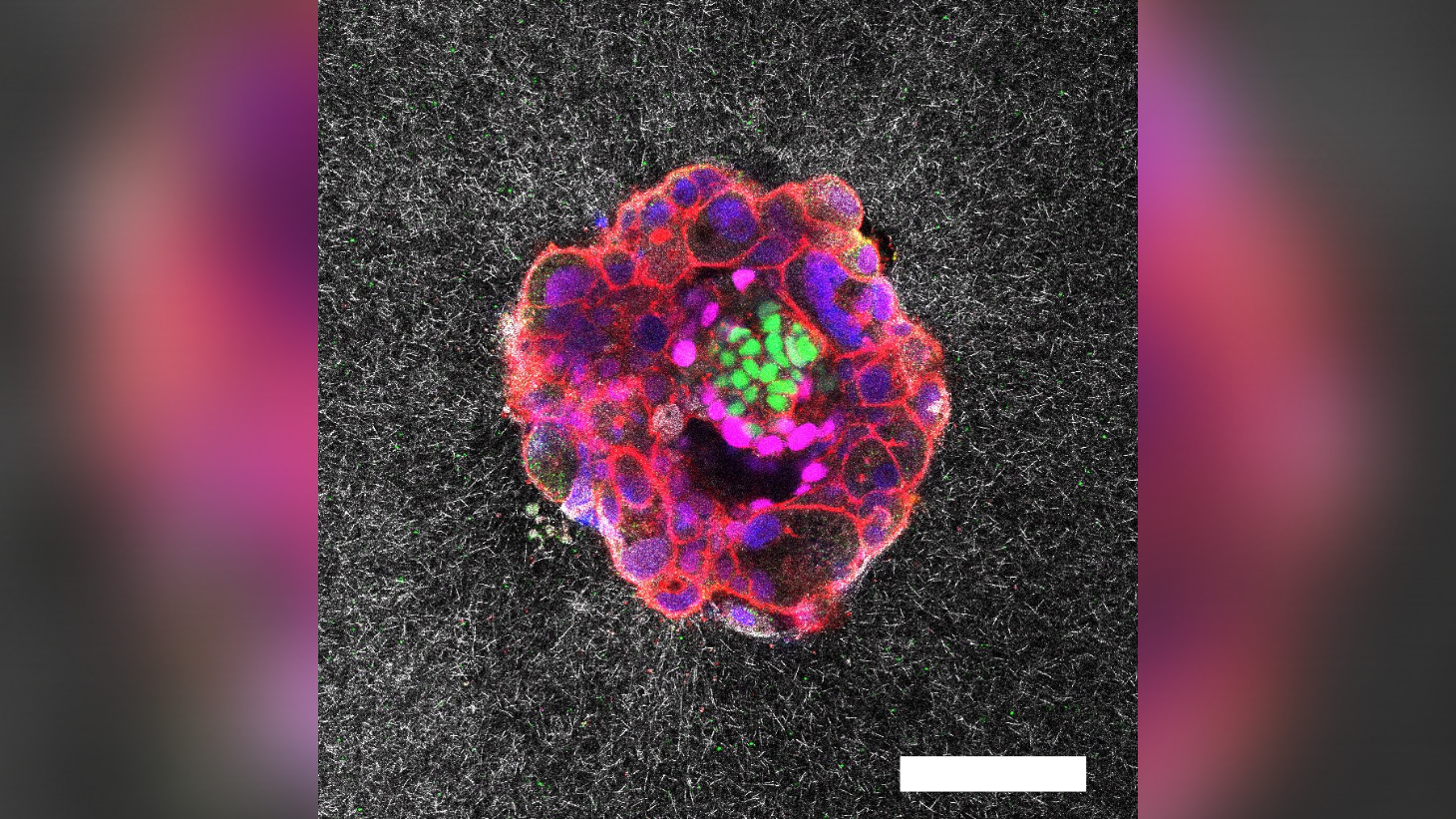
Scientists at IBEC have captured the first real-time 3D videos of human embryo implantation, revealing that embryos actively invade the uterine tissue by exerting mechanical forces and remodeling their environment, which could improve fertility treatments and understanding of early human development.
Scientists have captured the first real-time video of a human embryo implanting in a laboratory model of the uterus, revealing that the process is invasive and involves the embryo exerting force to invade uterine tissue, which could improve understanding and success rates of fertility treatments like IVF.
Researcher Iñigo de Miguel-Beriain proposes a new legal definition of a human embryo, suggesting that any cell structure with the potential to develop into a born human being should be considered an embryo. This redefinition aims to address the ethical and legal challenges posed by biotechnological advancements and create a universally accepted definition to standardize regulations across different countries. The proposed definition emphasizes the capacity for development as the cornerstone and could help alleviate legal uncertainty and harmonize regulations in the field of biotechnology.
Researchers have successfully created models resembling two-week-old human embryos using stem cells, bypassing the earliest stages of development. These models, made of nested cellular bubbles, allow for studies that are not possible in human embryos and could advance research in developmental biology and medical science.
Scientists have successfully developed complete models of human day 14 post-implantation embryos using naïve embryonic stem cells (ES cells). This breakthrough in developmental biology and reproductive medicine provides valuable insights into early human development and could have significant implications for studying embryonic development and improving assisted reproductive technologies. The models accurately recapitulate the complex cellular organization and structures of the embryos, including the epiblast, hypoblast, trophoblast-like compartments, and amnion-like and yolk sac-like structures. This research opens up new possibilities for studying human embryogenesis and advancing our understanding of early human development.
Scientists have established a model of the human post-implantation embryo, called a human embryoid, using pluripotent stem cells. The embryoid is comprised of embryonic and extraembryonic tissues and contains a pluripotent epiblast-like domain surrounded by extraembryonic-like tissues. The model will allow scientists to probe key questions of human post-implantation development, a critical window when significant numbers of pregnancies fail, and study tissue-tissue crosstalk during these stages.