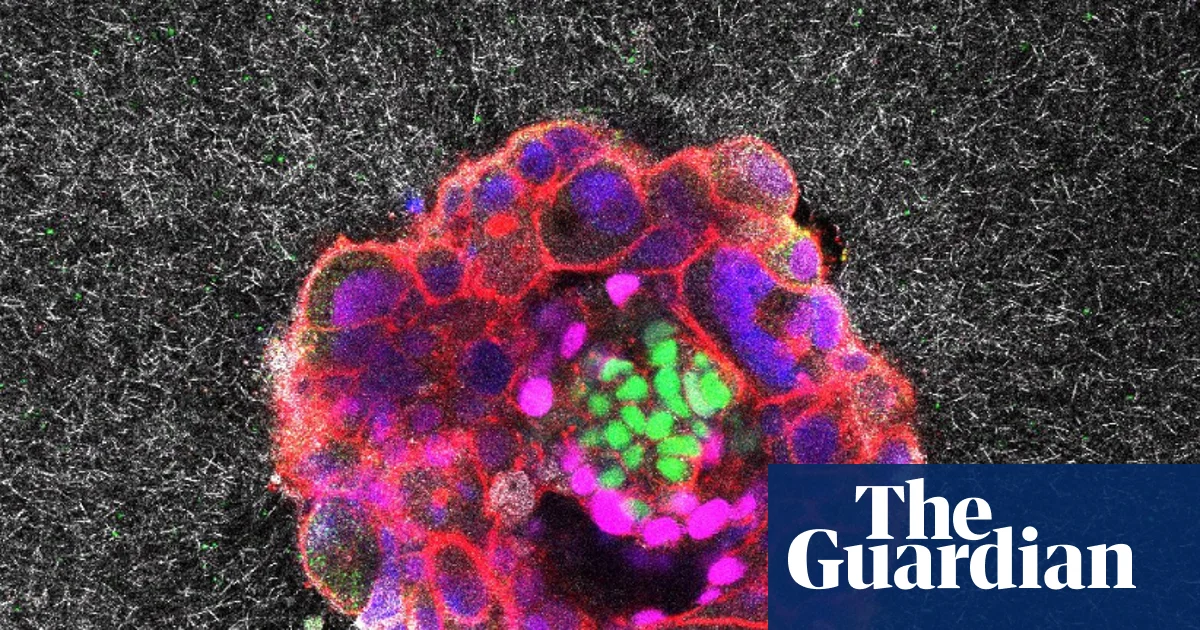
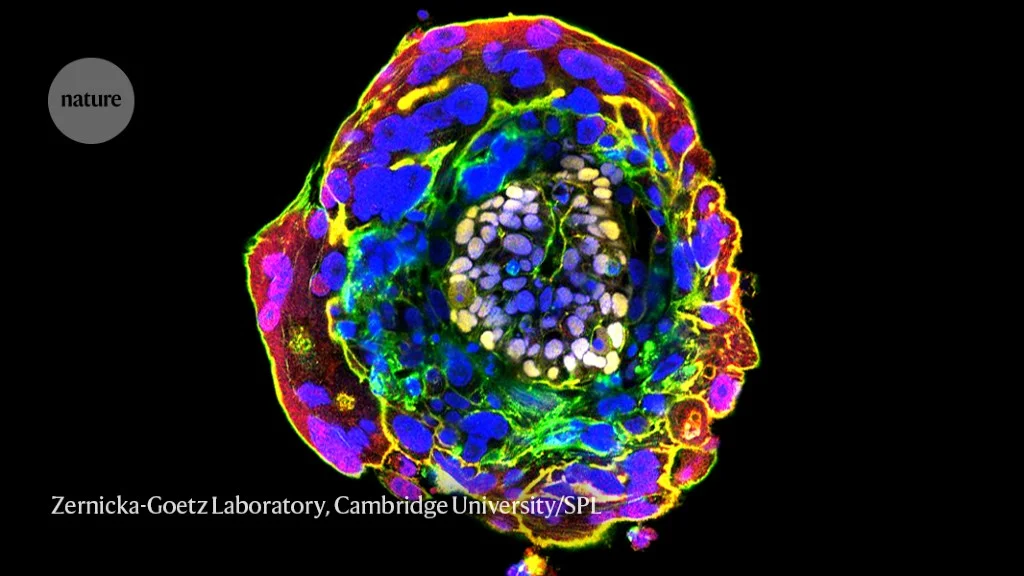
Scientists have captured the first real-time 3D footage of a human embryo implanting into a uterus using a synthetic model, revealing detailed insights into the invasive process, including the forces and enzymes involved, which could improve understanding of fertility and miscarriage causes.
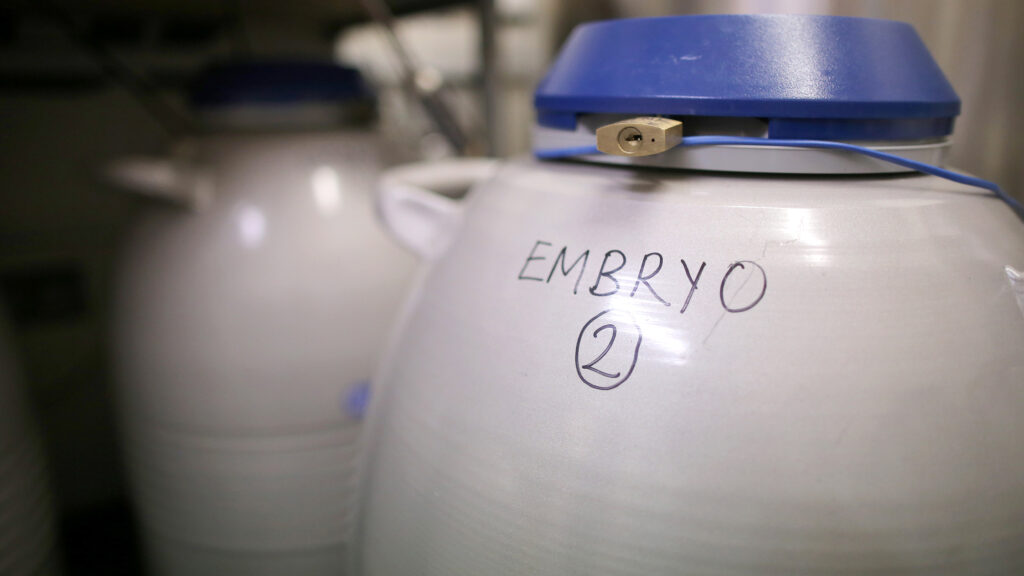
The Alabama Supreme Court's recent ruling that all embryos are "children" under state law has raised questions about the definition of "personhood" and could have legal ramifications for IVF doctors and patients. Medical and scientific consensus worldwide disagrees with this ruling, stating that embryos are cells capable of creating life rather than consisting of actual life. The determination of when personhood begins and what should be defined as an embryo has been evolving globally, with differing definitions and perspectives. The ruling has sparked concerns about the impact on access to fertility treatment, the destruction of unused embryos in IVF, and potential future legal and ethical implications.
Attorneys for a Kentucky woman who sued for the right to an abortion have withdrawn the lawsuit after discovering that her embryo no longer has cardiac activity. The lawsuit, filed on behalf of an anonymous woman who was about eight weeks pregnant, sought class-action status but was limited by a Kentucky Supreme Court decision. The case is part of a growing trend of individual women petitioning courts for permission to have an abortion following the overturning of Roe v. Wade. Kentucky has some of the most restrictive abortion laws in the nation, including a trigger law that bans most abortions except in cases to save the life of the patient or prevent disabling injury.
A pregnant woman in Kentucky, identified as Jane Doe, who sued the state over its abortion restrictions has learned that her embryo no longer has cardiac activity. The woman filed a lawsuit demanding the right to an abortion, arguing that the state's near-total ban violates her rights to privacy and self-determination. The ACLU of Kentucky, representing the woman, indicated that it will continue the challenge despite the embryo's condition. Kentucky has some of the strictest abortion laws in the nation, and the lawsuit challenges two laws that severely limit access to abortion. The woman's case comes in the wake of a similar legal battle over abortion access in Texas.
Scientists are calling for a redefinition of the human embryo to include embryo models, which are structures made from stem cells that resemble early embryo development. These models raise ethical concerns as they do not meet current definitions of embryos and are not covered by regulations governing embryo research. The proposed redefinition would include embryo models if they have the potential to develop into a fetus. This would allow for more accurate and inclusive discussions within the scientific community. However, some researchers argue that it may be too soon to formalize such distinctions as embryo models are still in a rudimentary stage and face technical obstacles.
Scientists propose a new definition for the human embryo that focuses on its potential to develop into a fetus, rather than how it was formed. The proposal comes in response to the rapid advancements in synthetic embryology, where scientists are able to create embryo-like structures in the lab. The new definition suggests that embryo models could be considered embryos if they have the potential to survive up to eight weeks into a pregnancy. The lack of legal clarity around embryos and embryo models raises concerns about funding, public backlash, and potential legal consequences for scientists. The proposal also includes a developmental Turing test to determine if an embryo model has the potential to become a living person. The authors hope to raise awareness and initiate discussions among policymakers, scientific societies, and ethics committees.
Scientists studying gene activity data of the early human embryo have discovered a new type of cell that self-destructs within days of forming, as part of a quality control process to protect the developing fetus. These cells contain "jumping genes" that can cause DNA damage, and their descendants undergo programmed cell death. The researchers suggest that this process is a form of quality control, selecting the good cells and removing the damaged ones. The findings could help improve IVF or regenerative medicine treatments.