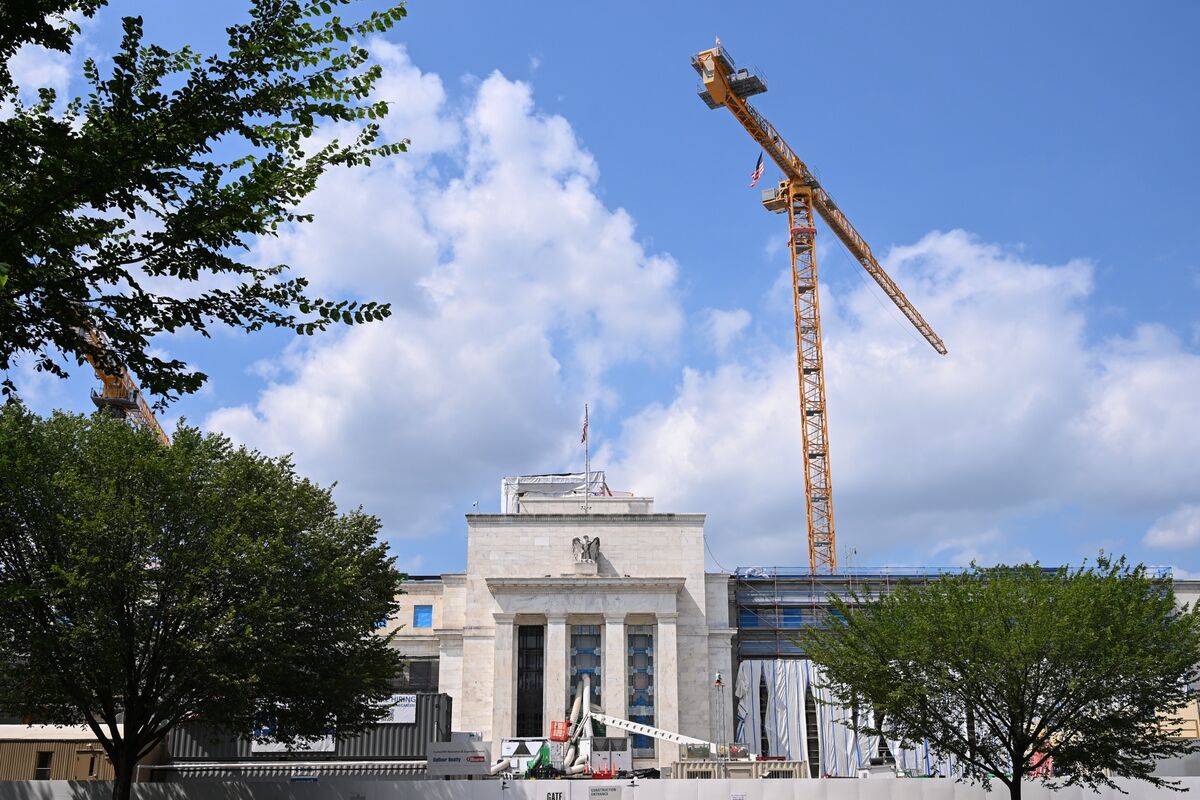
A 36-hour global interest rate adjustment week is underway, featuring the US expected to cut rates for the first time since Trump's presidency, amidst a broader trend of central banks in Canada, Norway, and others adjusting policies. The US rate cut is driven by weakening labor markets and market expectations, while other major economies are maintaining or cautiously adjusting their rates. The week also includes key economic data releases from China, Japan, Europe, and Latin America, influencing future monetary policy directions.

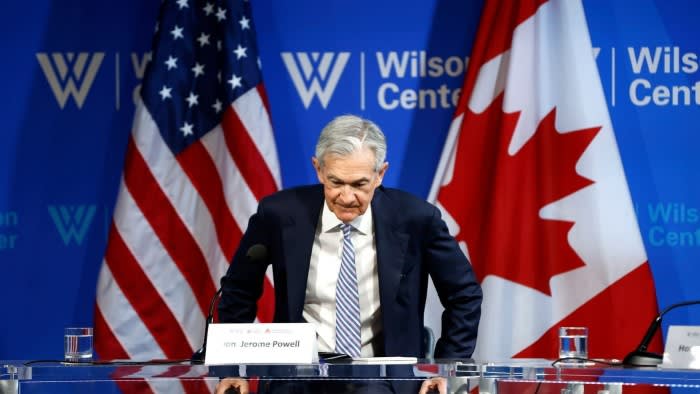
Asia-Pacific markets are expected to open mostly higher as investors await the outcome of the Trump-Zelenskyy talks and key speeches from Fed Chair Jerome Powell, amid a week of retail earnings and market uncertainty following flat U.S. stock performance.
Asian markets showed mixed results as investors reacted to economic data from China and Japan, alongside comments from U.S. Federal Reserve Chair Jerome Powell indicating no rush to cut interest rates. China's retail sales exceeded expectations, but industrial production and investment data fell short, while Japan's GDP grew 0.3% year-on-year, ending two quarters of decline. The Hang Seng index rose, but the CSI 300 fell, and Japan's Nikkei 225 increased following the GDP announcement. Meanwhile, U.S. markets declined, with the Dow, S&P 500, and Nasdaq all falling.
The US Federal Reserve has cut its key interest rate to a range of 4.5%-4.75% amid uncertainty following Donald Trump's election as president. This marks the second consecutive rate cut, reflecting progress in stabilizing inflation, which stood at 2.4% in September. However, Trump's proposed policies on tax cuts, immigration, and tariffs could impact inflation and government borrowing, complicating future rate expectations. The Fed remains focused on maintaining stable prices and a healthy job market.
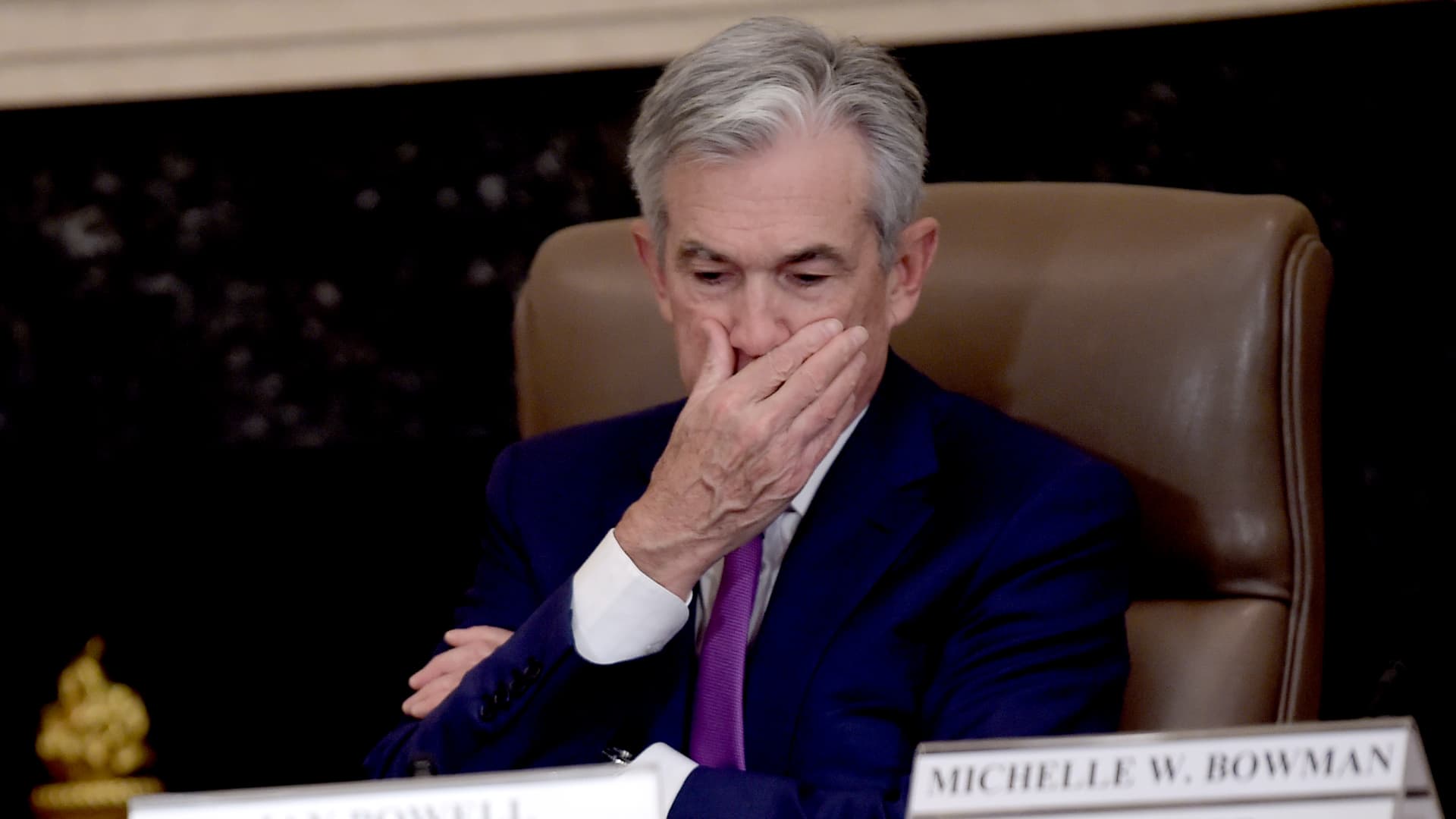
Donald Trump has cautioned the US Federal Reserve Chair against cutting interest rates before the upcoming election, suggesting that such a move could have political implications.
The European Central Bank is expected to implement its first interest-rate cut of the cycle, diverging from US monetary policy and potentially weakening the euro. This quarter-point reduction will widen the difference in borrowing costs between Europe and the US, a topic officials have been discussing for months.
US Federal Reserve chair Jay Powell stated that it will take longer than expected for inflation to reach the central bank's 2% target, leading to a reevaluation of rate cut expectations. The Fed's previous intention to cut rates this year is now being debated due to signs of persistent strength in the US economy and higher-than-anticipated inflation. Meanwhile, European Central Bank president Christine Lagarde indicated that the eurozone is still on track to cut rates in the near future, despite observing a disinflationary process. The widening gap between rate expectations for the Fed and other big central banks reflects the differing economic conditions in the US and Europe.
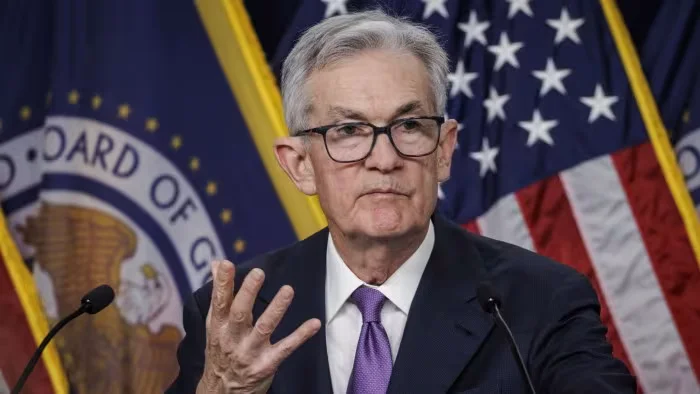
US Federal Reserve chair Jerome Powell signaled a delay in potential interest rate cuts as inflation remains above target, indicating that the surplus money pumped into the economy during the pandemic is still affecting the country. Powell mentioned that recent data have not increased confidence in achieving the 2% inflation target and suggested that it may take longer than expected. The Fed's cautious approach reflects the challenge of balancing inflation concerns with the need to support economic growth, as excess money from pandemic stimulus measures continues to impact the economy.
The US Federal Reserve faces a challenge as the "supercore" inflation measure, which excludes shelter and rent costs from its services reading, accelerated to a 4.8% pace year over year in March, the highest in 11 months. Economists are concerned about the persistent inflationary pressures, particularly in services prices, and the potential impact on the Fed's 2% inflation target. The Fed may struggle to bring down inflation with rate hikes, as the current drivers are stickier and not as sensitive to tighter monetary policy, leading to uncertainty about the possibility of future rate hikes.
Asian shares and the dollar remained steady as investors assessed the impact of a strong US jobs report on potential Federal Reserve rate cuts. Oil prices fell as Middle East tensions eased, while gold prices continued to rally. Resilient economic data have led to reduced expectations of a June rate cut, with July now seen as the likely starting point for easing. Investors are closely watching US inflation data and Treasury yields, with the possibility of a reassessment of rate cut expectations based on upcoming trends.
Gold prices reached a new all-time high as market speculators gain confidence in potential U.S. Federal Reserve interest rate cuts, with expectations for a cut in May or June. The metal's appeal as a safe haven asset and overseas demand, particularly from China, have also contributed to the rally. The surge in gold prices has been driven by robust purchases from central banks seeking to diversify reserve portfolios due to geopolitical risks, domestic inflation, and the weakness of the U.S. dollar.
Oil prices fell after a U.S. Federal Reserve official suggested delaying interest rate cuts, with Brent crude futures down 0.5% at $83.29 a barrel and U.S. West Texas Intermediate crude futures 0.5% lower at $78.21. Concerns over supplies and healthy demand could support prices, as U.S. crude oil inventories rose less than expected and refinery run rates may increase. The Fed governor's comments on delaying rate cuts and geopolitical tensions in the Middle East influenced oil benchmarks, while JPMorgan's high frequency demand indicators show rising oil demand.
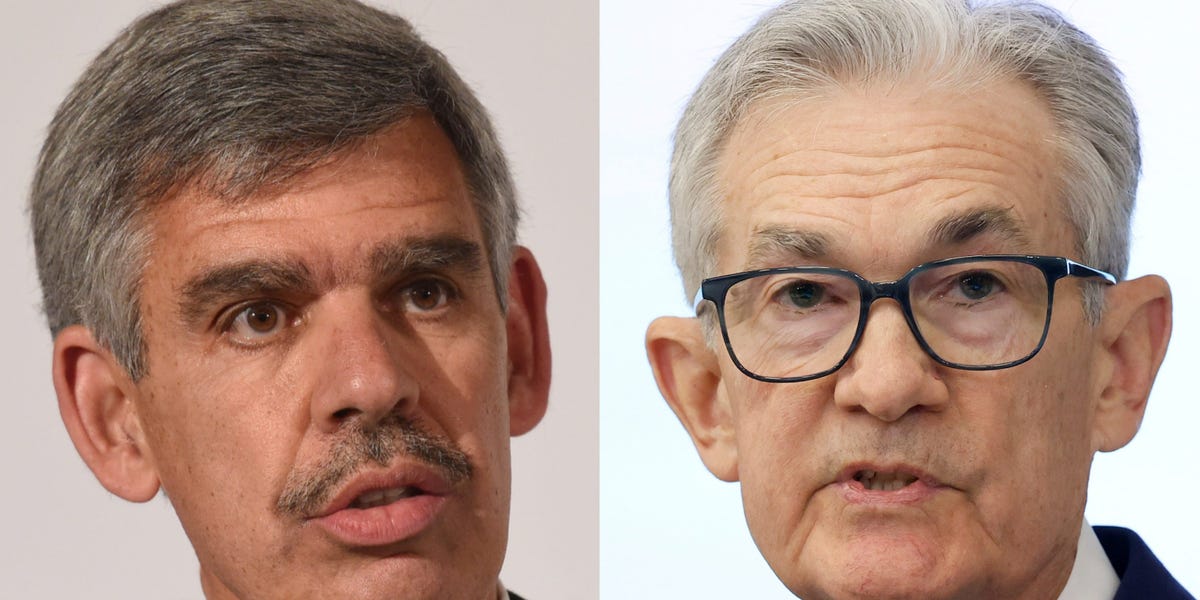
Economist Mohamed El-Erian criticized the US Federal Reserve for its poor communication, stating that it confuses people and allows the markets to lead the central bank. El-Erian's comments came after the Fed signaled rate cuts for next year, causing a market rally. However, several Fed officials have since stated that the markets are getting ahead of themselves. El-Erian believes that the Fed's communication should be transparent and provide clear forward policy guidance, but instead, it is causing confusion.
The 10-year Treasury yield slipped further as traders continue to digest the unexpectedly dovish tone of the U.S. Federal Reserve, which revealed plans for at least three rate cuts next year. The yield fell below 4%, hitting its lowest level since July. Deutsche Bank strategists described the Fed's move as a "big shift," but some Fed officials pushed back against market excitement, stating that rate cuts are not imminent. U.S. stock futures rose, and housing market index results and two U.S. Treasury auctions are expected.
The recent decline in US CPI inflation has led to a resurgence of the belief that inflation is transitory, putting pressure on the US Federal Reserve to pursue early and significant cuts in interest rates. However, this view is misleading and fails to consider the consequential changes caused by persistently high inflation over the past two years. The characterization of inflation as transitory should be viewed through a behavioral analysis rather than a narrow time lens. The risk is that the Fed, uncomfortable with the disconnect between its forward policy guidance and market pricing, may be pressured into actions that please markets in the short term but prove inconsistent with its mandate in the long term. It is important for both markets and policymakers to recognize the significant changes that have occurred and the lasting impact of inflation on the global economy and financial markets.