Bulgaria will adopt the euro in 2026, becoming the 21st country to do so. Drone deliveries are now possible on the Great Wall of China, reaching remote areas. Karl Bushby has been walking around the world for 27 years, sharing lessons on happiness and survival. Starting in 2026, visitors to 11 major US national parks will need a valid ID to avoid fees, with international visitors paying higher prices.
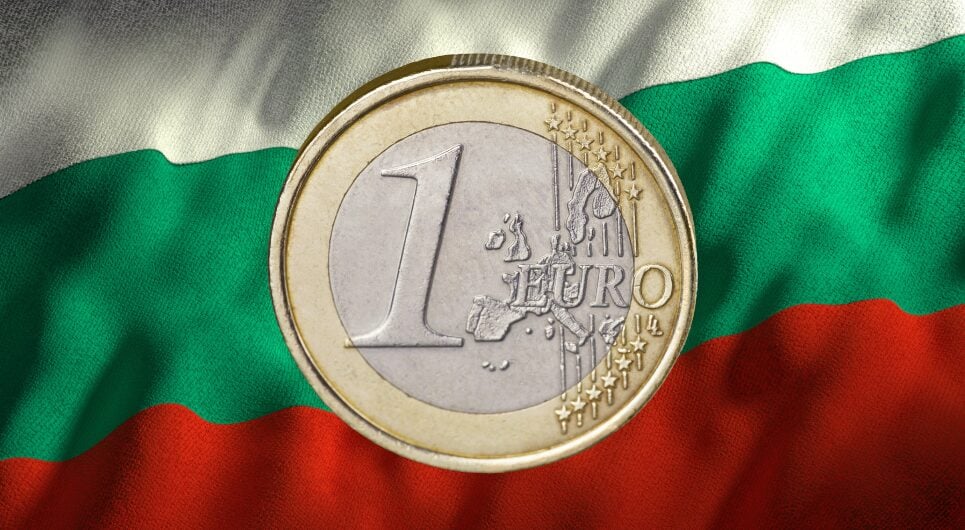
Bulgaria has officially adopted the euro, with the Bulgarian central bank's governor joining the ECB Governing Council. While the transition is underway, Bulgarians can still use levs until June 30, with public opinion divided on the move. Bulgaria has been an EU member since 2007 and sees benefits from membership.
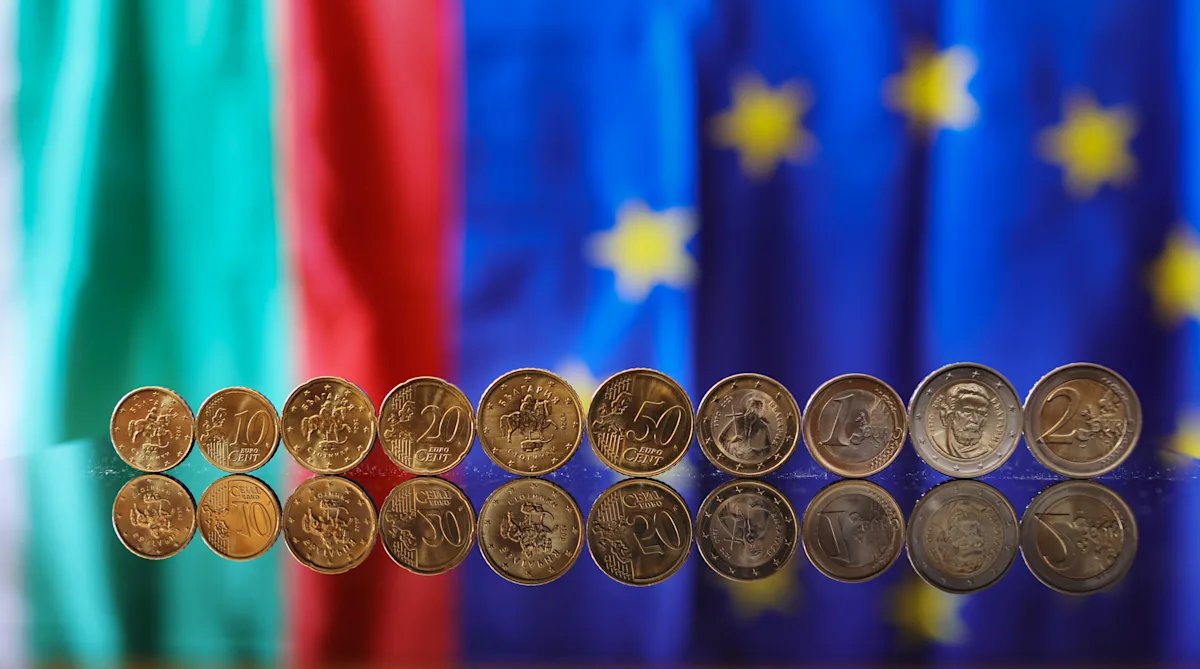
Bulgaria began withdrawing euros for the first time after joining the euro currency union, replacing the lev in cash transactions, amid political instability and public skepticism about the change's impact on prices and national identity.
Bulgaria will adopt the euro on New Year's Day, replacing the lev, which is expected to boost cross-border trade, travel, and investment, while also giving Bulgaria a seat on the European Central Bank's governing council. The changeover involves currency conversion, with old notes exchanged for free until June 30, and aims to deepen economic ties with Western Europe, despite some public skepticism.
Bulgaria officially joined the euro currency union on New Year's Day, marking a significant step in its EU integration amid political turmoil and public skepticism, with debates over economic benefits and national identity.
Mass protests in Bulgaria, driven by anti-corruption sentiments, led to the resignation of the government, coinciding with Bulgaria adopting the euro, signaling a significant political and economic shift.
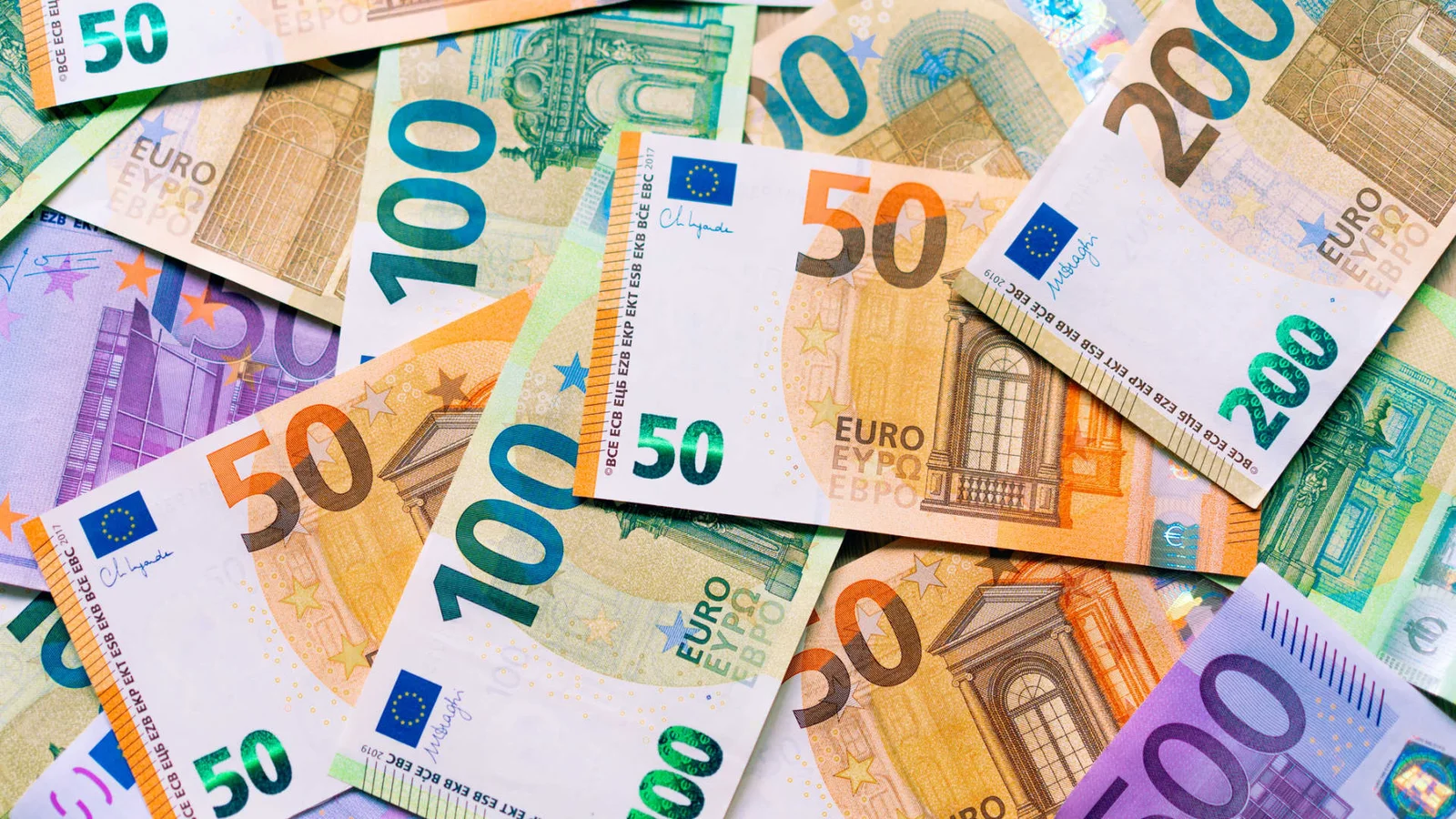
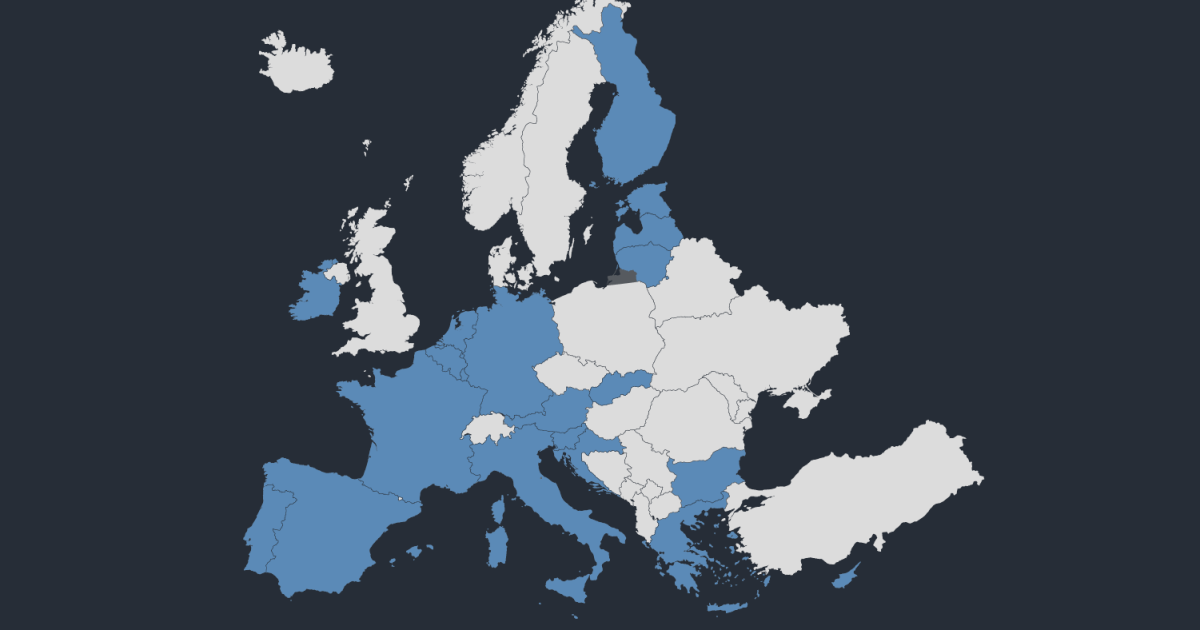
Bulgaria will adopt the euro as its official currency on January 1, 2026, becoming the 21st EU country to do so, leaving only six countries still using their own currencies within the EU.
The Japanese yen fell sharply against the dollar and euro amid political uncertainty with Sanae Takaichi poised to become Japan's first female prime minister, leading to expectations of delayed BOJ rate hikes. Meanwhile, the euro declined after France's new prime minister resigned, adding to political instability in Europe. U.S. markets are also influenced by the lack of economic data and expectations of a rate cut by the Fed in October.
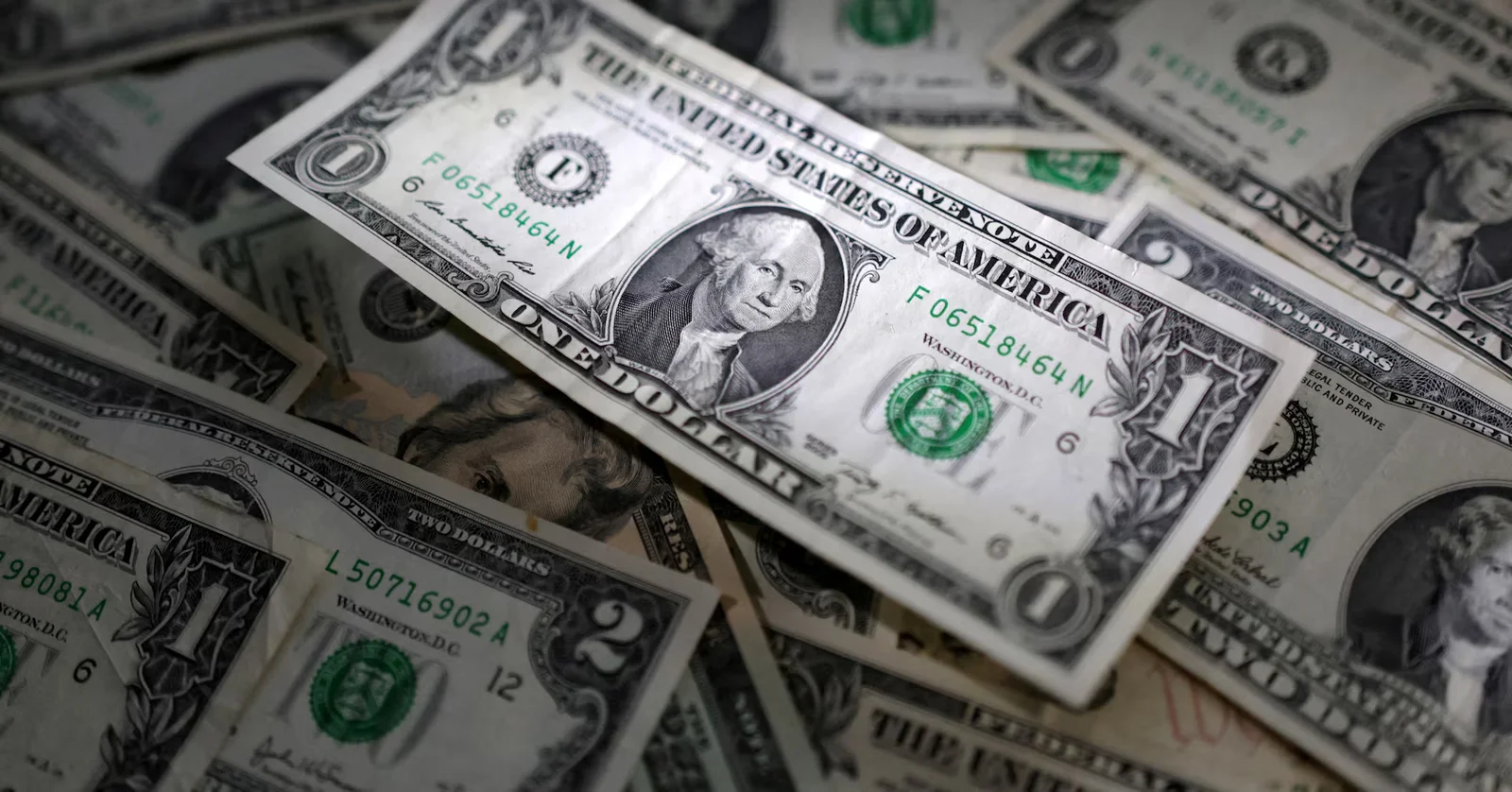
The dollar has fallen to a four-year low against the euro amid expectations of a Federal Reserve interest rate cut, with markets also awaiting upcoming rate decisions from the Bank of England and Bank of Japan. The euro strengthened, and the dollar declined across major currencies as investors anticipate dovish monetary policy signals from the Fed, influenced by softening U.S. labor market data and robust retail sales. Other currencies like the British pound and Japanese yen showed mixed movements ahead of their respective central bank meetings.
The dollar reached a one-month high against the euro amid optimism from recent US trade deals with the EU and Japan, while markets await the Federal Reserve's interest rate decision, with the euro falling and the dollar index rising, reflecting market relief and technical corrections.
The euro rose slightly following a US-EU trade framework agreement that reduced tariff threats, with investor focus shifting to upcoming central bank meetings and corporate earnings, while Ethereum hit a high since December 2024 amid positive market sentiment.
European stocks declined amid mixed earnings reports and ongoing U.S.-EU tariff negotiations, with investors awaiting key corporate earnings and Federal Reserve policy clues, while Asian markets dipped after reaching near four-year highs.
The euro and Mexican peso declined following U.S. President Trump's threat to impose a 30% tariff on EU and Mexican imports, but overall market reaction was muted, with traders viewing the move as a potential negotiation tactic. Trump also called for Fed Chair Powell to resign, adding to market tensions, while Chinese exports rebounded, and investors await key US and Chinese economic data.
European stocks initially outperformed US markets in 2025 due to US policy uncertainties and Germany's fiscal changes, but the gap is closing as US tech stocks rebound and the euro appreciates, making European assets more attractive in local currency terms.
The Dow Jones rose nearly 400 points as investors shifted away from tech stocks and toward European equities, driven by a weakening US dollar and a strengthening euro, amid ongoing economic uncertainty and currency fluctuations.