financeeconomy0.35 min read
"Powell's Warning: Limited Rate Cuts as Inflation Concerns Persist"
1 year ago•Source: Bloomberg

The latest financeeconomy stories, summarized by AI
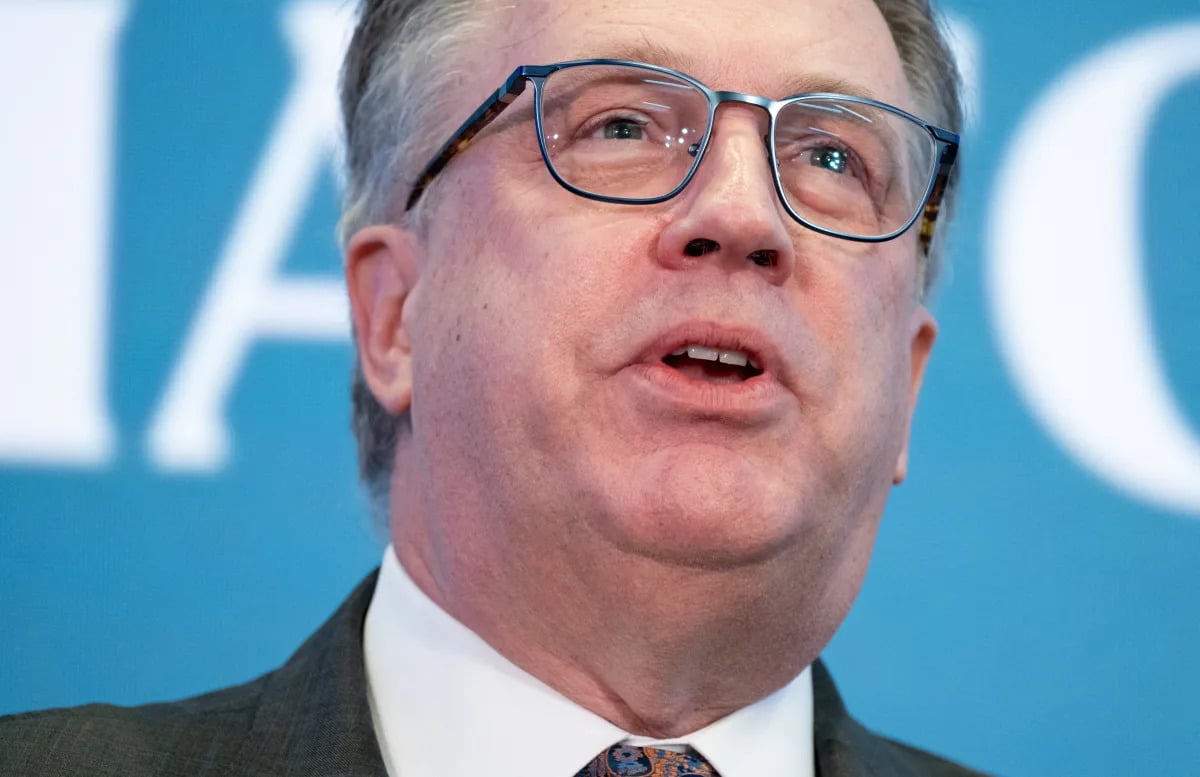
New York Fed president John Williams and Atlanta Fed president Raphael Bostic both expressed a lack of urgency to cut interest rates, citing strong job growth and wage increases. Williams stated that interest rates are currently moving the economy gradually towards its goals, while Bostic expects one rate cut near the end of 2024. This cautious stance follows a pivot from Fed Chair Jay Powell, who emphasized the need for patience in achieving the central bank's 2% inflation target. The shift in tone from Fed officials comes after higher-than-expected inflation data, with investors now pricing in the first rate cut in September.

Yahoo Finance•1 year ago
Yahoo Finance•1 year ago
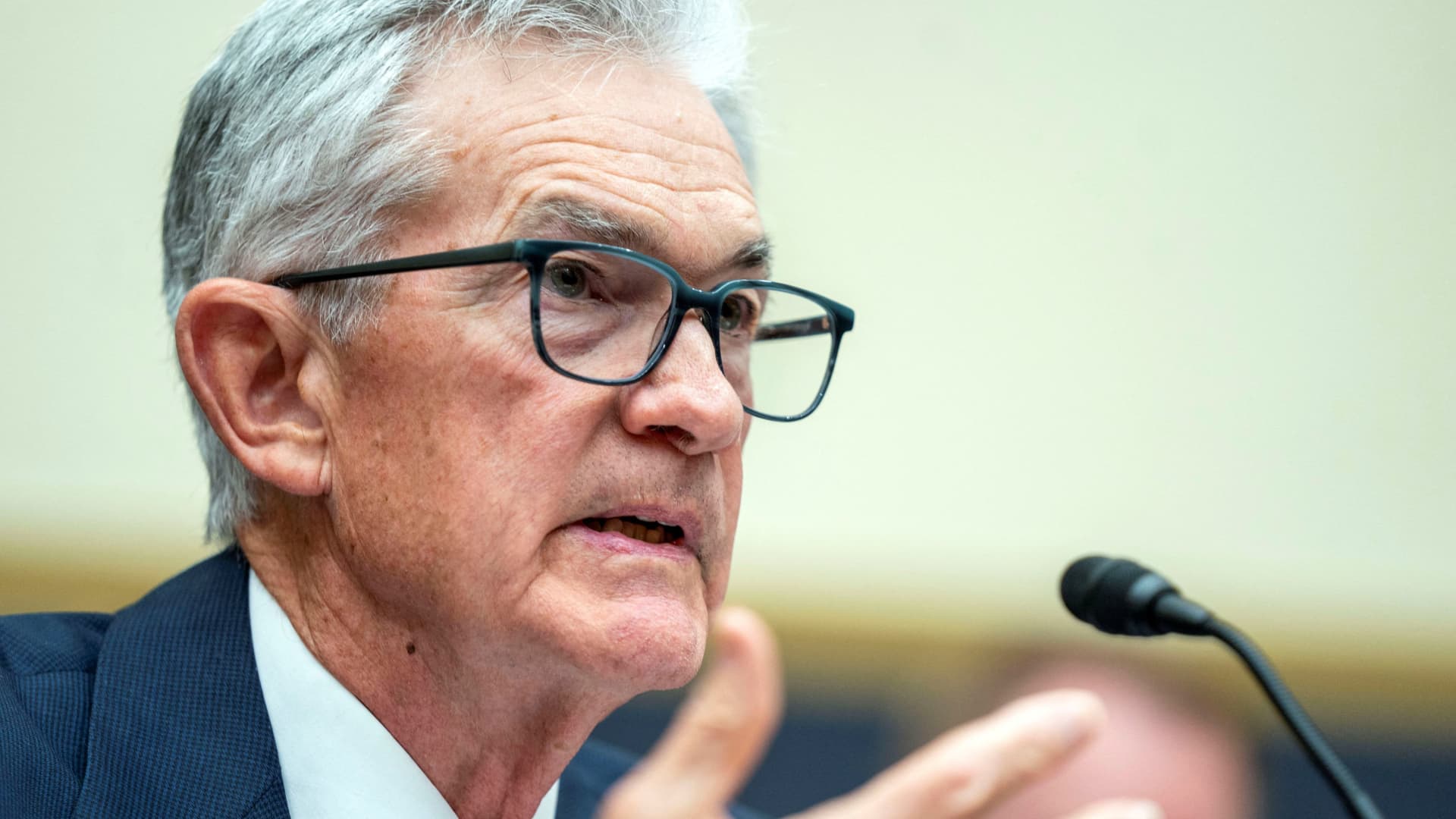
Federal Reserve Chair Jerome Powell's remarks have led Wall Street to doubt the possibility of interest rate cuts this year, with market pricing indicating a 71% probability of a wait until September and a real risk that cuts may not happen until March 2025. The Fed's focus on inflation and data dependency has created uncertainty, with some economists still expecting rate cuts in June or July, while others warn of a policy mistake if the central bank delays action despite achieving its mandates on full employment and inflation.
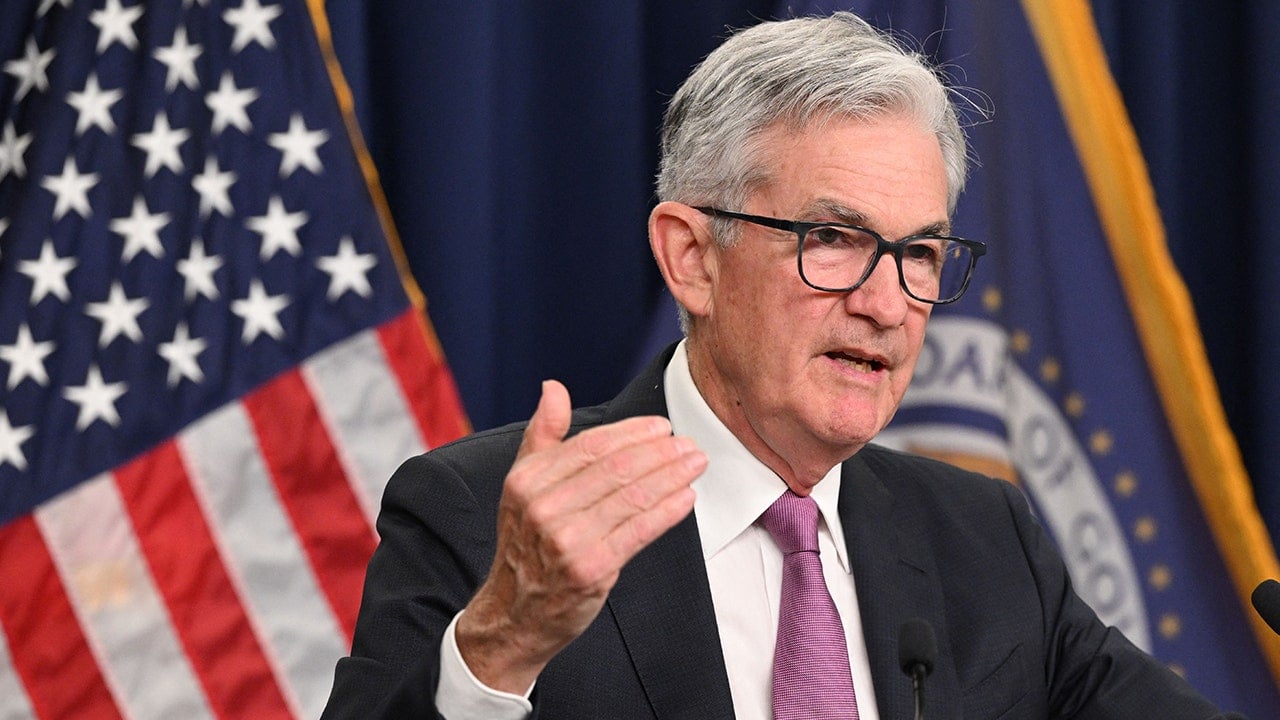
Hotter-than-expected inflation data has reduced the likelihood of an immediate interest rate cut by the Federal Reserve, with Fed Chair Jerome Powell indicating that persistently elevated inflation will likely delay rate cuts until later this year. The surprisingly strong inflation data and Powell's hawkish comments have nearly eliminated the odds of a May rate cut and reduced the likelihood of a June cut. Policymakers are now grappling with when to ease the current level of restriction, with most investors expecting the Fed to begin cutting rates in September and anticipating just two reductions this year.
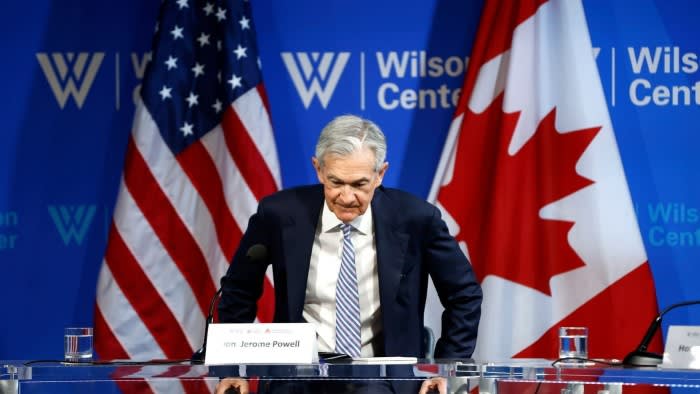
US Federal Reserve chair Jay Powell stated that it will take longer than expected for inflation to reach the central bank's 2% target, leading to a reevaluation of rate cut expectations. The Fed's previous intention to cut rates this year is now being debated due to signs of persistent strength in the US economy and higher-than-anticipated inflation. Meanwhile, European Central Bank president Christine Lagarde indicated that the eurozone is still on track to cut rates in the near future, despite observing a disinflationary process. The widening gap between rate expectations for the Fed and other big central banks reflects the differing economic conditions in the US and Europe.

US Federal Reserve chair Jerome Powell signaled a delay in potential interest rate cuts as inflation remains above target, indicating that the surplus money pumped into the economy during the pandemic is still affecting the country. Powell mentioned that recent data have not increased confidence in achieving the 2% inflation target and suggested that it may take longer than expected. The Fed's cautious approach reflects the challenge of balancing inflation concerns with the need to support economic growth, as excess money from pandemic stimulus measures continues to impact the economy.
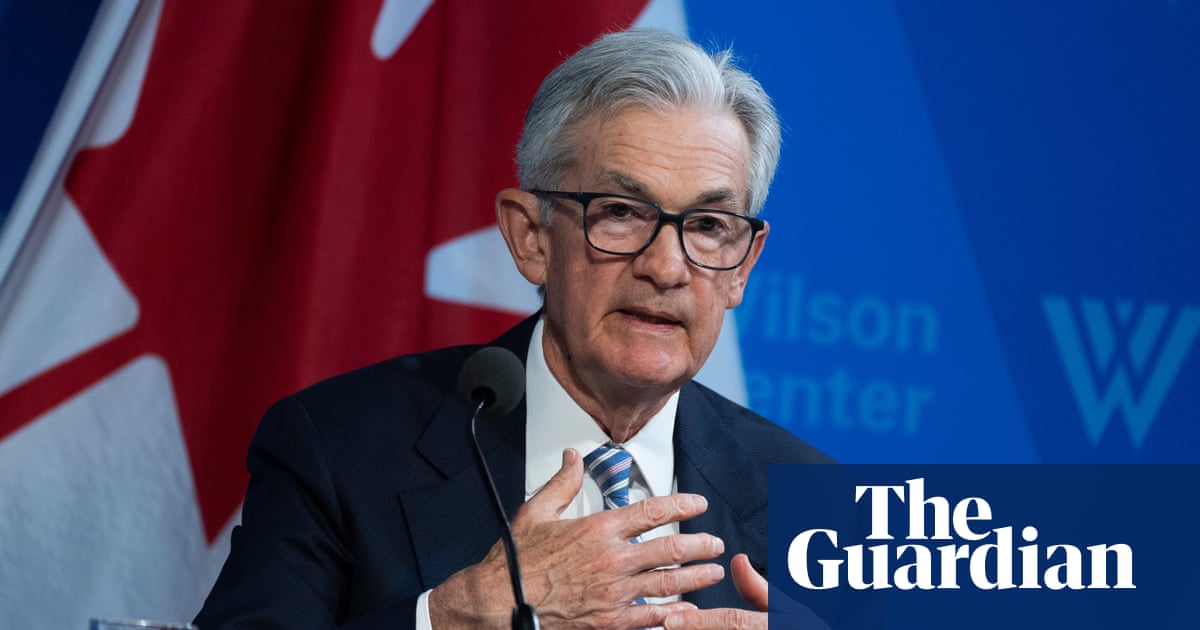
Federal Reserve chair Jerome Powell indicated that persistently high inflation is likely to delay any interest rate cuts until later this year, suggesting a shift from previous expectations of three quarter-point reductions. Recent data showing inflation above the 2% target and robust economic growth have led to a revised forecast of only two rate cuts, with the first expected in September, compared to earlier expectations of as many as six cuts.

Canada plans to raise capital gains taxes on businesses and wealthy individuals to generate funds for housing initiatives and youth-focused programs. The government will tax Canadian companies on two-thirds of their capital gains, up from half, and apply the same change to individual taxpayers with gains over C$250,000. However, the tax-free status for selling primary residences will remain unchanged.
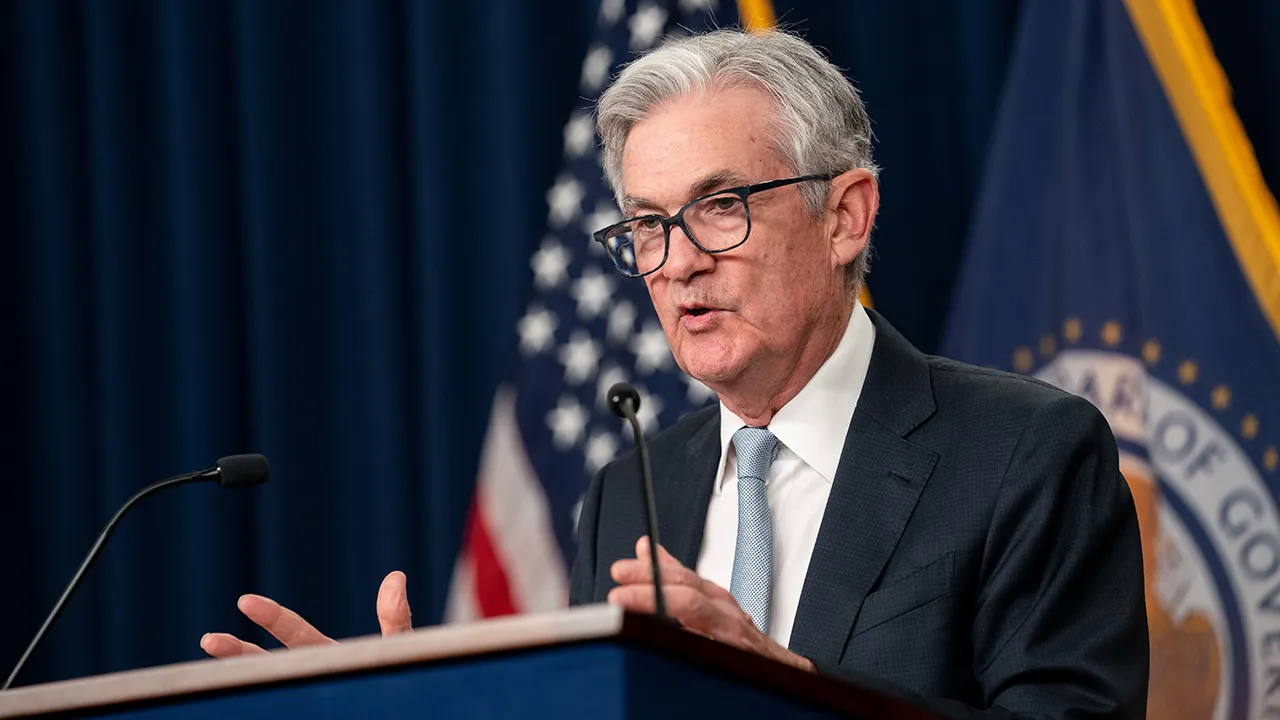
Federal Reserve Chair Jerome Powell expressed concern over the lack of progress in reaching the 2% inflation target, indicating that it may take longer than expected. The Fed has raised interest rates sharply over the past two years, but Powell stated that policymakers will maintain the current level of restriction until price pressures are tamed. The recent data have not given greater confidence, and the timing of rate cuts hinges on the inflation trajectory. Most investors now expect the Fed to begin cutting rates in September, with just two reductions anticipated this year. Despite higher rates, consumers continue to spend and businesses are hiring, but Fed officials have indicated that higher interest rates will eventually weigh on growth.
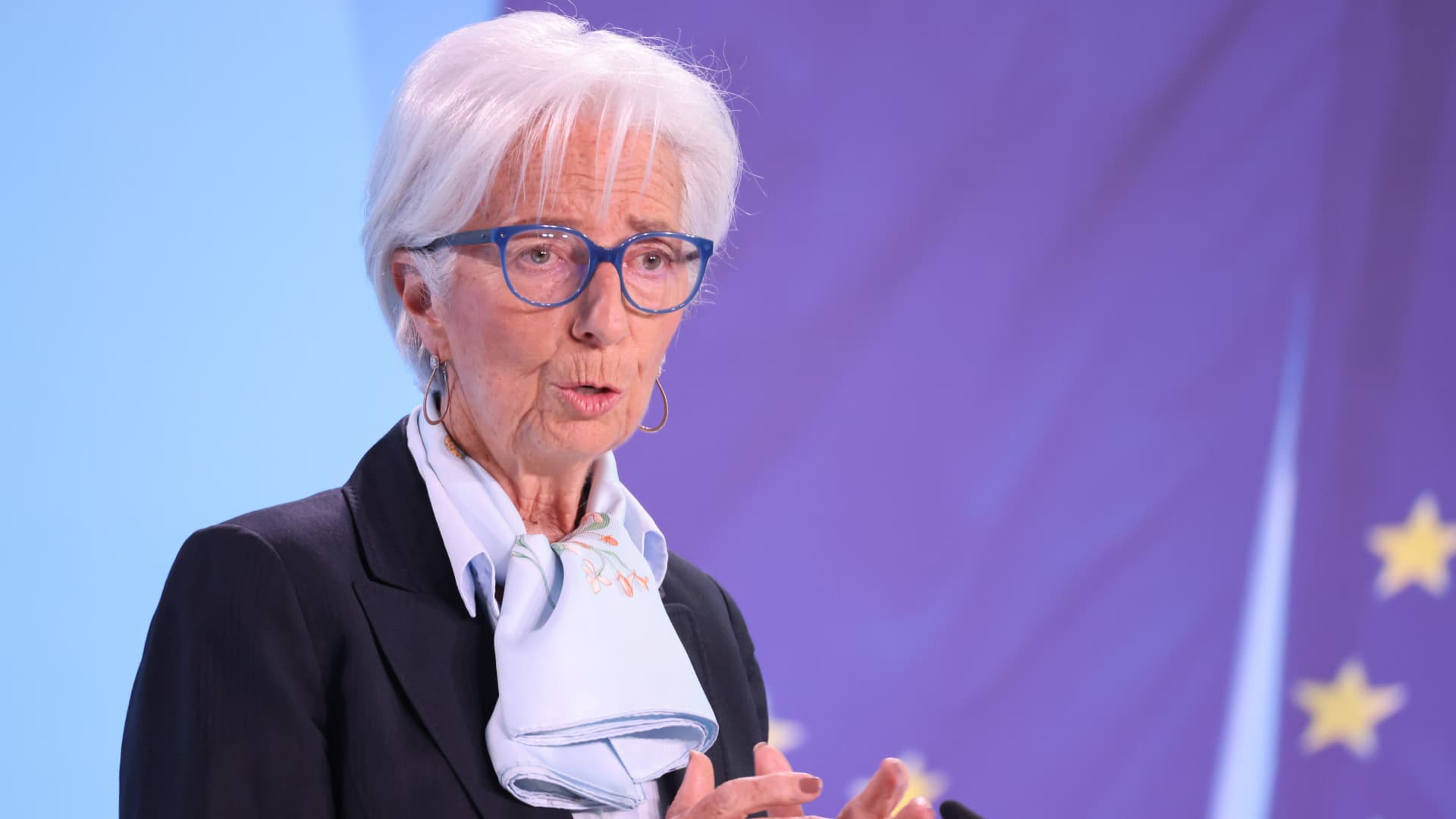
European Central Bank President Christine Lagarde indicated that the ECB is poised to cut interest rates in the near future, contingent on no major shocks. Lagarde emphasized the bank's vigilance regarding oil prices amid concerns over potential spillover conflicts in the Middle East. The ECB's shift in language suggests a possible rate cut in June, with policymakers closely monitoring inflation and geopolitical risks. ECB policymaker Olli Rehn highlighted the impact of Iran-Israel tensions and the Russia-Ukraine war on the central bank's monetary policy, while investors have reduced expectations for Federal Reserve rate cuts.

Homebuilder stocks fell as the NAHB/Wells Fargo Housing Market Index remained flat in April, indicating potential demand growth but hesitancy due to uncertainty about interest rates. The higher-than-expected inflation print last week led investors to scale back rate cut expectations, with mortgage rates rising to 6.88%. Builders pulled back slightly on cutting home prices, and the use of sales incentives ticked down to 57% in April from 60% in March.
Homebuilder stocks fell as the NAHB/Wells Fargo Housing Market Index remained flat in April, indicating potential demand growth but hesitance from buyers due to uncertainty over interest rates. The flat confidence level among builders reflects how prospective buyers and sellers are staying put amid high home prices and limited housing stock. Higher-than-expected inflation last week led investors to scale back rate cut expectations, while mortgage rates have risen, reaching 6.88% for the 30-year fixed rate. Builders have slightly reduced home prices and sales incentives, anticipating future rate cuts and moderation in mortgage rates in the second half of the year.