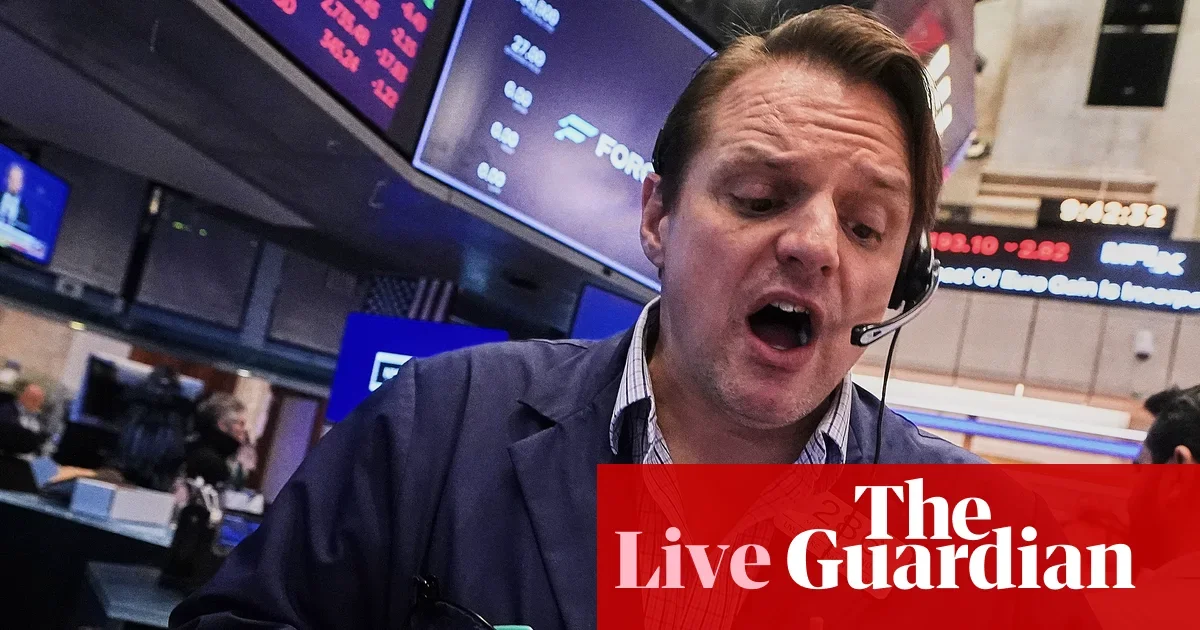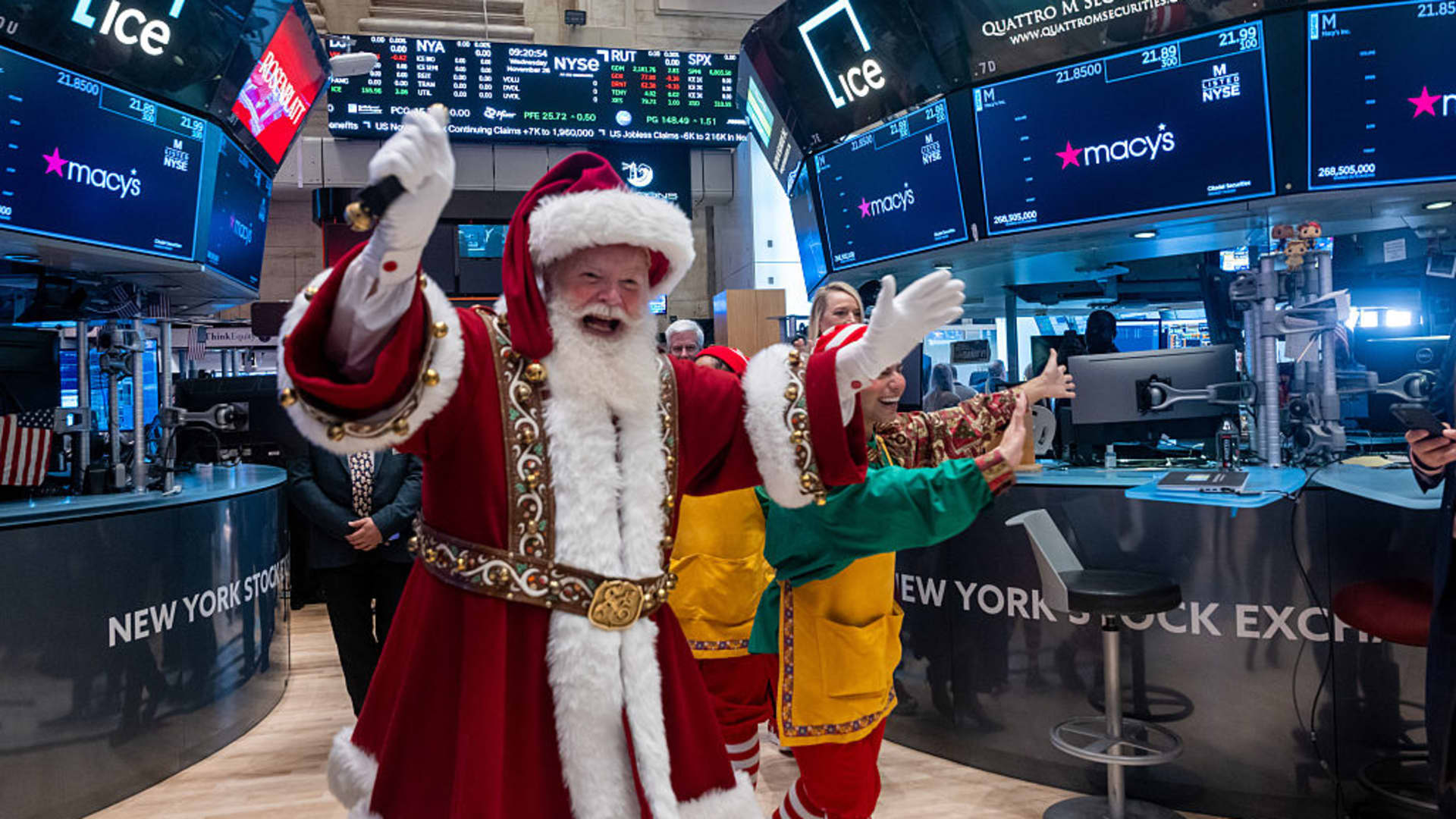
U.S. stock futures remain steady following the Christmas holiday, indicating a pause in market activity and investor sentiment during the holiday period.
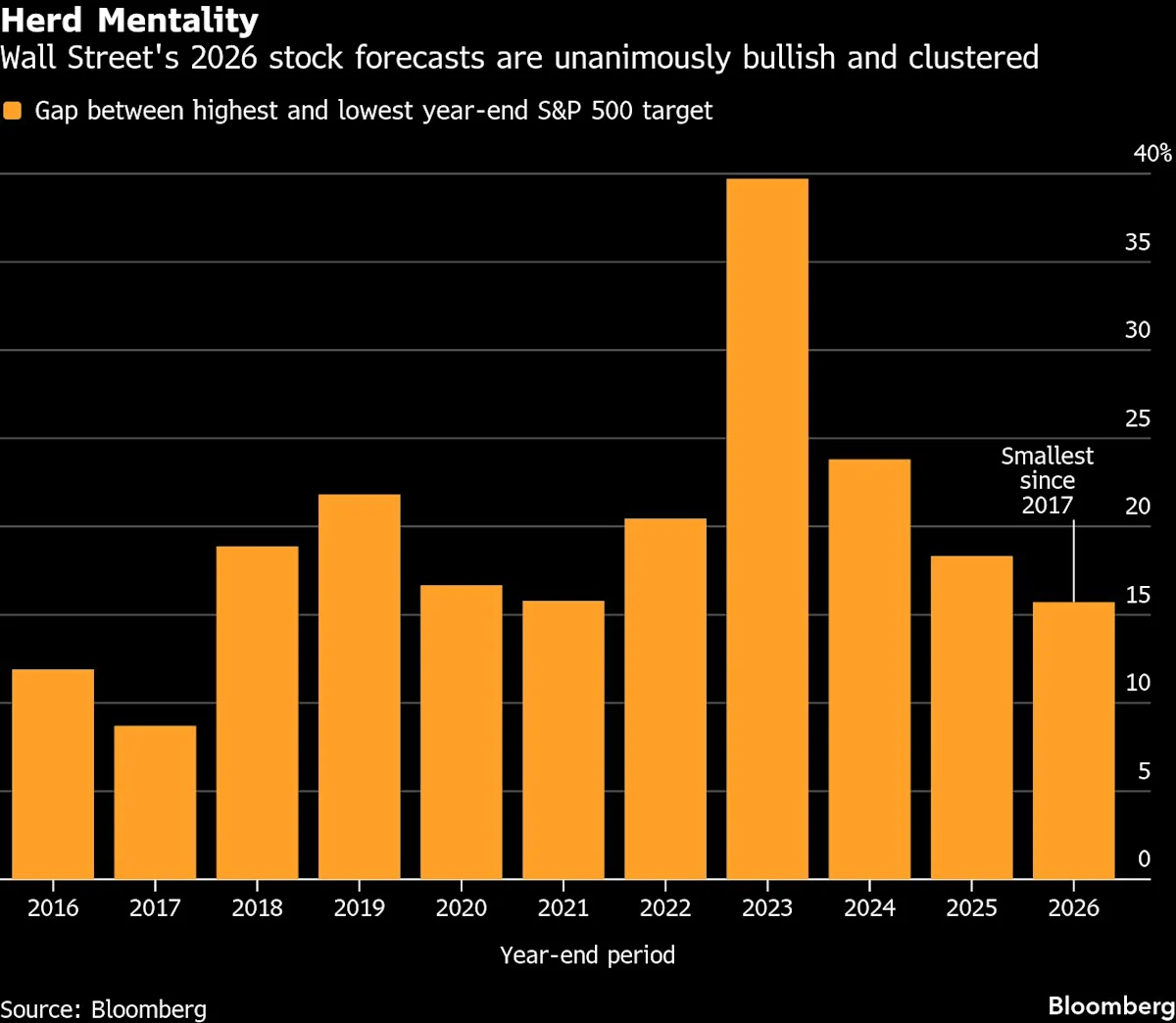
Wall Street's bullish consensus for 2026, with very tight target ranges for the S&P 500, raises concerns among investors about potential market fragility, as such unanimity may already be priced in and could lead to increased volatility if expectations are disappointed.
The article discusses the possibility of a Santa Claus rally in the stock market, specifically the S&P 500, and suggests that current signs indicate there may not be one this year, reflecting cautious investor sentiment and market conditions.
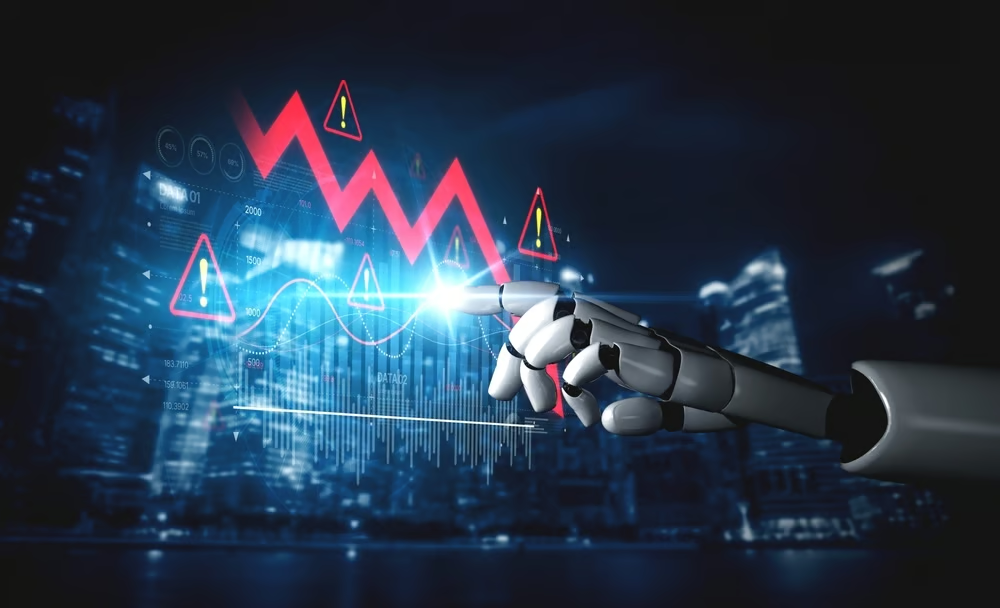
The article discusses a significant selloff in individual tech stocks like Oracle and CoreWeave, which are involved in AI infrastructure, suggesting a potential burst of the AI bubble. Despite these declines, the overall stock market remains broadly bullish, with investors shifting from overextended tech stocks to other sectors, indicating a cautious but not catastrophic market correction.
Despite strong earnings and positive outlooks for Broadcom, a major sell-off in AI-related stocks like Nvidia, AMD, and Oracle caused U.S. stock indexes to decline, reflecting investor jitters over potential AI bubble concerns and short-term uncertainties, even as some analysts remain optimistic about the sector's long-term prospects.
Tech stocks, especially the Magnificent Seven, lost over $1 trillion in market value this week amid a broader selloff driven by concerns over an AI bubble, despite some experts arguing that current valuations are supported by real earnings and structural changes. The market downturn was triggered by fears of overvaluation and a potential bubble burst, though some analysts believe the AI-driven growth reflects genuine long-term profitability.
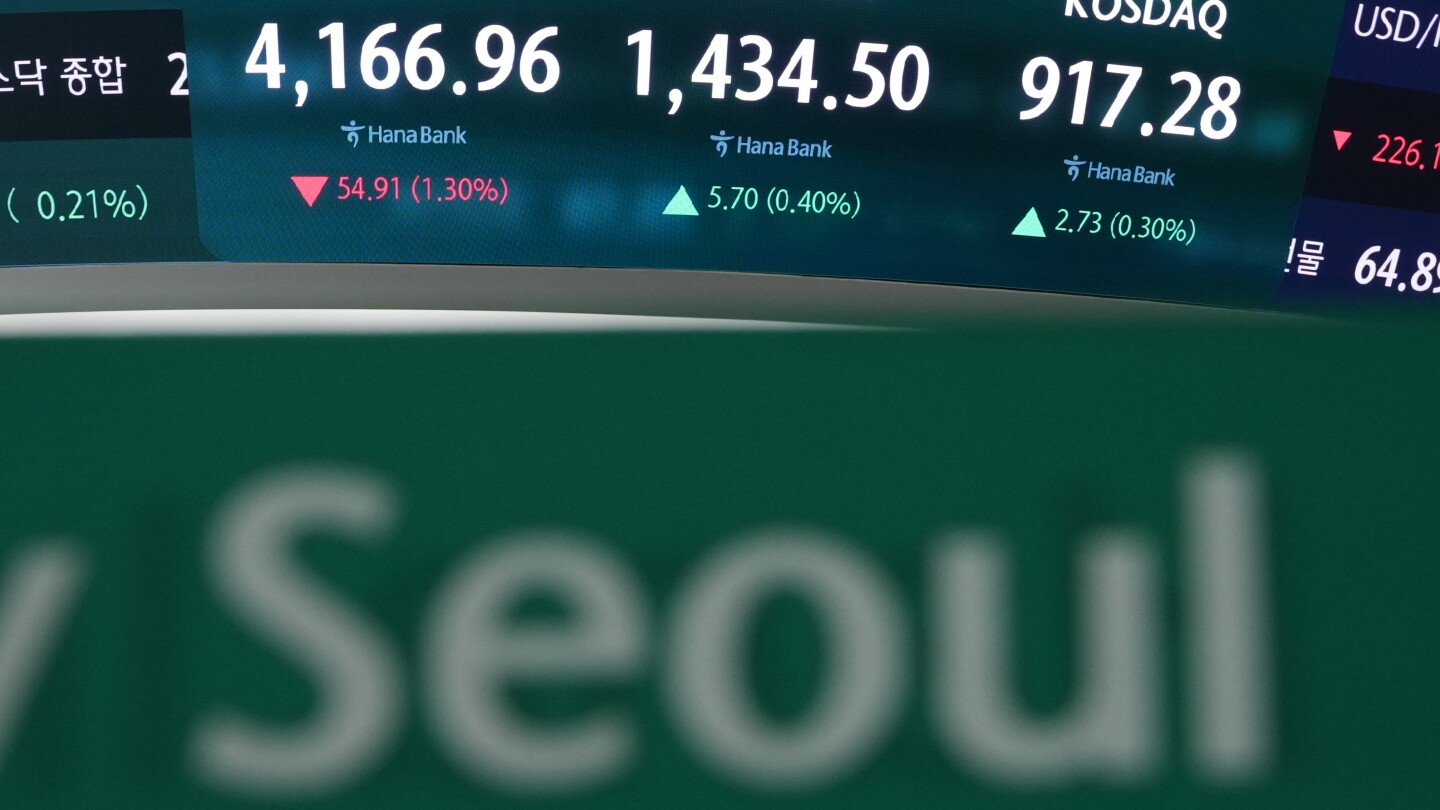
Global markets declined following a sell-off in Wall Street tech shares, with Asian and European markets also falling, driven by concerns over high valuations and corporate earnings, while gold prices rose as a safe-haven asset.
Wall Street CEOs warn of a potential 10%+ market correction within the next 12-24 months, citing high valuations and geopolitical risks, but see such pullbacks as healthy for market cycles, with strong earnings and active global markets supporting investor risk appetite.
Cryptocurrencies, including Bitcoin, continue to decline following a significant liquidation event in October, with institutional demand dropping below mining rates and market sentiment remaining cautious as investors await signs of a bottom, leading to a broader risk-off attitude and ongoing price struggles.
Asia-Pacific markets showed mixed performance as China's manufacturing PMI for October missed expectations, indicating a slowdown, with Hong Kong and Australia slightly down, while South Korea's Kospi led gains, reflecting cautious investor sentiment amid economic data and upcoming monetary policy decisions.
Liz Ann Sonders, Charles Schwab's chief investment strategist, states that while the AI boom is more solid than the dot-com bubble, it still carries risks of disappointment that could negatively impact the economy, especially given the high concentration of wealth in Big Tech and signs of economic strain. She warns that unmet growth expectations and investor exuberance in niche markets could trigger market corrections and economic repercussions.
Big Tech companies reported strong earnings growth, outpacing estimates, and continued heavy investment in AI infrastructure, though investor sentiment is becoming more cautious about immediate returns, with notable impacts on stock prices of Meta and Microsoft. The industry’s focus remains on revenue growth and return on investment, with Nvidia poised to be a key industry bellwether.
Apple's stock closed slightly down by 0.38% after a muted reaction to its Q4 2025 report, amid broader tech market volatility and investor uncertainty about iPhone demand, AI challenges, and regulation, with some relief seen in the uneventful trading session.
Major US tech companies, including Alphabet, Microsoft, and Meta, plan to increase AI-related capital spending, with Alphabet's strong cash flow allowing it to fund investments more comfortably, leading to positive investor reactions despite overall cautiousness about AI investment returns.