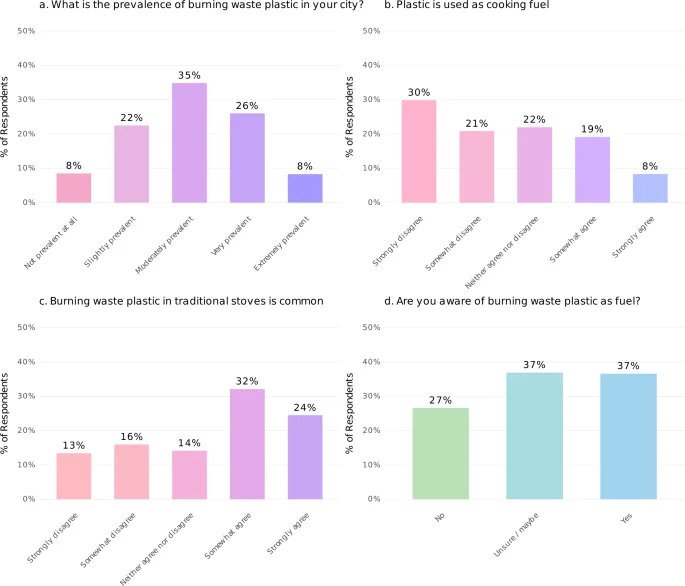
The article investigates the widespread practice of burning plastic waste as household fuel in low-income urban communities across the Global South, highlighting its prevalence, drivers such as inadequate waste management and energy poverty, and associated health and environmental risks, while emphasizing the need for improved waste systems and clean energy access to mitigate this issue.

Research in UK cities shows urbanization significantly reduces pollinator diversity, especially moths and hover flies, which are more sensitive than bees. To support these vital insects, gardeners are encouraged to create diverse habitats and collaborate with neighbors to form larger ecological networks, helping urban ecosystems thrive.
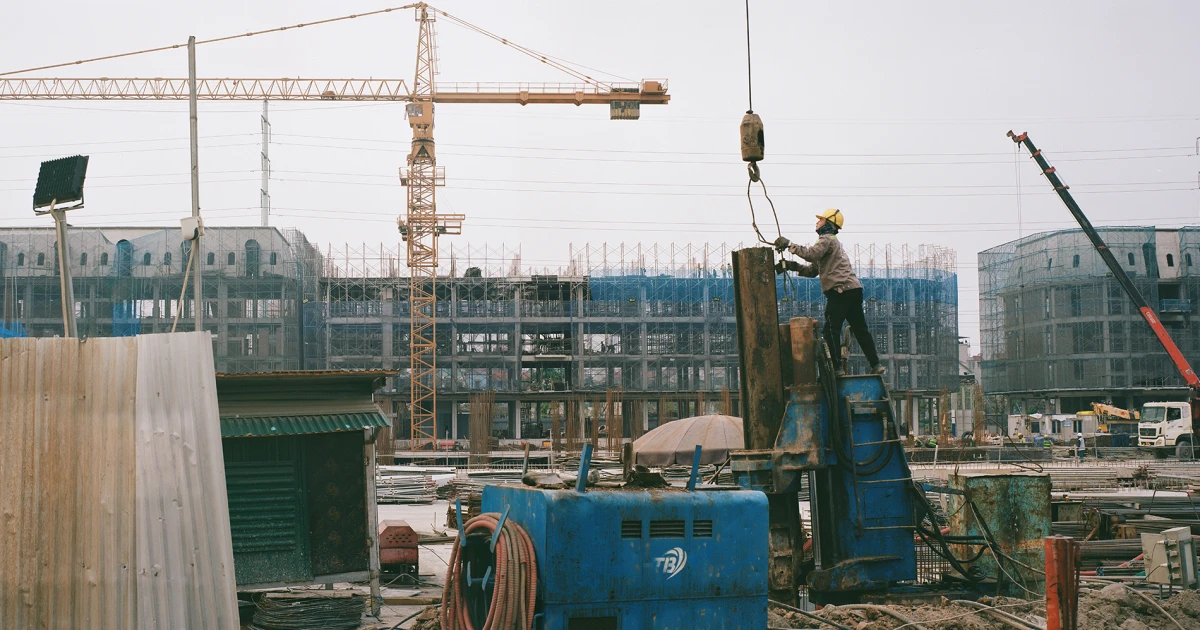
Hanoi, Vietnam's rapidly growing capital, has become the world's most polluted city due to intense urbanization, industrial activity, and construction, with air quality often reaching hazardous levels, primarily caused by vehicle emissions, cement production, and dust from construction zones, despite government efforts to implement stricter environmental policies.
A new study reveals that bedbugs diverged into two lineages thousands of years ago, with one adapting to humans as they moved into cities, leading to a significant rise in infestations, especially after pesticide resistance developed in recent decades.
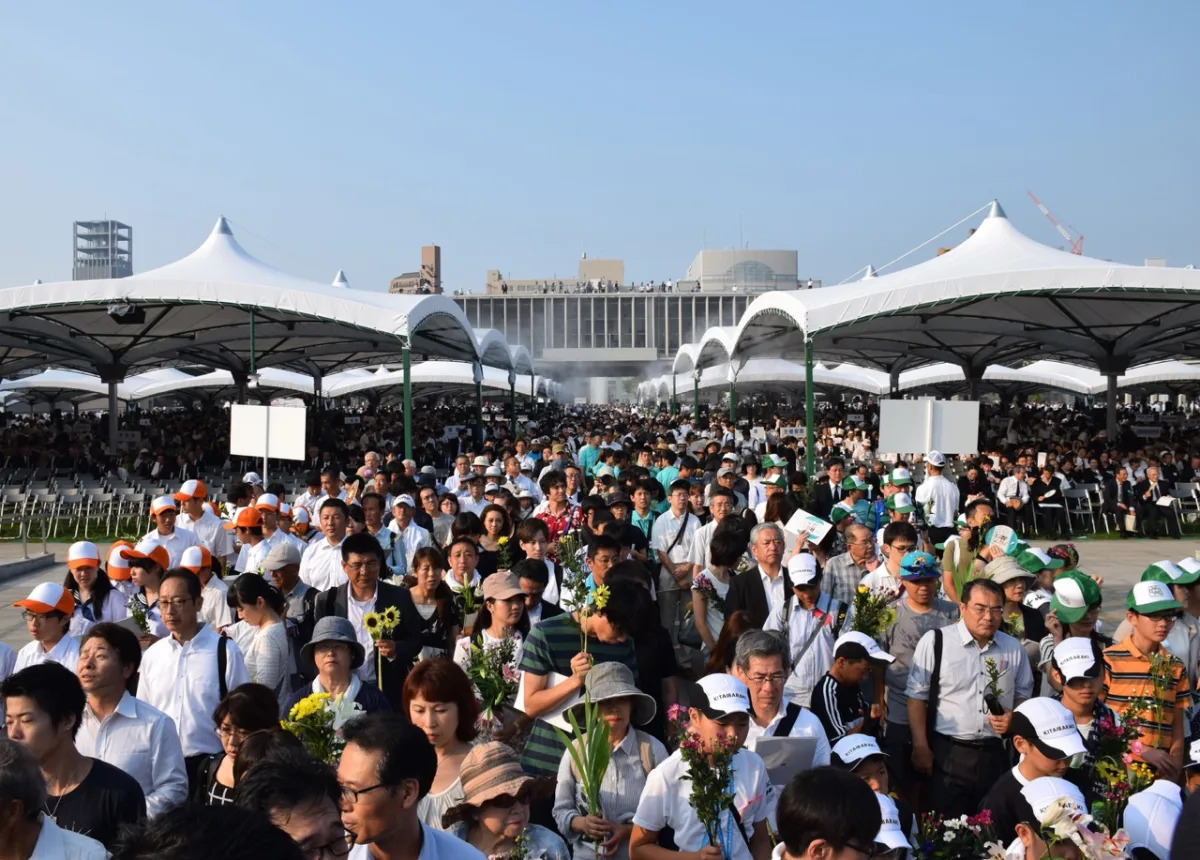
Nagasaki, Japan, has been identified as the fastest-declining metro area in the world, with a population decrease of 3.43% from 2020 to 2024. This decline is attributed to factors such as industrial decline, low fertility rates, and an aging population. The global population trends indicate that while some regions are experiencing growth, others, particularly in Asia and Europe, are seeing declines due to various socio-economic factors.
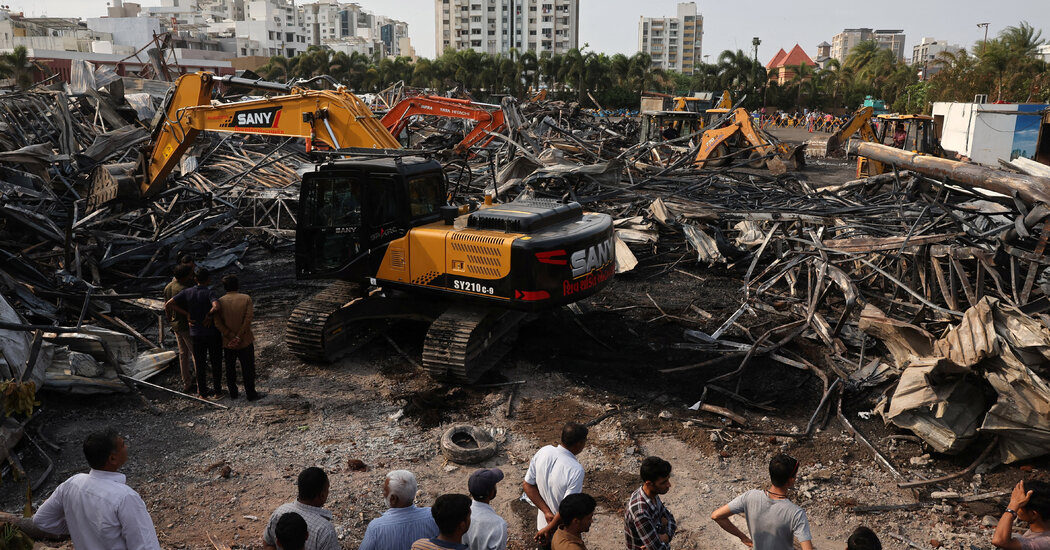
Two deadly fires in India, one in a New Delhi neonatal clinic and another in a Rajkot amusement park, have exposed significant gaps in the country's fire safety measures. The incidents, which claimed at least 34 lives, highlight systemic issues such as poor building safety compliance, inadequate fire services, and lack of enforcement of fire regulations. Despite political leaders' condolences and promises of inquiries, experts argue that meaningful systemic change remains elusive.
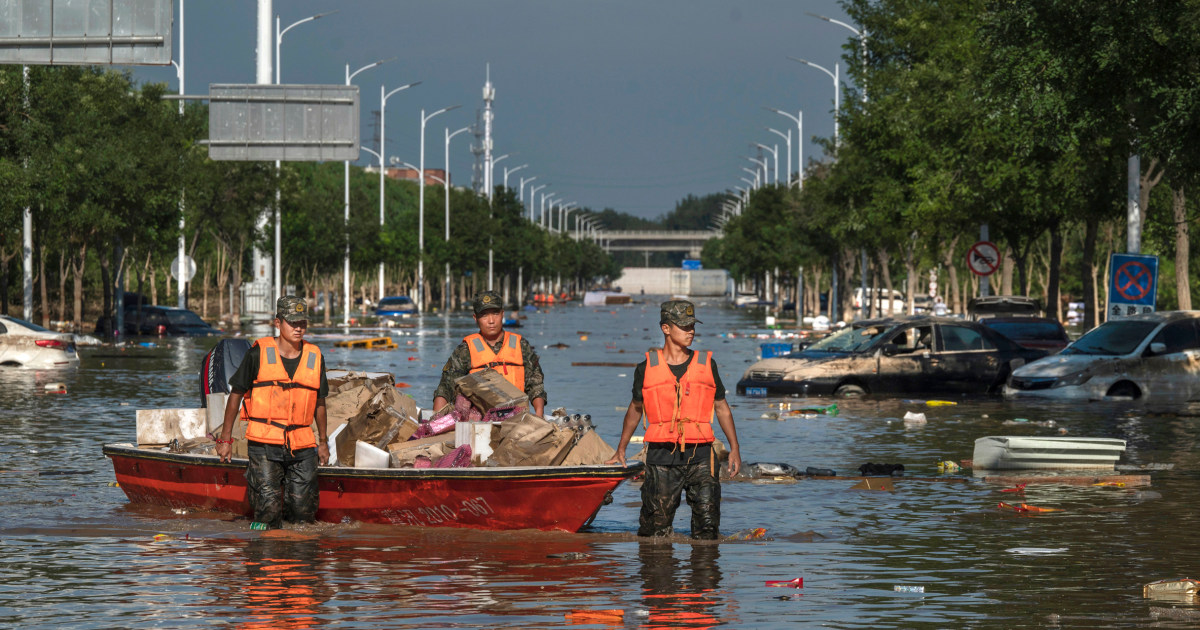
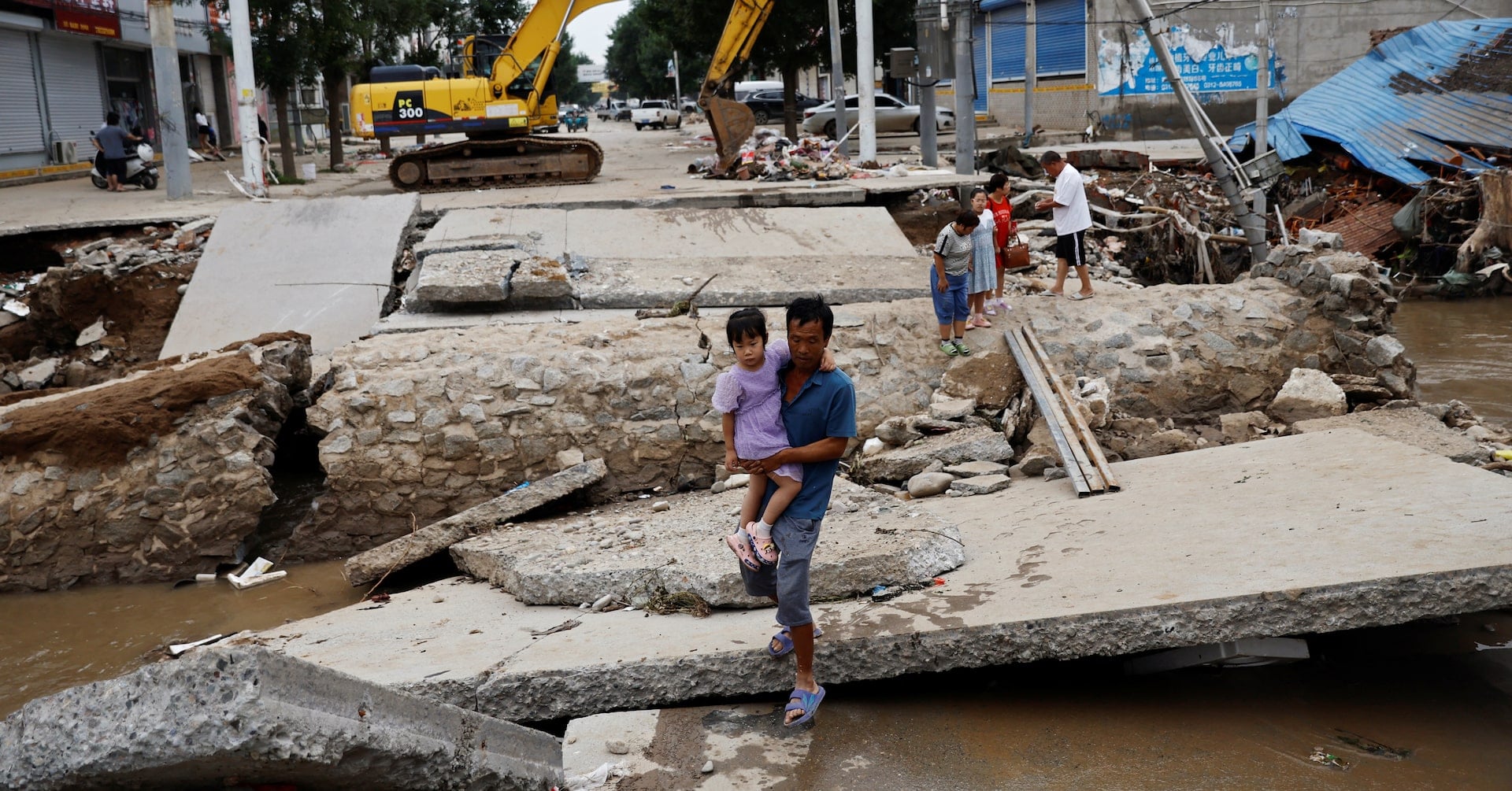
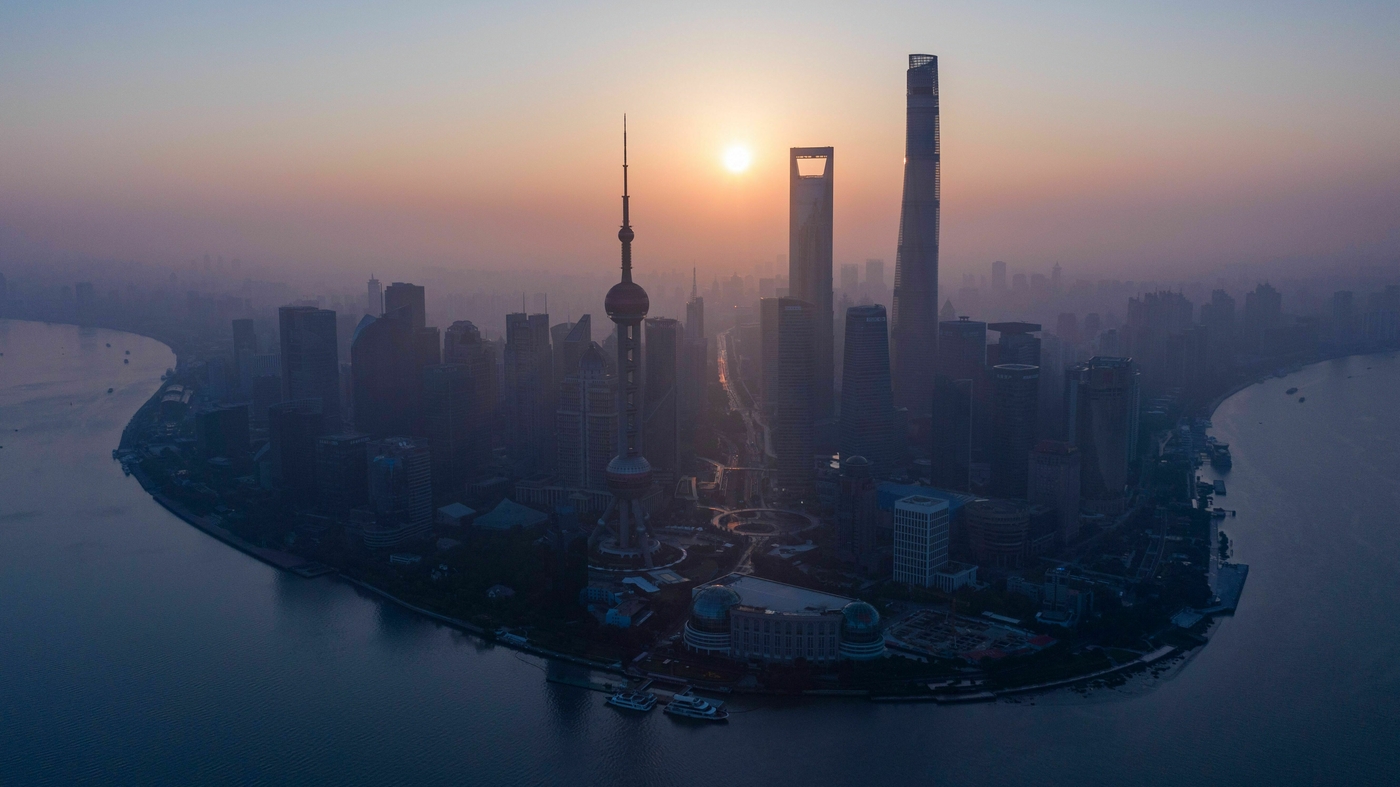
A study using nationwide satellite data found that nearly half of China's major cities are experiencing moderate to severe subsidence, with 16% of urban land sinking at more than 10 mm per year. This poses a significant risk of flooding, especially as sea levels rise, and could affect millions of people. The issue is driven by declining water tables and the weight of the built environment, costing China billions in annual losses. The problem is not limited to China, with other countries also at risk, and experts emphasize the need for both mitigation and adaptation measures to address this global challenge.
A study using nationwide satellite data has revealed that nearly half of China's major cities are experiencing "moderate to severe" levels of subsidence, with 16% of urban land sinking at a rate of more than 10 mm per year. This poses a significant risk of flooding, especially as sea levels continue to rise. The issue, driven by declining water tables and the weight of the built environment, is costing China billions in annual losses and could affect hundreds of millions of people within the next century. The problem is not unique to China, as other countries, including Indonesia, are also facing similar challenges. Mitigation and adaptation strategies, such as those implemented in Tokyo, will be crucial for addressing this widespread issue.
A new study reveals that nearly half of major cities in China are sinking, posing a significant threat to the urban population as subsidence exacerbates flooding related to sea level rise from climate change. With nearly one third of China's urban population residing in sinking areas, the risk to tens of millions of people is already apparent, and could grow to hundreds of millions if current trends persist. The study, conducted by over 50 Chinese scientists, highlights the urgent need for measures to prevent and reverse subsidence, such as regulating groundwater removal and making informed urban planning decisions.
Chinese Premier Li Keqiang announced that the government is working to remove barriers for foreign companies, addressing issues such as market access and cross-border data flow. He emphasized the potential of urbanization to boost domestic consumer spending and highlighted the country's economic growth and plans for industrial development. The government aims to expand urban residency and provide greater opportunities for businesses, while also focusing on green energy and new energy sources. Foreign business leaders were assured of China's interest in foreign investment and hi-tech firms, as the country seeks to revive confidence in its economy.
Faune Alfort, the only hospital in the Paris region that cares for all wild animals, has seen a record number of wildlife casualties due to urbanization and climate change. The hospital provides medical care and rehabilitation for injured and sick animals, aiming to release them back into suitable habitats with minimal human interaction. The hospital relies on donations and sponsorships to support its operations and emphasizes the need for humans to coexist with wildlife in urban areas while minimizing their impact on the environment.
A study from Washington State University suggests that living closer to green and blue spaces can benefit older adults' mental and physical health. The research found that even small increases in nature near one's home can lead to improved mental and general health. The study focused on the relationship between serious psychological distress and proximity to green and blue spaces, and the findings suggest that exposure to nature could help prevent, delay, or treat poor mental health in older adults. The researchers hope their work will help adults from lower socioeconomic backgrounds feel better in old age, especially since such individuals usually have unequal access to green and blue spaces in urban areas.
India's economy is projected to be the world's fastest-growing major economy in 2023 and 2024, with a forecasted increase of over 6% in both years. The country's economic and demographic similarities to China in the late 1990s and early 2000s suggest the potential for two more decades of rapid sustained growth. However, India faces challenges such as severe air pollution and the need to bridge the gap in energy consumption compared to China and advanced economies. Despite these challenges, India's urbanization, industrialization, and rising middle class are expected to drive significant demand for energy services, making it a key player in global energy consumption and emissions.
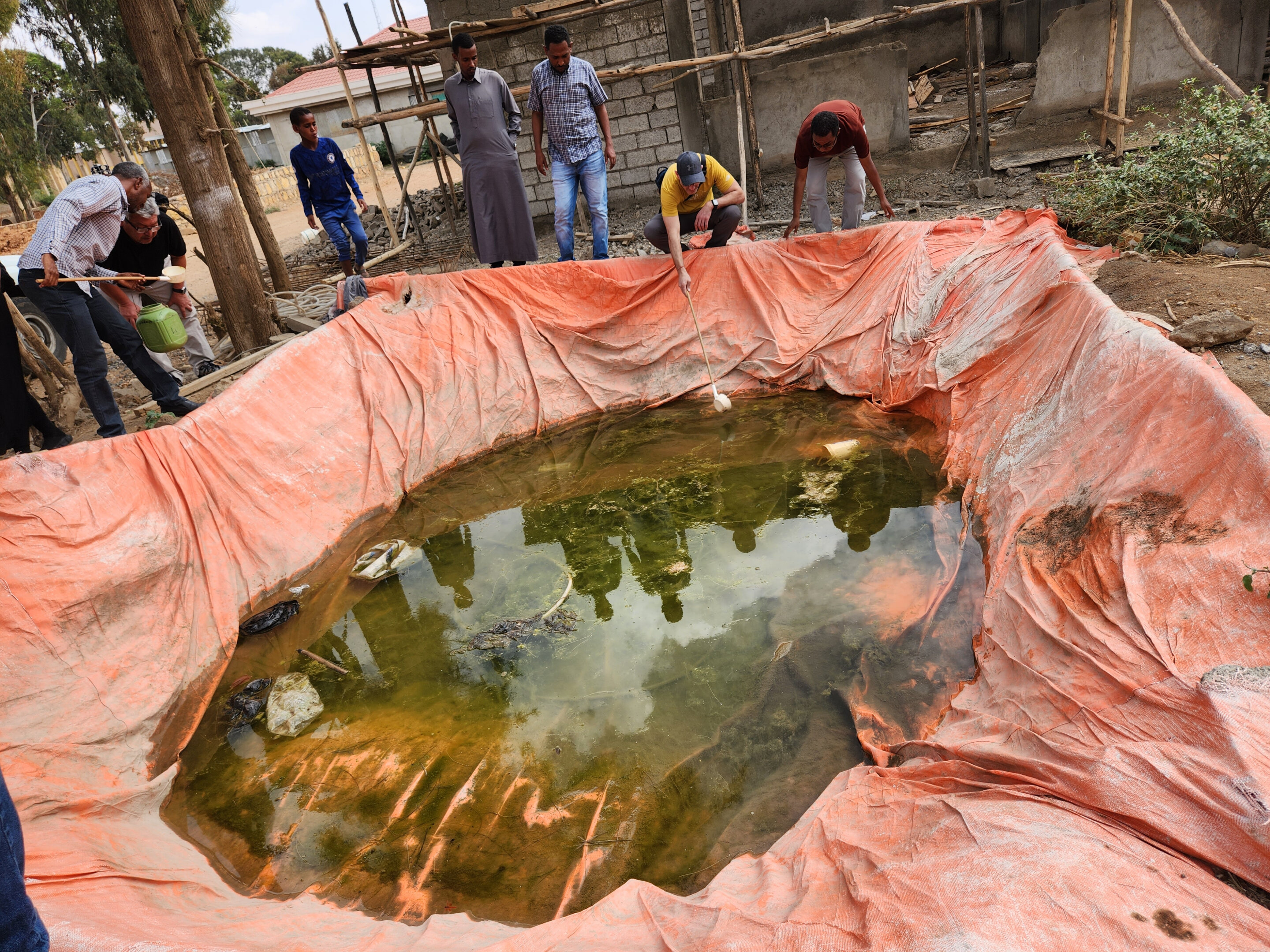
A study published in The Lancet Planetary Health reveals that the invasive Anopheles stephensi mosquito, which carries malaria, is thriving in urban environments in Africa, posing a major threat to urban populations. The mosquito has been detected in several African countries and has already caused urban outbreaks of malaria. The study focused on the city of Jigjiga in Ethiopia, where the mosquito primarily exploits habitats associated with construction, such as manmade pits used to store water at construction sites and brick-making facilities. Targeting these sites for control during the dry season could help mitigate malarial outbreaks. The arrival of stephensi in Africa, where malaria is predominantly a rural disease, requires different surveillance and control methods than those used in rural areas.
The spread of the Asian mosquito species Anopheles stephensi in African cities poses a significant threat as they transmit malaria. Researchers have found that the surge in construction activities provides the mosquitoes with a year-round habitat, suggesting interventions to reduce their numbers. During the dry season, when mosquito populations decrease, introducing chemicals or fish that eat mosquito larvae into construction pits could effectively target the mosquitoes. Satellite imagery has helped identify potential breeding grounds, allowing for targeted interventions. These strategies offer hope for containing the spread of A. stephensi and reducing the risk of malaria in African cities.