Former NASCAR driver Greg Biffle and his family died in a small plane crash in North Carolina, adding to a long history of aviation tragedies involving athletes across various sports, highlighting the risks associated with private flying.
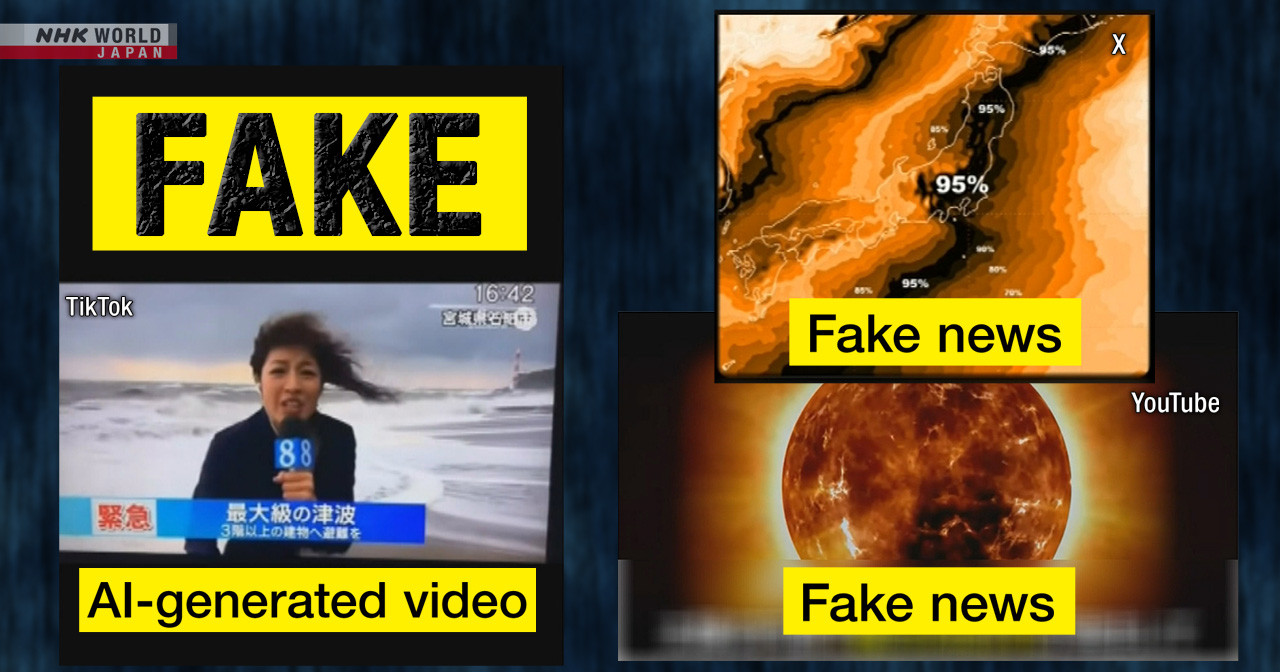
Following a major earthquake in northern Japan, fake news and AI-generated videos spread rapidly on social media, often exploiting public anxiety and seeking attention or profit. Authorities warn against unverified information and advise relying on trusted sources to prevent misinformation from affecting disaster response and socio-economic stability.
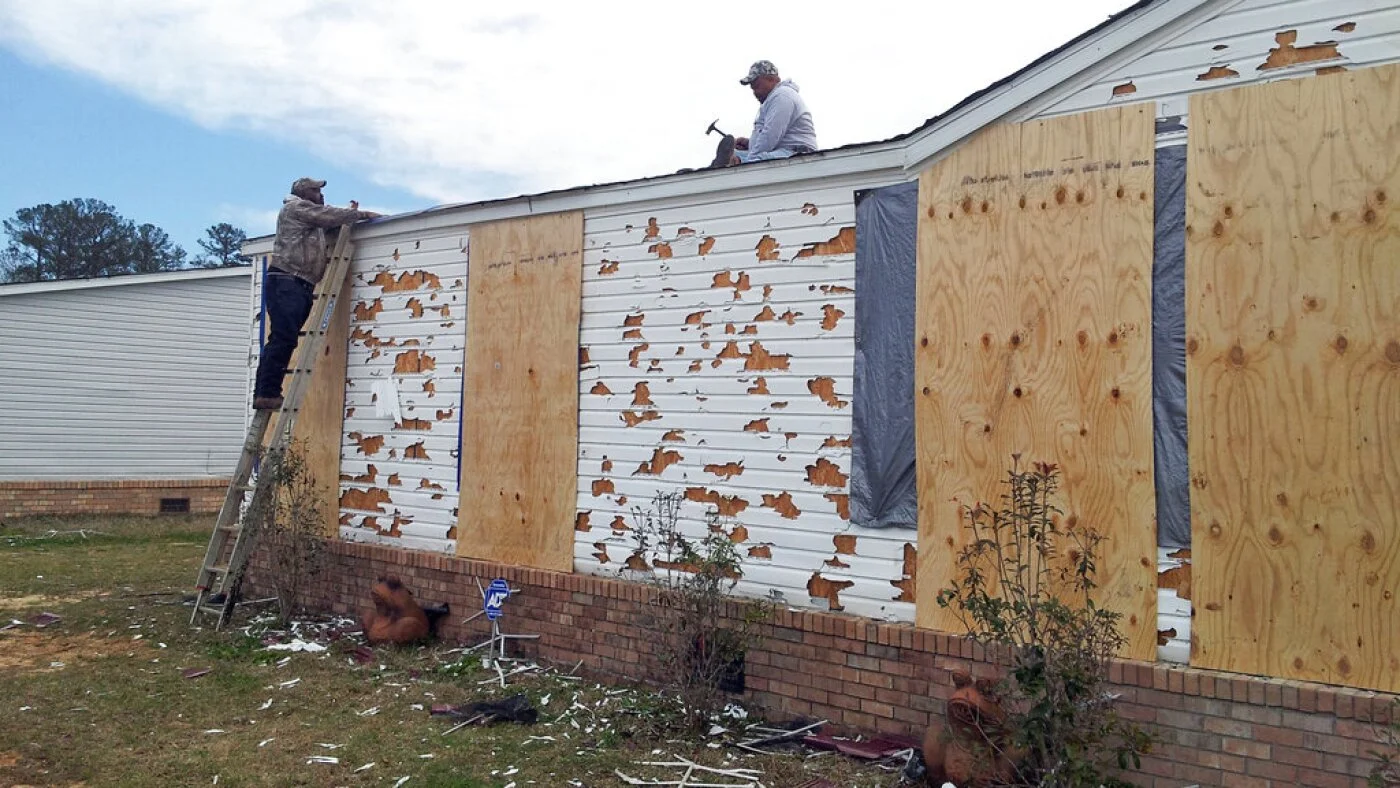
Home insurance in the U.S. is becoming less affordable and less available due to rising disaster costs, climate change, and insurers pulling back from high-risk areas, impacting communities nationwide and prompting efforts to improve resilience and risk assessment.
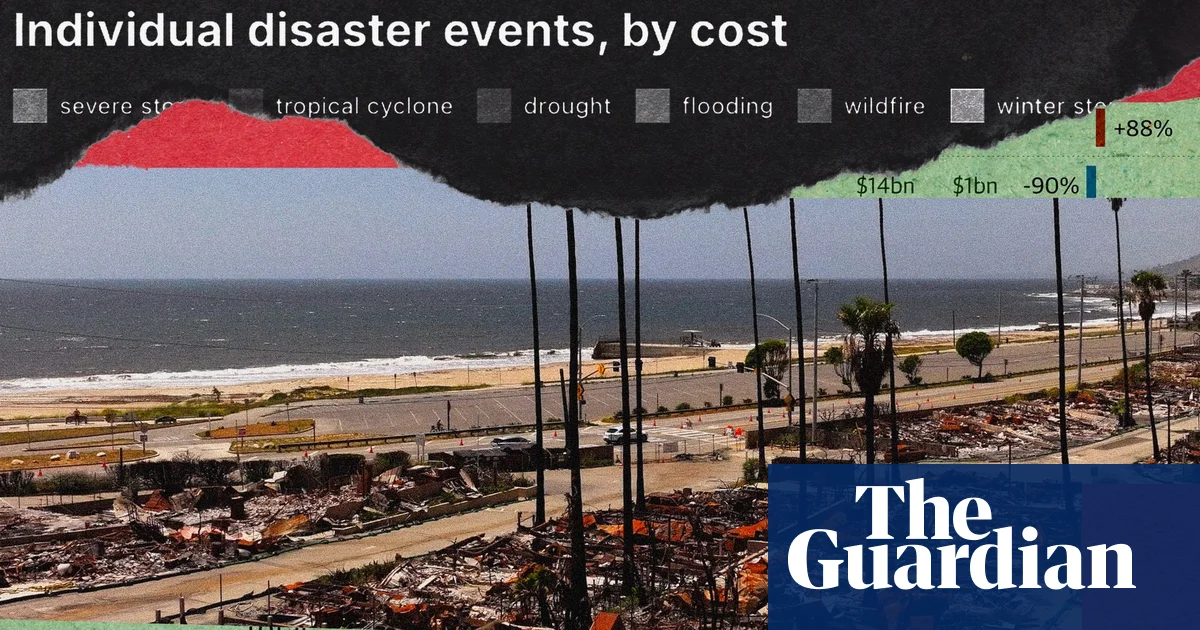
The first half of 2025 was the most costly on record for US climate-related disasters, totaling $101 billion, driven mainly by wildfires in Los Angeles and severe storms, highlighting the increasing impact of climate change and the effects of policy changes on disaster response capabilities.
The article humorously recounts 18 unfortunate and comically disastrous incidents experienced by different people, highlighting their misadventures and the unexpected outcomes of seemingly harmless situations.
The article shares a personal account of wisdom teeth removal, highlighting the pain and challenges faced during the procedure and recovery, and emphasizing the severity of such dental disasters.
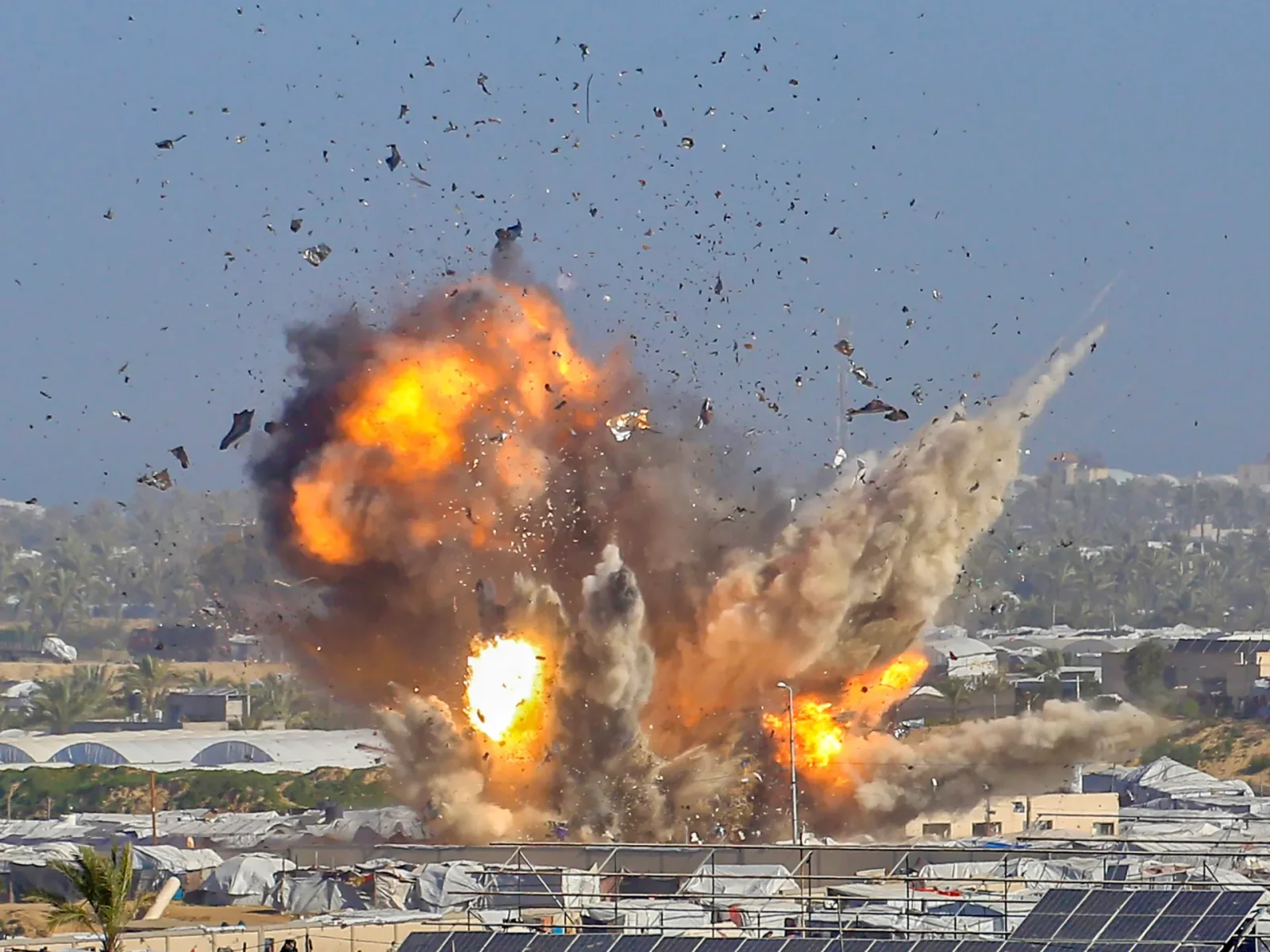
A UN official warns that conflicts, natural disasters, and significant cuts in international aid are creating a 'perfect storm' leading to severe food shortages and increased suffering among the world's most vulnerable populations, with regions like Afghanistan, Myanmar, and Gaza being heavily impacted, and highlights the urgent need for new funding sources and increased efficiency in aid efforts.
The article highlights some of the biggest 'fuck around and find out' moments in history, including notable incidents like Timothy Treadwell's bear encounters, WWI, the demon core accident, the Titanic sinking, and business failures like Blockbuster's rejection of Netflix, illustrating how hubris and misjudgments have led to significant consequences.
The article highlights the severe crises in Sudan and Afghanistan, including a deadly landslide in Darfur and recent earthquakes, amidst a global decline in support for refugees and humanitarian aid, with thousands of deaths and difficult access for relief efforts.
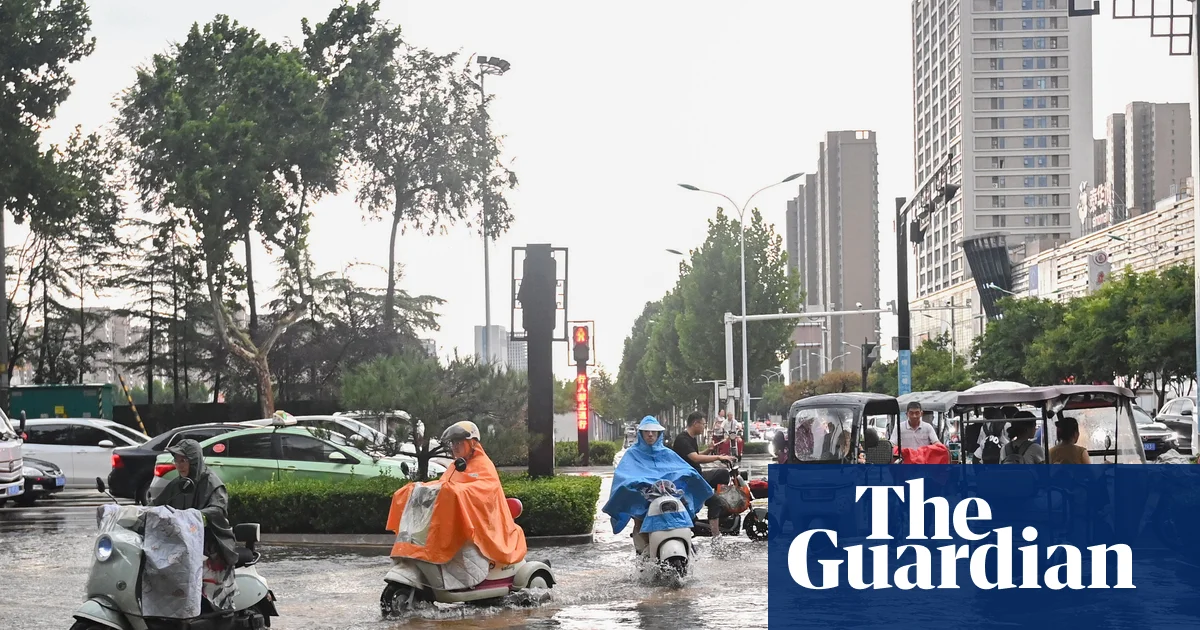
Heavy rains in northern China, particularly around Beijing and Baoding, have caused two deaths, displaced thousands, and prompted flood warnings across 11 provinces, highlighting increasing flood risks linked to climate change and challenging China's aging flood defenses.
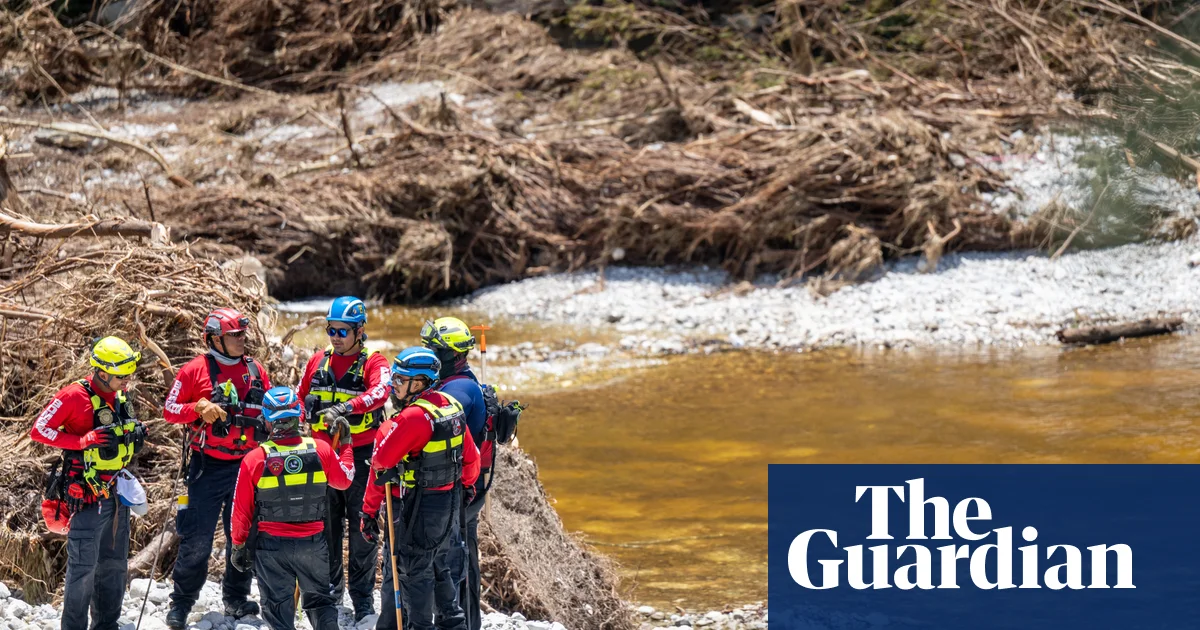
Texas, despite being highly disaster-prone due to its geography and climate, shows a pattern of under-preparedness and resistance to proactive disaster mitigation, driven by political ideologies favoring limited government and fossil fuel interests, which hampers efforts to improve warning systems and climate resilience.
The article discusses how Donald Trump habitually blames his predecessor Joe Biden for various crises and disasters, from natural calamities to economic issues, even when evidence does not support such claims, contrasting with White House officials who avoid quick blame assignments.
The article reports that Donald Trump has proposed ending FEMA, suggesting that state governors should take responsibility for disaster management instead.
Two deadly fires in India, one in a New Delhi neonatal clinic and another in a Rajkot amusement park, have exposed significant gaps in the country's fire safety measures. The incidents, which claimed at least 34 lives, highlight systemic issues such as poor building safety compliance, inadequate fire services, and lack of enforcement of fire regulations. Despite political leaders' condolences and promises of inquiries, experts argue that meaningful systemic change remains elusive.
Investigations into the Maui wildfires last August reveal a series of failures in planning and infrastructure, including downed power lines, blocked evacuation routes, and poor communications, which allowed the blazes to grow into a monstrous conflagration, killing at least 101 people and destroying 2,200 structures. Reports commissioned by the Hawaii attorney general and the Western Fire Chiefs Association highlight issues such as failed pipes, low water pressure, overwhelmed emergency responders, and communication breakdowns. These problems were exacerbated by extreme weather conditions and invasive grasses, fueled by climate change and historical land use. Multiple investigations are ongoing to determine the cause of the fire and provide recommendations to prevent similar disasters in the future.