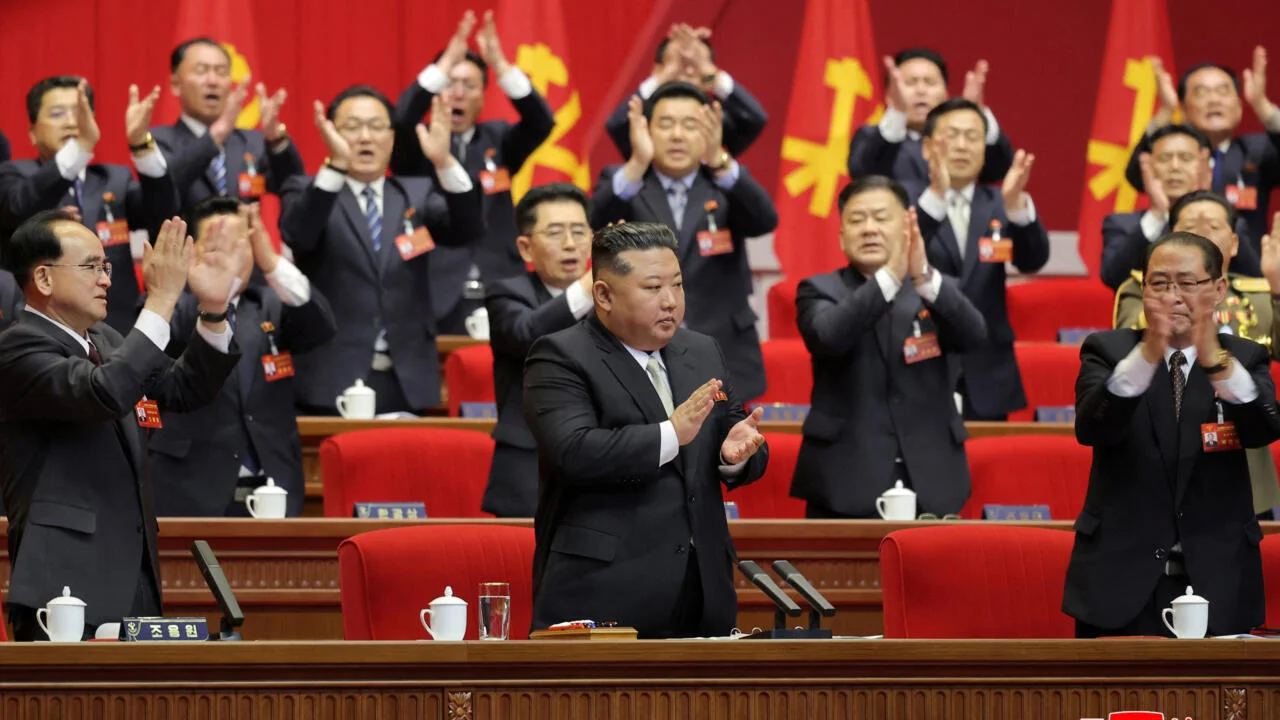
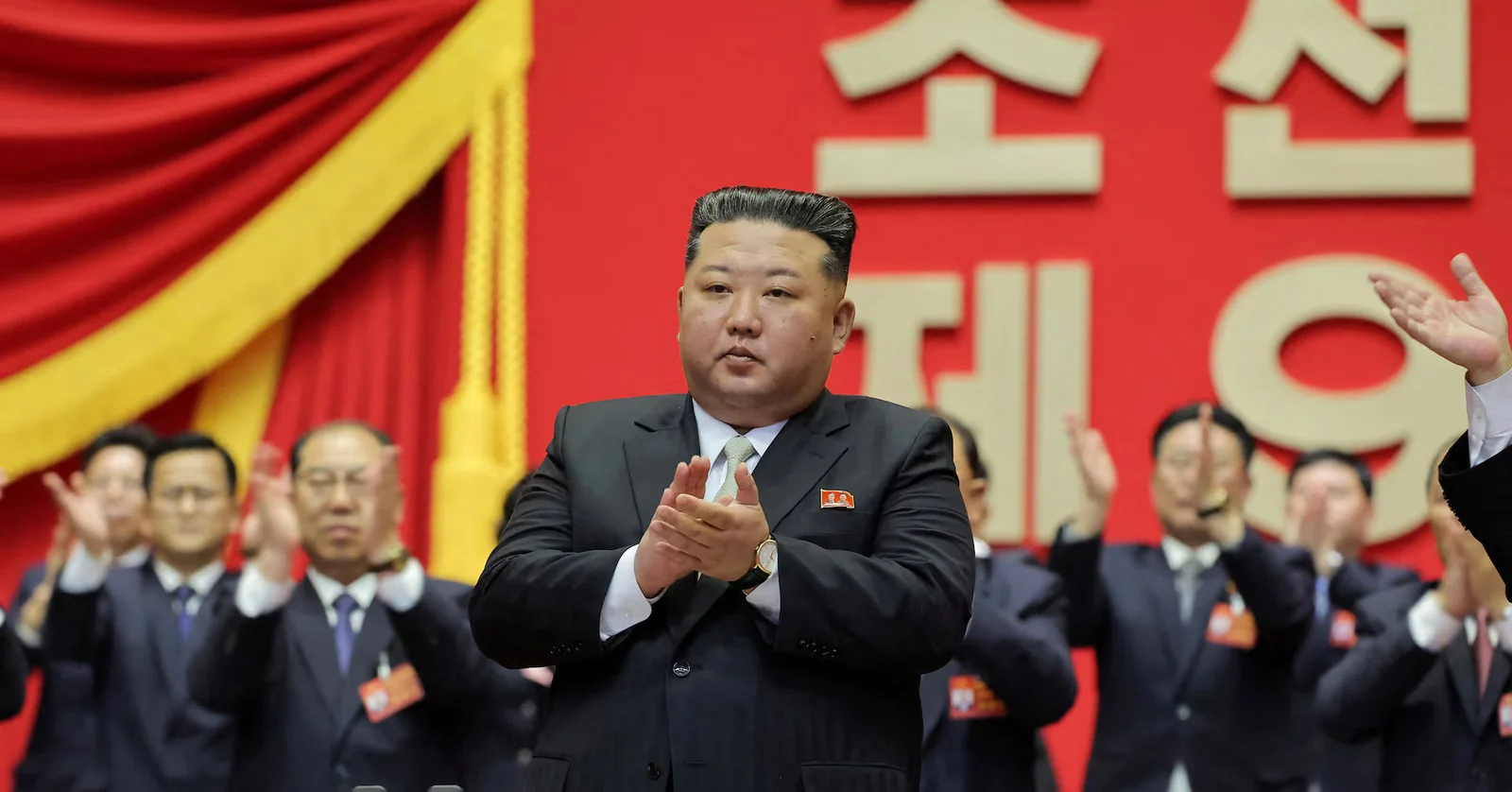
Kim Jong Un was re-elected general secretary of North Korea's ruling Workers’ Party at a rare congress, with delegates voting unanimously; KCNA said the country’s nuclear deterrence has been radically improved under his leadership, while Kim also pledged to boost living standards and push economic development.
North Korea's ruling Workers' Party re-elected Kim Jong Un as general secretary during its congress, praising him for boosting the country's prestige and strengthening its military with nuclear deterrence, while electing Central Committee members and revising party rules with details not disclosed.
Imran Khan's sons Kasim and Sulaiman, based in London, say their father’s health in a Pakistani jail is deteriorating and have applied for visas to visit him, though no approvals have come. Khan’s lawyers have alleged significant vision loss in his right eye, while a medical board said swelling eased and vision improved. The brothers, who last saw him in late 2022 after living in Britain, urge authorities to grant access to medical care, while Pakistan says procedures are underway and rejects neglect claims; the Supreme Court has asked for treatment details.
North Korea opened a new housing district for families of those killed in the Ukraine war, signaling a rare social-policy move by Pyongyang amid ongoing regional tensions.
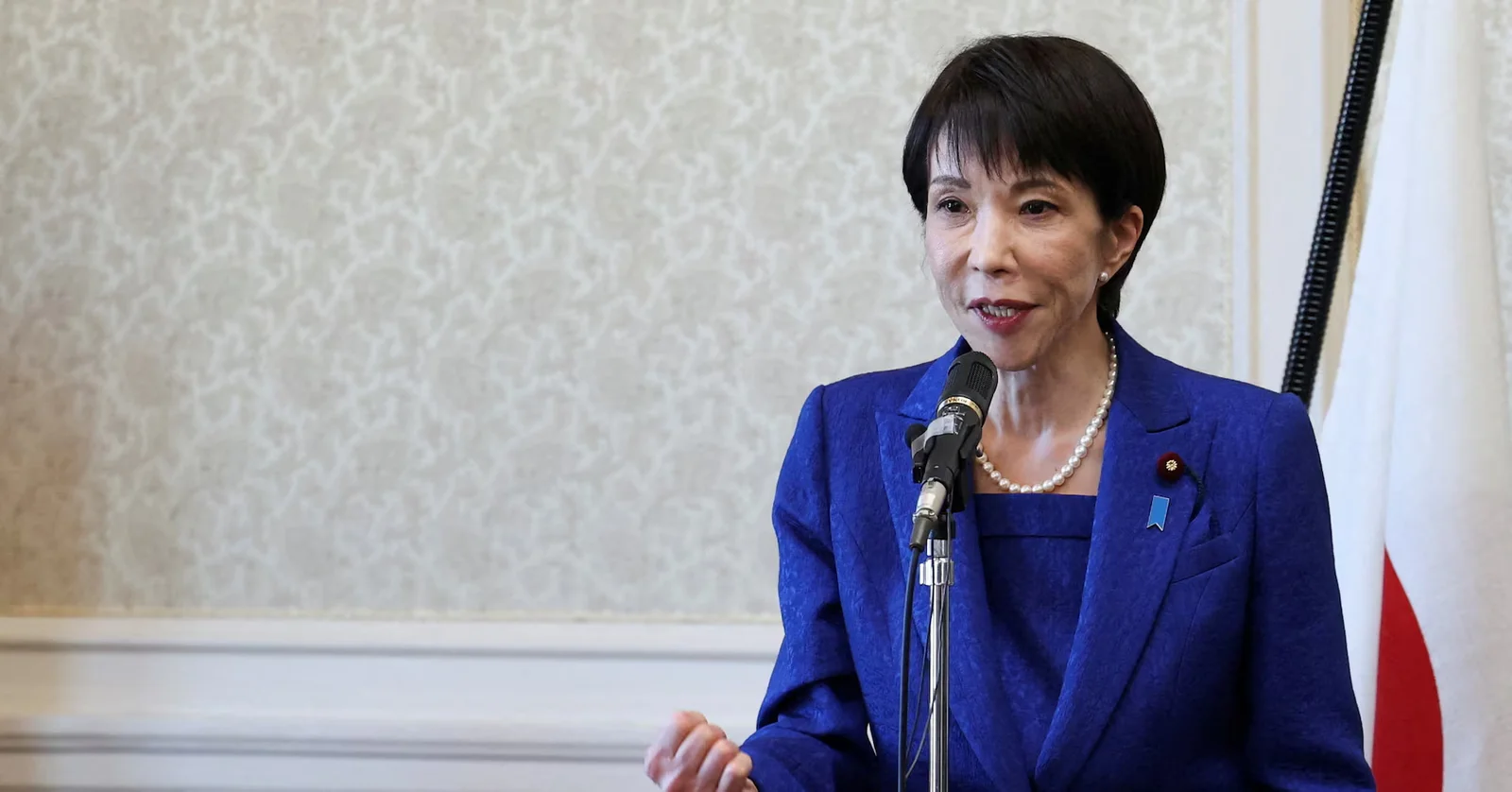
Hawkish Japanese Prime Minister Sanae Takaichi hopes for a big win as national elections open, a result that could bolster her security agenda and push for constitutional changes, signaling how Japan will approach defense and regional policy next year.
China’s 40‑day Spring Festival travel rush began on Monday ahead of an extended Lunar New Year holiday from February 15–23, the longest break in years. The government expects a record 9.5 billion passenger trips during the period, surpassing last year’s 9.02 billion, as consumers balance spending with economic caution. Domestic bookings are strong (Flight Master data shows about 4.13 million flights booked by mid‑January, up ~21% year‑over‑year), with outbound travel focused on Southeast Asia (Thailand among the top destinations) while routes to Japan have fallen by more than 40% after a recent spat. Internally, heritage towns like Huangshan, Jingdezhen, Quanzhou, Foshan, and Zigong are popular, and ticket prices can be volatile with early purchases advised.
The Philippines has grounded a passenger-ship operator's fleet after a deadly ferry sinking left at least 18 people dead, with authorities launching safety reviews and investigations into the incident.
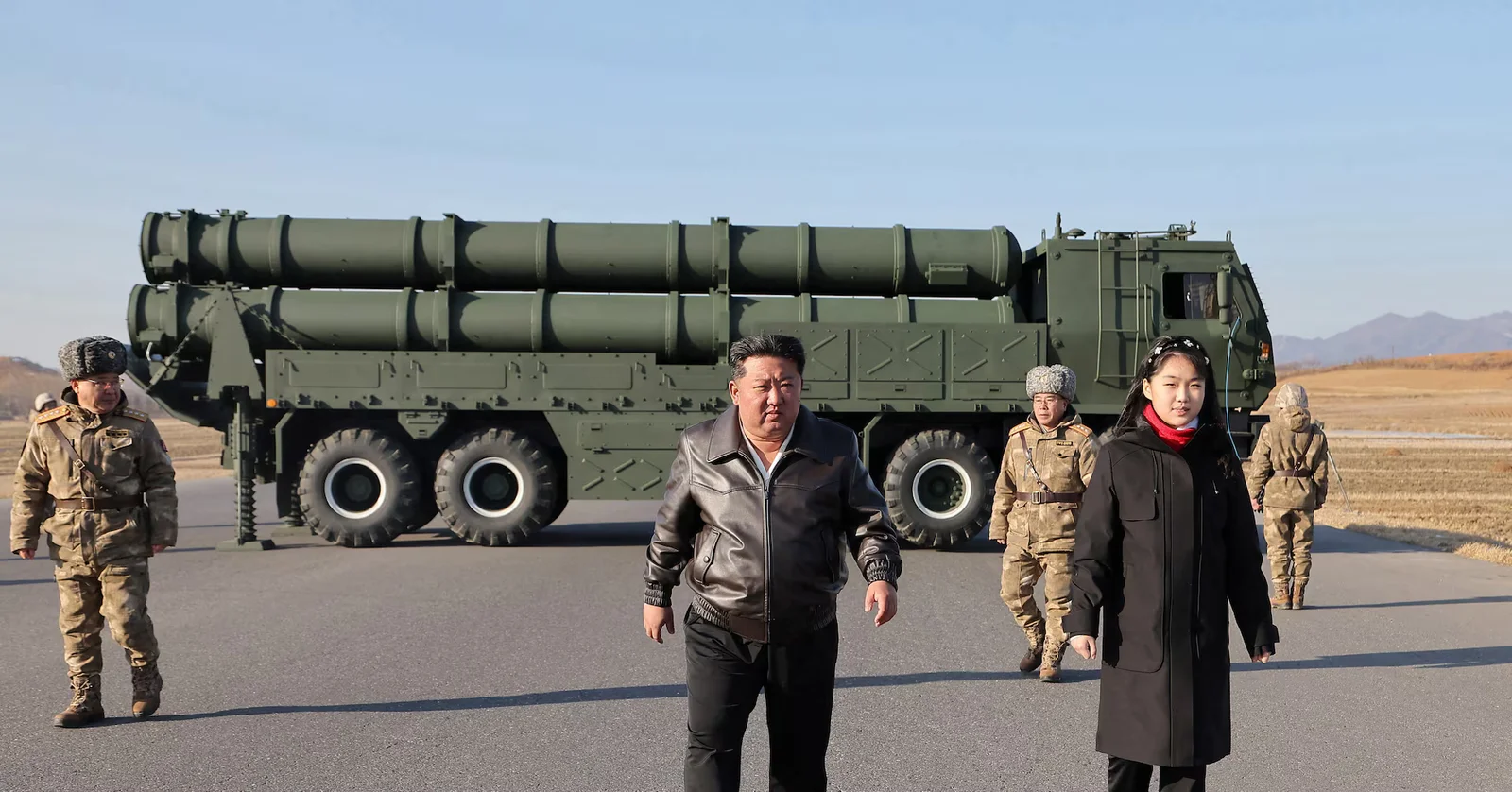
North Korea’s Kim Jong Un said the Workers’ Party congress will unveil next-stage plans to strengthen the country’s nuclear deterrent, following a test of a large-caliber rocket system; Seoul and Tokyo condemned the missiles as Pyongyang defies UN bans, with the congress date not yet announced.
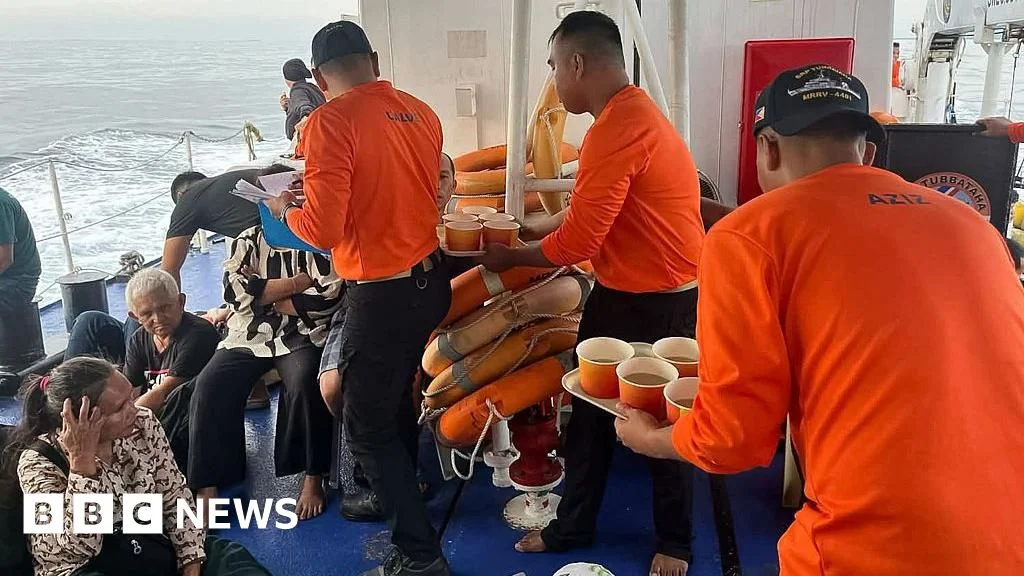
Eighteen people died and about 24 remain missing after the MV Trisha Kerstin 3 ferry, carrying more than 350 aboard, sank off the southern coast of the Philippines while en route from Mindanao to Jolo. Some 317 passengers and crew were rescued, and authorities are investigating the cause amid rough seas and concerns about maintenance and overloading, a recurring factor in Philippine ferry disasters.
Polls show Japanese Prime Minister Sanae Takaichi's approval slipping ahead of the February 8 snap election, with Nikkei at 67% (down from 75%), Kyodo 63% and Mainichi 57%. Analysts say concerns over her stimulus plan, debt-financed budget and perceived political opportunism have weakened the LDP's grip, especially after losing Komeito support, making the vote highly unpredictable and hinging on whether her personal popularity can translate into party strength.
Thousands marked Australia Day with Indigenous-led “Invasion Day” rallies calling for unity, land rights and accountability for police matters, while separate anti-immigration protests drew hundreds; Prime Minister Albanese urged unity as the nation debates the date amid high immigration and cost-of-living pressures, with public opinion split on keeping the traditional date.
The passenger ferry MV Trisha Kerstin 3 capsized early Monday in southern Philippines en route to Jolo from Zamboanga; at least 15 people died and 316 were rescued, with 28 still missing, as search-and-rescue operations – aided by military aircraft and ships – continue and authorities investigate the cause and cross-check passenger manifests amid ongoing maritime-safety concerns.
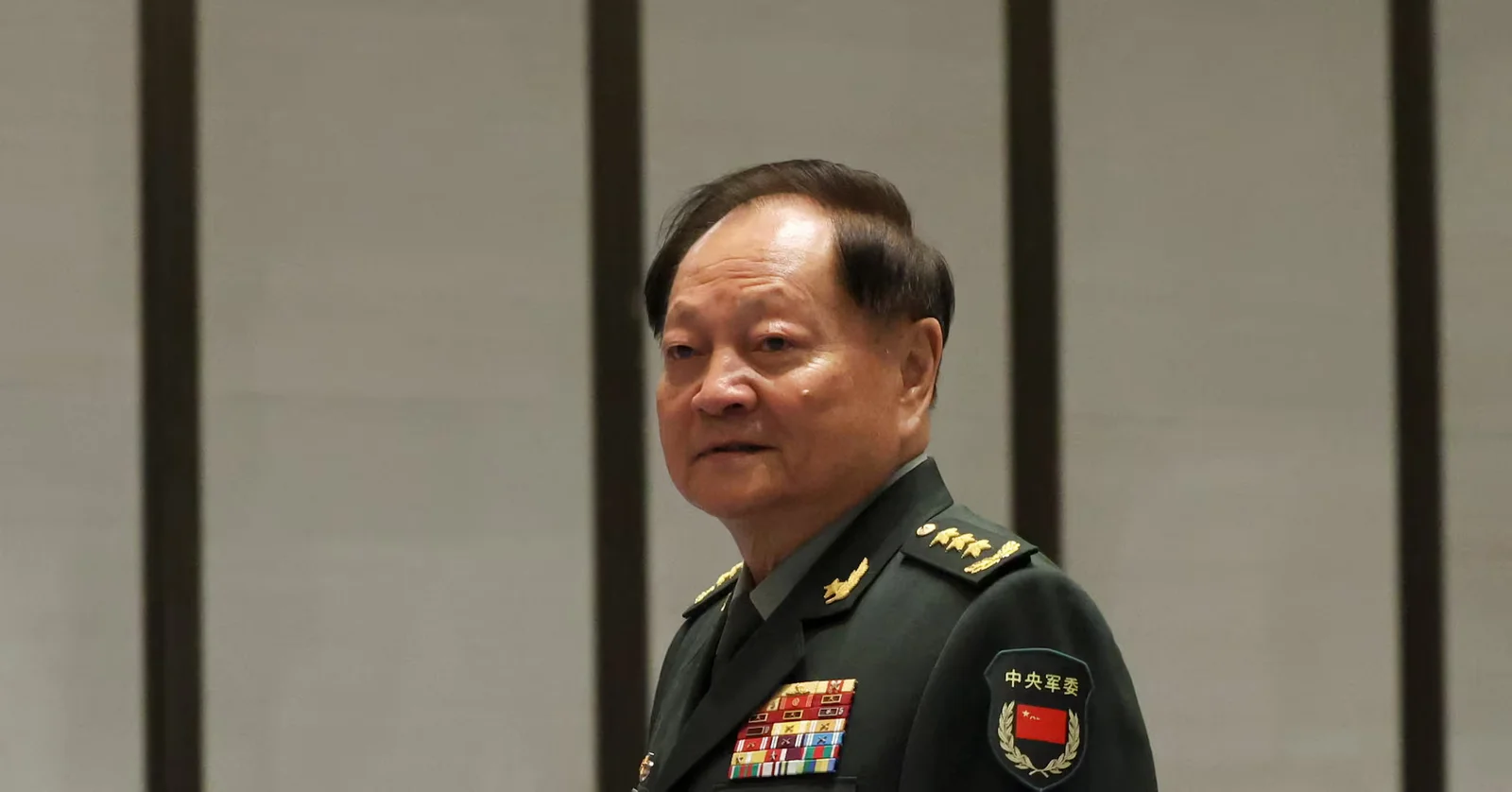
Taiwan’s defence minister said Taipei is closely monitoring what it calls abnormal changes at the top levels of China’s leadership after Zhang Youxia, a top Chinese general, and another officer were placed under investigation for suspected violations of discipline and law; Taiwan will use a range of intelligence methods to gauge Beijing’s intentions, stressing that China has not abandoned force against Taiwan.
South Korea's Kospi reached a record high in 2026, driven by strong performances in tech stocks like Samsung Electronics, amid mixed regional markets and positive economic data from Singapore, while US futures indicated a cautious optimism for the new year.
Asia-Pacific markets traded mixed in the final week of 2025, with Japan's Nikkei down, South Korea's Kospi up, and Hong Kong's Hang Seng rising. Silver prices hit a record high before pulling back, driven by supply tightness and demand. U.S. markets showed slight declines but overall weekly gains, with the S&P 500 reaching new highs, reflecting cautious optimism heading into the new year.