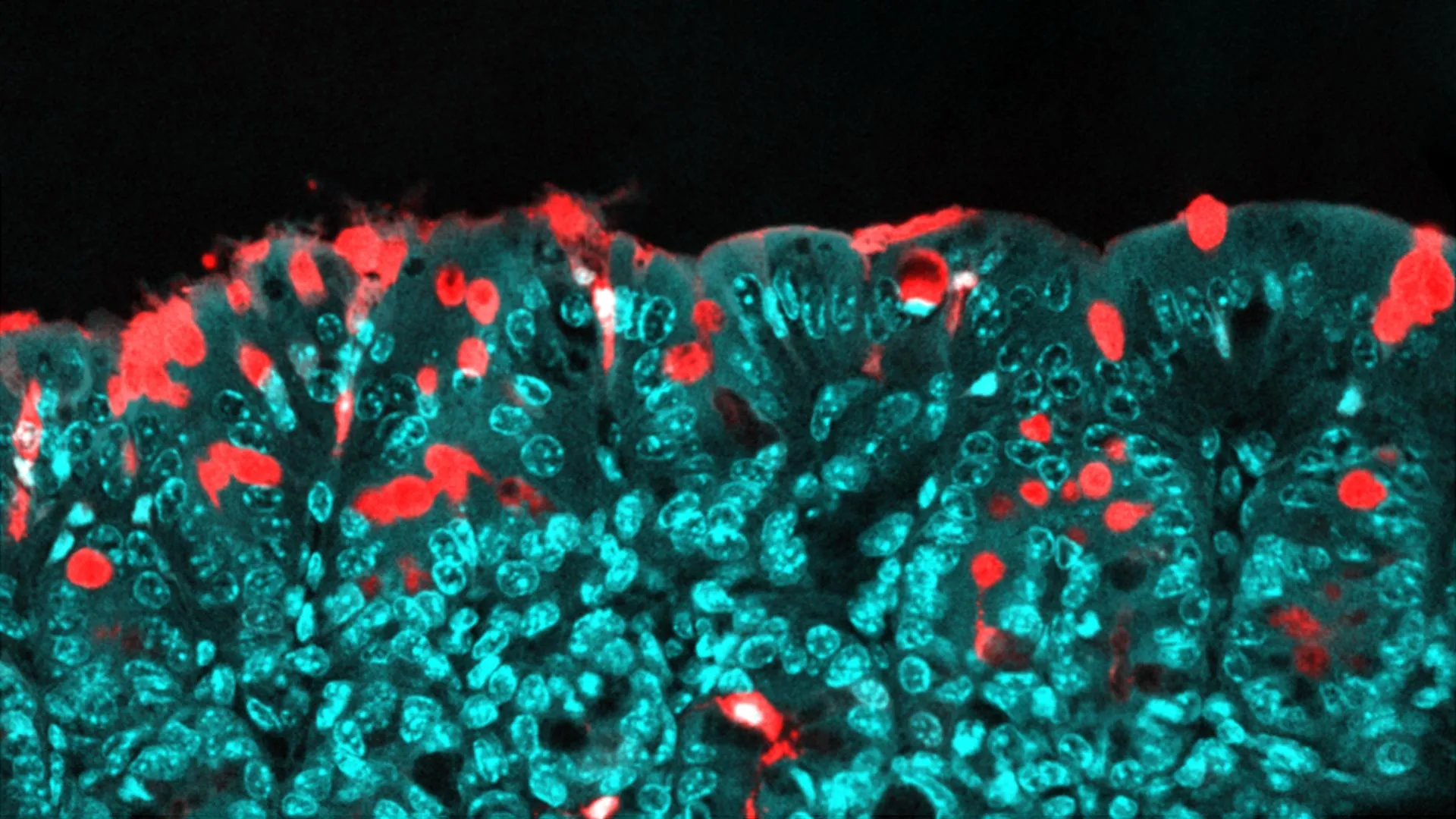
Research shows that maternal consumption of common food additives called emulsifiers can negatively impact the gut microbiota of offspring, leading to increased risks of inflammatory bowel conditions and obesity later in life, highlighting the need for further human studies and regulation of food additives in products like baby formula.
A new study suggests that common food additives, particularly emulsifiers found in ultra-processed foods, may be linked to an increased risk of certain cancers, such as breast and prostate cancer. The research, based on a large cohort study in France, found that higher dietary intake of certain emulsifiers was associated with a 15% higher risk of developing cancer, with specific emulsifiers showing even higher risks for breast and prostate cancer. While the study highlights a potential correlation, further research is needed to establish causation and potentially re-evaluate regulations around the use of additives in the food industry.
Nutritionists advise avoiding certain ingredients commonly found in packaged foods, including emulsifiers like carrageenan and guar gum, which can negatively impact gut health and promote inflammation; high-fructose corn syrup, which can contribute to digestive issues and inflammatory bowel diseases; partially hydrogenated oils and trans fats, linked to heart disease and inflammation; potassium chloride, which can cause heart arrhythmias in large quantities; and saturated fats, found in meats, dairy products, and palm oil, which can elevate bad cholesterol and increase the risk of cardiovascular diseases. Additionally, it's important to be mindful of sodium levels in processed foods, as excessive sodium intake can raise blood pressure and pose risks for those with hypertension or kidney disease.
A prospective cohort study published in BMJ examined the relationship between the intake of food emulsifiers and the risk of cardiovascular disease (CVD). The study analyzed data from participants in the NutriNet-Santé trial and found that increased consumption of certain food emulsifiers, such as celluloses and fatty acid monoglyceride and diglyceride compounds, was associated with higher risks of CVD and coronary artery disease. Specific emulsifiers, including E460 cellulose and citric acid esters of fatty acid monoglycerides and diglycerides, were also linked to increased CVD risks. These findings suggest that the consumption of food emulsifiers commonly used in processed foods may have detrimental effects on heart health.
A study published in The BMJ suggests that a high intake of emulsifiers, commonly used in processed foods to improve texture and extend shelf-life, is associated with an increased risk of cardiovascular disease (CVD). Emulsifiers such as celluloses, mono- and diglycerides of fatty acids, and modified starches are widely used in products like pastries, ice cream, bread, and ready meals. The study, conducted on over 95,000 French adults, found that higher intake of certain emulsifiers was positively associated with higher risks of CVD and coronary heart disease. The researchers recommend further studies to replicate these findings and suggest limiting the consumption of ultra-processed foods as a way to reduce exposure to these additives.
Consuming emulsifiers, commonly found in ultra-processed foods, during pregnancy or breastfeeding may lead to mild metabolic, cognitive, and psychological impairments in offspring, according to a study conducted on mice. The research highlights the impact of emulsifier consumption on the development of neural circuits in the hypothalamus, which plays a crucial role in metabolism. The study emphasizes the need for increased awareness among mothers about the potential risks associated with consuming ultra-processed foods, including certain vegetarian and vegan products that contain emulsifiers. Further research is required to fully understand the effects of emulsifier consumption on offspring health.
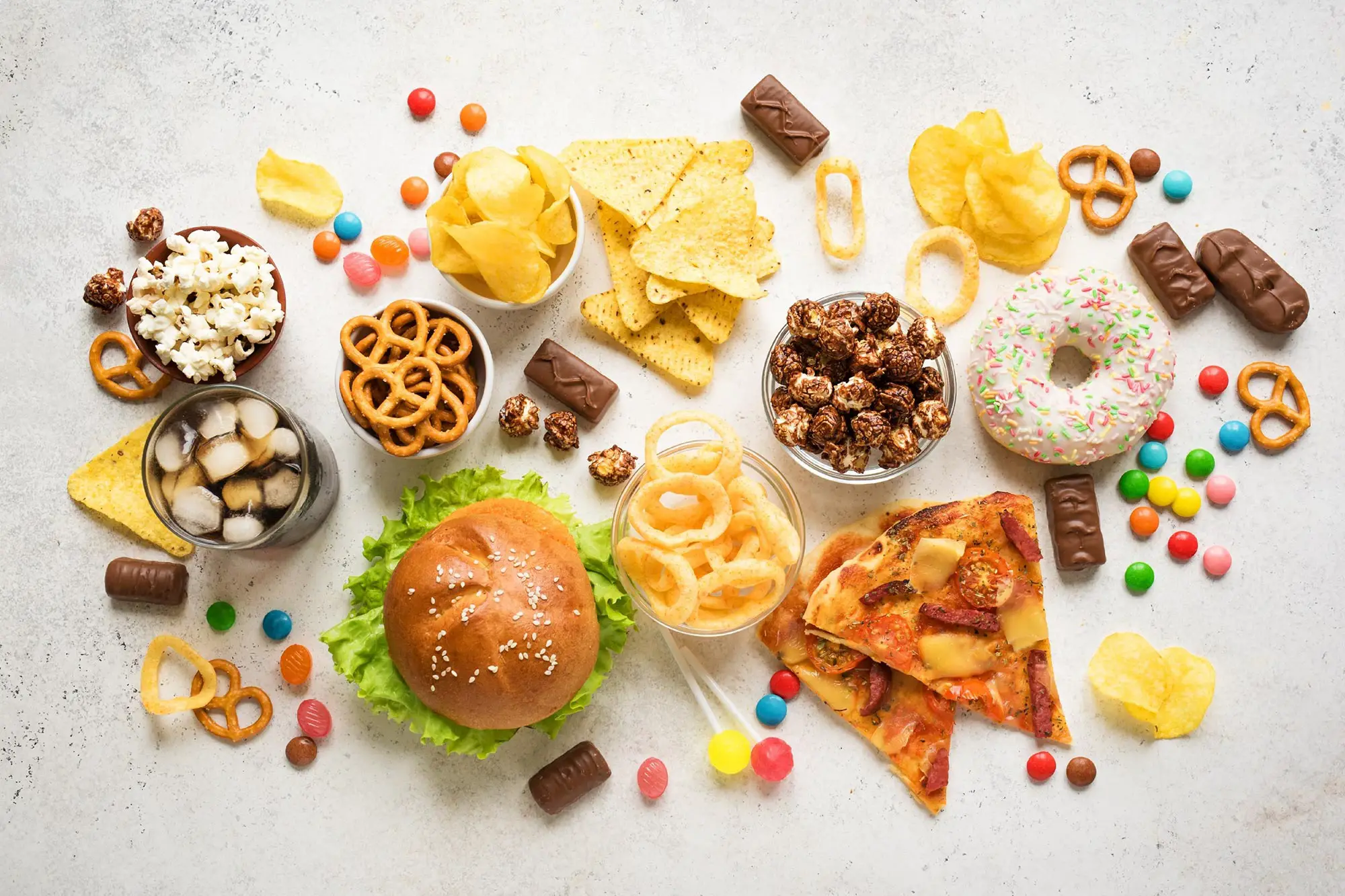
Ultra-processed foods (UPF) are a group of foods made with varying levels of industrial processing, and are among the most profitable foods companies can make. Recent studies have linked higher consumption of UPF to an increased risk of developing cancer, heart disease, strokes, and dementia. Emulsifiers, which act as a glue in UPF to hold everything together, have been found to be concerning in early research, with significant associations observed between emulsifier intake and increased risk of cancer overall and breast cancer notably, but further research is needed. The food industry has been known to fund research, sponsor experts, and disparage existing studies to prevent regulation.