Scientists at Scripps Research identified a brain region in the thalamus that becomes more active during alcohol dependence, especially in relieving withdrawal symptoms, highlighting a biological basis for addiction and potential targets for new treatments.
Scientists from the UK and US have discovered that pancreatic cancer can shut down molecules in the HNF4A gene, aiding its rapid growth and spread. This breakthrough, published in Gastro Hep Advances, offers hope for developing new treatments for one of the deadliest cancers, which has the lowest survival rates among common cancers. The research highlights the importance of understanding the disease's mechanisms to improve patient outcomes.
Researchers from the University of New Hampshire may have identified the cause of a mysterious respiratory illness that has affected dogs in California and other states. Using genetic sequencing, they discovered a bacterium that may be "host adapted" and part of the dog microbiome. The illness is resistant to antibiotics and other therapies, making it difficult to treat. Identifying the bacterium could lead to the development of effective treatments. The illness starts with a persistent cough and can progress rapidly to pneumonia and death. Further research is needed to confirm the discovery, but early findings are promising.
A recent study published in Psychopharmacology has examined the impact of lithium on emotion regulation, a core psychological process often impaired in bipolar disorder. The study found that lithium administration led to altered brain activation patterns during emotion regulation tasks, with decreased activation in prefrontal areas and increased connectivity between certain brain regions. These findings provide valuable insights into the effects of lithium on the brain and may contribute to the development of more effective treatments for bipolar disorder. However, further research is needed to validate these results in patients with bipolar disorder.
Researchers at Lund University have discovered that the presence of a brain fold called the paracingulate sulcus may delay the onset of symptoms in individuals with frontotemporal dementia. The study found that participants with this extra fold on the right side of their brain experienced symptoms on average two and a half years later than those without it. However, once symptoms began, patients with the fold deteriorated at a faster rate and had a shorter survival time. The findings suggest that the paracingulate sulcus operates as a protective mechanism, delaying symptoms before the disease progresses rapidly. Further research could lead to the development of treatments to preserve this protective quality and potentially slow down the progression of frontotemporal dementia.
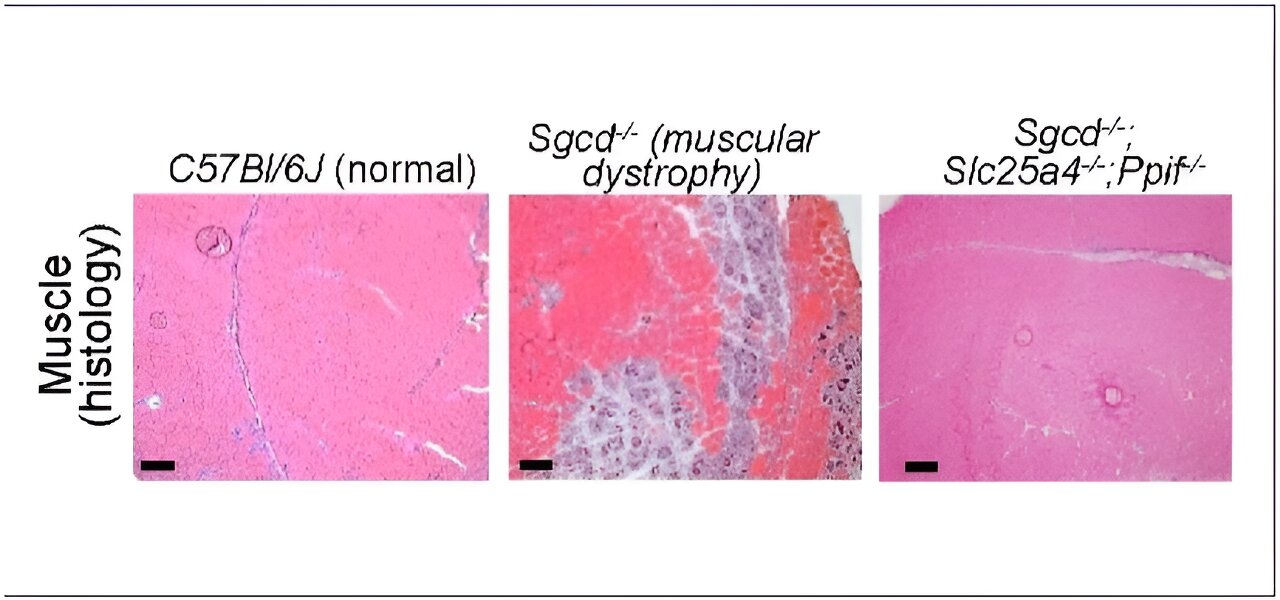
Scientists at Cincinnati Children's have discovered a potential new approach to managing muscular dystrophy (MD) by targeting the mitochondrial permeability pore. By preventing the pore from functioning, the researchers observed a significant reduction in muscle-wasting symptoms in mouse models of MD. The protection lasted for up to one year of life in mice, which translates to about 40 years in humans. However, further research is needed to develop a safe and effective treatment for MD in humans. The study highlights the role of mitochondria in muscle cell function and suggests a previously unrecognized pathway for treating MD and other necrotic diseases.
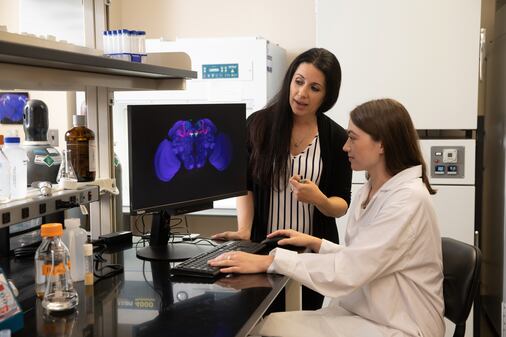
Research on alcohol addiction is turning to fruit flies as a model to better understand how alcohol affects the brain at the individual neuron level. With 87 billion neurons in the human brain, studying the effects of alcohol on each neuron is impossible. Fruit flies, with their 100,000 neurons, offer a more manageable model. By vaporizing the flies with alcohol, researchers observe changes in their behavior and preferences, similar to humans. The goal is to uncover general principles of how circuits in the brain are disrupted by alcohol and use that knowledge to develop more effective treatments for alcohol use disorder.