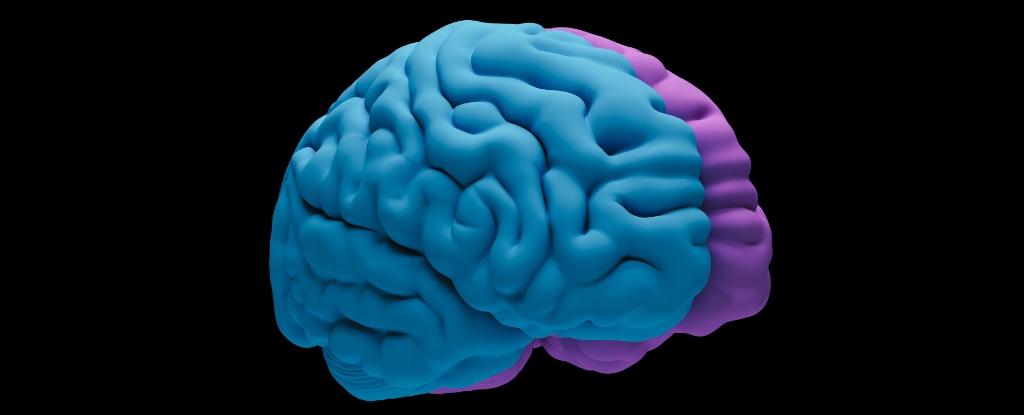
A study from UC Berkeley reveals that the complexity of brain wrinkles, especially tertiary sulci, is linked to neural connectivity and reasoning abilities, suggesting these structures are crucial for cognitive function and could aid in assessing brain development and neurological disorders.
Recent research conducted by Lund University suggests that the presence of a brain fold called the paracingulate sulcus may delay the onset of symptoms in individuals with frontotemporal dementia. The study found that participants with this extra fold on the right side of their brain experienced symptoms on average two and a half years later than those without it. However, once symptoms began, patients with the fold deteriorated at a faster rate and had a shorter survival time. The discovery of this protective structure in the brain could potentially lead to the development of treatments to delay the progression of frontotemporal dementia.
Researchers at Lund University have discovered that the presence of a brain fold called the paracingulate sulcus may delay the onset of symptoms in individuals with frontotemporal dementia. The study found that participants with this extra fold on the right side of their brain experienced symptoms on average two and a half years later than those without it. However, once symptoms began, patients with the fold deteriorated at a faster rate and had a shorter survival time. The findings suggest that the paracingulate sulcus operates as a protective mechanism, delaying symptoms before the disease progresses rapidly. Further research could lead to the development of treatments to preserve this protective quality and potentially slow down the progression of frontotemporal dementia.