A UC San Diego study found that GLP-1 receptor agonists, used for diabetes and weight management, are associated with significantly lower five-year mortality in colon cancer patients, especially those with high BMI, suggesting potential anti-cancer benefits that warrant further clinical trials.
Over the past 40 years, breast cancer treatment has significantly improved, leading to higher survival rates and lower death rates, largely due to earlier detection and advances in therapies.
Gastrointestinal cancers, including colorectal, stomach, and pancreatic cancers, are increasing rapidly among people under 50, with lifestyle factors like obesity and diet possibly contributing. The review emphasizes the importance of screening and early detection, especially since younger patients often have worse outcomes, potentially due to more aggressive cancers or delayed diagnoses.
A study found that the anti-nausea drug aprepitant is associated with improved survival and reduced recurrence in women with early-stage breast cancer, especially in those with the aggressive triple-negative subtype, suggesting potential for broader use during chemotherapy.
A study published in JAMA Open Network found that while immunotherapy improves survival rates for advanced-stage cancer patients across all insurance types, uninsured patients see significantly less benefit, highlighting disparities in access to life-extending treatments.
Childhood leukemia, once nearly always fatal before the 1970s, has become highly treatable with survival rates in North America and Europe now exceeding 85%, thanks to advances in chemotherapy, targeted drugs, immunotherapy, supportive care, and international collaboration in research.
Many women are unaware of the symptoms of womb cancer, which is often diagnosed late due to lack of awareness, leading to low survival rates. Key signs include abnormal vaginal bleeding and other symptoms like abdominal pain and bloating. Early detection is crucial for better outcomes, but many women mistakenly believe smear tests can detect this cancer. Raising awareness and prompt medical consultation can save lives.
A large international study found that structured exercise programs can reduce colon cancer mortality by 37% and recurrence by 28%, emphasizing the importance of moderate physical activity for cancer survivors, while also noting potential risks of extreme endurance training such as increased polyp formation. The research highlights the benefits of personalized exercise routines supported by regular coaching, and reinforces the role of movement in cancer prevention and health.
A groundbreaking international study found that a three-year exercise program significantly improved survival and reduced cancer spread in colon cancer patients, with benefits comparable to some medications, suggesting exercise should be a standard part of post-treatment care.
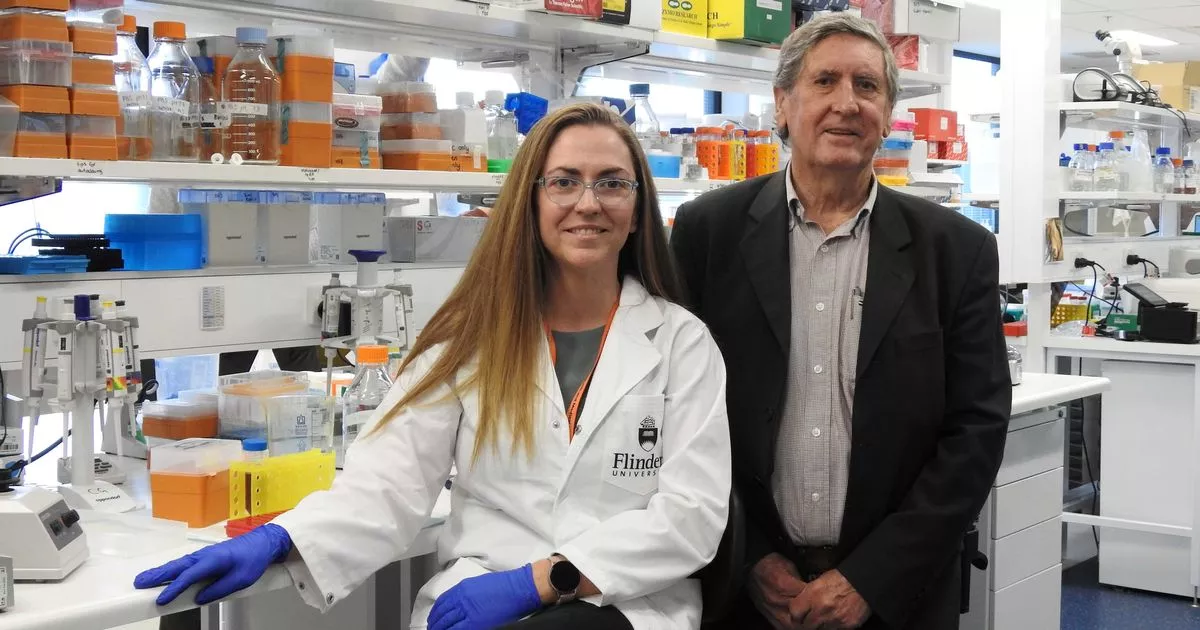
Steve Pendry, diagnosed with pancreatic cancer after mistaking symptoms for indigestion, marks 10 years of survival and advocates for early detection. Despite pancreatic cancer's low survival rate, Steve's experience highlights the importance of awareness and research into reliable blood tests like CA 19-9. He collaborates with Flinders University to improve early screening methods, aiming to increase survival chances for others. Pancreatic cancer, often symptomless in early stages, is projected to become a leading cause of cancer deaths in Europe and the US.
The American Lung Association's "State of Lung Cancer" report highlights that Washington D.C. ranks fourth in the U.S. for lung cancer screening, contributing to a 26% improvement in survival rates over the past five years. Despite these advancements, disparities persist, with Black residents less likely to undergo surgery compared to white residents. The report calls for improved access to advanced diagnostic tools and comprehensive insurance coverage to further enhance early detection and treatment outcomes.
Scientists from the UK and US have discovered that pancreatic cancer can shut down molecules in the HNF4A gene, aiding its rapid growth and spread. This breakthrough, published in Gastro Hep Advances, offers hope for developing new treatments for one of the deadliest cancers, which has the lowest survival rates among common cancers. The research highlights the importance of understanding the disease's mechanisms to improve patient outcomes.
The UK's cancer care system is facing challenges with long waiting lists and high numbers of people presenting with symptoms, leading to deadly delays in care, as highlighted by the case of 37-year-old Nathaniel Dye who has stage 4 bowel cancer. While survival rates are at an all-time high, early detection and treatment are crucial, and the NHS is struggling to keep up with the demand for cancer care.
Country music star Toby Keith has passed away at 62 after a battle with stomach cancer, which he had been diagnosed with in 2022. Stomach cancer, also known as gastric cancer, often starts with subtle symptoms such as indigestion and stomach discomfort, and can progress to more severe signs like unexplained weight loss and vomiting. Treatment options include surgery, chemotherapy, targeted drug therapy, immunotherapy, and radiation therapy, with survival rates varying depending on the cancer's stage and spread.
Early diagnosis of cancer is leading to improved outcomes, with some forms of the disease showing near-total survival at five years, according to a report from the National Cancer Registry. Cancers affecting the skin, uterus, and prostate that are detected early have five-year survival rates of up to 100%. Population screening programs for breast, bowel, and cervical cancers also contribute to high survival rates when detected early. However, late presentation remains common for cancers affecting the head and neck, pancreas, and lung. Older individuals experience higher cancer incidence and lower survival rates compared to other age groups. The report also suggests that the negative impact of the Covid-19 pandemic on cancer services may be diminishing, with diagnoses returning to expected levels.