Tag

Trans Neptunian Objects

All articles tagged with #trans neptunian objects

science5 months ago

Scientists Search for Hidden Massive Object at Solar System's Edge

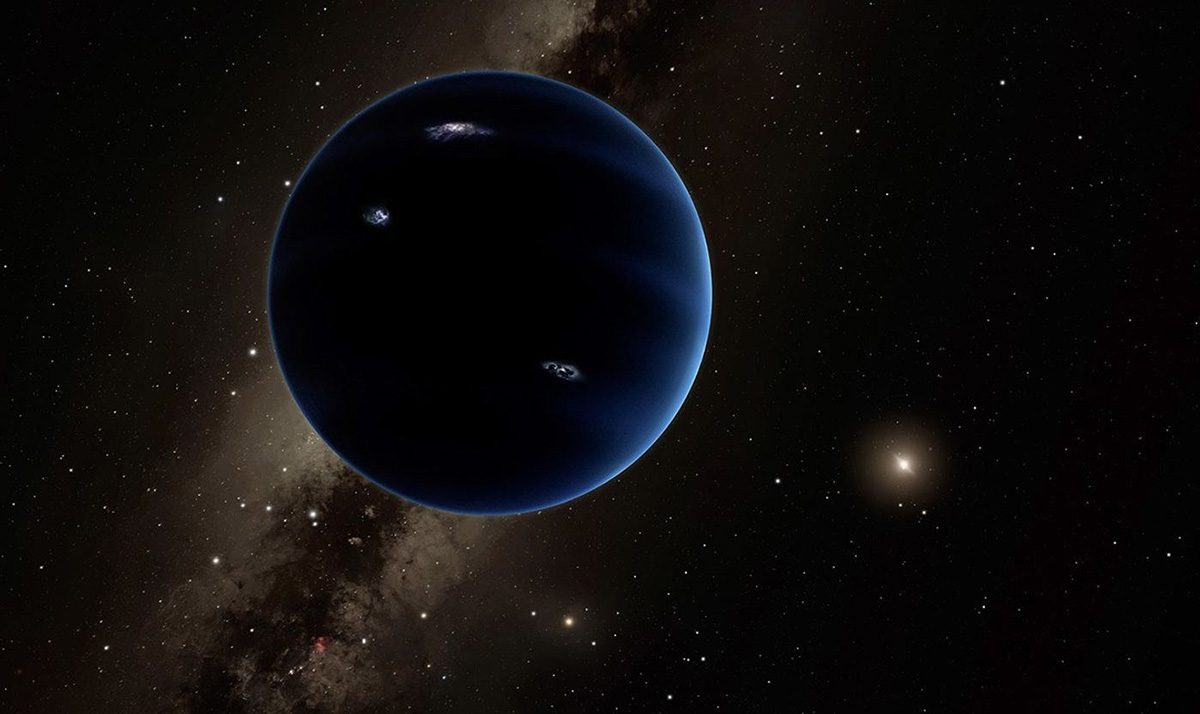
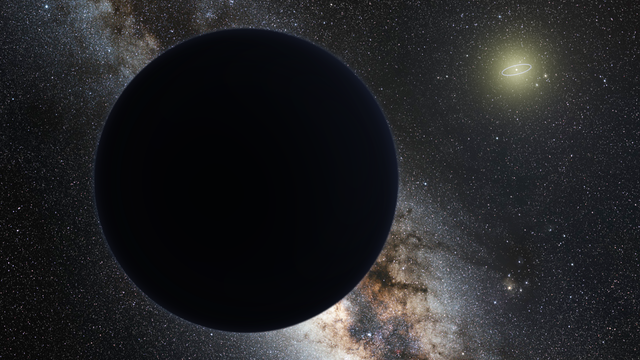
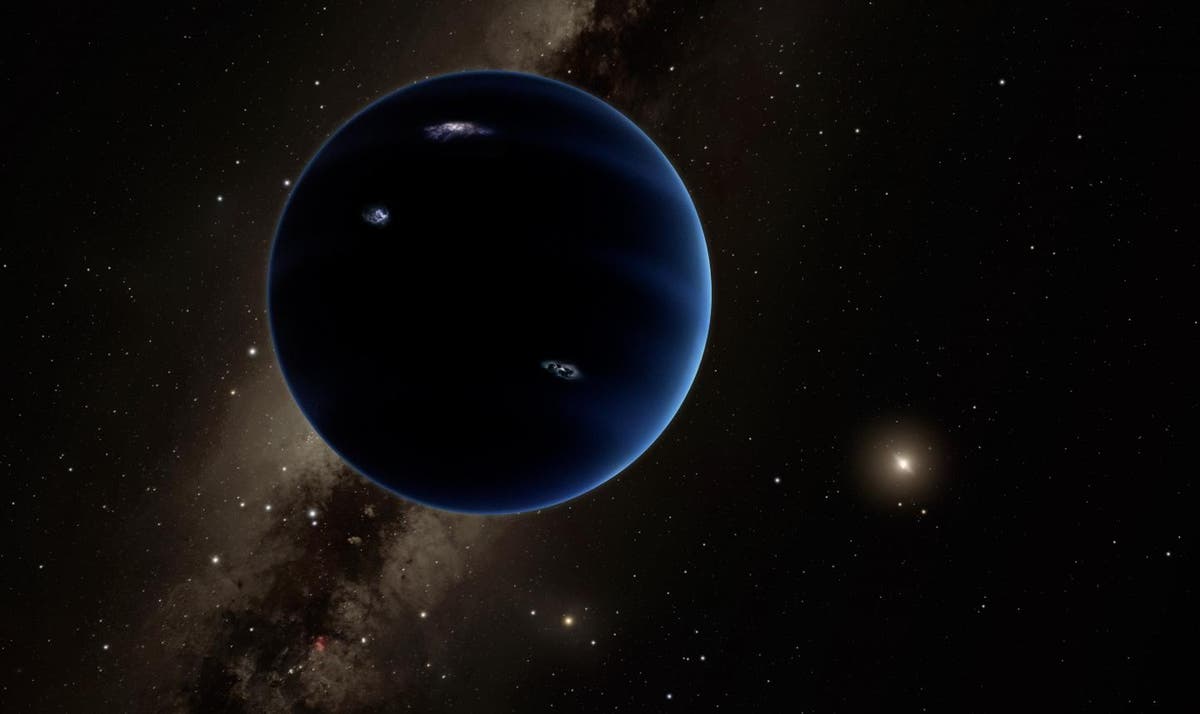
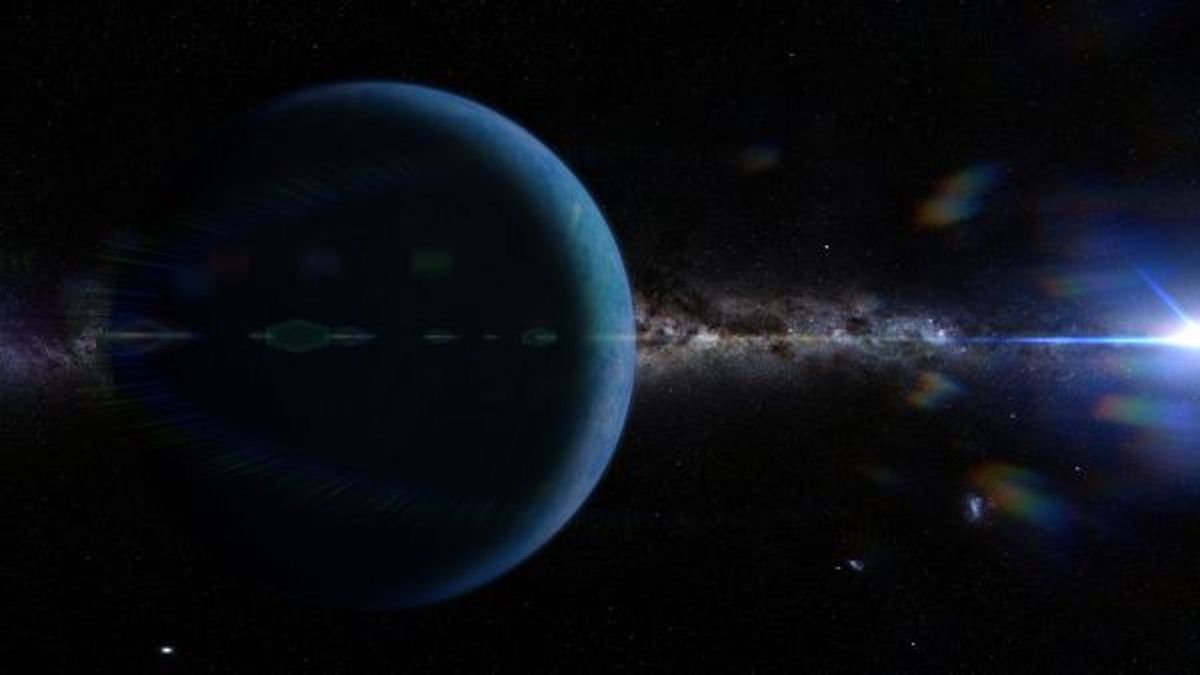
Scientists continue to investigate the possibility of a massive undiscovered planet, 'Planet Nine', influencing the orbits of distant objects in the Kuiper Belt, though recent discoveries and limited observational data make its existence uncertain. The search relies on telescopic observations, as space travel to the outer solar system would take over a century.

space-exploration1 year ago

Webb Telescope Unveils CO2 and CO Ices Beyond Neptune

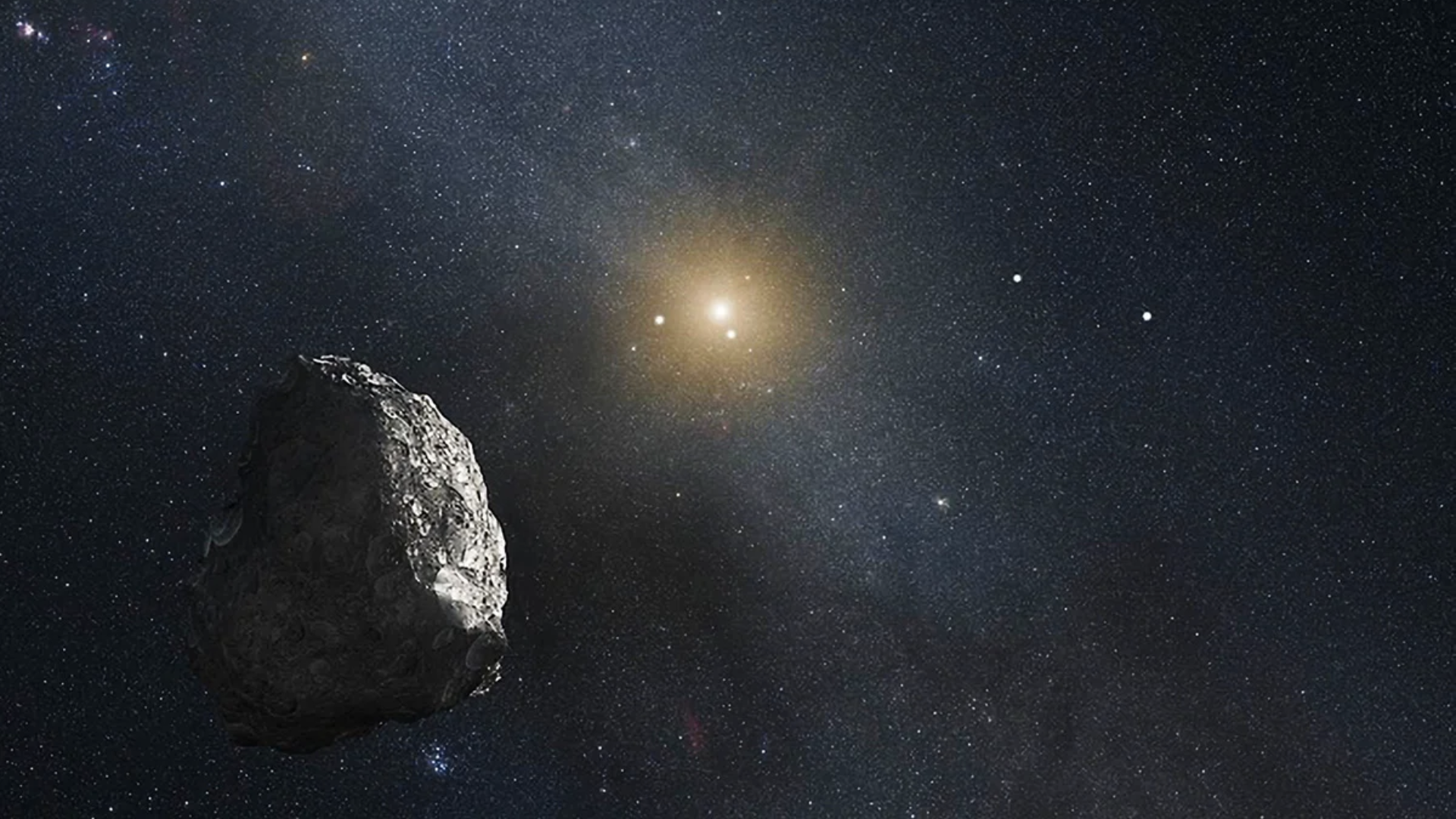
Scientists using the James Webb Space Telescope have detected carbon dioxide and carbon monoxide ices on trans-Neptunian objects for the first time, revealing new insights into the formation and migration of celestial bodies in our solar system. The study, led by researchers from the University of Central Florida, found CO2 in 56 out of 59 observed objects, suggesting these ices are more widespread than previously thought. This discovery could significantly enhance our understanding of the early solar system's composition and the evolution of these distant objects.

astronomy1 year ago

"Discovery of Unknown Planet in Our Solar System Confirmed by Scientists"

Scientists have found new evidence supporting the existence of a hidden ninth planet in our solar system, known as Planet Nine. By studying the movements of trans-Neptunian objects, researchers have concluded that the best explanation for their behavior is the presence of an undiscovered planet. The upcoming Vera C Rubin Observatory in Chile is expected to provide further insights into the mysteries of our solar system's outer reaches.

space1 year ago

"James Webb Space Telescope Reveals Neptune's Icy History and Potential for Life Beyond"

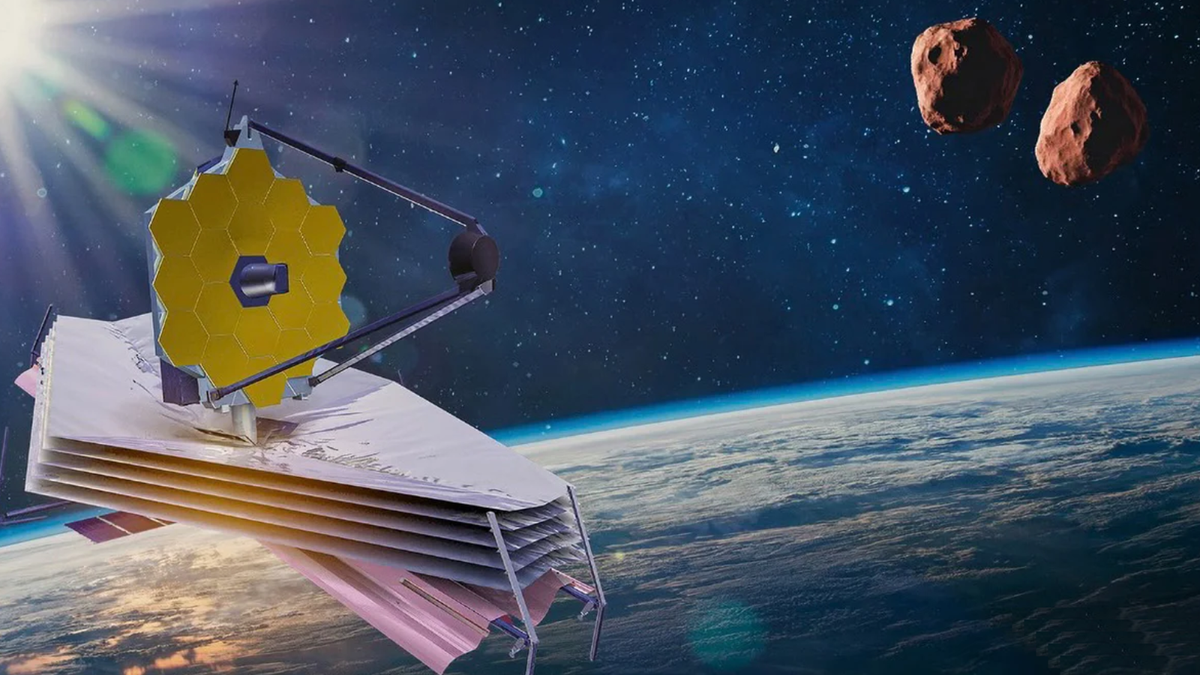
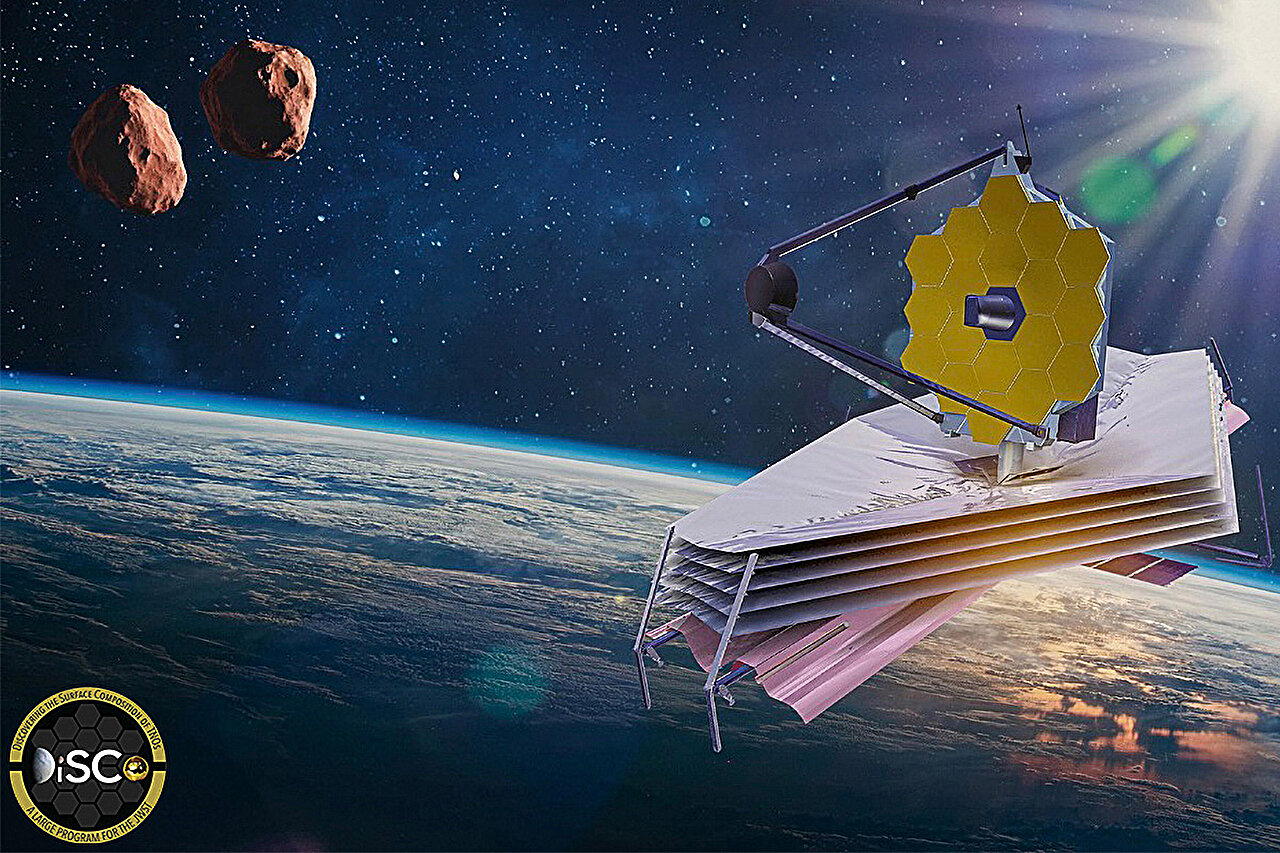
The James Webb Space Telescope has used its unprecedented spectral observation capabilities to study a pair of icy asteroids at the edge of the solar system, providing insights into the evolution of Neptune and the Kuiper Belt. This research represents the first time the surface composition of a small, binary pair of Trans-Neptunian Objects (TNOs) has been investigated, shedding light on the chemical compositions of these distant objects and their potential role in the distribution of molecules that gave birth to planets and life on Earth. The findings could also help track down how Neptune has migrated to reach its current orbit, and the team believes that the JWST will deliver even more information about objects in the Kuiper Belt and beyond Neptune in the future.

astronomy1 year ago

"Uncovering Neptune's Evolution with the James Webb Space Telescope"

Scientists have used the James Webb Space Telescope to analyze the surface compositions of a binary duo of icy asteroids, Mors-Somnus, for the first time, shedding light on the evolution of Neptune and other objects in the outer solar system. The study, part of the DiSCo-TNOs program, provides insights into the dynamical history of Neptune and trans-Neptunian objects, offering clues about Neptune's migration and settlement into its final orbit. The findings also contribute to our understanding of the formation and composition of small celestial bodies beyond Neptune, providing valuable information about the origins of the planets, moons, and small bodies in our solar system.

astronomy2 years ago

Exploring the Kuiper Belt: JWST's Observations of Sedna, Gonggong, and Quaoar

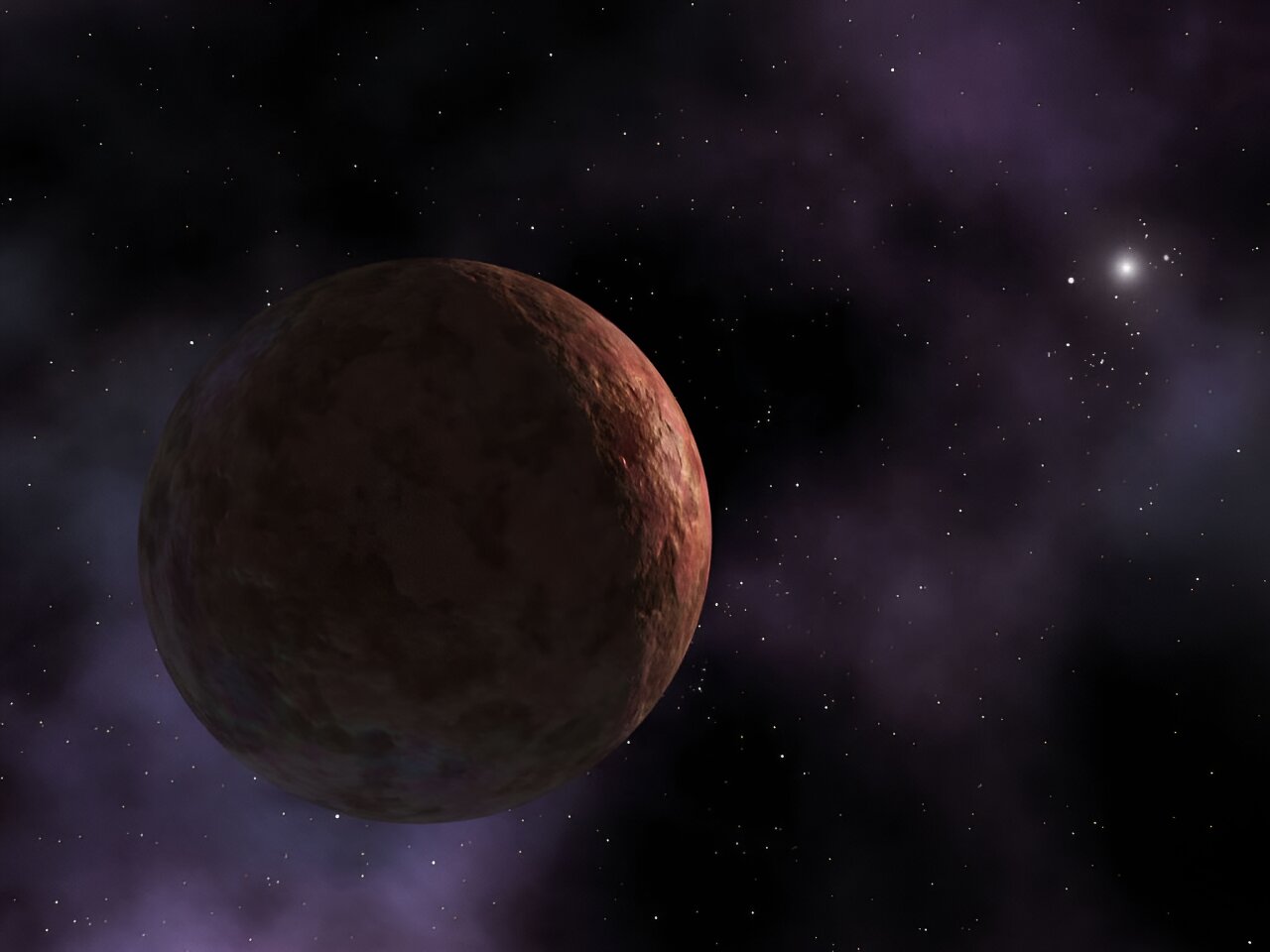
The James Webb Space Telescope (JWST) has observed three dwarf planets in the Kuiper Belt - Sedna, Gonggong, and Quaoar - using its Near-Infrared Spectrometer (NIRSpec). The observations revealed interesting information about their orbits and composition, including the presence of light hydrocarbons and complex organic molecules believed to be the result of methane irradiation. These findings provide insights into the history and evolution of objects in the outer solar system and highlight the capabilities of the JWST in studying our cosmic neighborhood.

astronomy2 years ago

Exploring the Kuiper Belt: JWST's Observations of Sedna, Gonggong, and Quaoar

The James Webb Space Telescope (JWST) has observed three dwarf planets in the Kuiper Belt - Sedna, Gonggong, and Quaoar - using its Near-Infrared Spectrometer (NIRSpec). The observations revealed interesting information about their orbits and composition, including the presence of light hydrocarbons and complex organic molecules believed to be the result of methane irradiation. These findings provide insights into the formation and evolution of objects in the outer Solar System and demonstrate the capabilities of the JWST in studying our cosmic neighborhood.

astronomy2 years ago

Scientists Uncover Hidden Earth-Like Planet in Our Solar System

Scientists suggest the existence of an undiscovered Earth-like planet in the outer solar system based on the peculiar orbits of objects in the Kuiper Belt. Computer simulations indicate that this hypothetical planet would be around 1.5-3 times the mass of Earth and located 250-500 Earth-sun distances from the sun, with an inclined orbit of 30° to the plane of the solar system. The discovery of such a planet would have profound implications for planetary science and could revolutionize our understanding of the solar system's formation.

science-and-astronomy2 years ago

Unraveling the Enigma: The Mysterious Influence of a Distant 'Planet Nine'

New research suggests that an Earth-sized planet, dubbed "Planet Nine," may exist in the outer solar system within the Kuiper Belt, beyond Neptune. Astronomers have struggled to explain the behavior of trans-Neptunian objects (TNOs), such as their detached orbits, high inclinations, and extreme orbits. The presence of a massive planet in the outer solar system could explain these observations. While there is no concrete evidence yet, researchers are developing models and planning an observational campaign to search for this hypothetical planet.