As Neptune moves into Aries on January 26, 2026, five signs—Gemini, Cancer, Sagittarius, Pisces, and Scorpio—are predicted to have especially favorable horoscopes, signaling fresh starts and energy shifts in relationships, career, creativity, money, and service.
On Saturday, January 24, 2026, a Moon–Chiron alignment in Aries and a Mars–Neptune pairing spark courage, healing, and focused action. Five signs—Taurus, Gemini, Leo, Virgo, and Scorpio—are highlighted: Taurus breaks free from past constraints and lets go of disappointment; Gemini confronts career missteps and emerges stronger; Leo leads with authentic confidence and restrained power; Virgo sets healthy boundaries and releases unrealistic expectations; Scorpio transforms with calm resolve, choosing deliberate, forward motion. The planetary energy encourages healing, trust, and purposeful progress rather than reactive behavior.
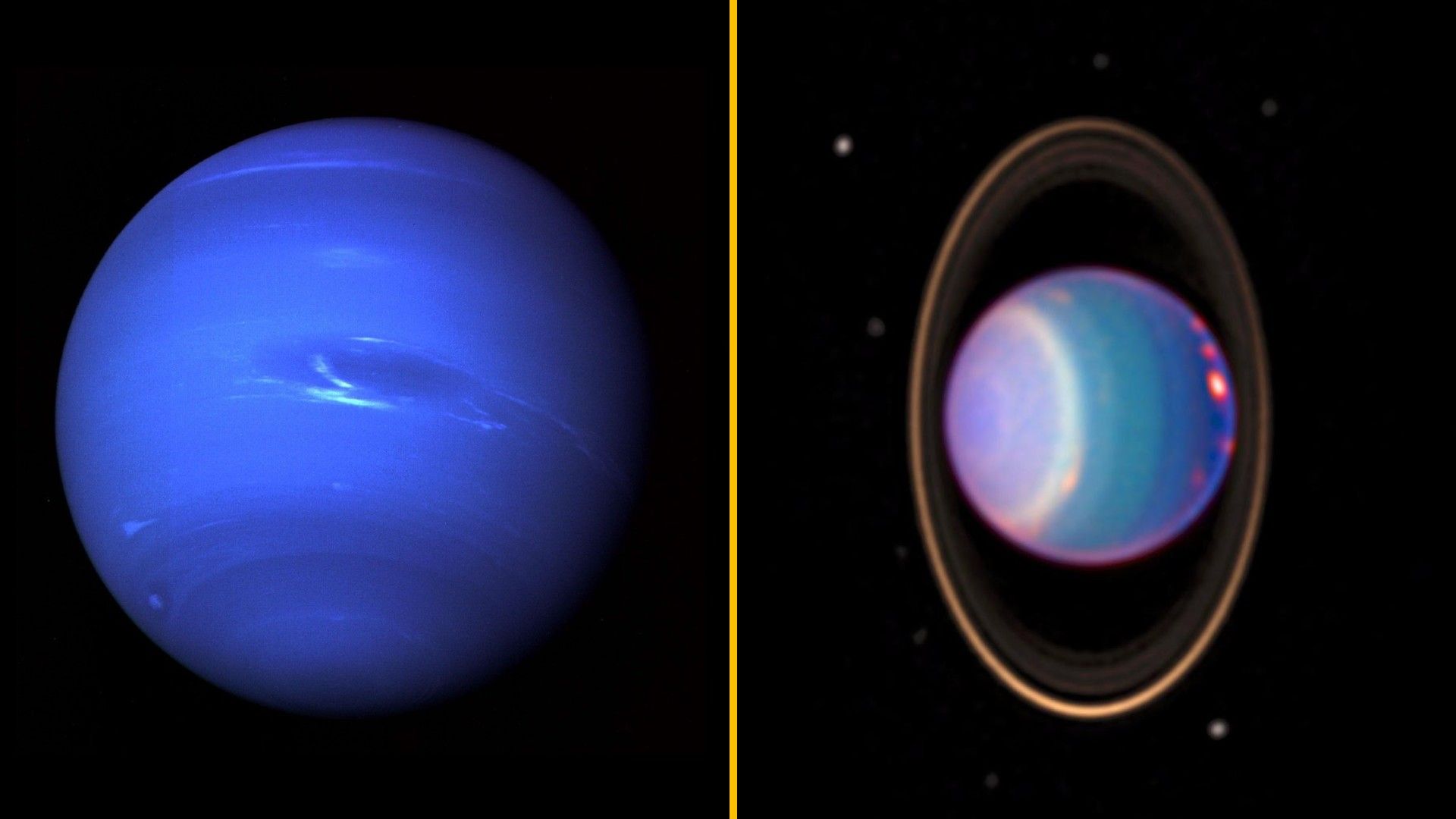
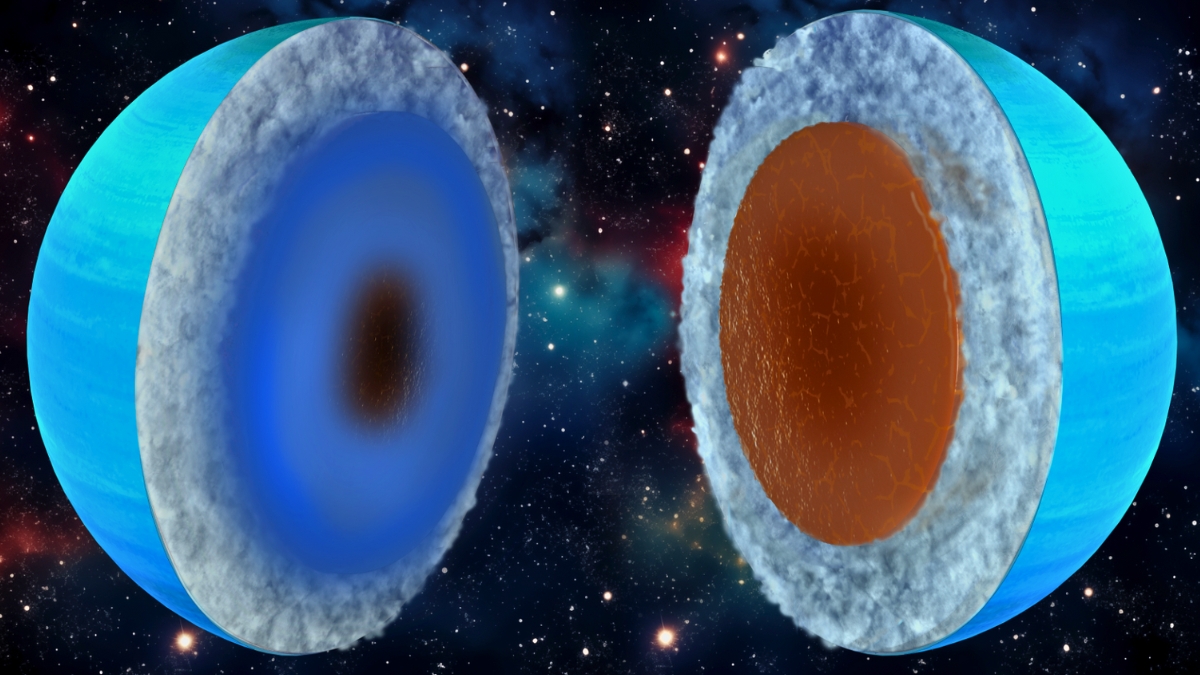
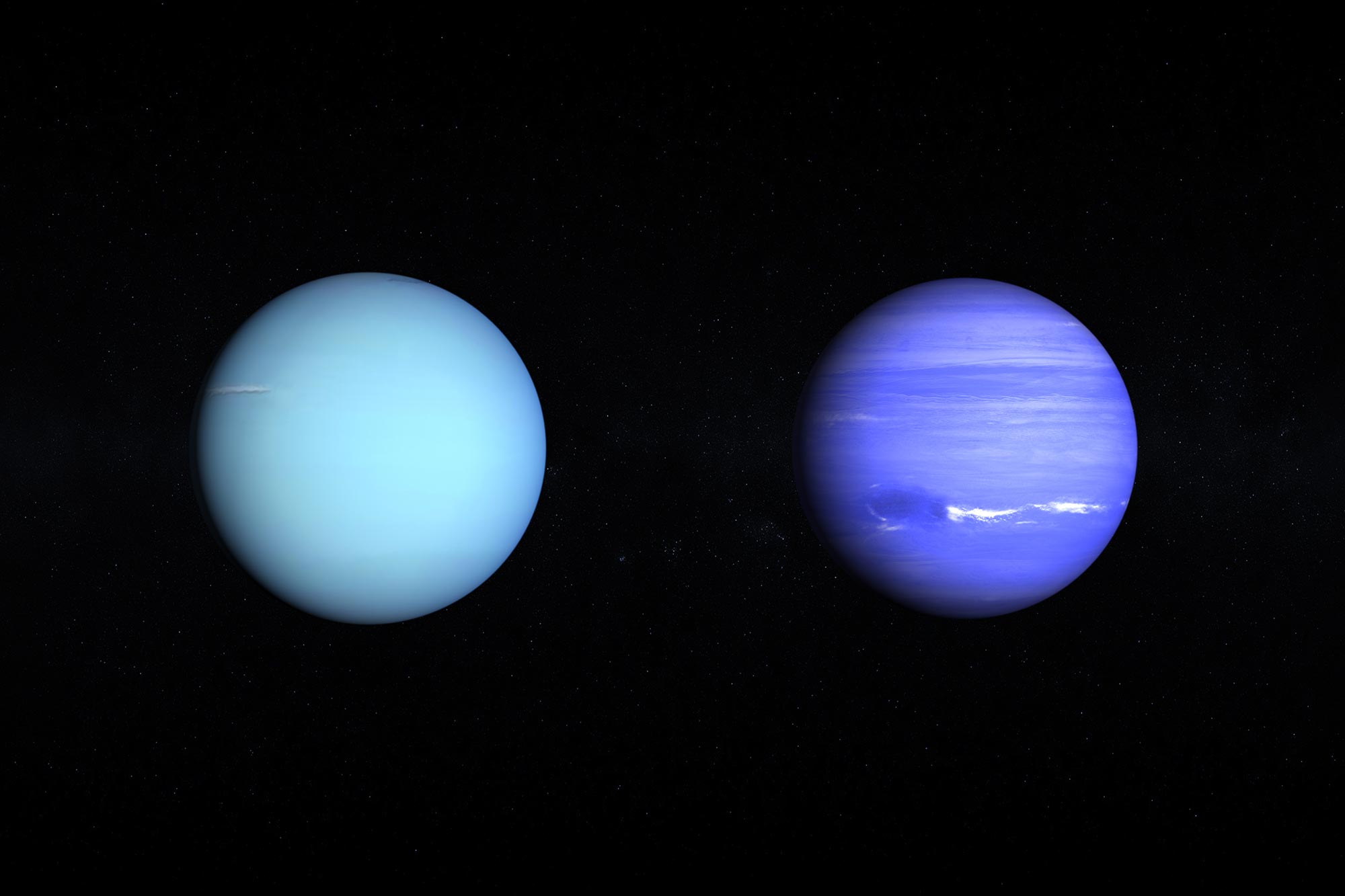
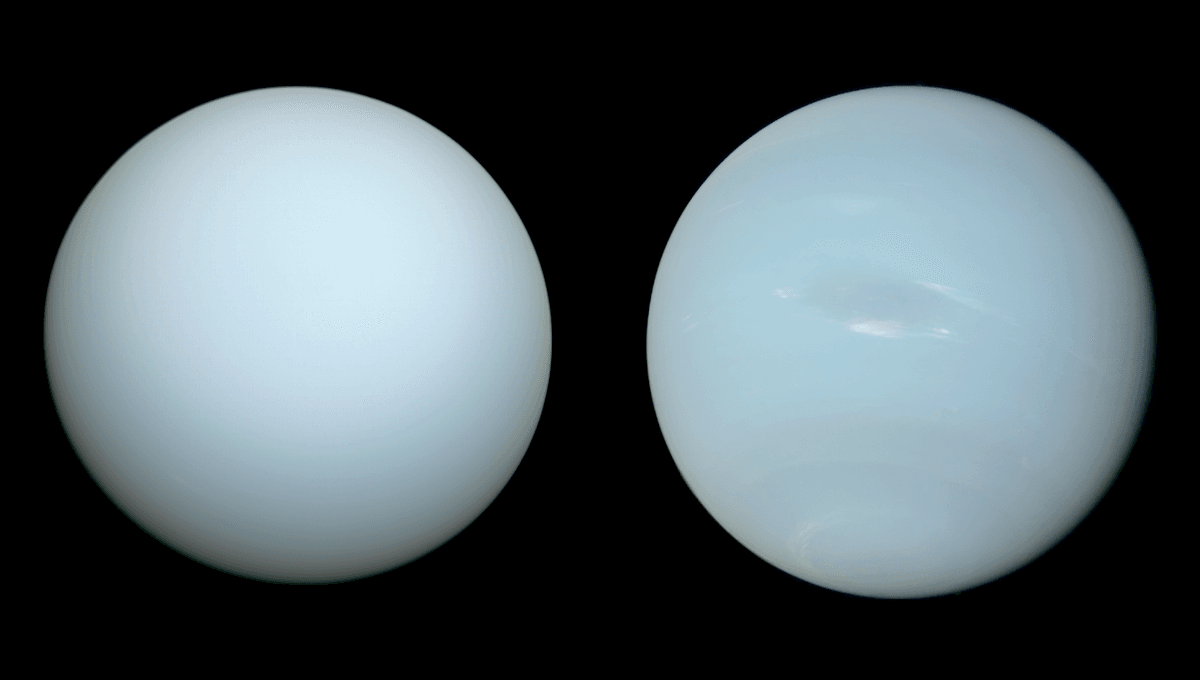
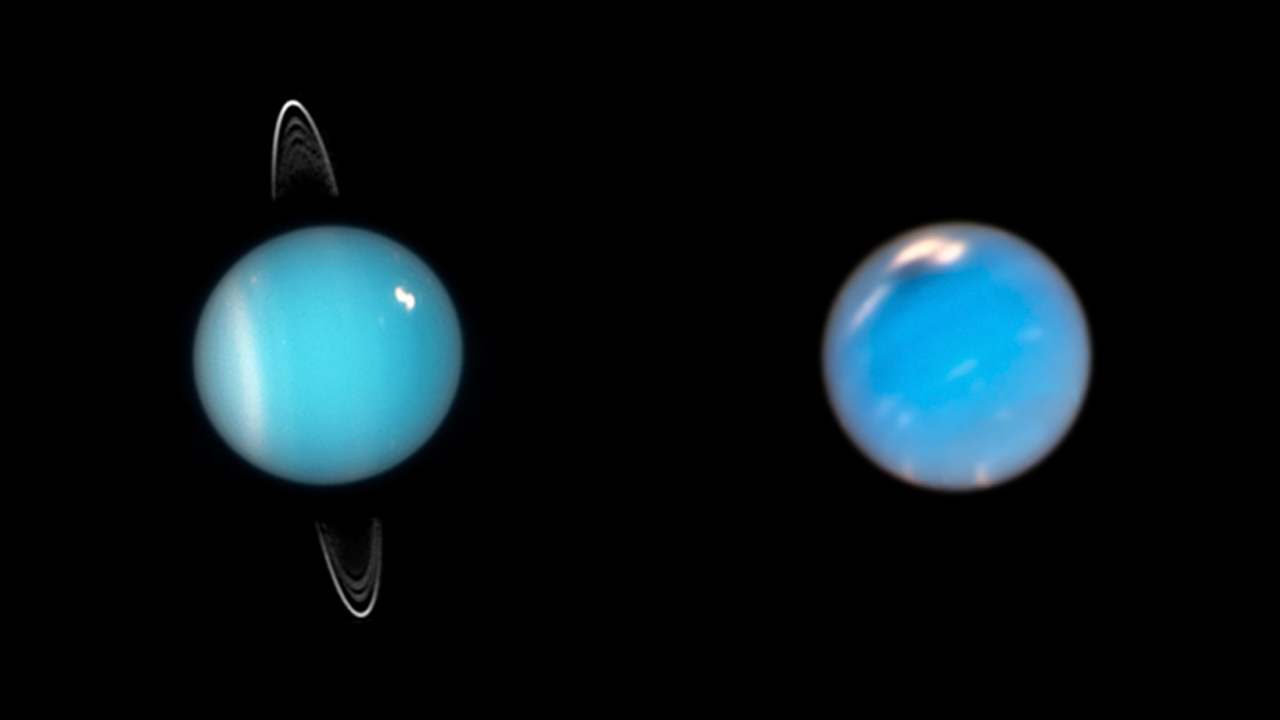
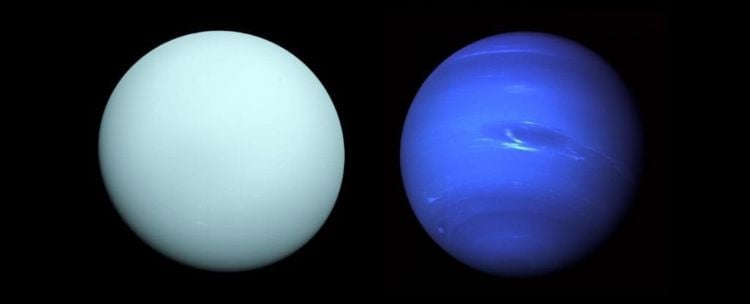
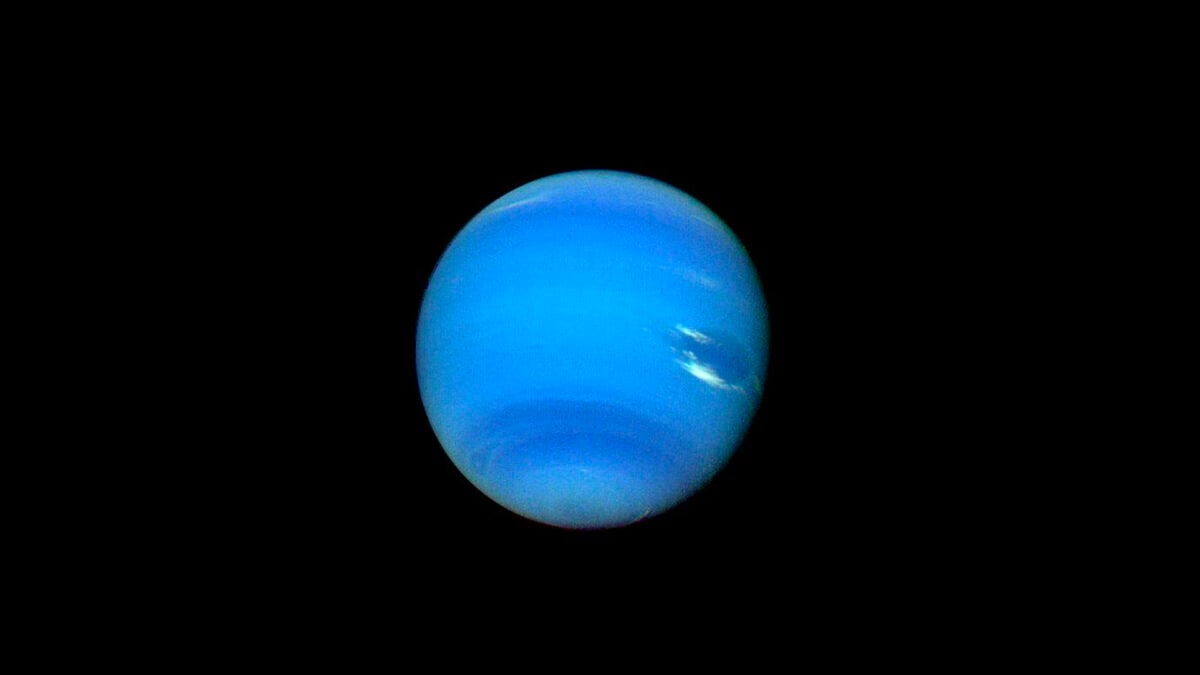
A new computational model suggests that Uranus and Neptune may have rockier interiors than previously thought, challenging the traditional classification of these planets as 'ice giants' and potentially explaining their complex magnetic fields. The study combines physics-based and observational data to propose that their cores contain significant rock content, which could influence their magnetic properties. Further research and dedicated space missions are needed to confirm these findings.
New research suggests that Uranus and Neptune may be more rocky and less icy than previously thought, challenging the traditional classification of these planets as 'ice giants' and highlighting the need for future missions to better understand their true nature.
New research suggests Uranus and Neptune may be more rock-rich than previously thought, challenging the traditional view of them as ice giants, and highlights the need for future missions to better understand their true nature.
A new study challenges the traditional view that Uranus and Neptune are 'ice giants,' suggesting they may instead have a rockier internal structure based on observational data and modeling, highlighting the need for dedicated missions to better understand these distant planets.
New research suggests that Uranus and Neptune may not be 'ice giants' as previously thought, but could instead be 'rocky giants' with interiors dominated by rock rather than ice, due to limited data and a wide range of possible interior compositions. This challenges existing models of solar system formation and highlights the need for dedicated missions to better understand these planets.
A recent study suggests that Uranus and Neptune may be better classified as 'rock giants' rather than 'ice giants' due to their interior compositions being dominated by rock and water, challenging longstanding classifications and offering new insights into planetary formation.
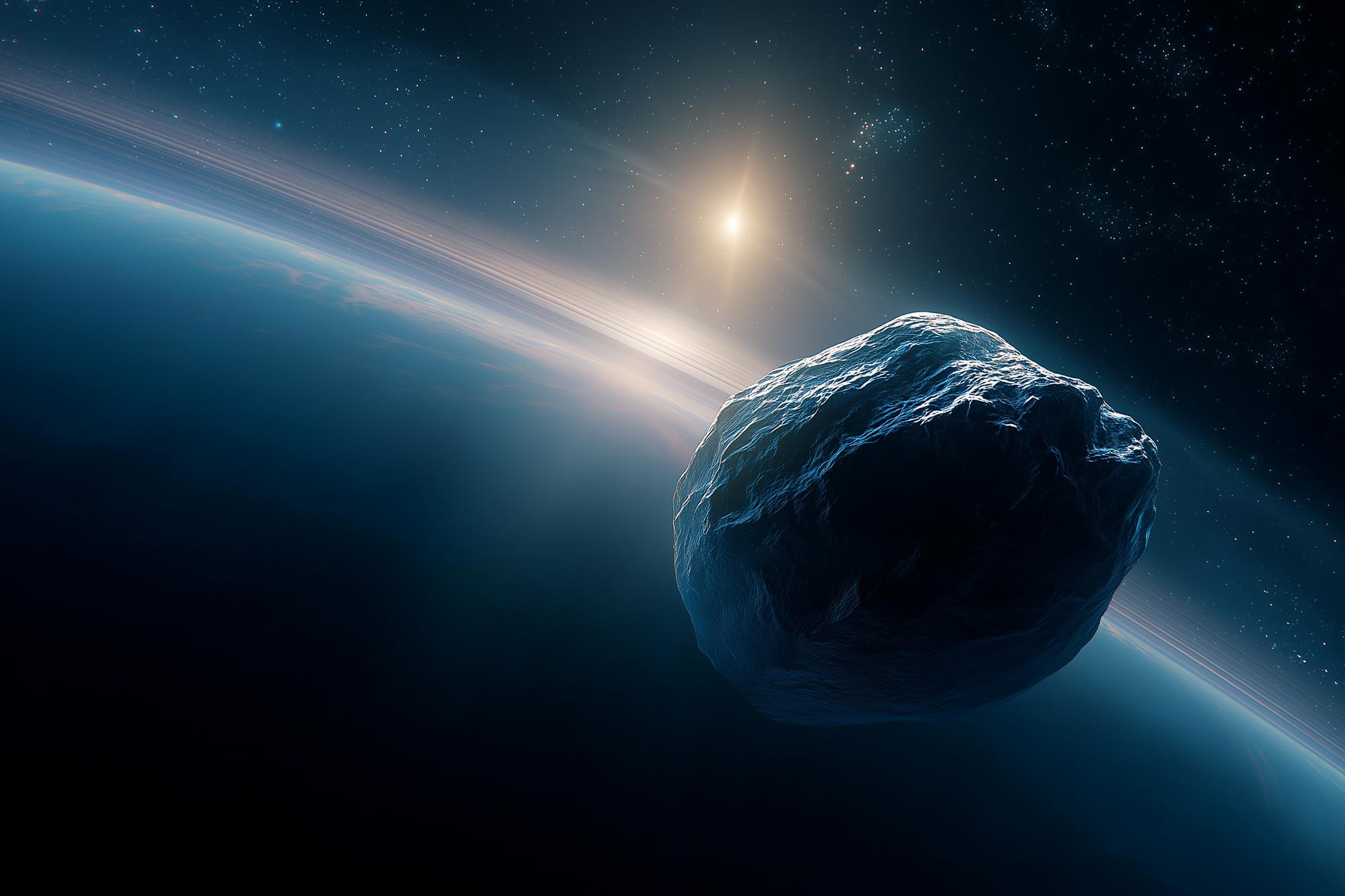
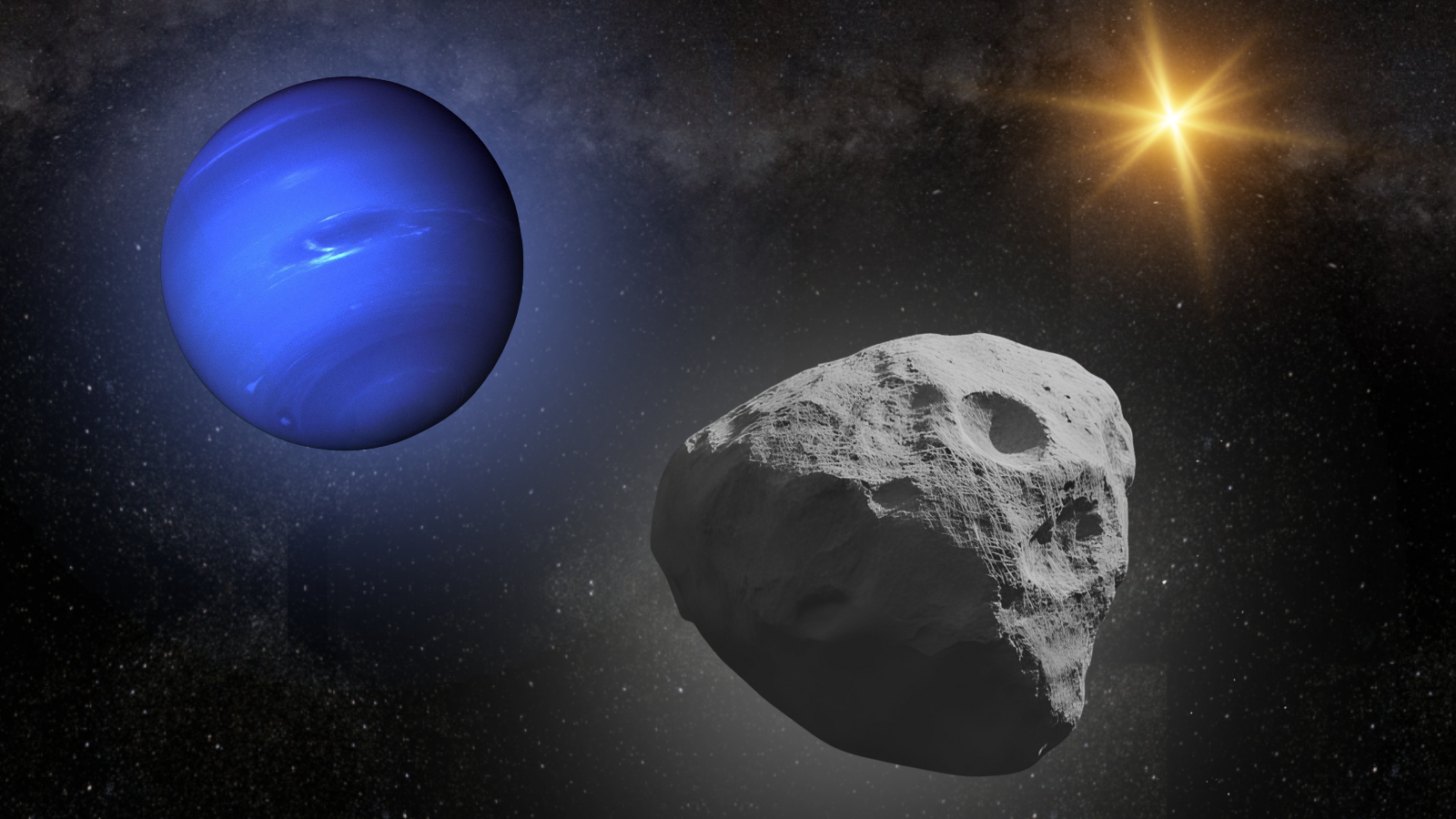
Astronomers have discovered a rare object, 2020 VN40, in the outer solar system that moves in a unique 10:1 resonance with Neptune, challenging existing ideas about the movement and evolution of distant solar system objects. This discovery, along with others like 'Ammonite,' provides new insights into the gravitational influences and history of our solar system's outer regions.
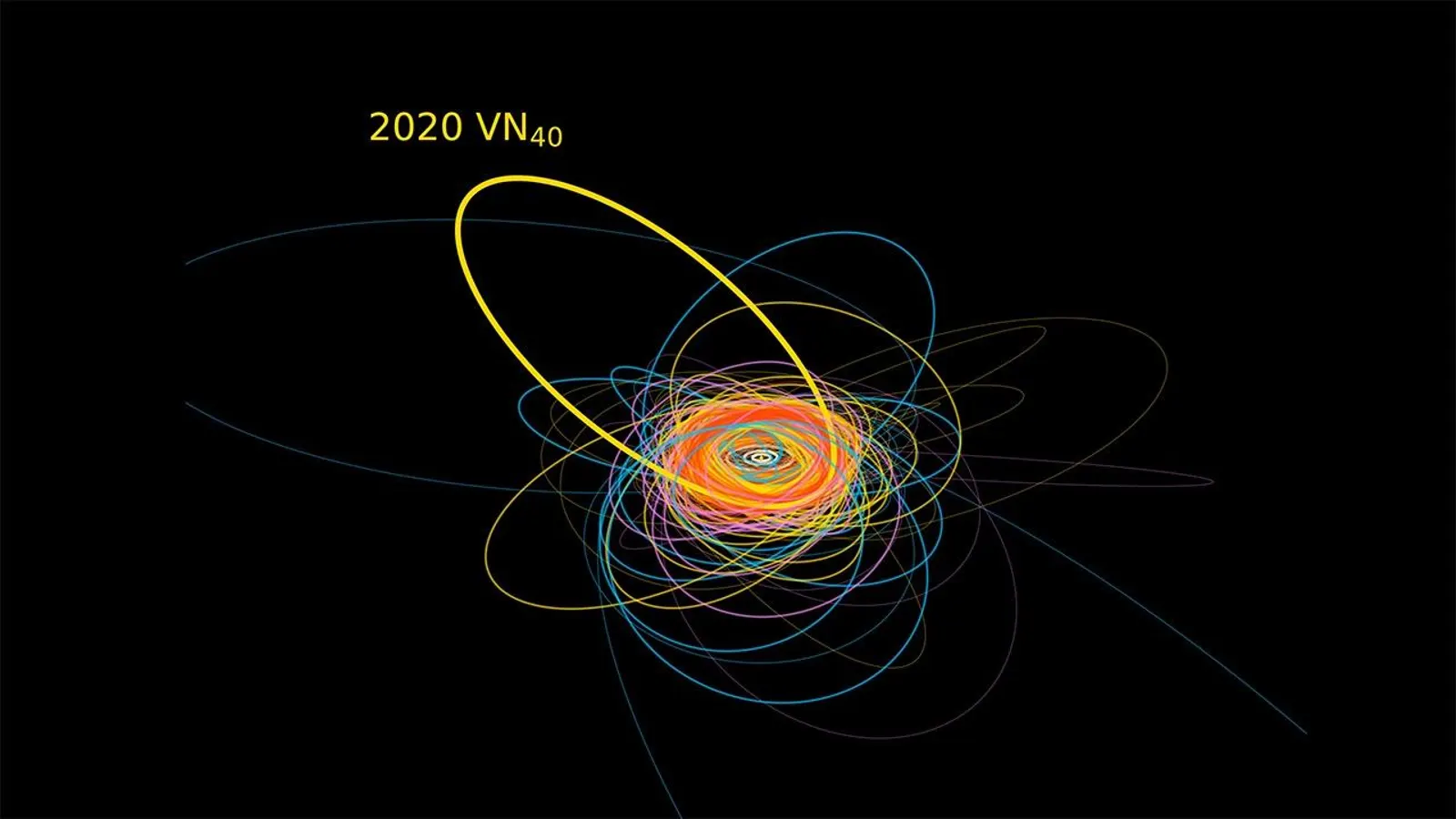
Astronomers have discovered a rare distant object, 2020 VN40, in the outer solar system that orbits the Sun once for every ten Neptune orbits, with a peculiar tilted orbit in resonance with Neptune, providing new insights into the solar system's evolution.
Astronomers have discovered a rare, highly tilted trans-Neptunian object called 2020 VN40 that orbits the Sun once for every ten Neptune orbits, revealing a unique gravitational resonance and offering new insights into the dynamics and evolution of the outer solar system.
Astronomers have discovered a trans-Neptunian object, 2020 VN40, that is in a unique rhythmic orbit with Neptune, orbiting the sun once every 1,648 years, which may provide new insights into the dynamics of the outer solar system and its evolution.
Astronomers have discovered a distant solar system body, 2020 VN40, that is rhythmically synchronized with Neptune's orbit, providing new insights into the dynamics of the outer solar system and its evolution.
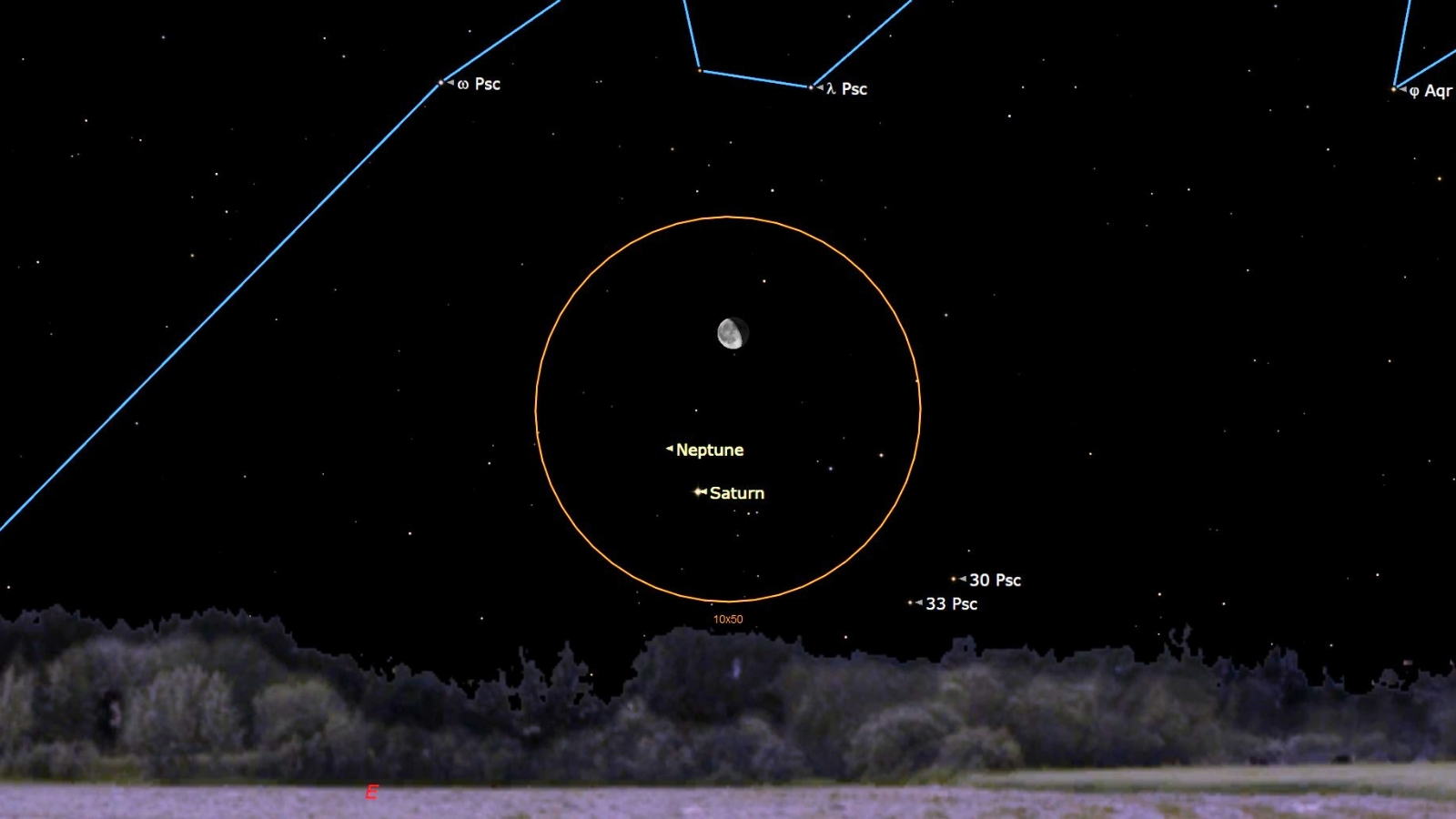
On July 15, a rare conjunction will occur in the eastern sky where the moon, Saturn, and Neptune appear close together, offering a unique viewing opportunity for skywatchers across the U.S., with Saturn and the moon easily visible and Neptune challenging to observe due to its faintness.
On July 15, the moon will be close to Saturn and Neptune in the eastern sky, visible together through binoculars, offering a great stargazing opportunity, especially for those with telescopes to see details like Saturn's rings and lunar features.