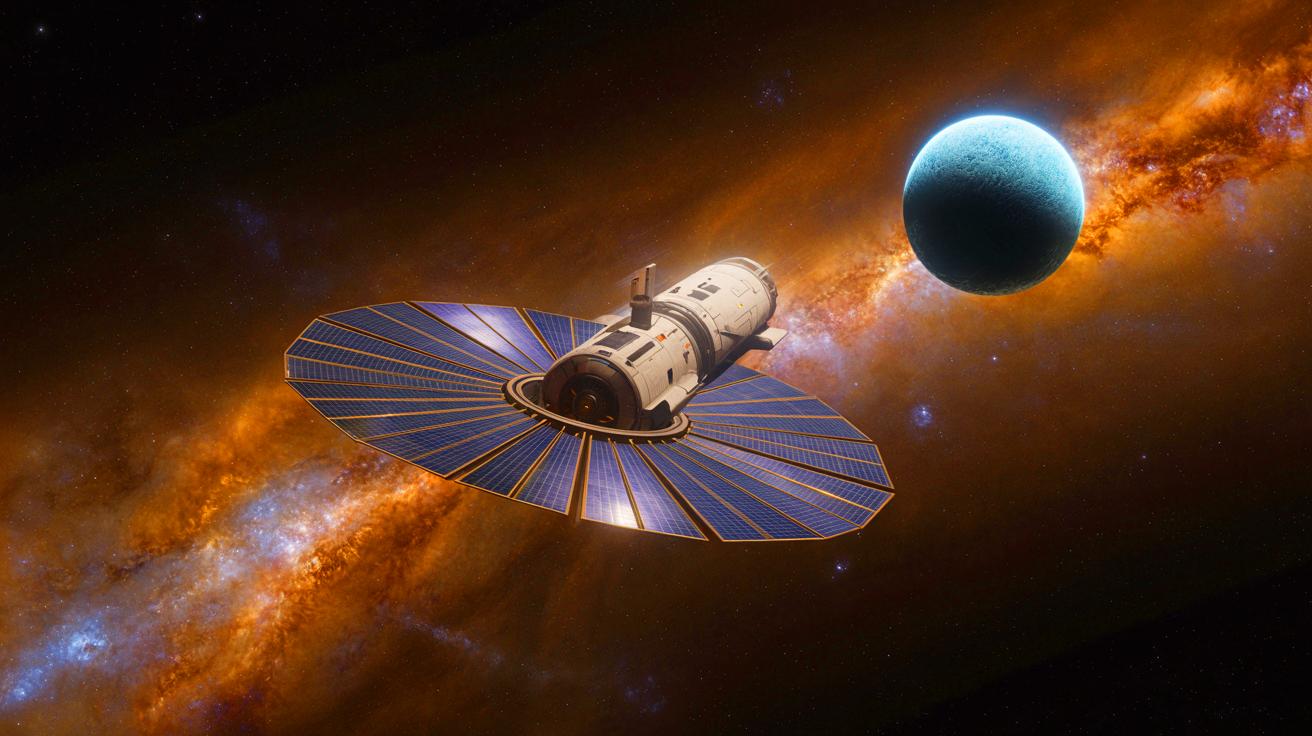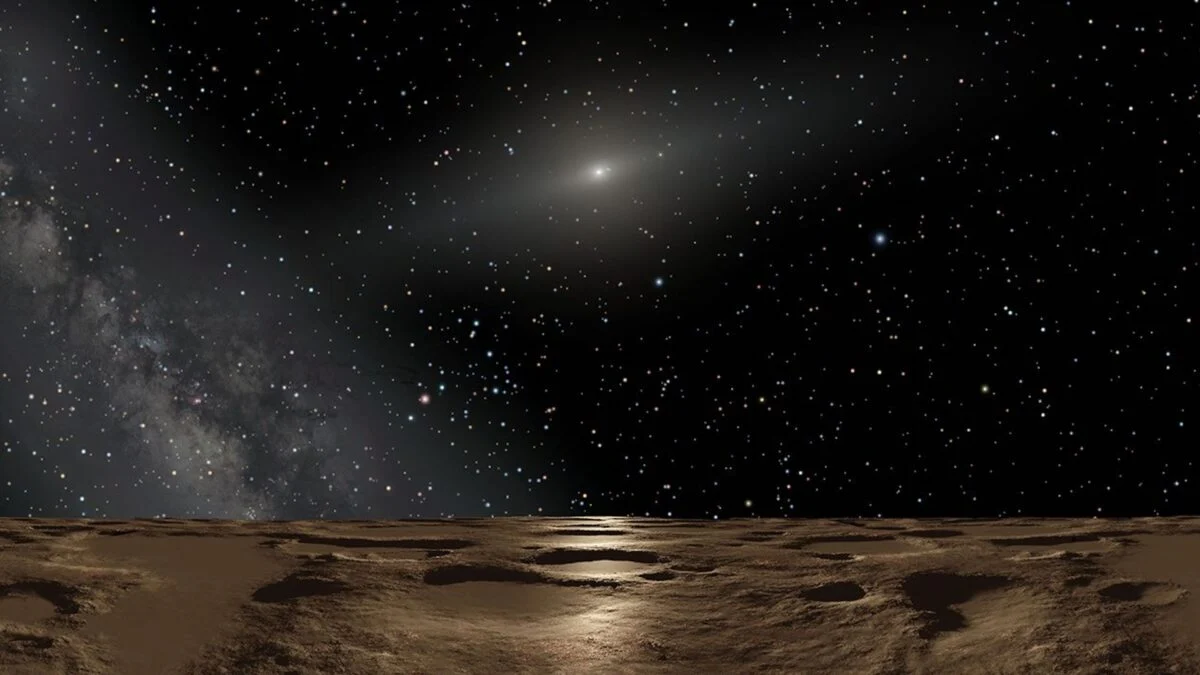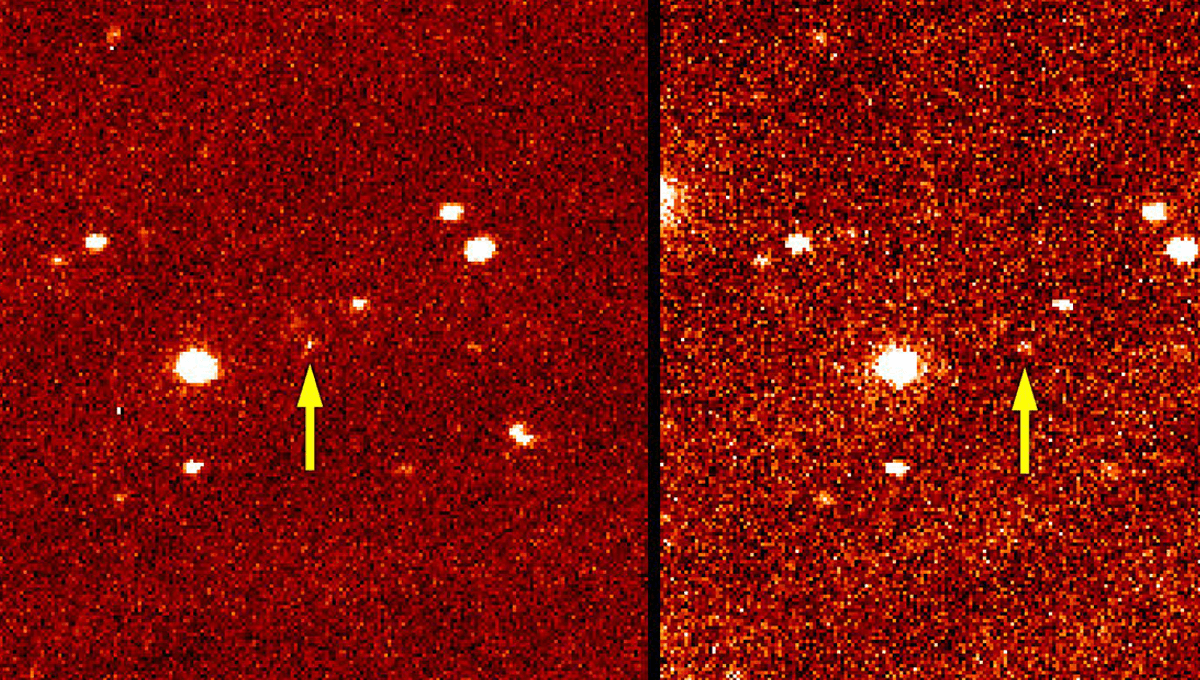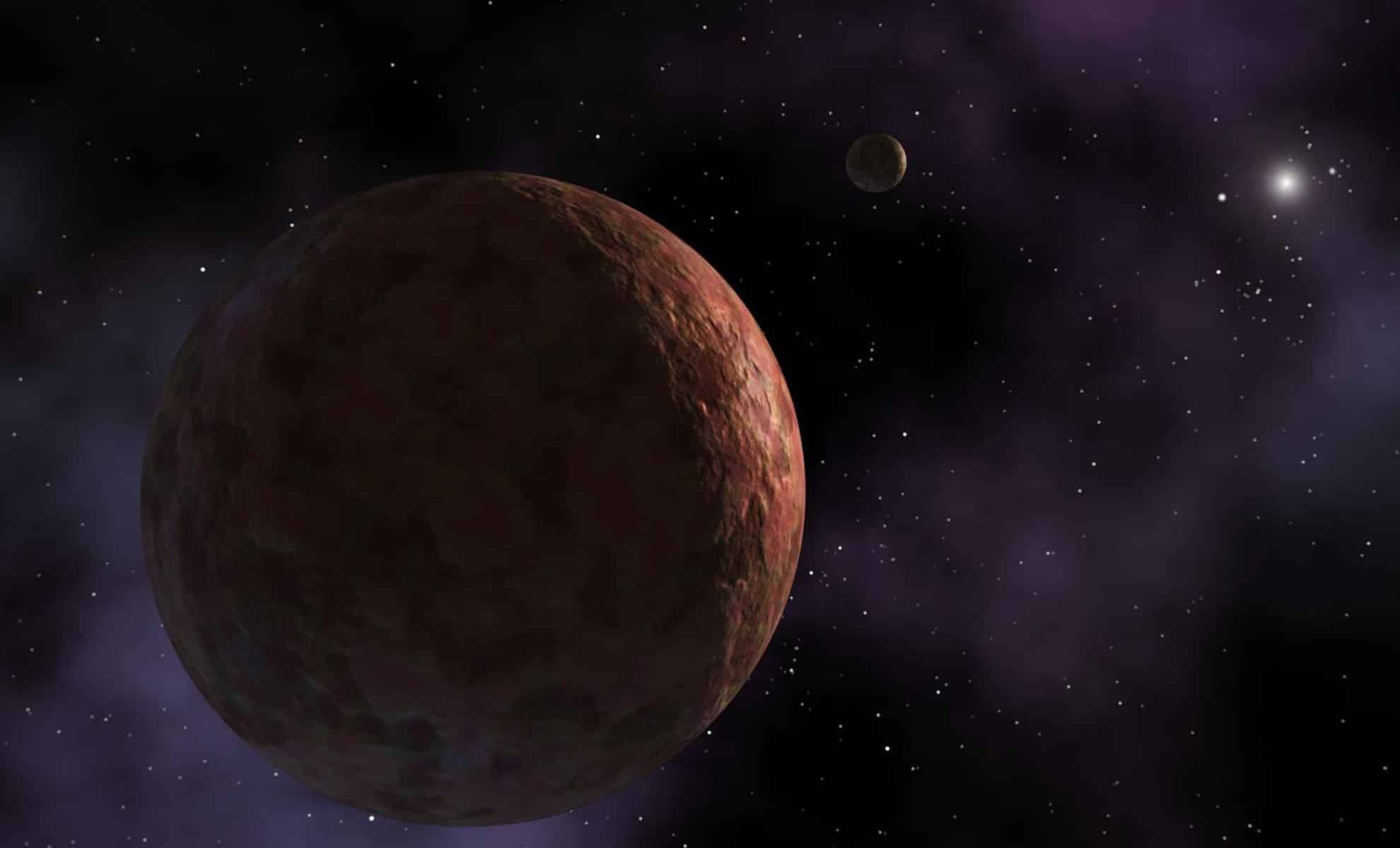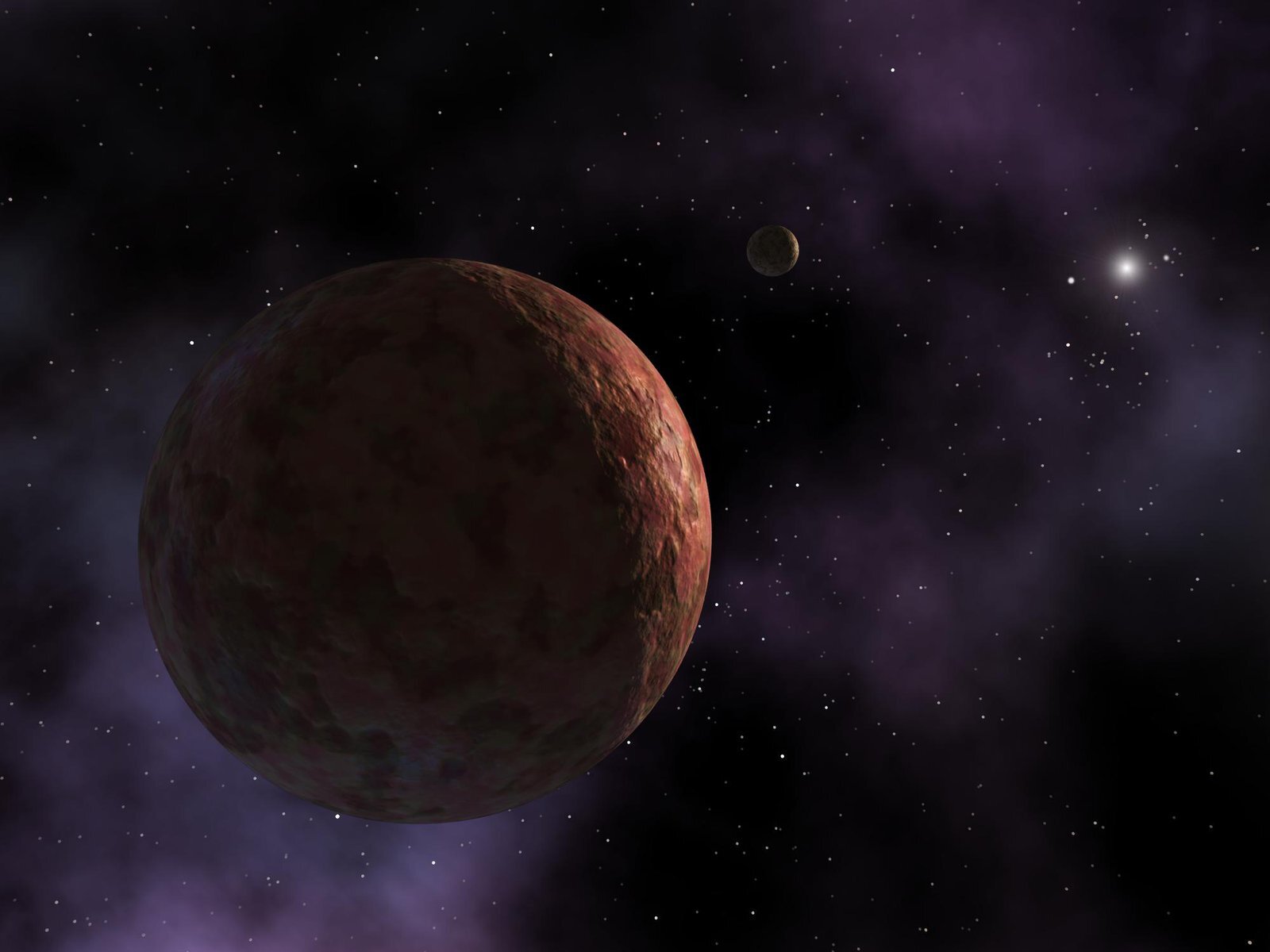
Scientists are racing to send a spacecraft to Sedna, a distant dwarf planet on an elongated orbit that will be closest to the Sun in 2076, to study its composition and origins before it moves away again. Due to the extreme distance, innovative propulsion methods like solar sails or fusion drives are being considered, but both face significant technical challenges. A successful mission could provide valuable insights into the early Solar System and potentially extraterrestrial material, but timing and technological development are critical.
A feasibility study explores the possibility of sending a mission to Sedna, a distant trans-Neptunian object, using advanced propulsion technologies like nuclear propulsion and solar sails, with potential mission durations ranging from about seven to ten years, aiming to study its surface and gain insights into the early Solar System.
Scientists are developing nuclear fusion and solar sail propulsion methods to reach the distant dwarf planet Sedna in just seven years, aiming to explore the outer solar system and gain insights into its formation, despite engineering challenges.
Scientists are exploring advanced propulsion methods like direct fusion drives and solar sails to send a mission to Sedna in 2076, which could provide unprecedented insights into the farthest reaches of our Solar System, despite significant technical challenges.
Researchers propose innovative propulsion technologies, including nuclear fusion engines and advanced solar sails, to reach the distant dwarf planet Sedna within 7 to 10 years, significantly reducing travel time and enabling detailed study of this mysterious object and the outer solar system.
Originally Published 6 months ago — by Hacker News
The article explores the feasibility of a future mission to Sedna, considering advanced propulsion technologies like nuclear fusion and solar sailing, and discusses the challenges, current developments, and long timelines involved in such deep-space exploration efforts.
A new study suggests that a direct fusion drive could enable a spacecraft to reach Sedna within 10 years, offering a rare opportunity to study a distant Oort cloud object before it moves away, with mission proposals potentially launching around 2030.
Researchers have proposed two advanced propulsion technologies—direct fusion drive and solar sails with thermal desorption—that could enable humanity to reach Sedna within a decade, potentially allowing for detailed exploration or quick flybys of this distant solar system object.
Scientists are exploring new propulsion methods, including nuclear fusion engines and advanced solar sails, to reach the distant dwarf planet Sedna within its upcoming perihelion window, potentially enabling extended study of this mysterious object and its implications for understanding the early solar system.
Scientists are exploring new propulsion methods, including a nuclear fusion engine and advanced solar sailing, to send a mission to Sedna, a distant dwarf planet in the outer Solar System, with potential travel times of 7 to 10 years, enabling detailed study of this mysterious object.
The James Webb Space Telescope (JWST) has observed three dwarf planets in the Kuiper Belt - Sedna, Gonggong, and Quaoar - using its Near-Infrared Spectrometer (NIRSpec). The observations revealed interesting information about their orbits and composition, including the presence of light hydrocarbons and complex organic molecules believed to be the result of methane irradiation. These findings provide insights into the history and evolution of objects in the outer solar system and highlight the capabilities of the JWST in studying our cosmic neighborhood.