Tag

Solar System

All articles tagged with #solar system

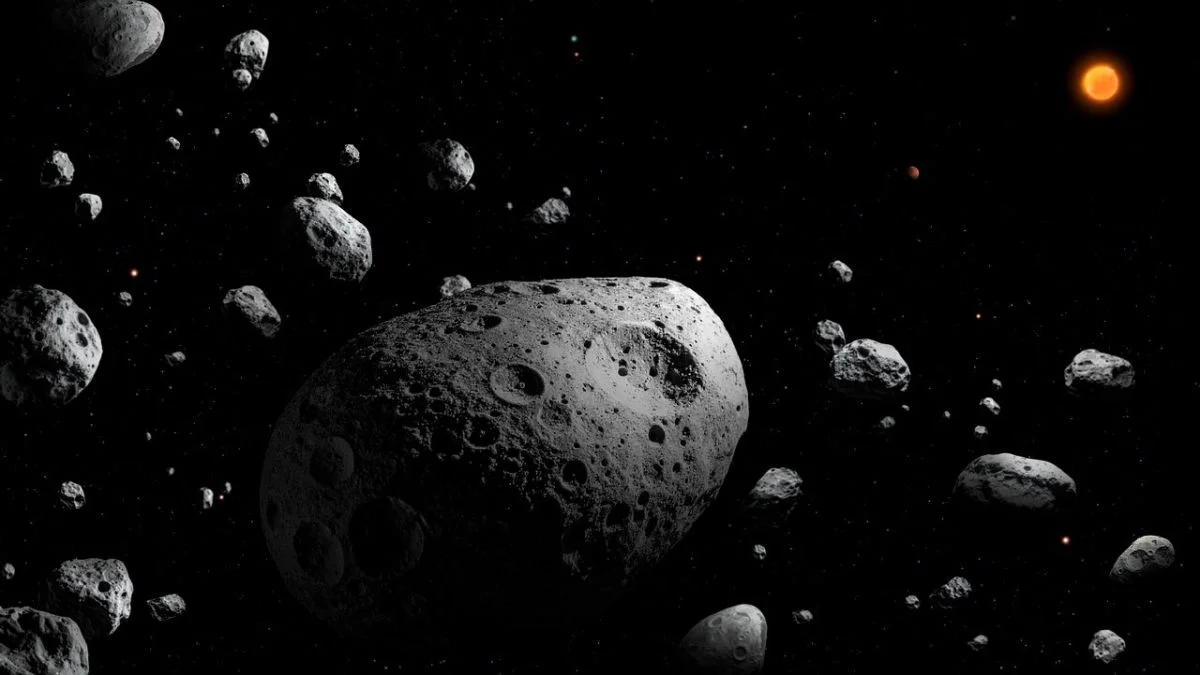
Space snowmen in the Kuiper Belt: a new clue to their formation
astronomy1 day ago

Space snowmen in the Kuiper Belt: a new clue to their formation

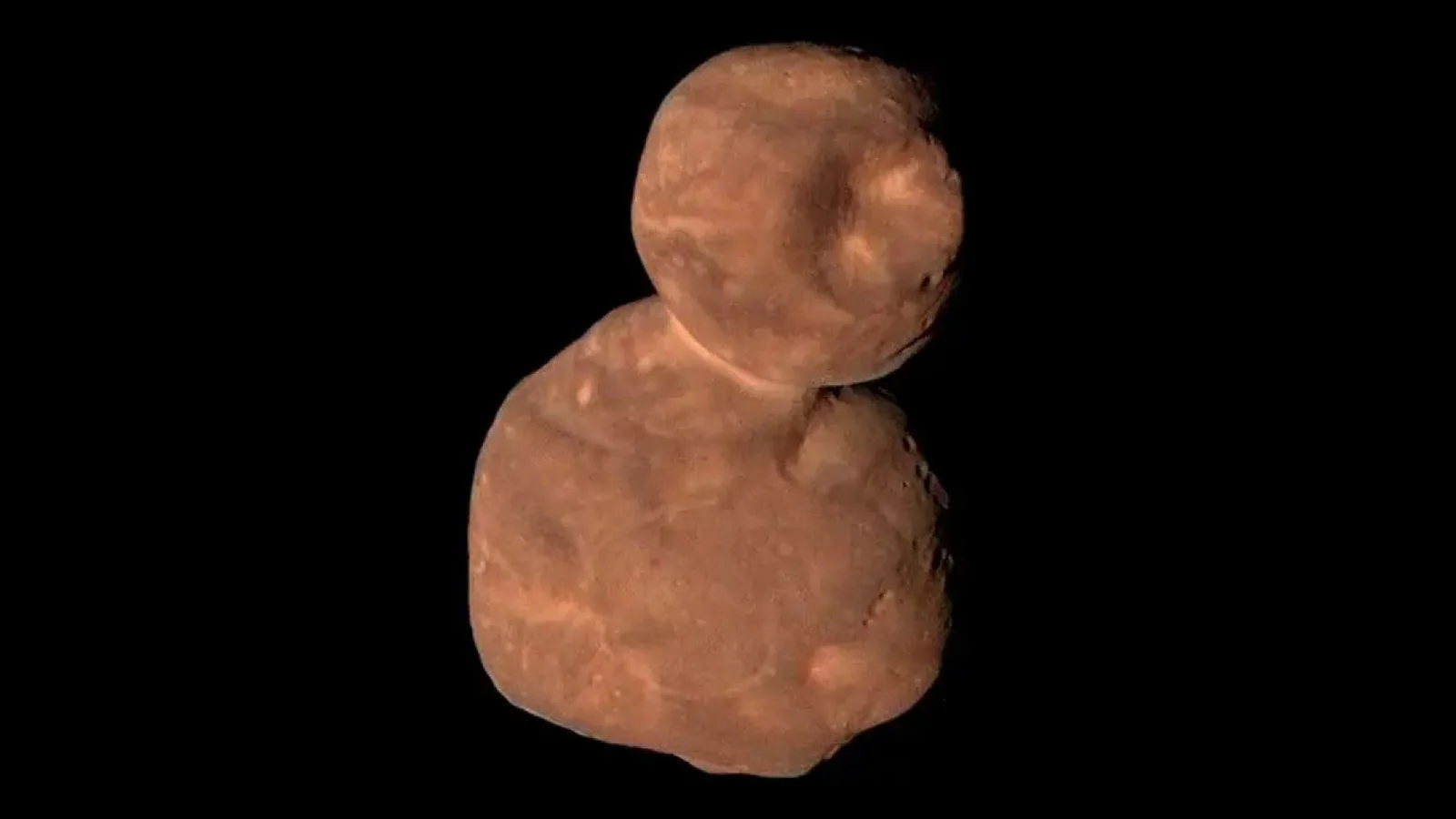
New simulations show that spinning clouds of pebble-sized particles can form contact binaries—two linked bodies—and even triple planetesimals, offering a simple explanation for space snowmen in the Kuiper Belt; the study finds about 4% of simulated planetesimals become contact binaries, a share below the previously thought 10–25%, and notes that more detailed particle modeling could raise that fraction.
Cosmic Planes: Why Our Solar System and Galaxy Are Flat
astronomy1 month ago

Cosmic Planes: Why Our Solar System and Galaxy Are Flat

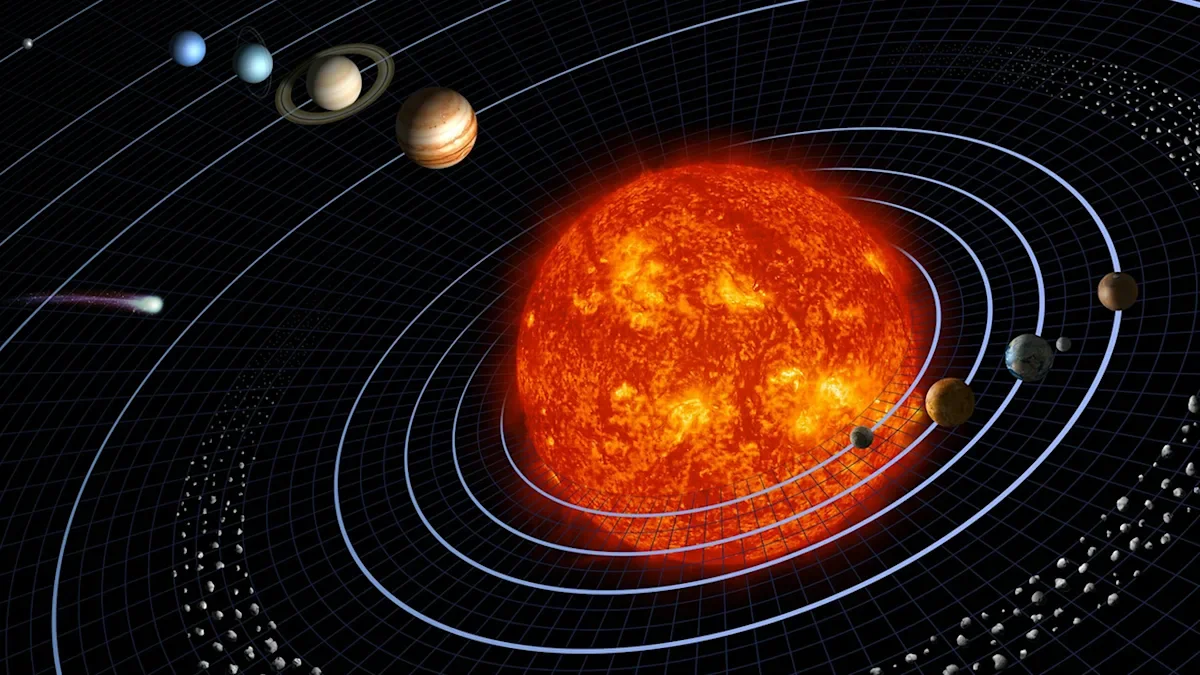
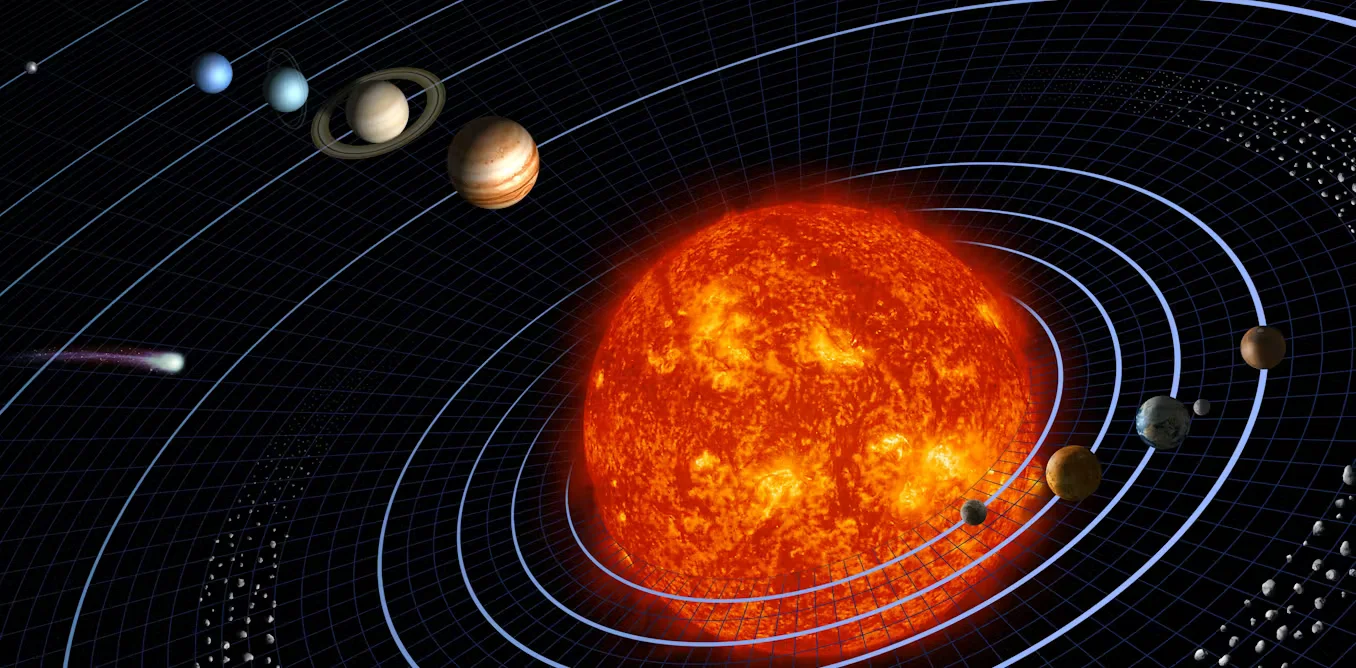
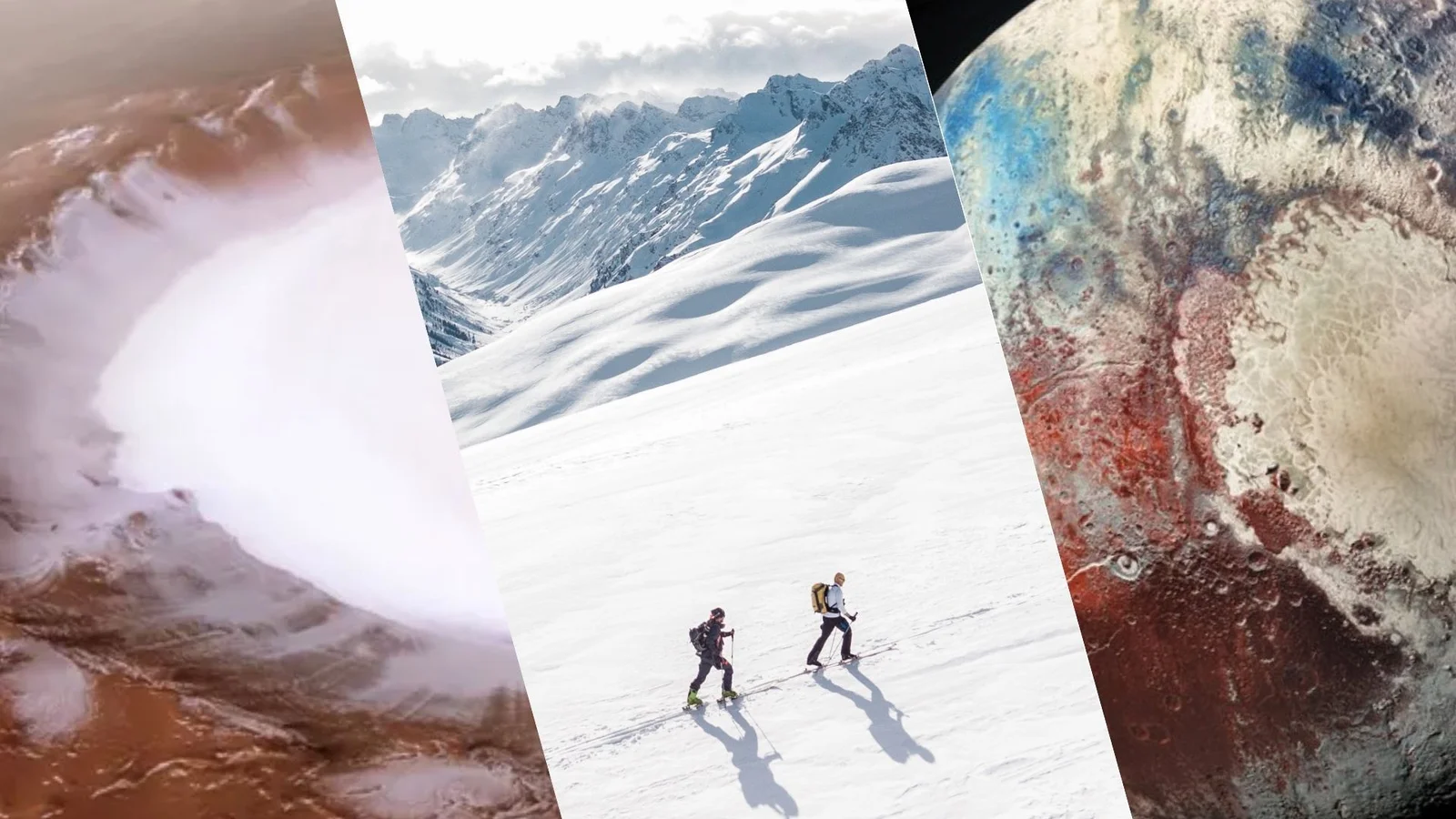
The Sun and planets all orbit in a single, flat disk aligned to the ecliptic because the solar nebula collapsed with rotation; similarly, the Milky Way and Local Group lie in near-planes (galactic and supergalactic), though these planes tilt relative to one another. “Down” isn’t universal in space—it depends on the reference plane—demonstrating how initial angular momentum during formation shapes the cosmos’s familiar flat structure from the solar system outward.

What’s Below the Solar System’s Plane? A Cosmic Perspective
science1 month ago

What’s Below the Solar System’s Plane? A Cosmic Perspective

Earth’s planets orbit the Sun in a relatively flat plane called the ecliptic, and there is no universal 'down' in space—the direction depends on the scale and frame of reference: beyond the solar system, stars lie in a galactic plane inclined about 60° to the ecliptic, and galaxies lie in the supergalactic plane; traveling in the apparent 'down' would eventually take you to other stars and galaxies, illustrating that spatial orientation in the cosmos is relative rather than fixed.

New simulations suggest Jupiter harbors 1.5 times the Sun’s oxygen
space1 month ago

New simulations suggest Jupiter harbors 1.5 times the Sun’s oxygen

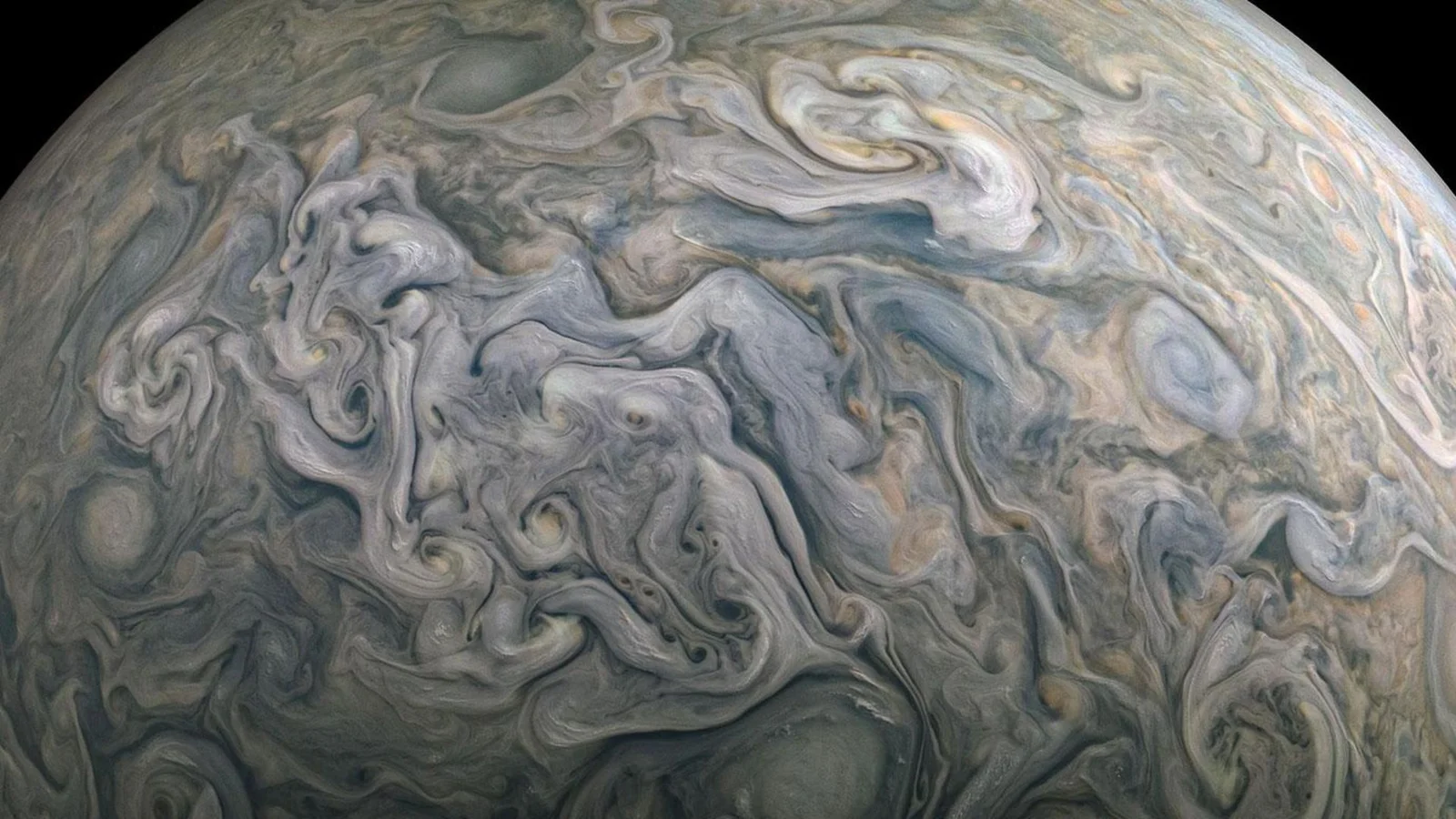
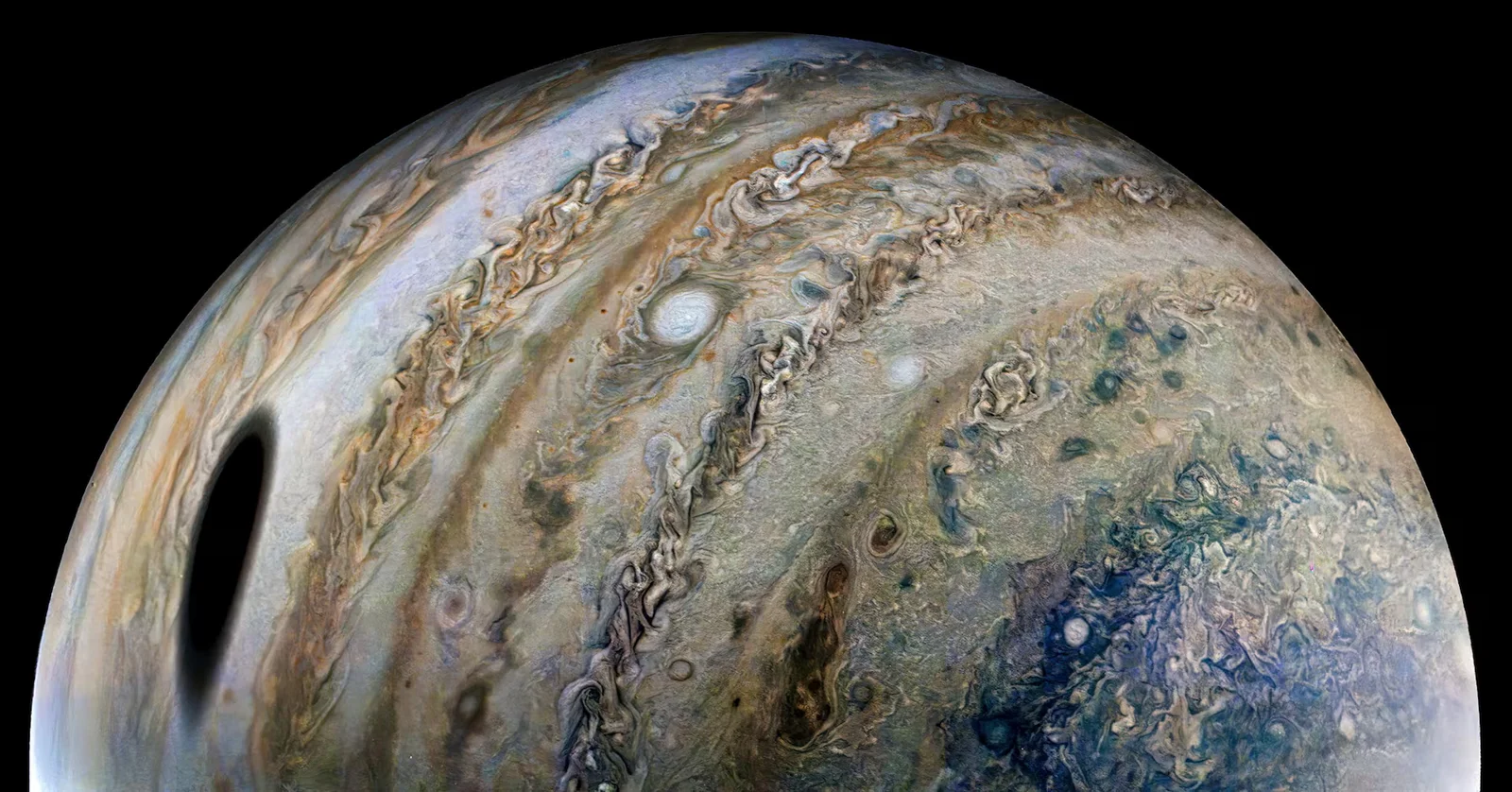
A detailed set of simulations modeling Jupiter’s interior atmosphere finds the gas giant contains about 1.5 times more oxygen than the Sun, likely due to Jupiter’s early accretion of icy material beyond the snow line. The models couple atmospheric chemistry with hydrodynamics, explaining why deep oxygen (mostly in water) is hidden from direct measurement and suggesting slower deep atmospheric circulation (gas movement taking weeks). The findings support formation scenarios for Jupiter and offer insight into the solar system’s history, with the study published Jan 8 in the Planetary Science Journal.

Down in Space Is Relative: Planes, Orbits, and the Cosmic Bearings
science1 month ago

Down in Space Is Relative: Planes, Orbits, and the Cosmic Bearings

There isn’t a universal ‘down’ in space. The solar system lies in a flattened disk (the ecliptic) because the collapsing rotating solar nebula shaped planets to orbit in roughly the same plane. The Milky Way has its own galactic plane (tilted about 60° to the ecliptic), and the Local Group sits in a nearly perpendicular supergalactic plane (about 84.5° to the galactic plane). Orientation of these planes comes from the initial rotation of matter when clouds collapsed, so every star, planet, and galaxy can have its own plane and direction depending on where you’re looking.

Astronomers Discover Unexpected Compact Cluster at Solar System's Edge
science2 months ago

Astronomers Discover Unexpected Compact Cluster at Solar System's Edge

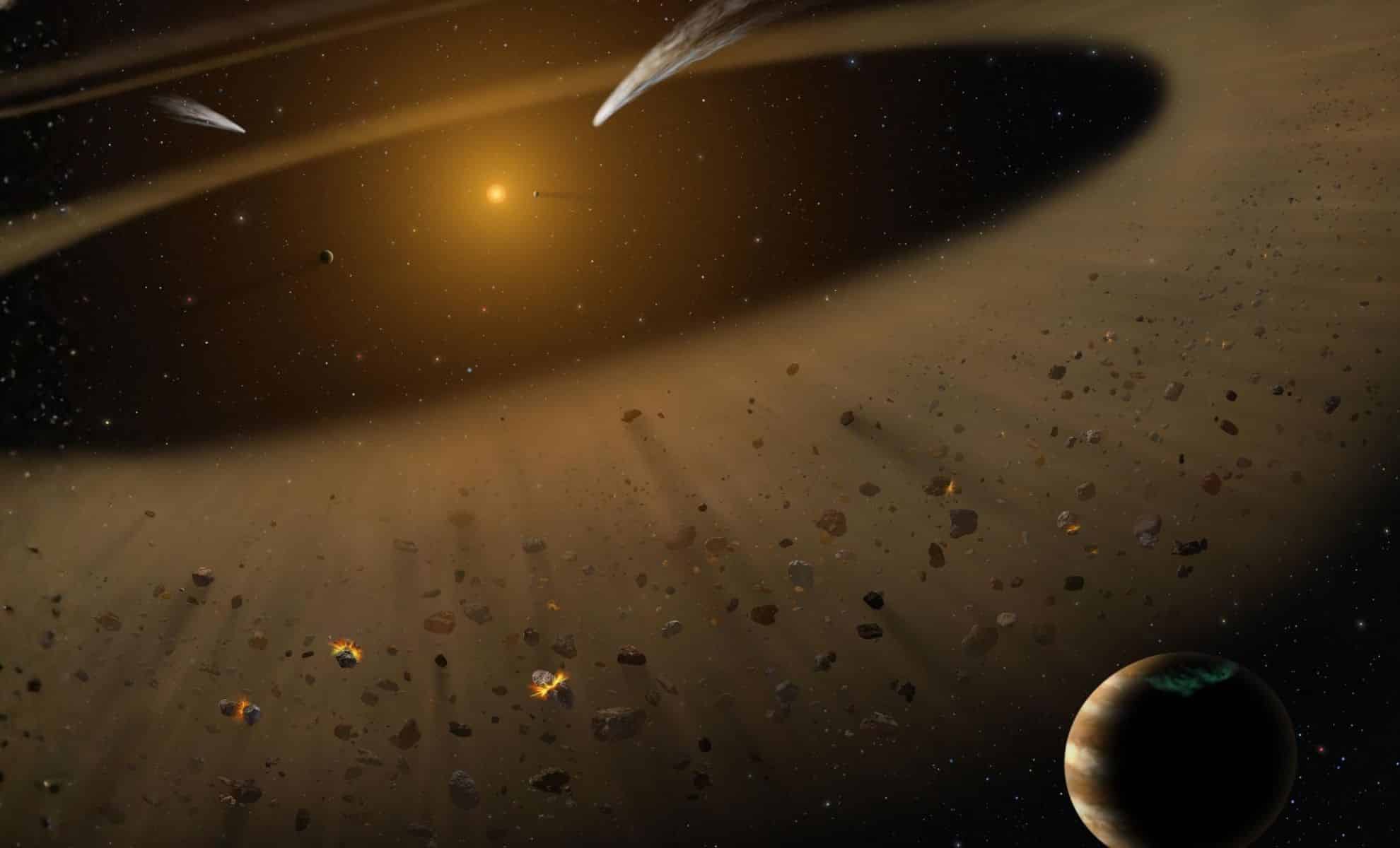
Astronomers have discovered a new compact cluster of icy objects in the Kuiper belt beyond Neptune, called the inner kernel, which may provide insights into the early dynamics of the outer solar system and Neptune's migration. Using advanced data analysis and orbit recalculations, the study suggests this cluster could be a remnant of planetary movement or a separate formation, challenging existing models of solar system evolution.

The Enigma of Mercury's Existence
science2 months ago

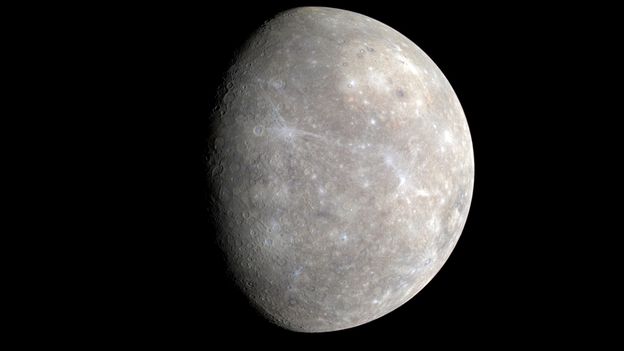
The Enigma of Mercury's Existence

Mercury's unusual characteristics and orbit challenge current understanding of planet formation, with theories including giant impacts and migration. The upcoming BepiColombo mission aims to uncover its origins by studying its surface and internal structure, potentially solving one of the Solar System's biggest mysteries.

Scientists Reinstate the Nine-Planet Model Amid Evidence of a Hidden Planet
science2 months ago

Scientists Reinstate the Nine-Planet Model Amid Evidence of a Hidden Planet

Astronomers have found preliminary evidence of a potential ninth planet in our solar system, based on infrared data from decades-old sky surveys indicating a distant, Neptune-sized object beyond the Kuiper Belt. Further observations are needed to confirm its existence and orbit, which could explain gravitational anomalies observed in the Kuiper Belt. The discovery, if verified, would add a new ice giant to our solar system, similar in composition to Uranus and Neptune.