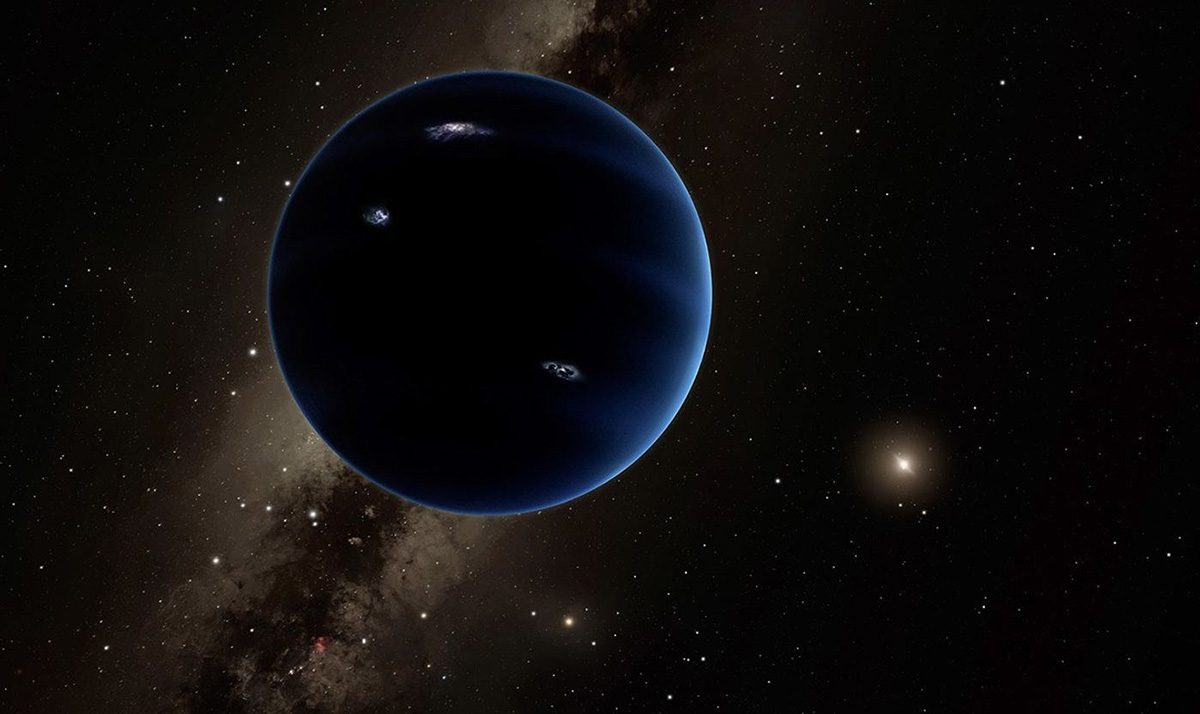
Scientists may have found the first direct evidence of a ninth major planet in the Solar System by analyzing infrared data from space telescopes, identifying a candidate object that could be Planet 9, though further observations are needed to confirm its orbit.
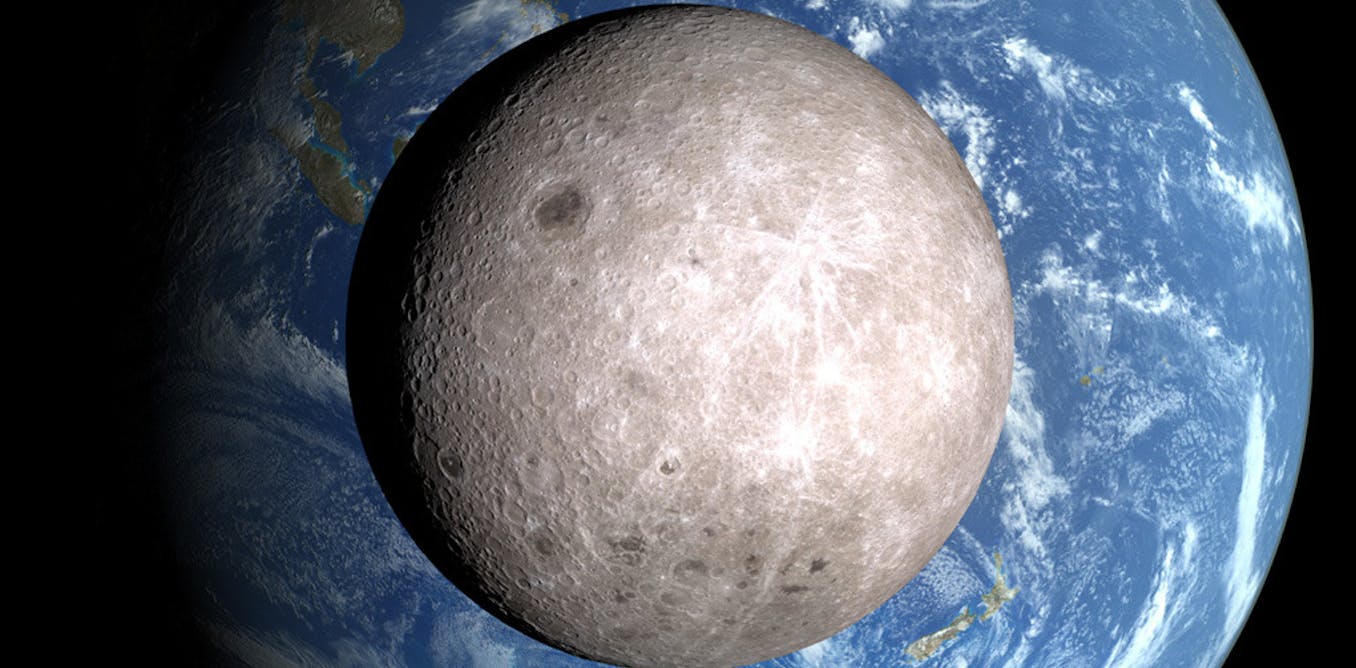
Building telescopes on the Moon could revolutionize astronomy, particularly in the field of radio astronomy, which can be conducted from the far side of the Moon, the most "radio-quiet" location in the solar system. The Moon's low gravity and stable environment may also enable the construction of larger infrared telescopes and provide natural shielding for them in the form of permanently shadowed craters. The Moon's rich record of solar wind and cosmic rays could also yield insights into the evolution of the Sun and the Milky Way. However, human activities on the lunar far side and plans to extract water-ice from shadowed craters may create unwanted interference and hinder astronomical observations.