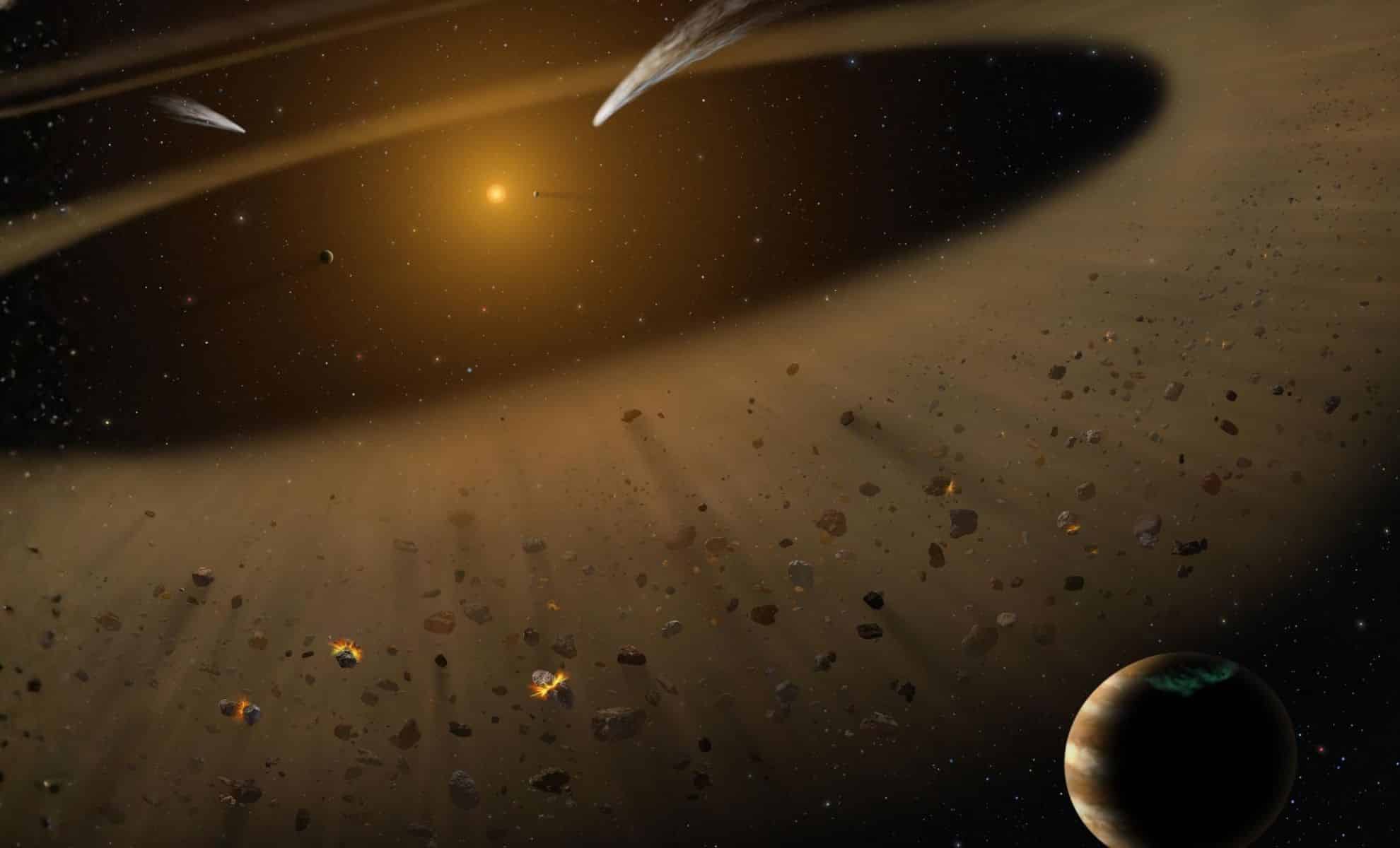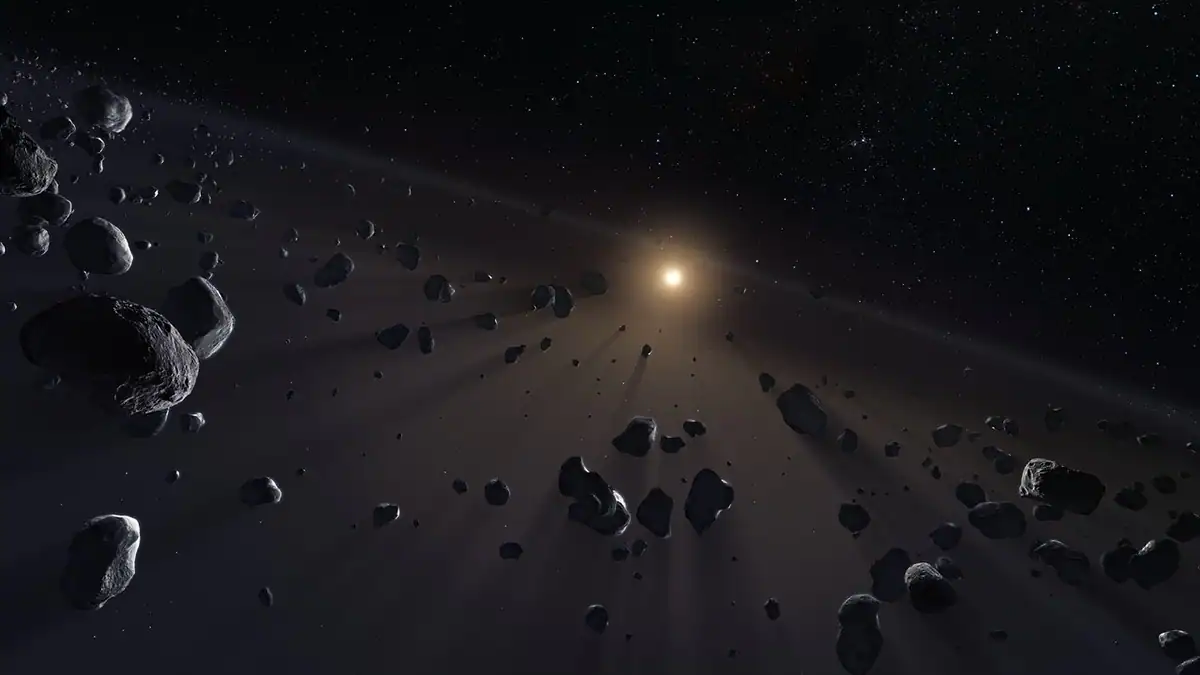
Astronomers have discovered a new compact cluster of icy objects in the Kuiper belt beyond Neptune, called the inner kernel, which may provide insights into the early dynamics of the outer solar system and Neptune's migration. Using advanced data analysis and orbit recalculations, the study suggests this cluster could be a remnant of planetary movement or a separate formation, challenging existing models of solar system evolution.
Astronomers have discovered a new compact cluster of icy objects in the Kuiper belt, called the inner kernel, which challenges existing models of solar system formation and suggests complex gravitational influences, possibly from Neptune's migration.
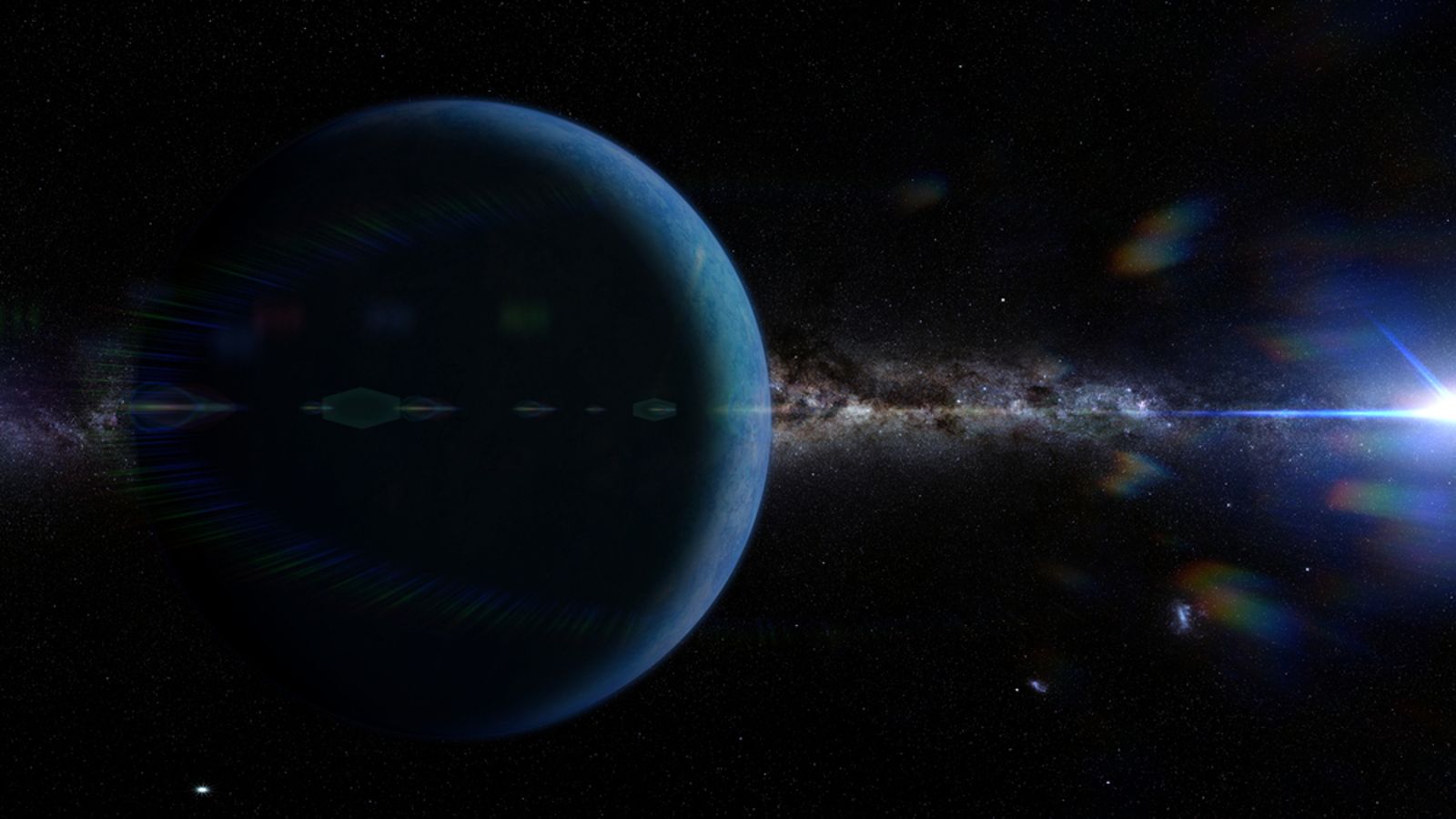
Astronomers have found preliminary evidence of a potential ninth planet in our solar system, based on infrared data from decades-old sky surveys indicating a distant, Neptune-sized object beyond the Kuiper Belt. Further observations are needed to confirm its existence and orbit, which could explain gravitational anomalies observed in the Kuiper Belt. The discovery, if verified, would add a new ice giant to our solar system, similar in composition to Uranus and Neptune.
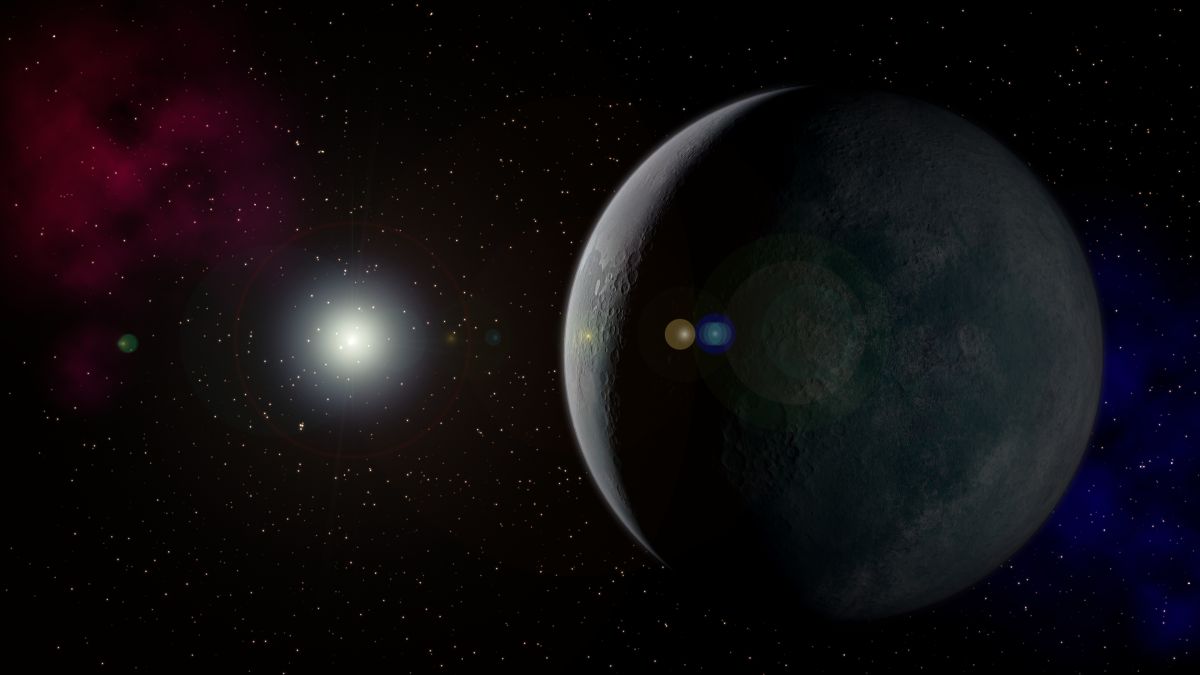
A recent study suggests the possible existence of a small, Earth-sized planet, dubbed 'Planet Y', in the outer Solar System, inferred from a 15-degree tilt in the Kuiper Belt objects' orbital plane, which could explain gravitational influences in that region. The discovery is not confirmed but provides a promising direction for future planetary searches.
Astronomers propose the existence of a new Earth-sized planet, 'Planet Y', in the Kuiper Belt based on orbital tilt patterns of Kuiper Belt objects, but its existence remains unconfirmed and will likely be investigated further with the Vera C. Rubin Observatory.
Astronomers propose the existence of a new potential planet, dubbed Planet Y, inferred from the tilted orbits of objects in the Kuiper Belt, with upcoming observations from the Vera Rubin Observatory expected to provide more definitive evidence.
Scientists using NASA's James Webb Space Telescope have detected methane gas on the dwarf planet Makemake, indicating it is a dynamic icy world with possible transient activity or a thin atmosphere, making it only the second trans-Neptunian object after Pluto to have confirmed gas presence.
Scientists analyzing the orbits of Kuiper Belt objects have found evidence suggesting the existence of a hidden planet, called Planet Y, which could be at least 25 times more massive than Pluto and located 100-200 times Earth's distance from the Sun. This discovery is based on the warped orbital plane of distant Kuiper Belt objects, and upcoming surveys like the LSST may confirm its existence.
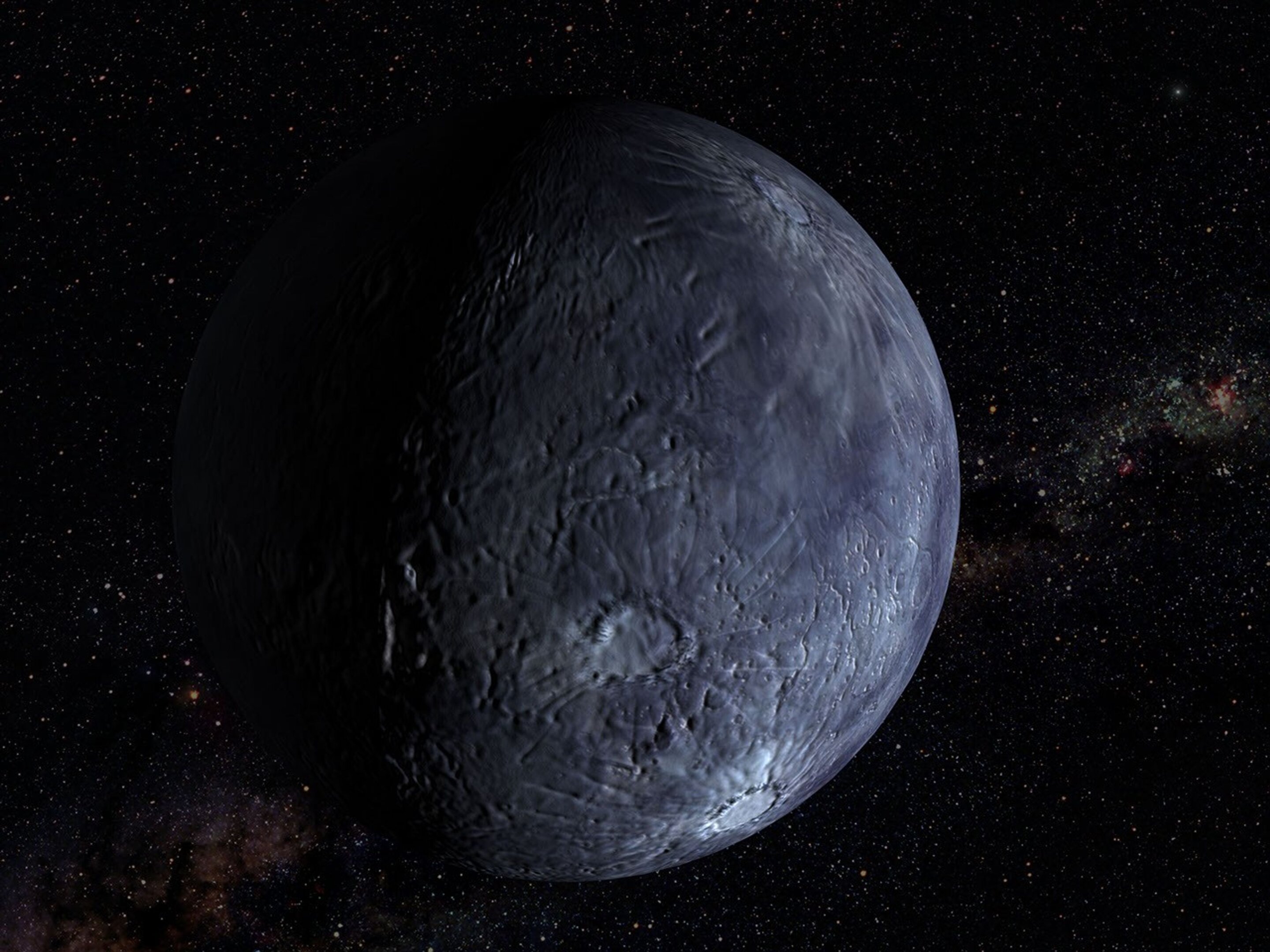
Astronomers have unexpectedly discovered a potential new moon or dense ring around the distant dwarf planet Quaoar during a stellar occultation, challenging existing theories about ring and moon formation in the Kuiper Belt. Further observations are needed to confirm the nature of this object and its implications for planetary system formation.
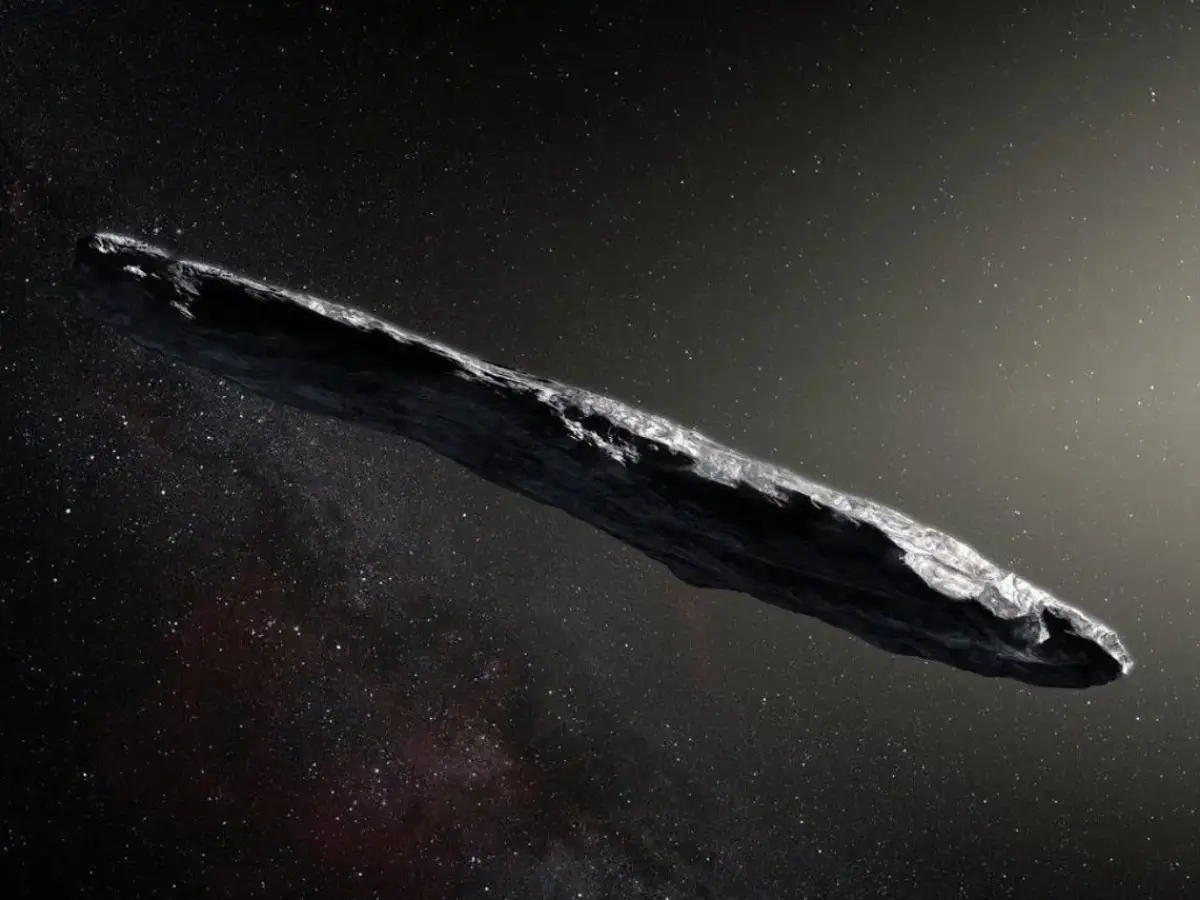
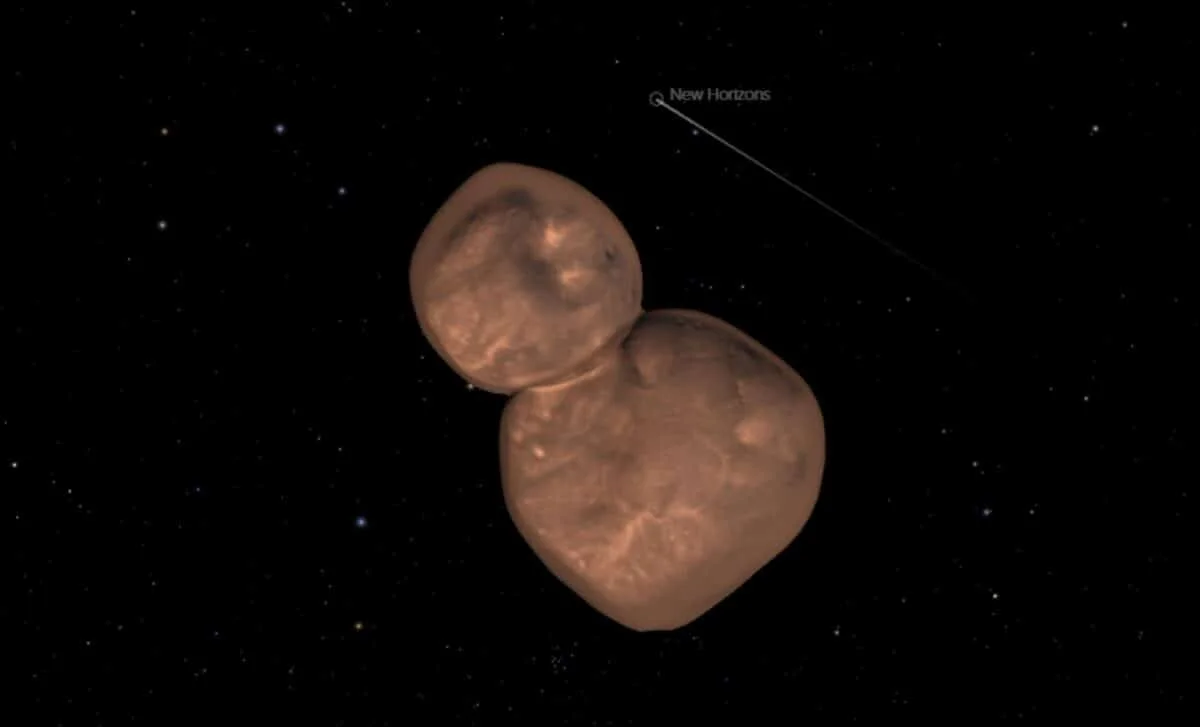
Scientists now believe 'Oumuamua is a fragment of an ancient Pluto-like body ejected from the solar system, composed mainly of nitrogen ice, and not a typical comet, providing new insights into the chaotic early history of our solar system.
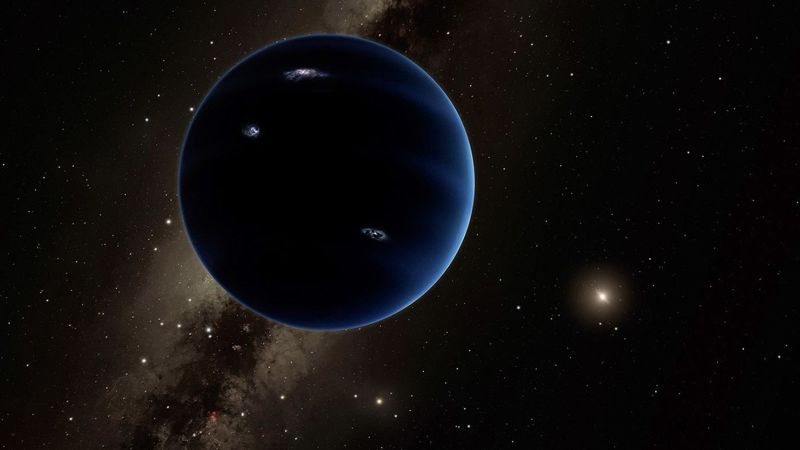
Scientists hypothesize the existence of a ninth planet, called Planet Nine, based on unusual clustering of Kuiper Belt objects and computer simulations suggesting a large, distant gas giant with an orbit 20-30 times farther from the sun than Neptune. However, its existence remains unconfirmed and controversial, with ongoing debates and challenges in observation.
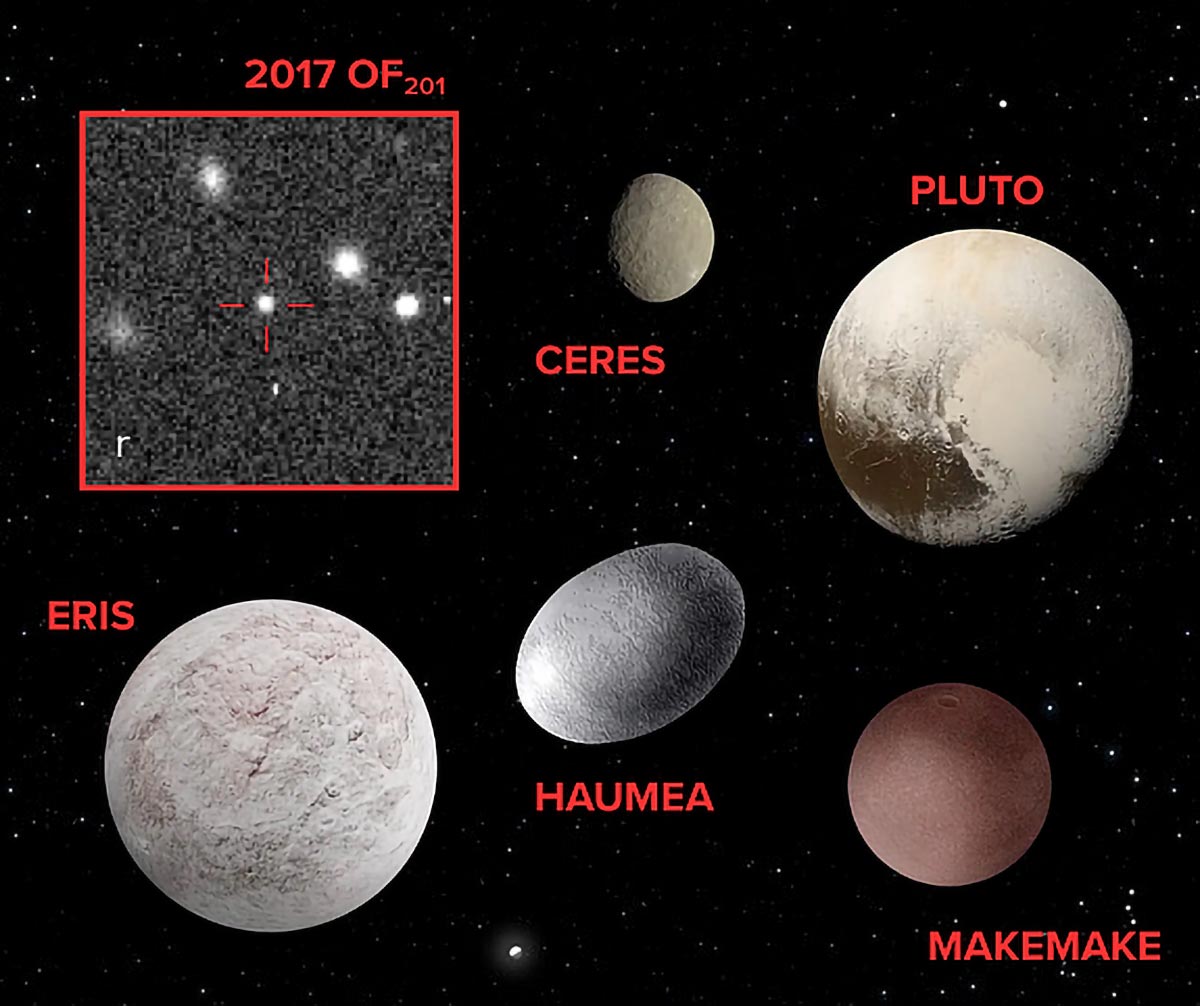
Astronomers have discovered a new trans-Neptunian object, 2017 OF201, which has a vast orbit and potential dwarf planet size, suggesting more hidden bodies exist beyond Neptune in the Kuiper Belt. The discovery challenges previous assumptions about the emptiness of this region and highlights the power of open science in astronomical research.
New research using the James Webb Space Telescope suggests that Pluto's moons Nix and Hydra may be composed of material ejected from Charon during its formation, indicating they could be fragments of Charon's interior. This supports the idea that these moons originated from debris created in a collision that formed Pluto and Charon, and they may still be interacting with Charon's surface today. The findings provide new insights into the history and composition of Pluto's satellite system.
Astronomers have identified a potential candidate for Planet Nine beyond Neptune using archival satellite data, sparking excitement and skepticism. The discovery's confirmation depends on future observations, particularly from the Vera C. Rubin Observatory, which could either verify or refute the existence of this elusive planet, potentially reshaping our understanding of the solar system.
Astronomers are exploring the possibility of a new, unseen planet called 'Planet Y' orbiting beyond Neptune, based on observed warp effects in Kuiper belt objects that suggest gravitational influence from a small, inclined planet. This hypothetical world could be smaller than Earth and located 100-200 AU from the Sun, with future observations from the Vera C. Rubin Observatory potentially confirming its existence.