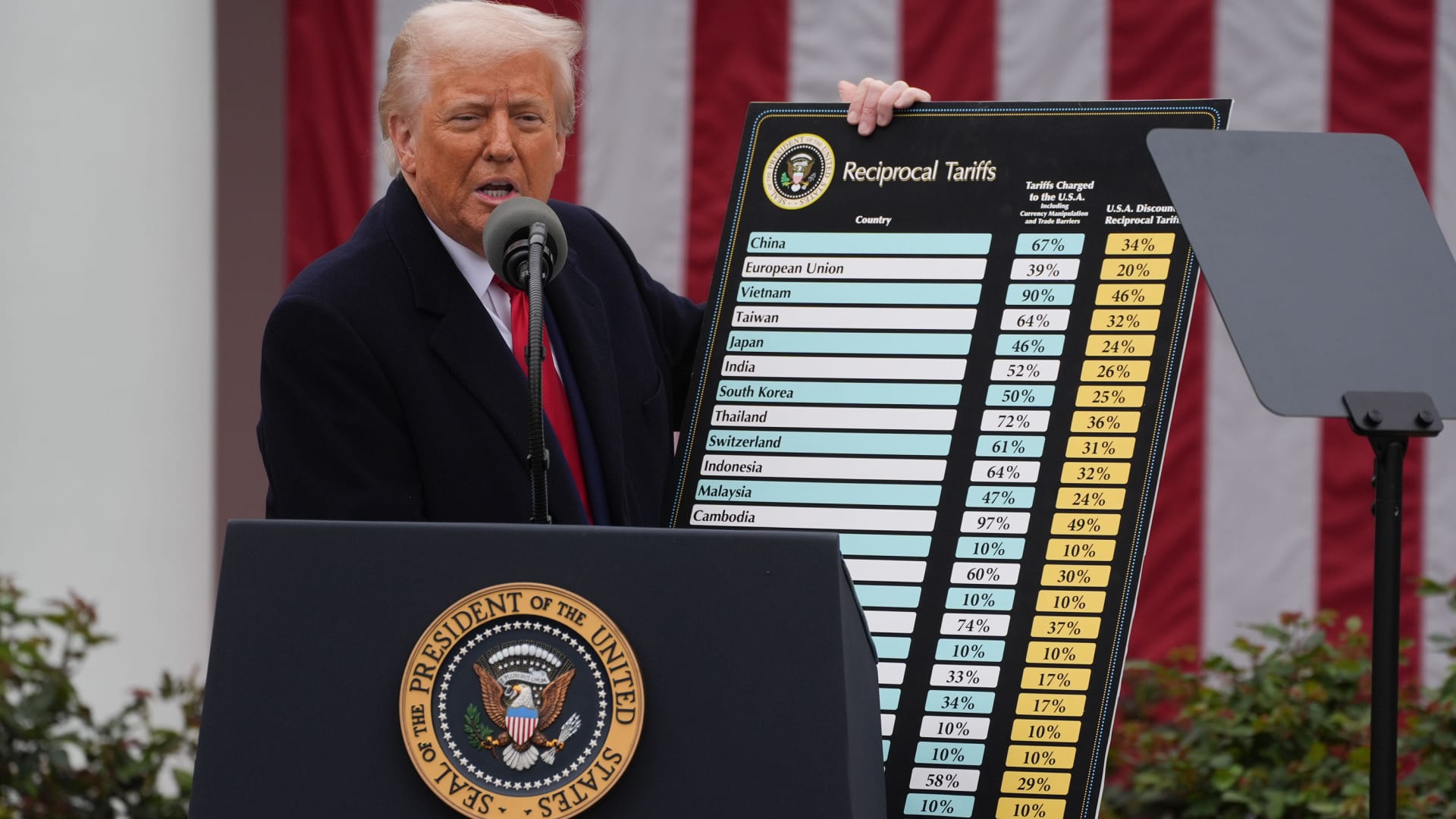
Tariffs continue to significantly influence the global economy, with ongoing US-China trade tensions, moderate growth forecasts for 2026, and various geopolitical and economic factors shaping future developments. Despite some mitigation, tariffs have increased costs and uncertainty, impacting global trade and economic growth.
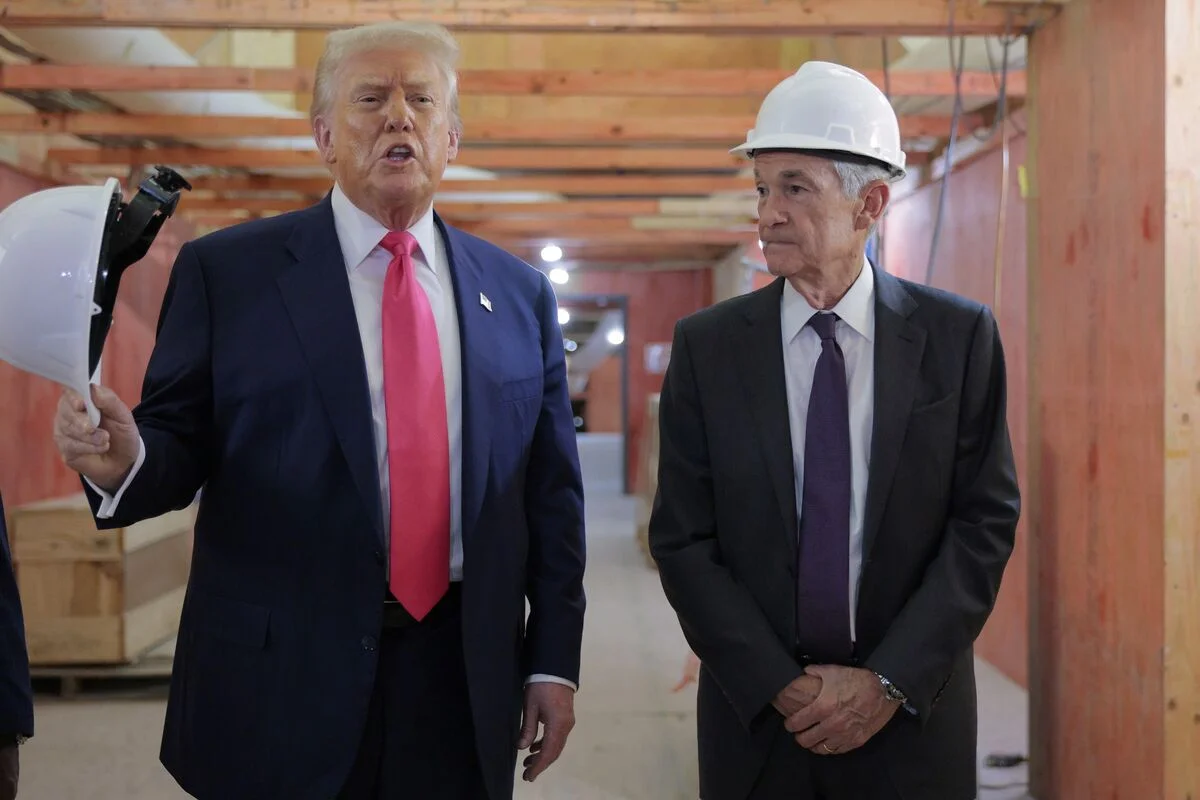
In 2025, key themes included a resilient stock market, ongoing trade policy debates, a booming yet skeptical AI sector, Federal Reserve's influence amid political pressure, and a diverging 'K'-shaped economy highlighting economic disparities and mixed signals.
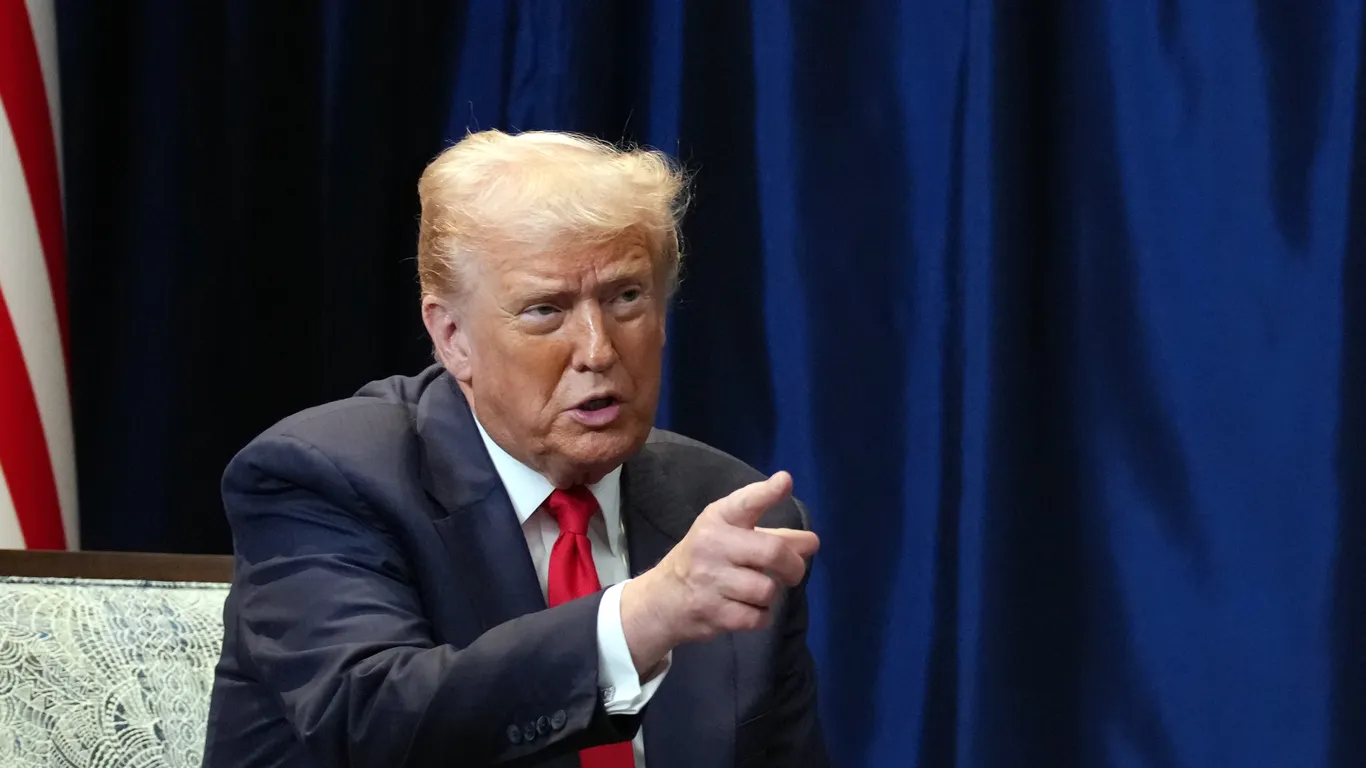
In 2025, the US economy experienced steady growth with a strong Q3, but faced challenges like sluggish job gains, rising unemployment, and persistent inflation. Trump's trade protectionism increased tariffs, boosting government revenue but creating mixed effects on trade deficits and business investment, which was largely driven by tech spending. Overall, the economy showed resilience, though some demographic groups and sectors faced difficulties.
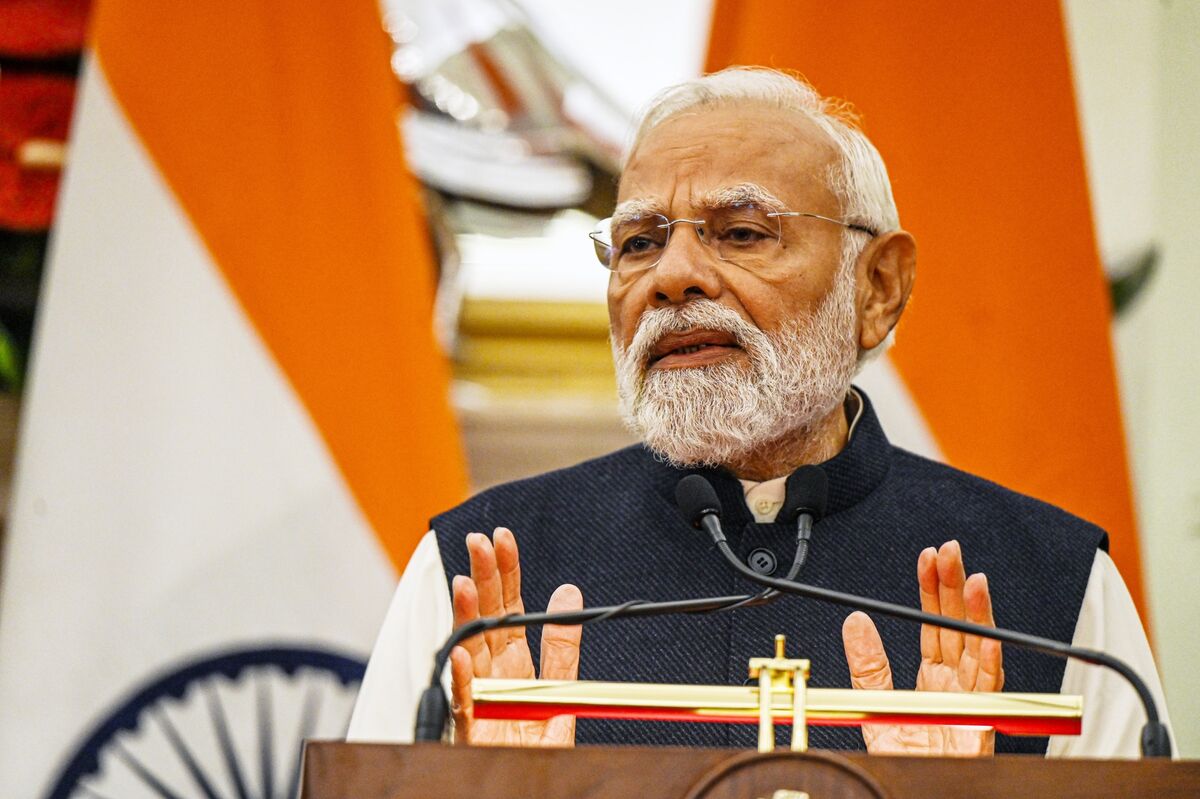
India's government, led by Modi, has approved significant reforms including opening the nuclear industry to private firms, allowing full foreign ownership of insurance companies, and unifying securities laws, aiming to attract investments and boost economic growth amidst US trade tensions. These measures are part of a broader strategy to diversify the economy, attract long-term capital, and achieve developed nation status by 2047, despite challenges like US tariffs and currency depreciation.
Small businesses in the US are pulling back on hiring and spending due to economic uncertainties, inflation, trade tariffs, and consumer confidence issues, highlighting their vulnerability to broader economic shifts despite their crucial role in employment and local economies.
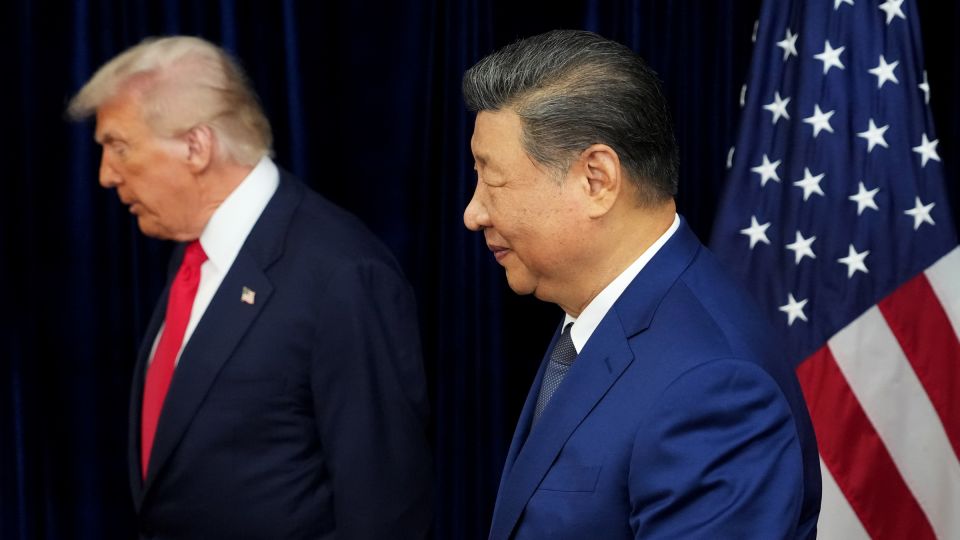
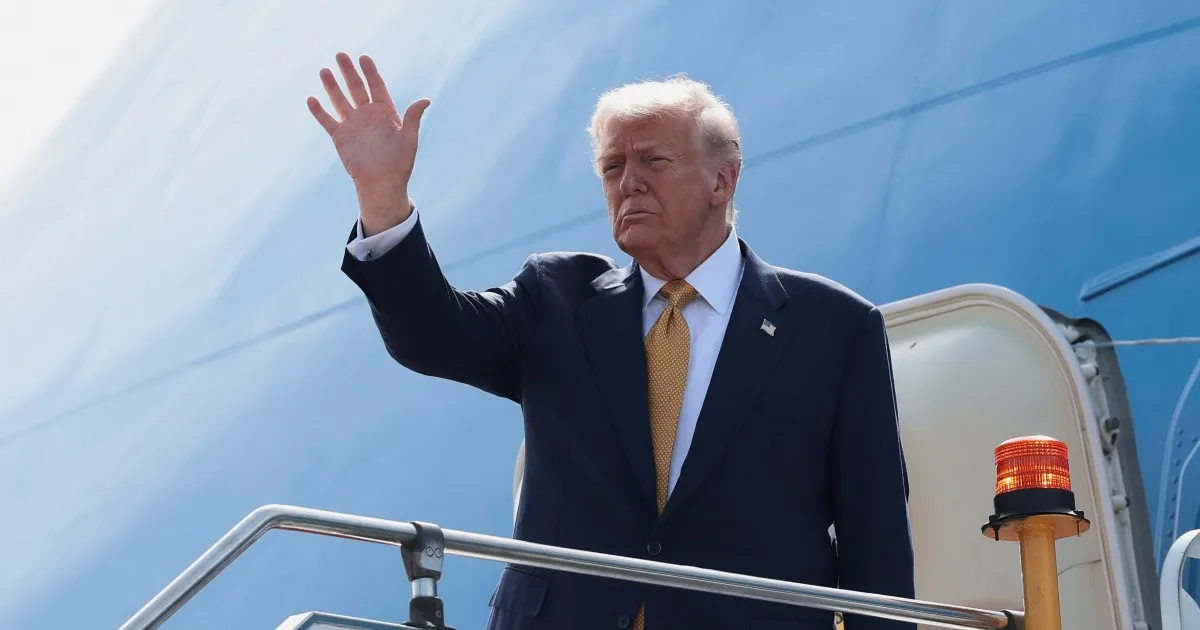
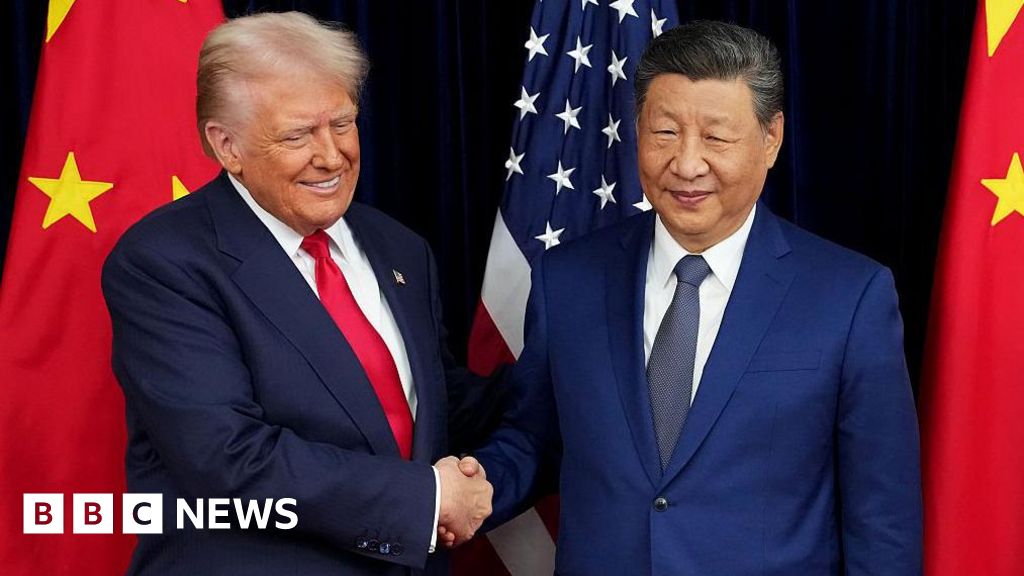
At the APEC summit in South Korea, Chinese President Xi Jinping took center stage in the absence of US President Donald Trump, who left after a meeting with Xi that eased trade tensions. Xi emphasized unity and openness among Pacific nations, while Trump’s protectionist policies continue to influence the global economic landscape. The summit focused on strengthening supply chains and cooperation amid shifting global trade dynamics.
The Senate voted 52-48 to repeal President Trump's tariffs on Brazil, with some Republicans joining Democrats in a symbolic rebuke of Trump's trade policies, though the House and Trump are unlikely to act on the measure.
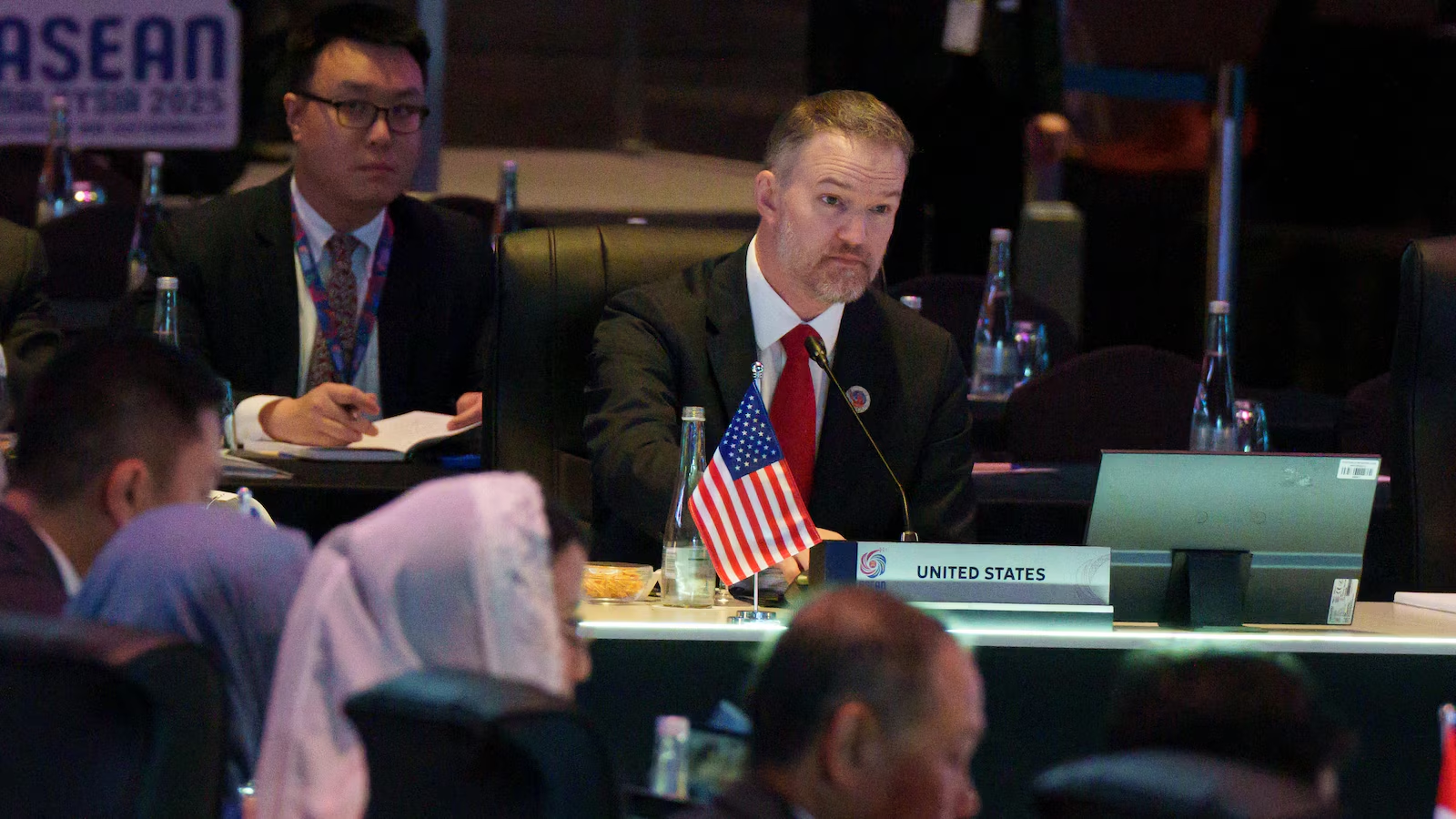
During the ASEAN summit in Malaysia, President Trump signed trade agreements with several Southeast Asian countries, offering tariff exemptions and commitments to reduce non-tariff barriers, but many questions remain about the enforcement of these deals and future tariffs, especially on semiconductors and transshipments.
This article discusses the challenges faced by U.S. farmers amid a record corn harvest, declining prices, and concerns over USDA data accuracy, amidst broader trade and economic issues impacting the farm economy.
Ford reported strong Q3 revenue but lowered its 2025 outlook due to supply chain disruptions and trade policy impacts. CEO Jim Farley credited recent tariff policies, especially those favoring U.S.-built trucks, for helping Ford remain competitive. The company is focusing on profitable gas and hybrid models while navigating tariffs, supply chain issues, and evolving emissions regulations, with a strategic emphasis on trucks and hybrids for the near future.
China is adopting US-style trade and export control measures, including export approval requirements for rare earths and establishing legal tools like the unreliable entity list, as a response to US tariffs and sanctions, signaling a tit-for-tat escalation in the ongoing trade war between the two nations.
China is adopting US-style trade and export control measures, including export approval requirements for rare earths and establishing legal tools like the unreliable entity list, as a response to US tariffs and sanctions, signaling a tit-for-tat escalation in their ongoing trade conflict.
S&P estimates that U.S. tariffs under Trump's administration will cost global businesses over $1.2 trillion in 2025, with most of the burden passed onto consumers, and highlights the potential long-term effects on profits and supply chains.
The Trump administration's new tariffs on imported furniture, wood, and housewares have taken effect, potentially increasing prices for consumers as economists estimate Americans will bear the majority of the added costs, which could impact home building and remodeling expenses.
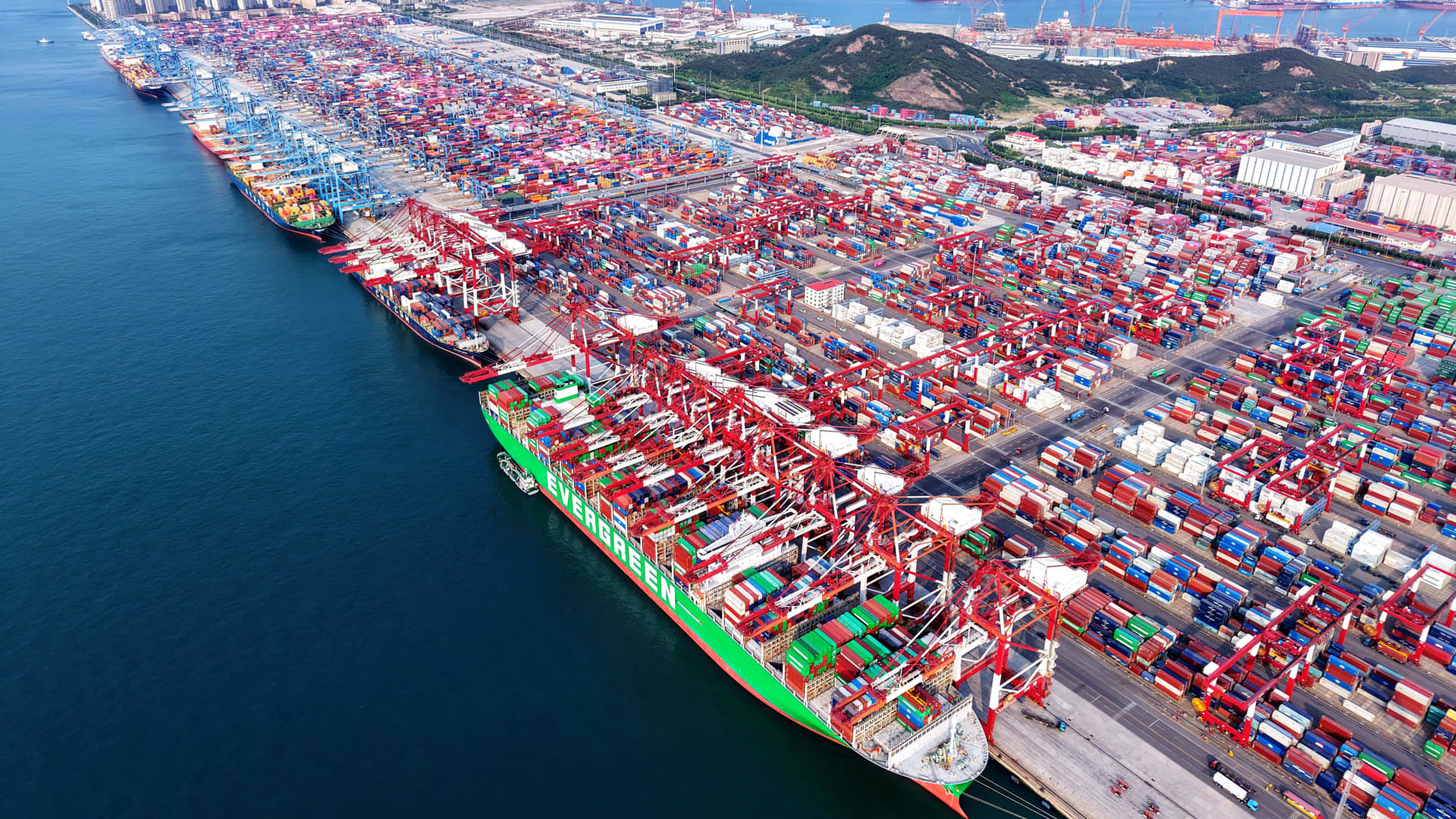
China's exports to the US fell 33% in August, marking a significant decline influenced by trade tensions and policy crackdowns, while overall exports growth slowed to a six-month low, prompting concerns over domestic demand and economic stability.