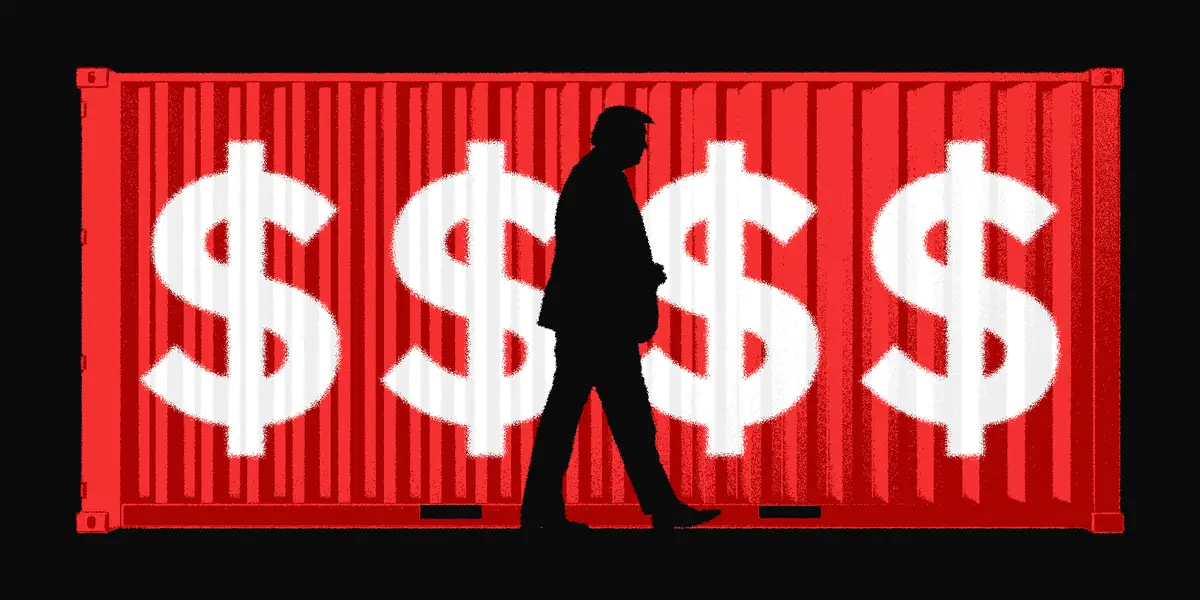
A study from S&P Global estimates that President Trump's tariffs will cost U.S. companies over $1.2 trillion in 2025, with most of this cost passed on to consumers, highlighting the economic impact of the ongoing trade tensions and tariffs.
S&P estimates that U.S. tariffs under Trump's administration will cost global businesses over $1.2 trillion in 2025, with most of the burden passed onto consumers, and highlights the potential long-term effects on profits and supply chains.
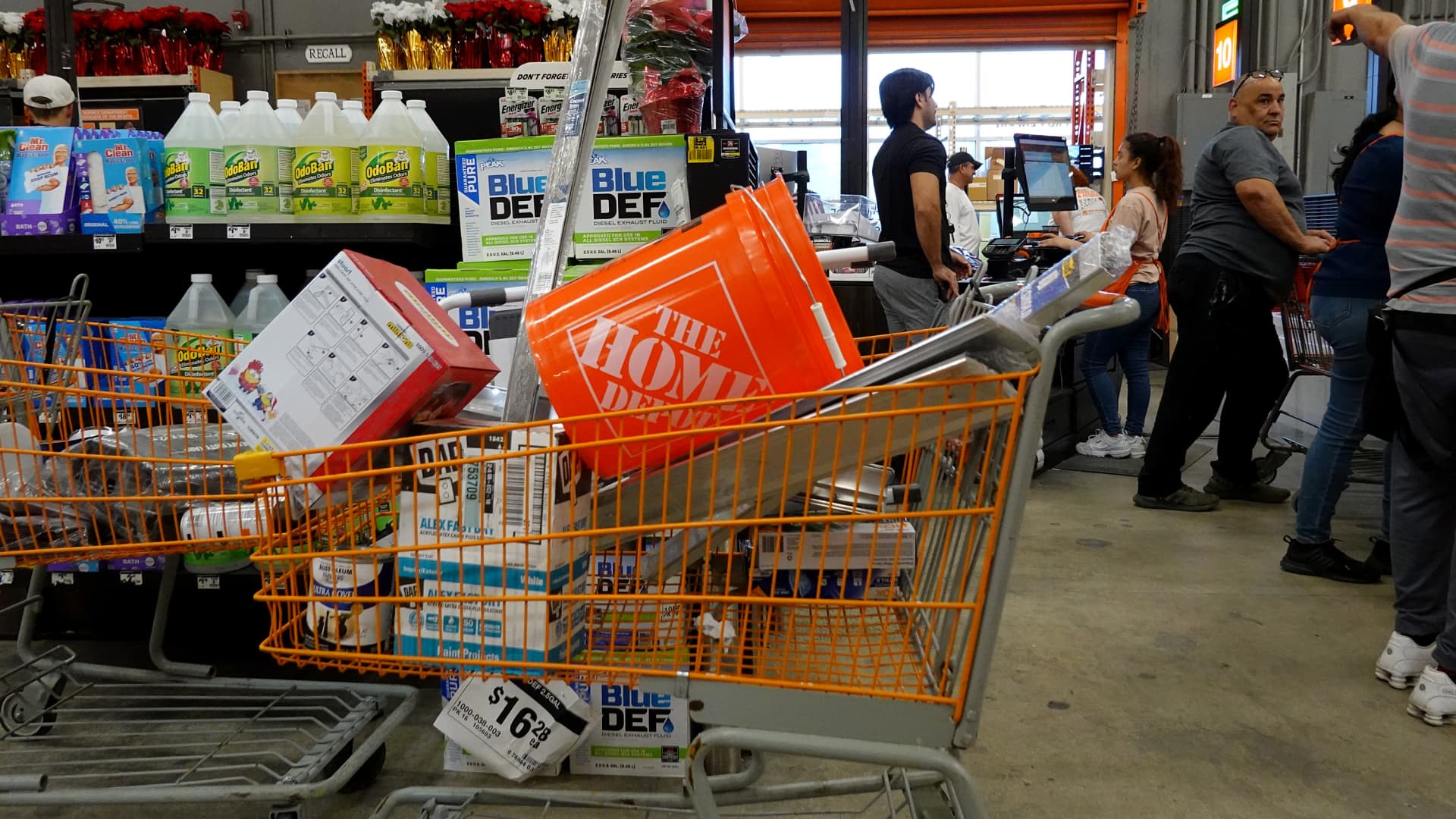
Businesses and consumers in the U.S. are anxious about potential tariffs under Donald Trump's administration, which could lead to higher prices on imported goods. Companies are already strategizing to mitigate the impact, such as altering supply chains and accelerating shipments. Consumers are considering making big purchases now to avoid future price hikes. The uncertainty surrounding the timing and extent of these tariffs is causing widespread concern, with experts warning that even American-made products could see price increases due to the ripple effects of tariffs.
President-elect Donald Trump's proposed tariffs on imported goods could lead to higher consumer prices and exacerbate inflation, according to economists. The tariffs, which may include a 10-20% universal tariff and a 60% tariff on Chinese goods, could cost the average U.S. household thousands of dollars annually. While the tariffs might generate significant revenue for the government, they are expected to reduce economic growth and result in job losses, as retaliatory tariffs from other countries could harm U.S. exports.
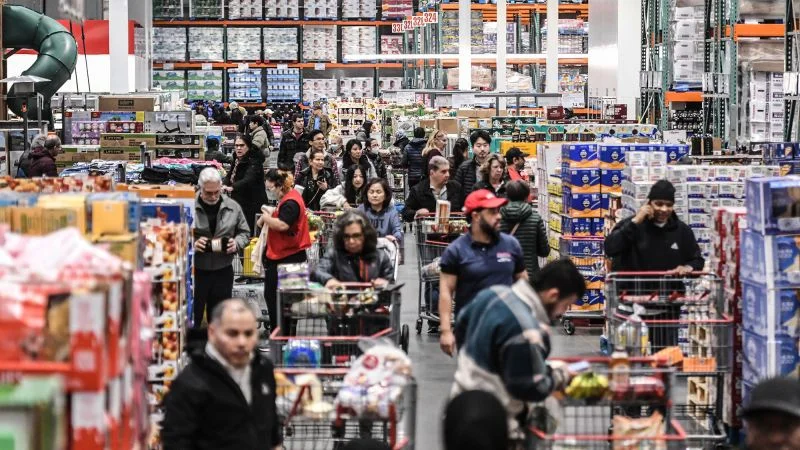
Retail chains are starting to lower prices as consumers reach a tipping point due to high inflation and economic pressures, prompting businesses to adjust their pricing strategies to maintain sales and customer loyalty.
CVS Pharmacy's new drug pricing system, CVS CostVantage, aims to simplify and increase transparency in the payment structure for prescription medications. However, it is unlikely to result in lower costs or greater clarity for consumers. The new model primarily affects the arrangements between CVS Pharmacy, pharmacy benefit managers (PBMs), and payors such as insurers and employers. While the initiative may reduce the cost of most drugs, the savings will be passed along to PBMs and payors, with no mention of cost savings for consumers. Critics question whether the move will actually decrease costs or if it is merely a response to pressure from Congress and competitors.
Home Depot's Chief Financial Officer, Richard McPhail, stated that the worst of the inflationary environment is behind them, providing hope for investors and consumers. While Home Depot predicts a drop in sales for the year, the normalization of trends brings predictability for the business and customers. Cooling inflation could potentially free up extra money for shoppers to spend elsewhere and speed up the end of interest rate hikes by the Federal Reserve. However, relief may not come soon enough for the holiday season, as the retail industry continues to face challenges in a soft spending environment.
Blackstone, a leading investment firm, has issued a warning about the potential impact on consumers from the recent surge in bond yields. The firm highlights that rising yields could lead to higher borrowing costs for consumers, including mortgages and other loans, which could ultimately dampen consumer spending and economic growth.
The Department of Justice has filed an antitrust lawsuit against Google, arguing that the company's business practices harm advertisers, consumers, competitor search engines, and the tech industry. Advertisers are locked into dealing with Google, limiting their ability to negotiate better terms, while small businesses struggle to compete with larger corporations for keywords. Consumers have limited options beyond Google, leading to concerns about consumer protection and search quality. Competitor search engines face barriers to entry due to Google's dominance. Google's control over search could harm the future of the tech industry, particularly in areas like artificial intelligence.
Walmart's sales have risen as consumers continue to hunt for bargains amidst inflationary pressures. The retail giant has benefited from increased foot traffic and higher spending as customers seek out affordable options.
Lawmakers in Washington, D.C. are considering a bill called the Credit Card Competition Act of 2023, which aims to reduce the "swipe fees" that retailers pay for credit card transactions. While this could benefit smaller retailers by lowering costs, it may jeopardize credit card rewards programs that rely on these fees to fund their offerings. Consumers, who earn billions of dollars in rewards annually, are concerned about the potential loss of these lucrative programs, which provide cash back or travel benefits. The bill's impact on consumers and retailers is a subject of debate, with some arguing that reduced fees would lead to lower prices, while others worry about the consequences for families and the potential for fraud protection to be affected.
The FCC is considering opening a formal Notice of Inquiry into the impact of internet data caps on consumers and competition. FCC chairperson Jessica Rosenworcel wants to ensure that data caps don't harm competition or impact access to broadband services. The regulator will seek comments to better understand why data caps persist despite increased broadband needs. The FCC has opened a new portal to allow consumers to share how data caps have affected them. The Commission wants to determine how data caps impact access for everyone, including those with disabilities, low-income consumers, and historically disadvantaged communities.
The International Energy Agency (IEA) has warned that the surprise oil output cuts from the OPEC+ producer group could worsen the projected supply deficit and derail the economic recovery. The IEA said that the energy alliance's "precautionary move" could spell bad news for consumers at a time of heightened economic uncertainty. The cuts add to Russia's existing plans to trim 500,000 barrels per day of its production from March until at least the end of the year. The combined voluntary cuts of OPEC+ members will be in excess of 1.6 million barrels per day.
During the pandemic, many businesses raised their prices due to higher costs. As some of those costs are coming down, it remains to be seen if companies will pass along the price relief to consumers. This decision sheds light on how corporations make pricing decisions.
A former Federal Reserve official argues that the Fed should continue to raise interest rates to prevent another banking crisis, but this could ultimately lead to consumers paying the price. The banking crisis of 2008 was caused by low interest rates and risky lending practices, and raising rates could prevent a similar situation from occurring. However, higher rates would also mean higher borrowing costs for consumers, potentially slowing down the economy.