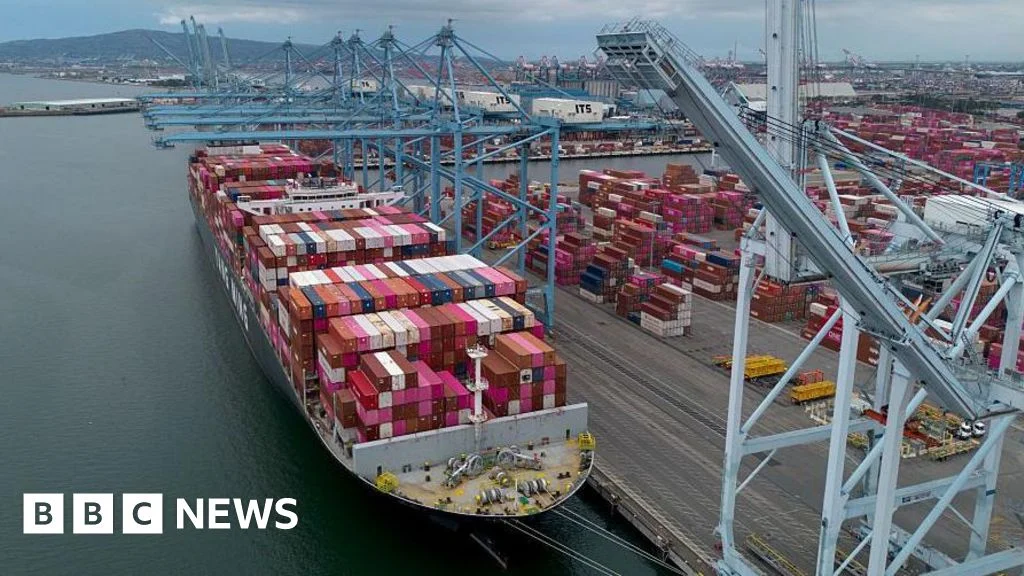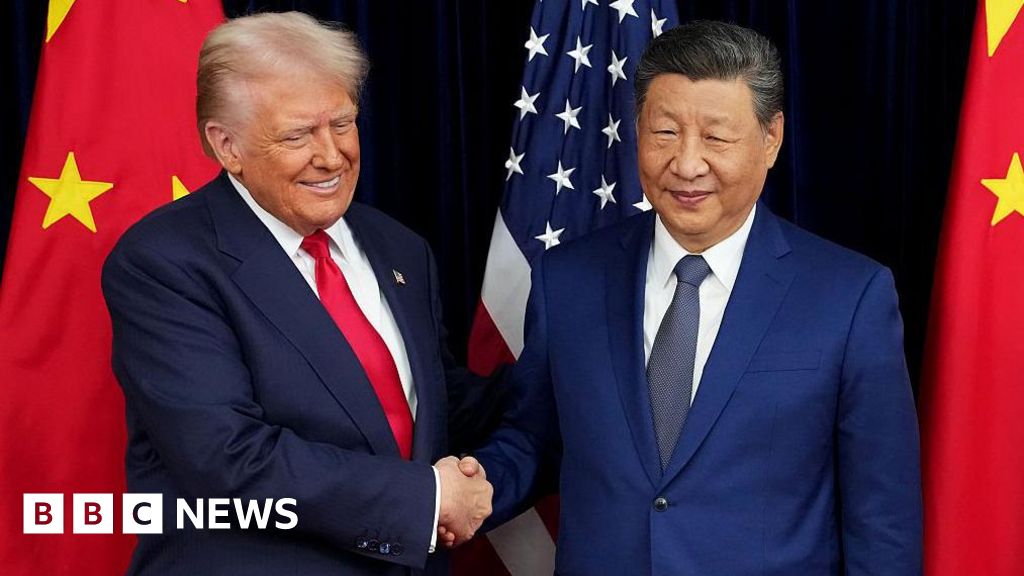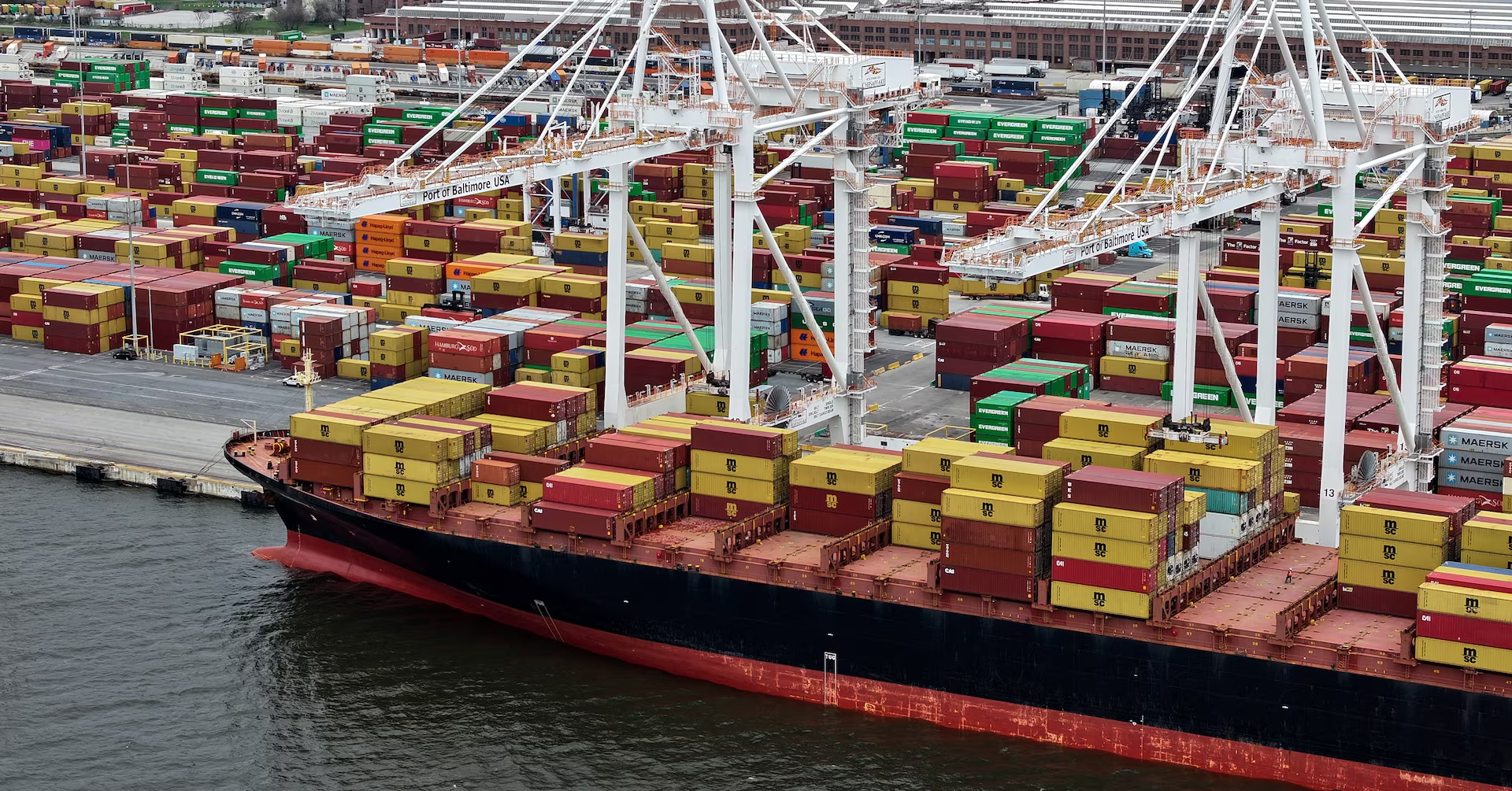
Tariffs continue to significantly influence the global economy, with ongoing US-China trade tensions, moderate growth forecasts for 2026, and various geopolitical and economic factors shaping future developments. Despite some mitigation, tariffs have increased costs and uncertainty, impacting global trade and economic growth.
The IMF reports positive progress in El Salvador's economic recovery, highlighting faster-than-expected growth, strong fiscal consolidation efforts, and ongoing structural reforms, with negotiations for the second review of the Extended Fund Facility continuing.
The IMF forecasts that US debt will surpass Italy and Greece by 2030 due to Trump's tax cuts and increased spending, with US debt rising from 125% to 143% of income, driven by large budget deficits and borrowing, while Italy and Greece work to control their debt levels amidst economic challenges.
The IMF warns that global government debt is projected to reach 100% of GDP by 2029, the highest since 1948, with the UK’s debt peaking at around 106%. The report highlights rising spending pressures, political challenges in raising taxes, and concerns over debt management, especially in emerging economies, urging a shift towards growth-friendly investments to ensure sustainability.
The IMF warns of a potential sharp correction in US stock markets, which are heavily concentrated in tech giants, and expresses concern over bond market stability and the growing risks posed by non-bank financial intermediaries, urging stronger regulation and maintaining central bank independence to prevent a future financial crisis.
The IMF warns of increased risks of a disorderly global market correction due to trade tensions, high asset valuations, and interconnected financial sector vulnerabilities, urging cautious monetary policy and fiscal adjustments to prevent a crisis.
The US is preparing a $20 billion currency swap to support Argentina's collapsing economy ahead of elections, signaling direct US intervention outside traditional multilateral channels, amid broader geopolitical and economic tensions involving China and reforms at the IMF and World Bank.
The IMF states that while US tariffs have had a smaller impact on the global economy than expected, it is premature to conclude they have no effect, as trade tensions and potential future tariffs continue to pose risks to economic growth.
The IMF reports that the global economy has shown resilience despite US tariffs, with a modest upgrade in growth forecasts for 2023, but warns of a dim outlook due to risks like trade tensions, immigration policies, and market valuations, alongside inflation concerns in the UK.
The IMF reports that a surge in AI-related investment has helped the US avoid a sharp economic slowdown, boosting growth and wealth, but raises concerns about inflation and market stability, while the global outlook remains cautiously optimistic.
Argentina is seeking a $20 billion bailout from the US Treasury to address its ongoing economic crises, inflation, and currency instability, with suggestions that dollarization could be a more effective solution. President Milei faces political challenges and has yet to implement key reforms, including replacing the peso with the dollar, which experts believe could stabilize the economy. The country's history of defaults and crises suggests that current measures may only provide temporary relief.
The IMF warns of increasing global economic uncertainties amid trade tensions, US-China conflicts, and a booming yet risky AI sector, urging policymakers to prepare for potential shocks as markets remain vulnerable to geopolitical and technological shifts.
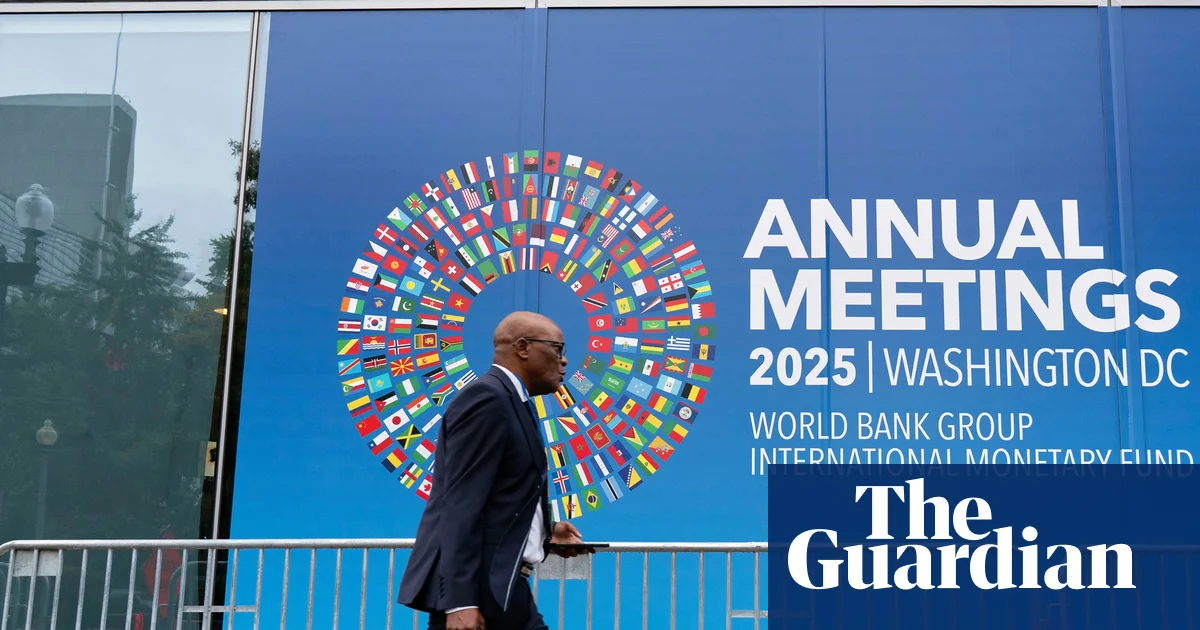
Central bankers and global policymakers are increasingly worried about a potential stock market bubble, especially related to AI companies, which could lead to a market crash and impact global growth, as discussed during the IMF/World Bank meetings.
Central bankers and global policymakers are increasingly worried about a potential stock market bubble, especially related to AI companies, which could lead to a sharp correction and impact global growth. Major financial institutions like the IMF and ECB have issued warnings, and upcoming meetings in Washington will focus on financial stability amid these concerns.