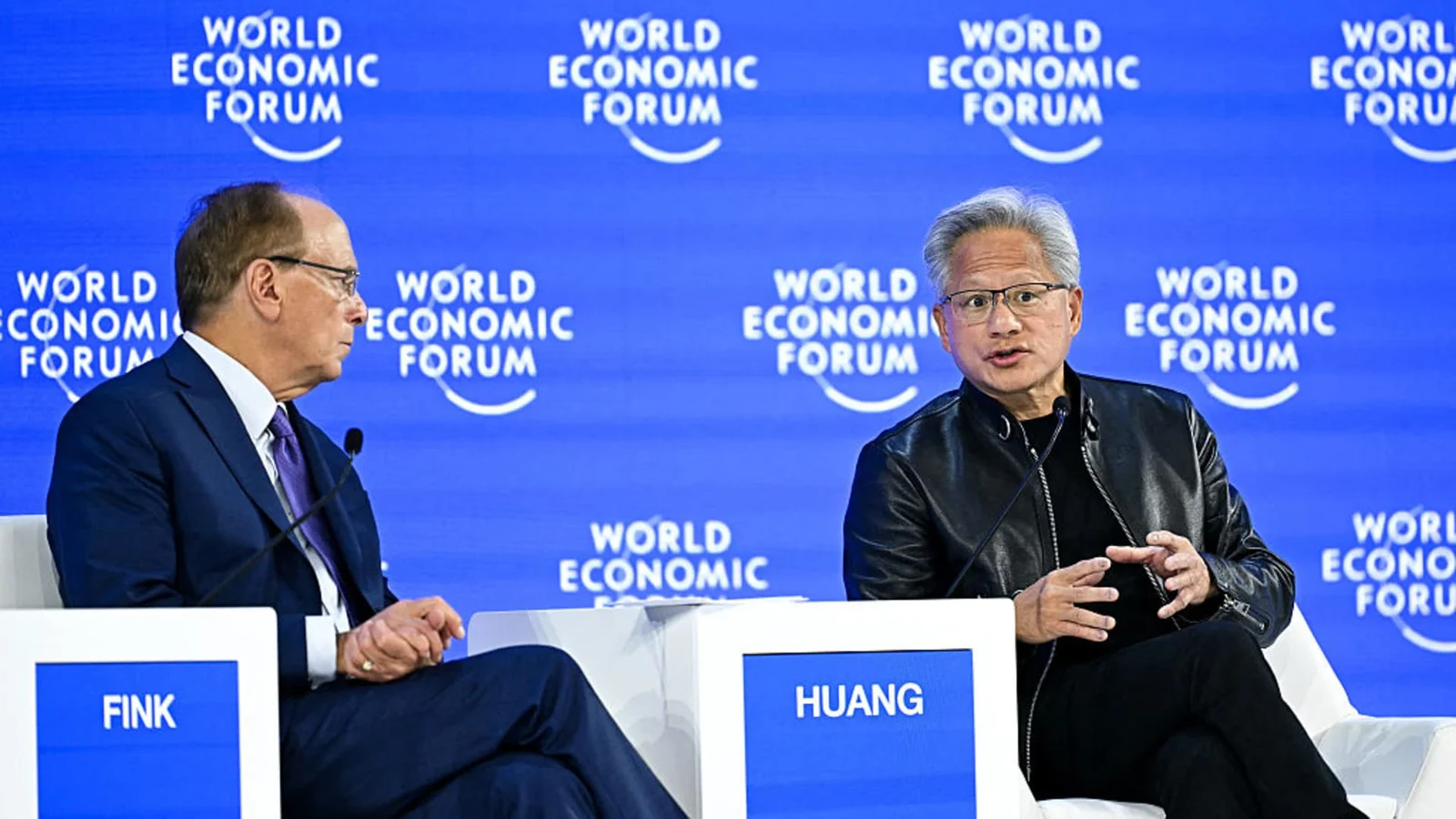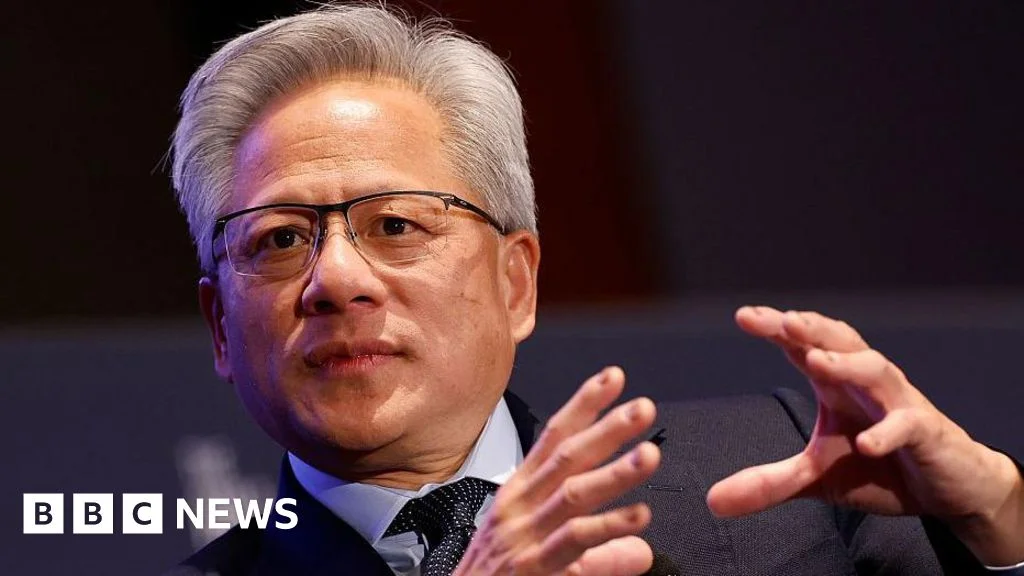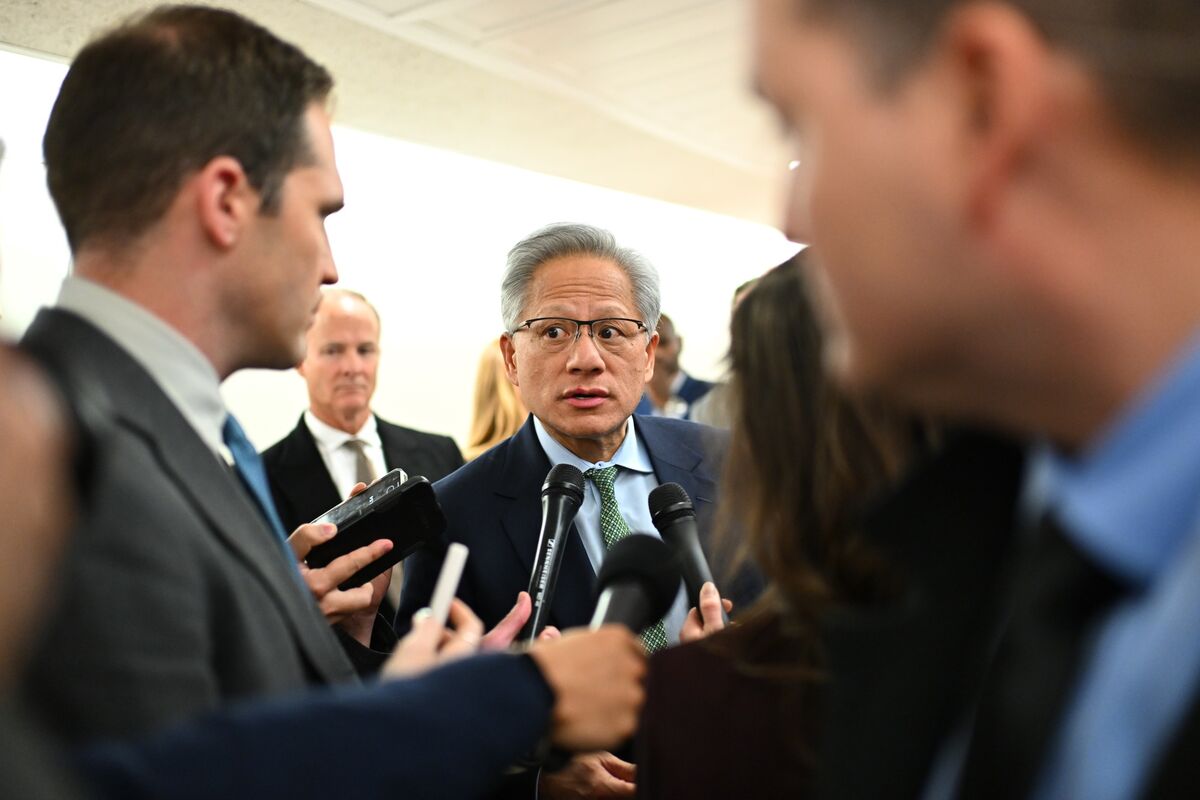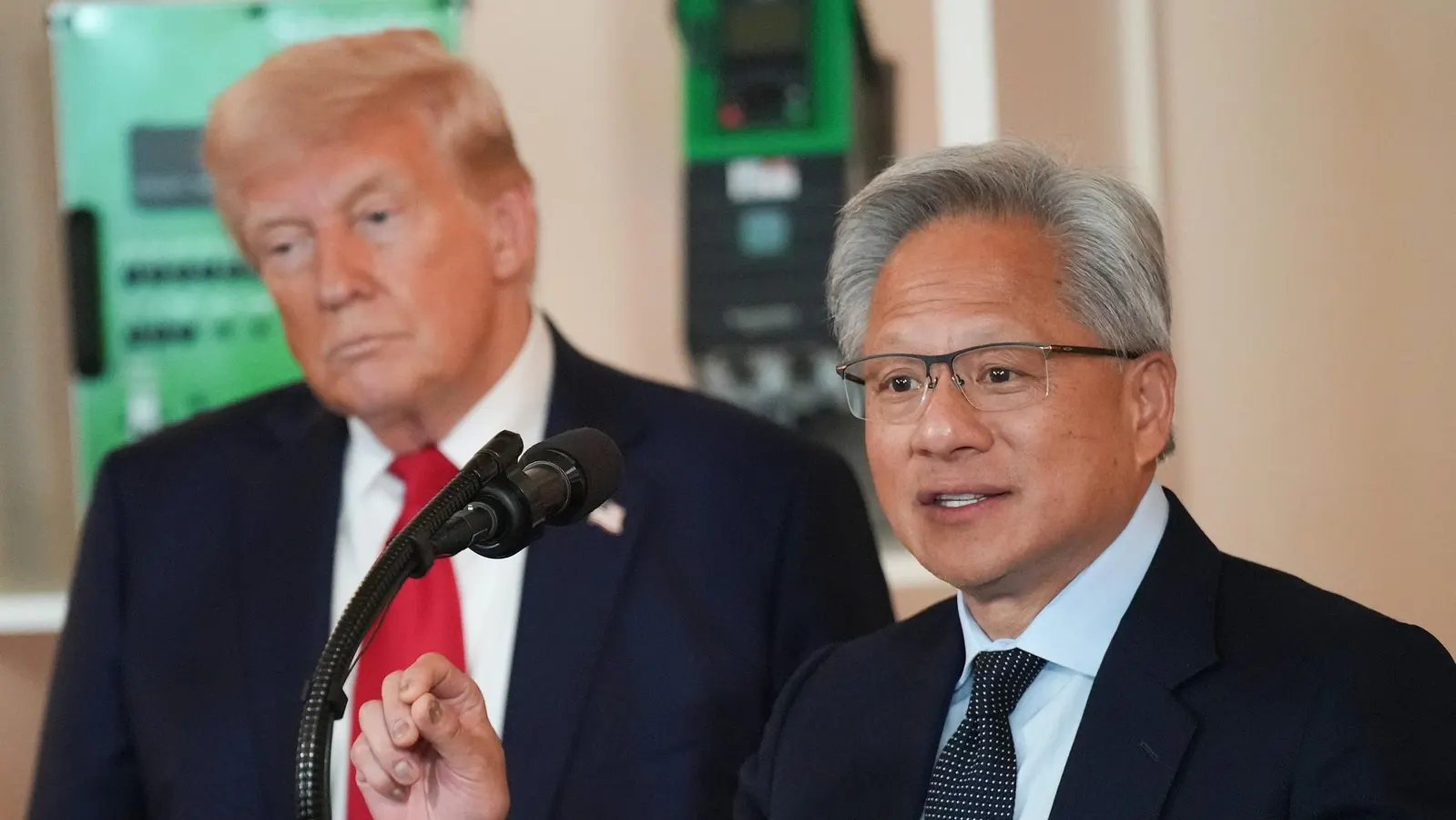
Nvidia CEO Jensen Huang met with President Trump to discuss the potential sale of H200 AI chips to China amid ongoing US export restrictions, but expressed uncertainty about China's acceptance of the chips if restrictions are eased. The outcome could significantly impact Nvidia's global market and US-China tech relations.
China has lifted export controls on Nexperia chips used in car manufacturing, easing supply chain concerns amid previous restrictions linked to Dutch ownership and Chinese export bans, which threatened global auto industry supply chains.
China has suspended certain export controls on critical minerals for a year following a recent summit, but has not addressed other commitments made to the White House, indicating partial compliance in ongoing trade negotiations.
President Trump announced he will allow Nvidia to sell AI chips to China but will restrict the sale of its most advanced Blackwell chips, emphasizing US control over cutting-edge technology. Nvidia's stock rose following the news, and discussions about chip sales continue between Nvidia, China, and the US government.
The US and China reached a one-year agreement to defer tighter export controls on rare-earth materials, boosting US efforts to reduce dependence on Chinese processing capacity, which currently dominates 85% of the global market. This development has positively impacted stocks like MP Materials, reflecting investor optimism about America's push for domestic rare-earth production, despite ongoing geopolitical tensions.
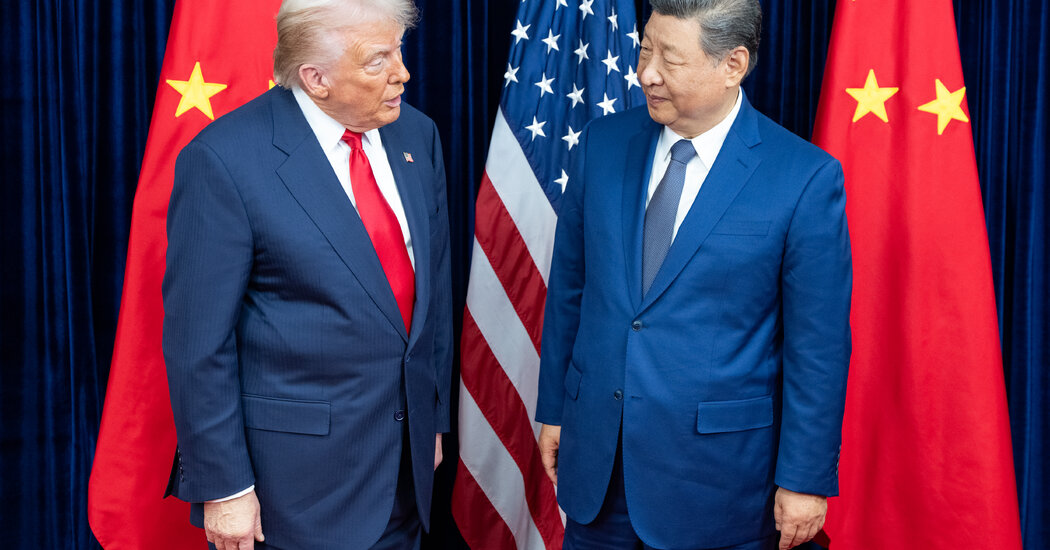
US President Donald Trump stated he did not discuss approving Nvidia's Blackwell chips sales to China with Xi Jinping, dampening speculation about easing export restrictions on advanced AI chips, though discussions about Nvidia's general access to China continue.
Shares of U.S.-listed rare earths miners surged after China agreed to delay export controls following a meeting between Trump and Xi, easing concerns over supply restrictions and boosting market confidence in critical minerals.
China has announced a one-year suspension of its planned export controls on rare earths, following a trade truce between the US and China at a summit in Seoul. This pause delays measures that would have expanded control over rare earth exports and products containing Chinese rare earths, providing more time for global efforts to develop alternative supply sources and reduce dependence on China. The move is part of broader negotiations and strategic responses by Western nations to China's dominance in critical minerals.
A Republican lawmaker warns against selling Nvidia's Blackwell AI chip to China, comparing it to giving Iran weapons-grade uranium, as experts argue it would significantly diminish US AI dominance and potentially end current export restrictions. President Trump has considered allowing a downgraded version of the chip to China, which could still enable China to surpass US AI capabilities, prompting concerns from US officials and experts about losing technological advantage and weakening export controls.
U.S. President Donald Trump indicated he might discuss Nvidia's advanced Blackwell AI chip with Chinese President Xi Jinping amid ongoing trade tensions and export restrictions that limit China's access to high-end U.S. AI technology, highlighting the complex trade and diplomatic negotiations surrounding technology exports between the U.S. and China.
The US and China are making progress towards a détente, addressing issues like rare earths, soybeans, and export controls, with signs of easing tariffs and tensions, though fundamental disagreements remain and full resolution is unlikely before the upcoming summit.
Rare earth stocks declined following news that China will delay new export controls amid ongoing US-China trade negotiations, with potential implications for military and tech supply chains. The situation remains uncertain as details of the deal are awaited, but the US is pushing to establish a non-China rare earth supply chain, with stocks like MP Materials and USA Rare Earth falling significantly.
Rare-earth stocks, including MP Materials, declined after positive US-China trade negotiations suggested China might defer export controls on rare-earth materials, which could impact the sector's shares but won't halt Western development of these critical materials used in technology and defense. Despite recent drops, the sector has seen significant gains this year, and US efforts to develop domestic production continue amid ongoing trade discussions.
China's C919 jet program faces delays and supply chain disruptions due to trade tensions and export restrictions, hindering its goal to challenge Boeing and Airbus in the global market. The reliance on Western components and certification hurdles are significant obstacles to its international expansion, despite China's ambitions for the aircraft.
China's recent restrictions on rare earth exports have sparked international backlash and heightened tensions with the US, with negotiations underway that could lead to increased tariffs and shifts in global supply chains, as both sides seek a deal amid growing geopolitical and economic pressures.