A closely watched model, the Beveridge curve, suggests the US labor market may be on the verge of deterioration despite steady unemployment figures, with indicators like falling job vacancy rates and the jobs-workers gap signaling potential recession risks. Economists warn that even small shocks could lead to a sharp rise in unemployment, highlighting ongoing fragility in the labor market.
The U.S. experienced its worst job growth since 2020 in 2025, with only 584,000 jobs added and a slowdown in hiring across sectors, reflecting a cautious labor market amid economic uncertainties and policy impacts, despite some positive signs like wage increases and lower unemployment benefits claims.
US employment growth in December was modest, with 50,000 jobs added, marking the weakest year of growth since the pandemic, amid economic uncertainty and debates over interest rate policies. The unemployment rate decreased to 4.4%, and the labor market remains in a subdued 'no hire, no fire' phase, influencing upcoming Federal Reserve decisions on interest rates.
US job growth in December was weaker than expected with a 50,000 increase, but the unemployment rate fell to 4.4%, indicating a mixed labor market outlook. The year saw the slowest job gains outside of a recession since 2003, reflecting a hiring recession despite strong economic growth and consumer spending. The report influences Federal Reserve interest rate decisions amid ongoing economic uncertainty.
U.S. unemployment benefit claims increased slightly in the last week of 2025 but remain at historically low levels, indicating a still-robust labor market despite signs of weakening.
Americans are increasingly pessimistic about their job prospects, with the perceived probability of finding a job at a record low of 43.1%, amid a sluggish labor market characterized by low hiring, high uncertainty, and uneven growth across sectors, especially impacting lower- and middle-income Americans.
Federal Reserve Bank of Philadelphia President Anna Paulson indicated that further interest rate cuts might be delayed as the economy stabilizes, with a cautious outlook on inflation and the labor market, suggesting only modest adjustments later in the year.
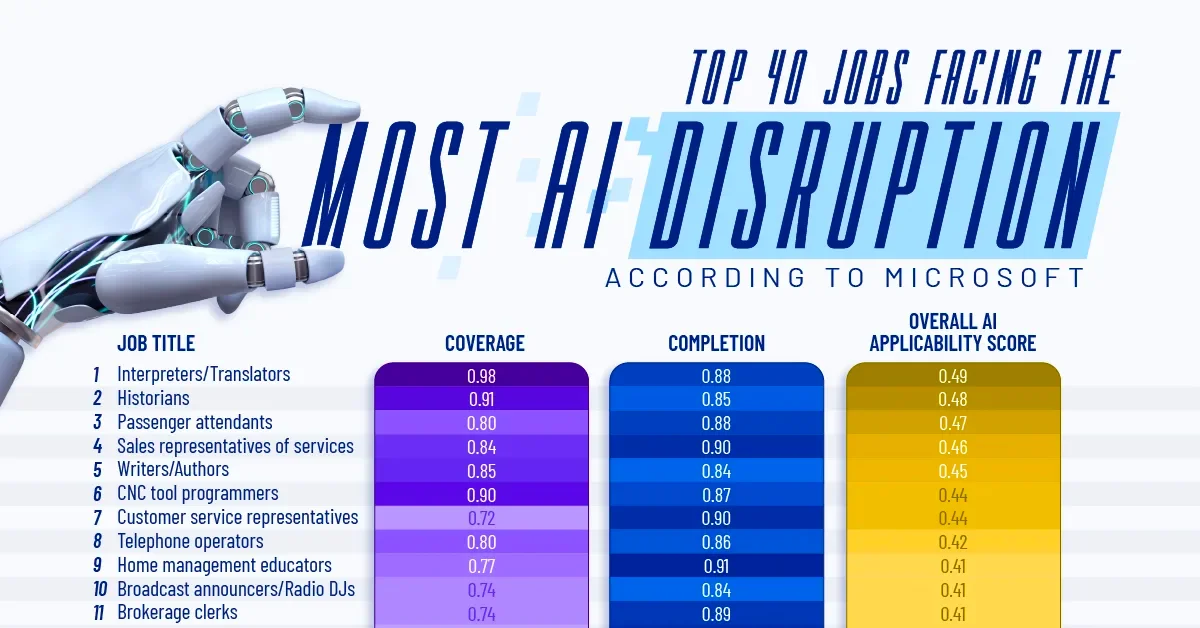
The speech discusses cautious optimism for 2026, highlighting progress in inflation reduction, especially in housing and core services, and the need for clarity on economic growth and labor market trends amid divergent signals. It emphasizes the importance of monetary policy in maintaining price stability and maximum employment, while considering structural changes like AI's influence on productivity and employment. The speaker advocates for patience and credibility in policy decisions, aiming for a balanced approach to economic stability.
Federal Reserve Bank of Philadelphia President Anna Paulson indicated that modest interest rate cuts could be appropriate later in 2026 if the economy remains benign, with inflation expected to moderate and the labor market stabilizing, though risks remain elevated. She noted current policy is slightly restrictive, helping to bring inflation to the 2% target, and highlighted uncertainties due to tariffs and recent economic data. Policymakers are divided on rate adjustments, with some favoring holding rates steady until more data is available.
As 2026 approaches, experts express concerns about a fragile US economy with a weak labor market, rising unemployment, and potential inflation shocks driven by structural changes, migrant worker deportations, and policy issues, despite optimistic forecasts from the Federal Reserve and Wall Street.
In 2025, the US economy experienced steady growth with a strong Q3, but faced challenges like sluggish job gains, rising unemployment, and persistent inflation. Trump's trade protectionism increased tariffs, boosting government revenue but creating mixed effects on trade deficits and business investment, which was largely driven by tech spending. Overall, the economy showed resilience, though some demographic groups and sectors faced difficulties.
The U.S. labor market is experiencing its weakest growth since 2011, with job creation stalling despite strong GDP figures, driven by increased productivity and AI, leading to concerns about 'jobless growth' and a challenging environment for job seekers, especially younger generations, in the coming years.
US unemployment claims decreased to 214,000 last week, indicating a still healthy labor market despite signs of weakening, with recent job cuts and revisions suggesting a potential slowdown in job creation.
U.S. jobless claims have decreased to 214,000, lower than last year, indicating a stable low-layoff environment despite minimal hiring, with the labor market expected to remain slow but stable into 2026.
The demand for Santa Claus performers has decreased due to economic slowdown and structural changes like fewer malls and increased online shopping, leading to softer demand and more available Santas, despite a potential demographic shift that could benefit seasonal Santa jobs. The overall labor market challenges are affecting even iconic seasonal roles, with hiring for Santas down nearly 30% compared to previous years.