Vietnam's Bac Ninh has transformed from a traditional rice-farming region into a bustling manufacturing hub, attracting foreign investment and Chinese companies shifting out of China due to trade tensions. Despite rapid growth, challenges like rising labor costs, infrastructure limits, and competition from other Southeast Asian countries threaten its trajectory. Vietnam aims to upgrade its industry to higher-value products and diversify export markets to sustain its economic momentum.
Foreign investment in oil, tourism, and construction is expected to be central to Venezuela's economic recovery over the next two years, with investors showing cautious optimism following the ousting of President Maduro and the US's involvement in the country's political situation.
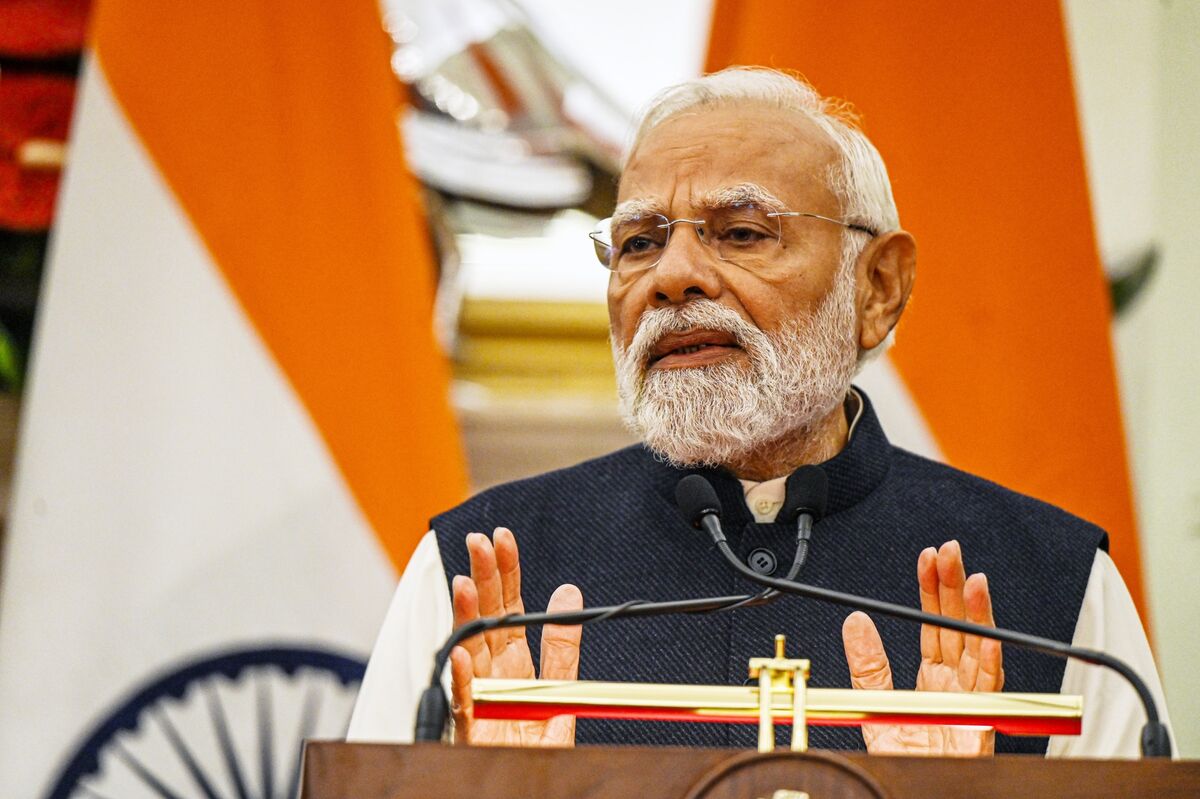
India's government, led by Modi, has approved significant reforms including opening the nuclear industry to private firms, allowing full foreign ownership of insurance companies, and unifying securities laws, aiming to attract investments and boost economic growth amidst US trade tensions. These measures are part of a broader strategy to diversify the economy, attract long-term capital, and achieve developed nation status by 2047, despite challenges like US tariffs and currency depreciation.
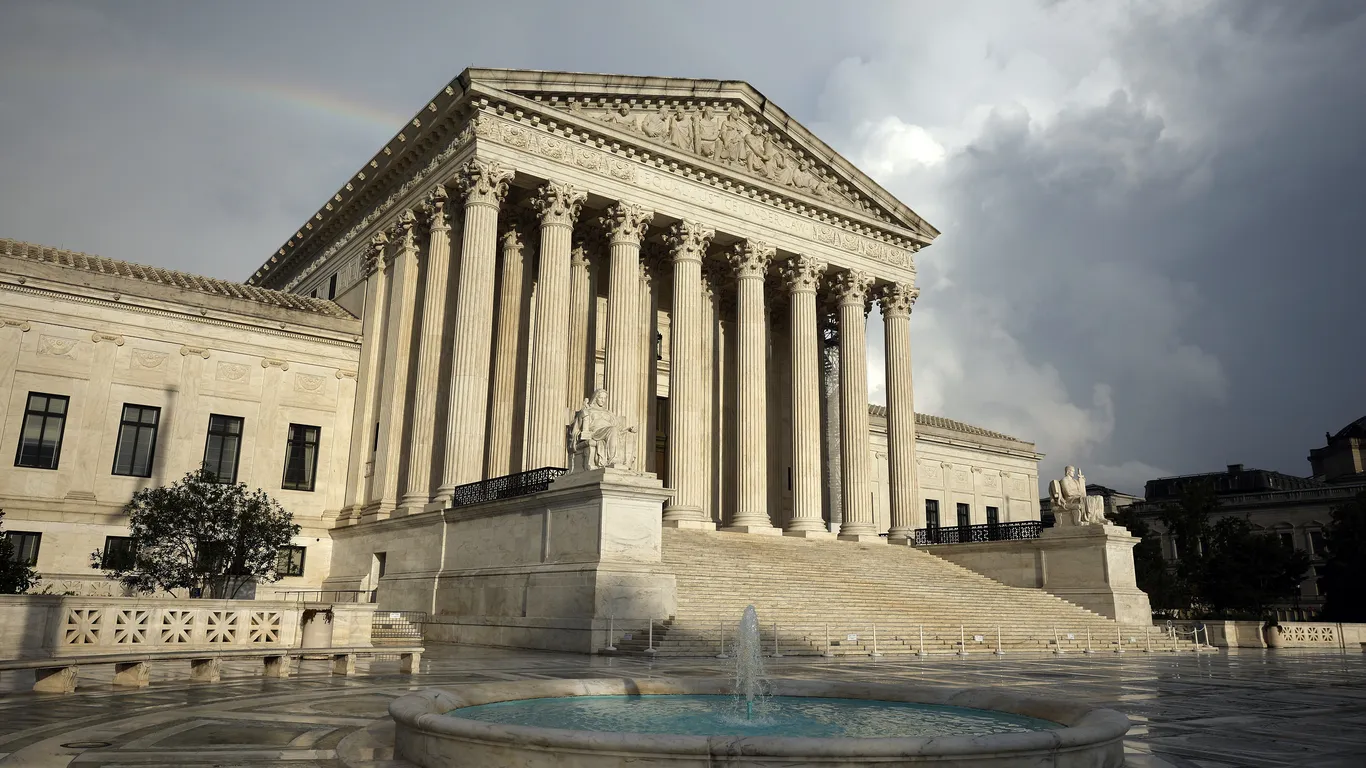
The Supreme Court is considering a challenge to President Trump's tariff powers, which could limit his ability to impose tariffs unilaterally, potentially affecting foreign investment agreements and international commitments, with significant implications for U.S. economic policy and foreign relations.
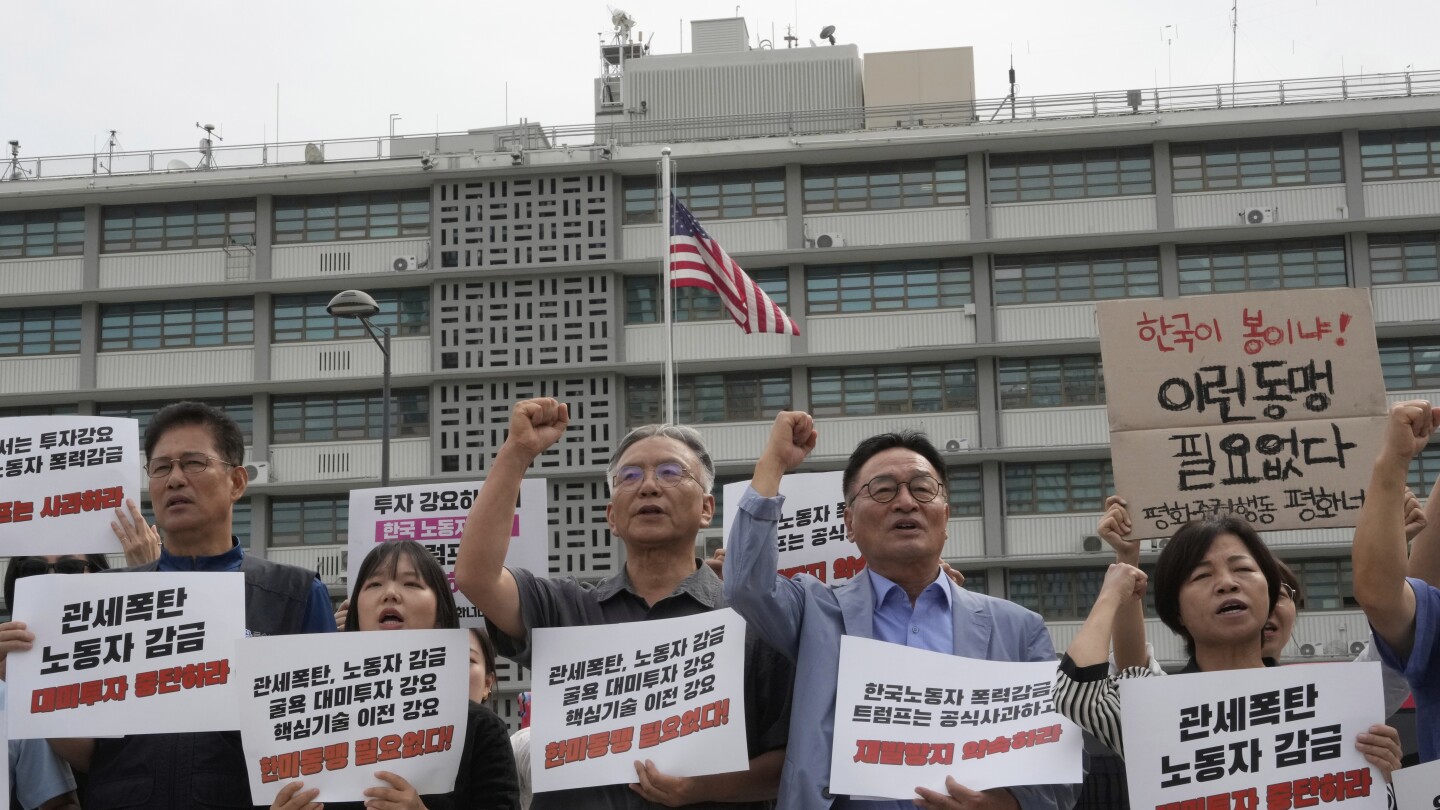
Tensions persist between the US and South Korea over high-skilled visa policies amid concerns from Korean businesses about immigration raids and the need for a streamlined system to facilitate their investments and operations in the US, despite ongoing negotiations and mutual interest in economic cooperation.
Global investors are pouring approximately $15 billion into Indian banks this year, driven by the country's rapid economic growth, digital adoption, and stable regulatory environment, despite US credit jitters and trade tensions. Major deals include Emirates NBD's $3 billion investment in RBL Bank and IHC's $1 billion stake in a shadow bank, highlighting India's appeal as a lucrative market for foreign banks and investors. However, success in building profitable retail franchises remains uncertain due to intense local competition and past sector challenges.
Originally Published 3 months ago — by Hacker News
The Dutch government has intervened to take control of Chinese-owned chipmaker Nexperia due to concerns over technological knowledge leakage and economic security, marking a rare use of a law from 1952 to protect strategic industries in Europe.
Vietnam is awaiting FTSE Russell's decision on whether to upgrade its stock market from frontier to emerging status, which could attract billions in foreign investment and significantly impact its market classification and investor confidence.
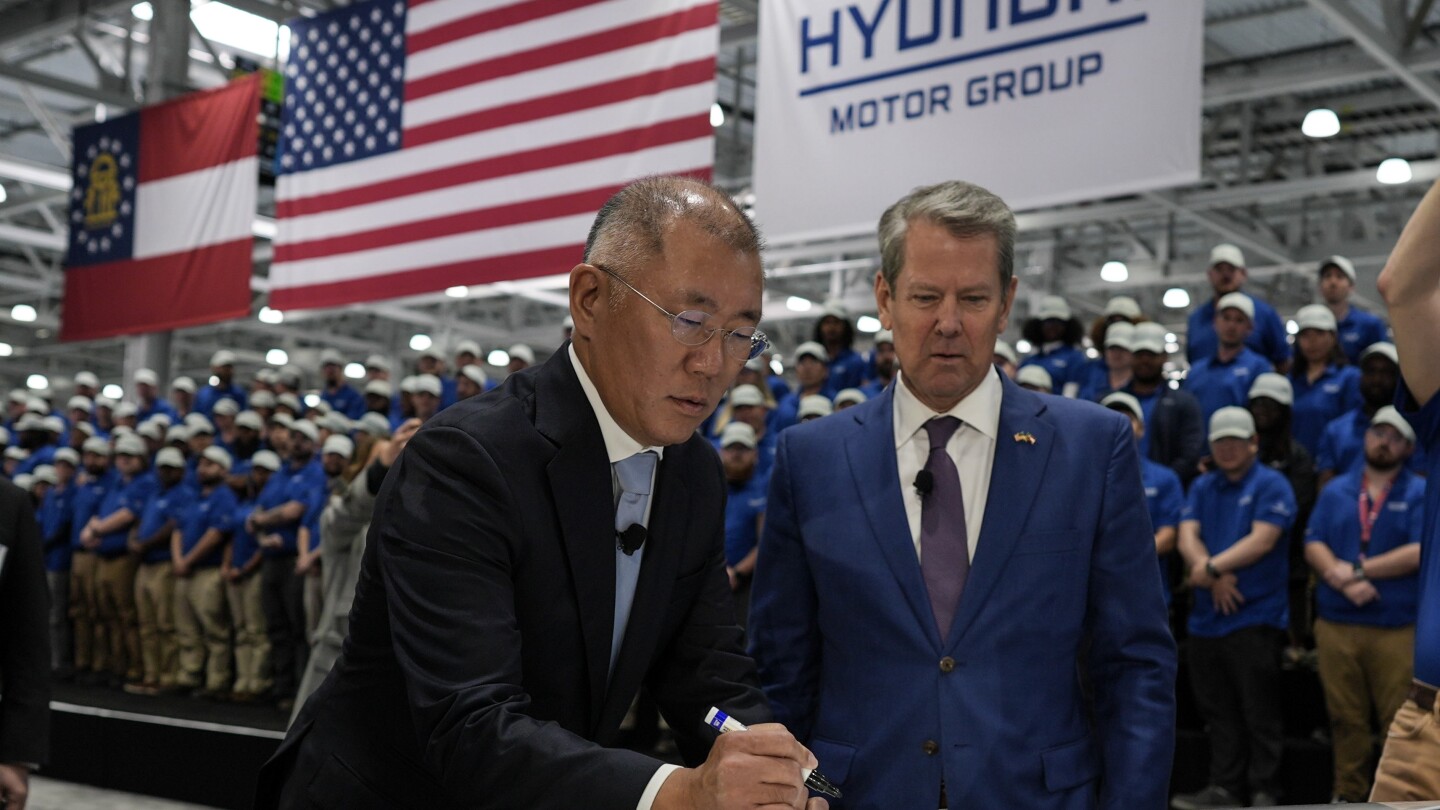
President Trump's efforts to boost U.S. manufacturing through foreign investment are being hindered by his immigration crackdown, exemplified by a raid on a Hyundai battery plant in Georgia that strained relations with South Korea and highlighted issues in the U.S. visa system, which complicates bringing skilled foreign workers for factory setup. Despite promises to make the U.S. more business-friendly, the enforcement actions risk deterring foreign investment and cooperation.
Georgia Governor Brian Kemp faces a challenge balancing his tough immigration stance with his efforts to attract foreign investment, highlighted by a recent raid on a battery plant that detained over 300 South Korean workers, raising questions about the state's relationship with foreign investors and its immigration policies.
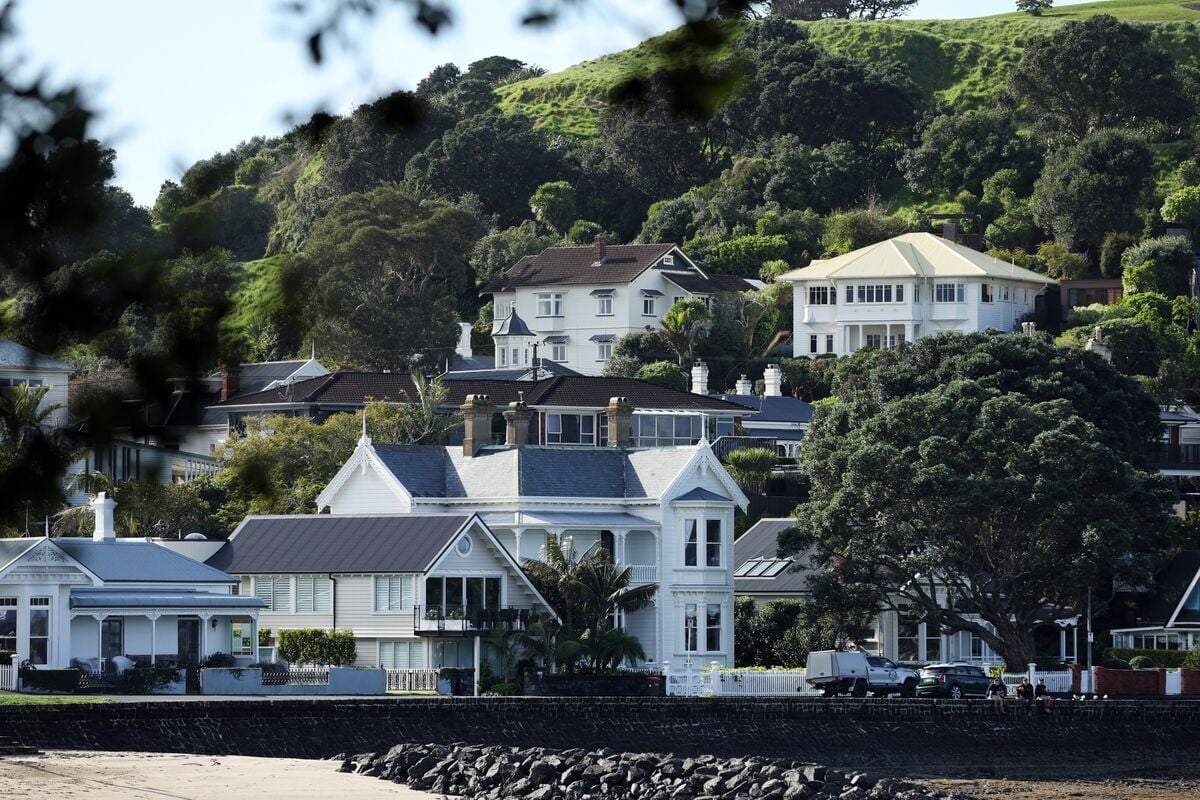
New Zealand is relaxing its restrictions on foreign buyers by allowing golden visa holders to purchase luxury homes worth at least NZ$5 million, aiming to attract high-net-worth individuals and boost its economy, with the change expected to take effect at the end of the year after legislative approval.
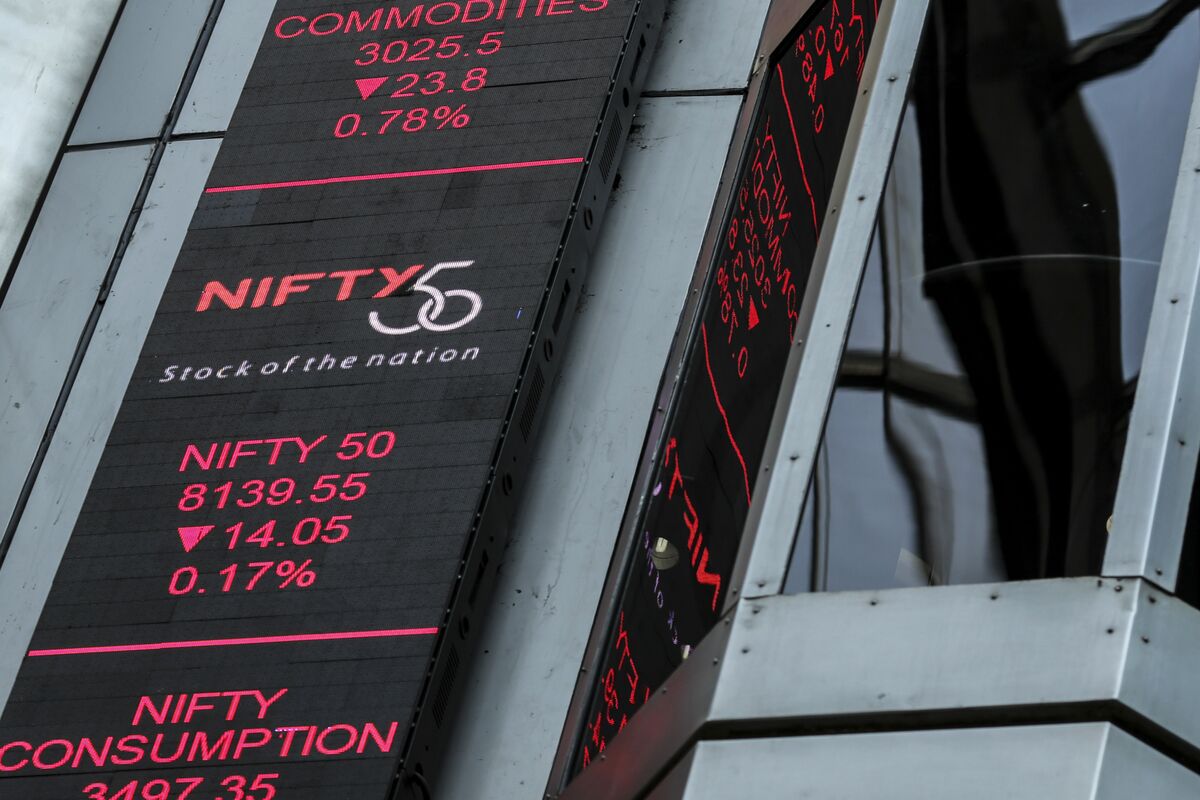
India's stock market faces further decline after the US announced a 25% tariff on Indian exports, leading to a $248 billion loss in market value and increased investor caution amid concerns over slowing growth and high valuations, though IPO activity remains strong.
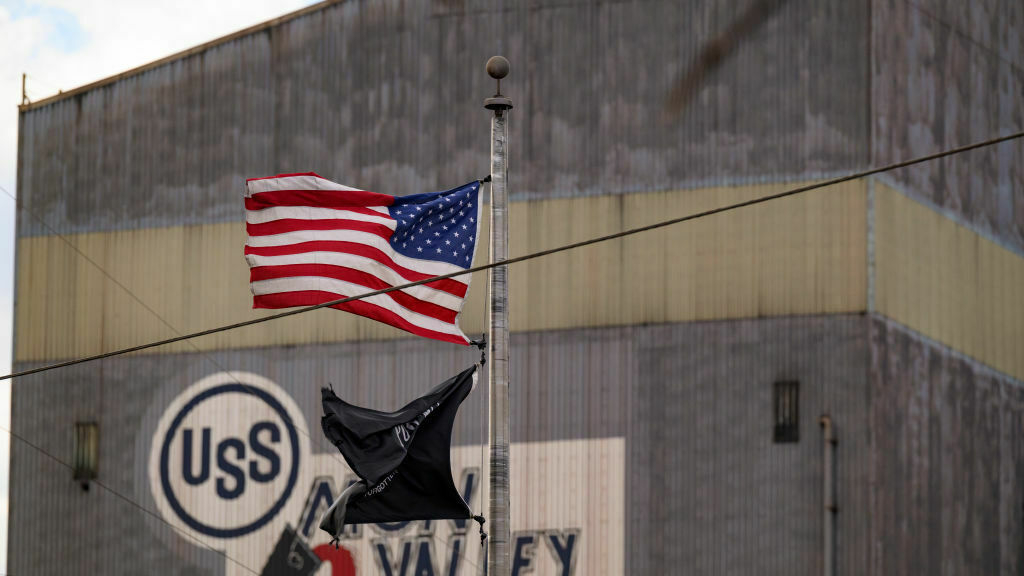
The U.S. government, under President Trump, approved the sale of U.S. Steel to Japanese company Nippon Steel with a 'golden share' that grants the U.S. certain control rights, raising questions about government intervention in foreign investment and corporate sovereignty.
The US dollar has fallen over 10% in six months, the steepest decline since 1973, due to weakening US economic prospects and global investor shifts, which could lead to higher import costs, inflation, and reduced foreign investment in US assets, potentially creating a 'doom loop' of further dollar weakness and economic challenges.
President Trump used a rare 'golden share' mechanism to give the U.S. government oversight over the Japanese-owned U.S. Steel, aiming to protect national security interests amid foreign investment concerns. This practice, common in Europe and Asia, allows the government to influence key decisions without full control, and could serve as a model for U.S. industrial policy. Nippon Steel's acquisition includes a perpetual 'golden share' granting Washington powers to block certain business decisions, reflecting a broader trend of increased government oversight in strategic sectors.