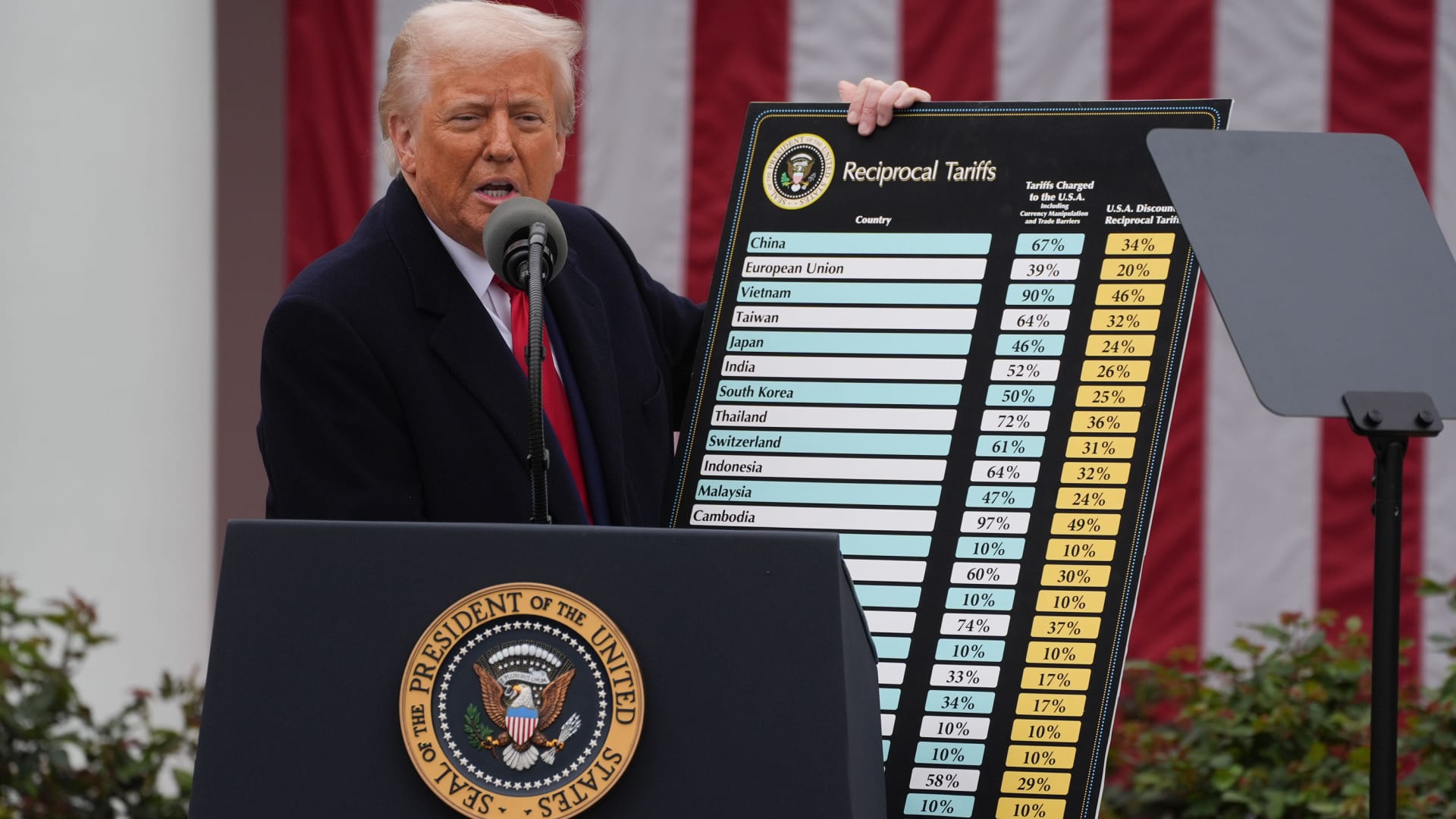
In 2025, key themes included a resilient stock market, ongoing trade policy debates, a booming yet skeptical AI sector, Federal Reserve's influence amid political pressure, and a diverging 'K'-shaped economy highlighting economic disparities and mixed signals.
OpenAI is preparing for a potential IPO valued between $830 billion and $1 trillion, with CEO Sam Altman expressing reluctance about being a public company due to increased scrutiny and regulation. The company has recently restructured to a for-profit model to raise capital and compete in the AI industry, launching new models and declaring 'code red' to accelerate development amidst fierce competition from Google and others. Altman sees IPOs as a way for public participation in value creation but remains cautious about the challenges of public markets.
Google has launched Gemini 3 Flash, a faster, cheaper AI model integrated into its ecosystem to compete with OpenAI, offering improved efficiency and multimodal capabilities, and aiming to expand access to powerful AI tools for everyday users and businesses.
OpenAI faces intense competition from Google, which is rapidly advancing with its Gemini AI model, prompting a company-wide 'code red' to accelerate development and innovation to maintain its leadership in the AI industry amid market and technological threats.
Google has launched Gemini 3, marking a strong comeback in the AI race against OpenAI's ChatGPT 5.1. Gemini 3 is praised for its integration into Google's ecosystem, improved accuracy, and capabilities across text, video, audio, and code, while ChatGPT offers more third-party integrations and tiered pricing plans. The competition is intensifying as both models showcase significant advancements in AI technology.
Sam Altman has declared a 'Code Red' at OpenAI to accelerate efforts in AI development amid fierce competition from Google's Gemini 3 and other rivals, reversing Google's previous dominance in AI research and signaling a critical phase in the global AI race.
Palantir CEO Alex Karp warns that if the US loses the AI race to China, Americans will have fewer rights and privacy could be compromised, emphasizing the importance of American dominance in AI for global stability and security.
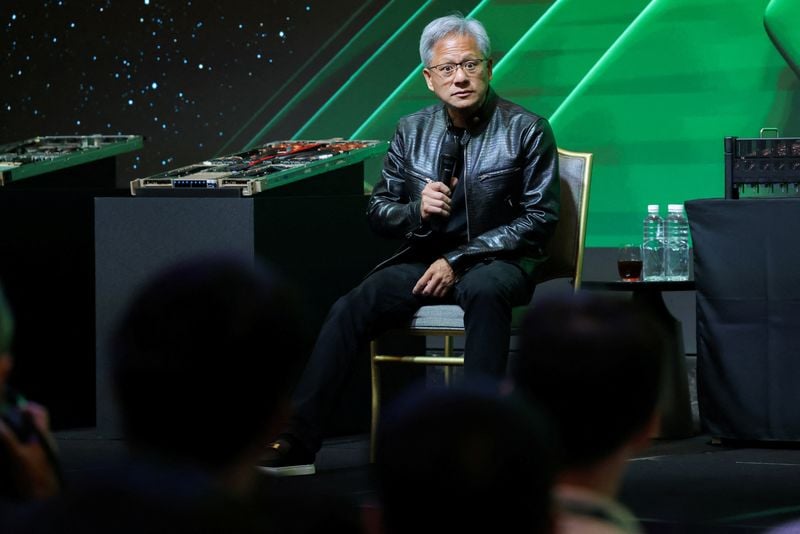
Nvidia's stock continues to decline amid mixed messages from CEO Jensen Huang about China's prospects in the AI race, highlighting geopolitical tensions and the company's strategic efforts to navigate export restrictions and competition, while also reflecting broader industry challenges and opportunities.
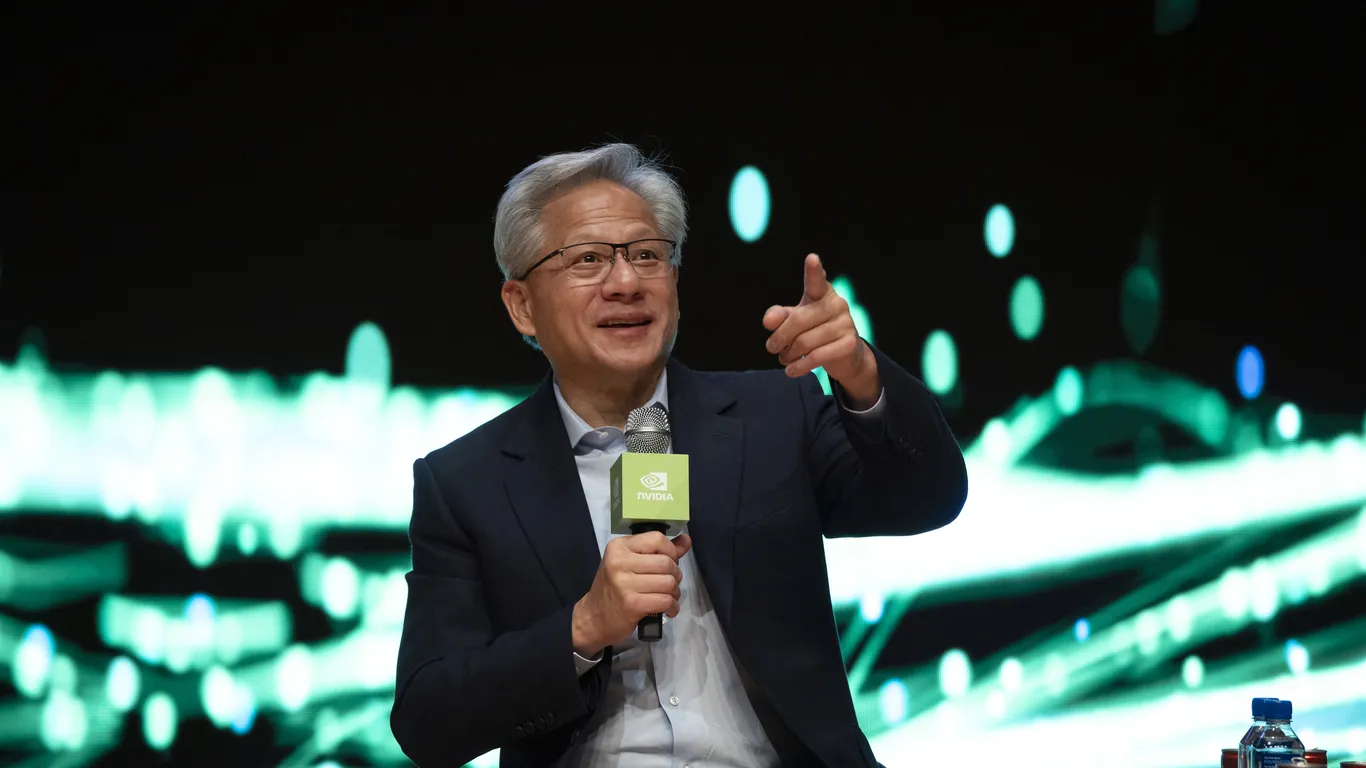
Nvidia CEO Jensen Huang warns that China is on track to win the AI race, citing China's subsidies and research dominance, while expressing concern over US regulatory efforts that could hinder American leadership in AI development.
Nvidia CEO Jensen Huang predicts China will win the AI race, citing restrictions on Nvidia's access to the Chinese market and emphasizing the importance of including Chinese developers in the global AI ecosystem, despite US efforts to restrict advanced chip sales to China.
Nvidia's CEO Jensen Huang predicts that China will lead in the AI race against the US, highlighting the competitive global landscape in artificial intelligence development.
OpenAI's restructuring and new partnership with Microsoft intensify the race to achieve artificial general intelligence (AGI), with Microsoft gaining expanded rights to OpenAI's technology and the ability to pursue AGI independently, raising concerns about the competitive and ethical implications of this rapidly evolving AI arms race.
Amazon has announced the layoff of 14,000 employees, with plans to cut up to 30,000 jobs, as part of its strategy to leverage AI for faster innovation and cost reduction, signaling a rapid shift towards large-scale AI-driven layoffs in corporate America, which could accelerate the disruption of white-collar jobs.
Morgan Stanley raised its price target on Alphabet (GOOGL) to $270, citing the company's leadership in AI and advancements in quantum computing, with positive signals in GenAI adoption and cloud growth, positioning Alphabet as a key AI winner.
The article discusses how nuclear energy is becoming a critical battleground in the US-China AI race, with the US ramping up efforts to develop nuclear capacity to support AI infrastructure, as nuclear power offers reliable, low-carbon energy essential for powering data centers and advanced AI chips, amidst challenges and opportunities in nuclear technology development.