Silver prices have surged to record highs due to supply fears from China's export restrictions, increased industrial demand, and a broader rally in precious metals, prompting warnings from Elon Musk about potential impacts on manufacturers amid a structural supply-demand imbalance and geopolitical tensions.
China's exports declined by 1.1% in October, the worst since February, mainly due to the fading effect of front-loading US-bound goods before tariffs increased, highlighting the country's reliance on US demand and the impact of global economic slowdown. Despite a temporary trade truce, US tariffs remain high, and domestic demand is weak, prompting China to focus on boosting internal consumption and diversifying trade relations.
China's exports to the US declined by 27% in September amid ongoing trade tensions, while its global exports increased by 8.3%, driven by growth in Southeast Asia, Latin America, and Africa. Despite resilience in overall exports, uncertainties due to tariffs and export controls persist, complicating future trade prospects.
Chinese exports surged 8.3% in September, driven by strong growth in markets outside the US like the EU and Southeast Asia, despite US tariffs and trade tensions, indicating resilience and potentially emboldening Beijing in trade negotiations.
China's September exports and imports exceeded expectations, with exports rising 8.3% and imports 7.4%, marking the strongest growth since April 2024, despite ongoing US-China trade tensions and potential tariffs affecting global trade dynamics.
China's exports to the US fell 33% in August, marking a significant decline influenced by trade tensions and policy crackdowns, while overall exports growth slowed to a six-month low, prompting concerns over domestic demand and economic stability.
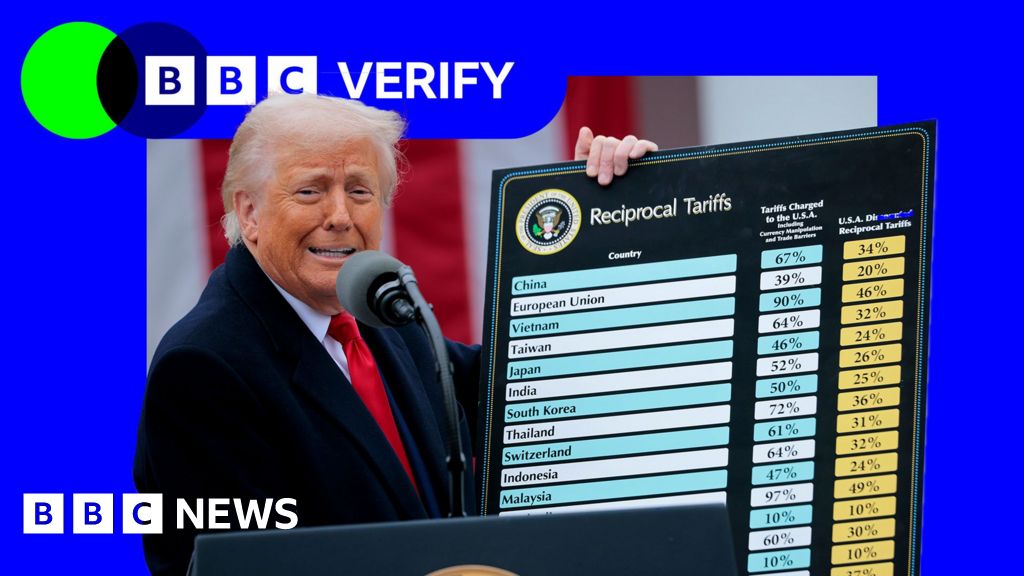
Since Trump's return to the White House, US tariffs have increased significantly, boosting government revenue but widening the trade deficit and raising consumer prices, while impacting global trade dynamics and China's export patterns.
China's exports increased by 5.8% in June, surpassing expectations, amid a recent US trade agreement that involved duty reductions. Despite a decline in exports to the US, China has diversified its trade partners to regions like Africa, Latin America, and ASEAN. The trade agreement aims to support China's economy, which faces challenges from domestic demand and global tariffs, with upcoming US tariffs potentially impacting future trade dynamics.
China's exports grew by 5.8% in June, driven by increased shipments to Southeast Asia and Europe, despite ongoing trade tensions and tariffs with the U.S., with a notable slowdown in exports to America but signs of diversification and economic resilience.
The article discusses how the US has become heavily dependent on China for rare earth metals, which are crucial for military and industrial applications, and how China's recent halt of exports threatens US industry and military capabilities, highlighting the complexities of global supply chains and geopolitical tensions.
China's exports slowed in May due to US tariffs, with exports to the US dropping sharply, and factory-gate deflation deepening, highlighting economic pressures from ongoing trade tensions and weak domestic demand, despite some monetary stimulus measures.
Asia markets fell as China's annual exports dropped for the first time in seven years, but Japan stocks extended their record rally. China's consumer price index fell less than expected, while its exports for December beat expectations, but overall trade declined in 2023. The Bank of Japan is unlikely to shift its ultra-loose monetary policy soon, with a portfolio manager arguing against a policy unwind. Oil prices rose after U.S. and U.K. strikes on Houthi rebels in Yemen, and shares of Uniqlo's parent company spiked after better than expected first quarter results. Additionally, Goldman Sachs highlighted opportunities in Asian tech stocks, and the Federal Reserve remains ready to cut interest rates despite higher inflation.
Asian shares fell as Wall Street retreated and crude oil prices slipped due to concerns of oversupply. China reported a 0.5% increase in exports in November, the first year-on-year increase since April, but imports fell. Energy stocks and Big Tech stocks had the worst drops on Wall Street, while travel-related companies and airlines advanced. British American Tobacco shares sank after announcing a non-cash hit due to a drop in the value of its U.S. cigarette brands. The Federal Reserve's next meeting is expected to leave interest rates unchanged. Treasury yields were generally lower, and the U.S. dollar fell against the Japanese yen.
Oil prices dropped over 4% as concerns about "demand destruction" and weak China exports highlighted a slowdown in global demand. China's exports fell for the sixth consecutive month, while imports rose. Daily price fluctuations of more than 2% have become common since the recent conflict between Hamas and Israel, keeping oil futures volatile. The market is currently more focused on demand concerns than escalating war tensions. Moscow and Saudi Arabia have reaffirmed their voluntary production cuts, but recent data suggests that Russia's crude exports are at a four-month high, potentially indicating non-compliance with the cuts. OPEC+ is set to meet later this month, where Saudi Arabia and Russia may decide to extend their production curbs into next year.
Tesla and European carmakers exporting from China to the EU will be investigated by the European Union to determine if the country's electric vehicles industry is benefiting from unfair subsidies.