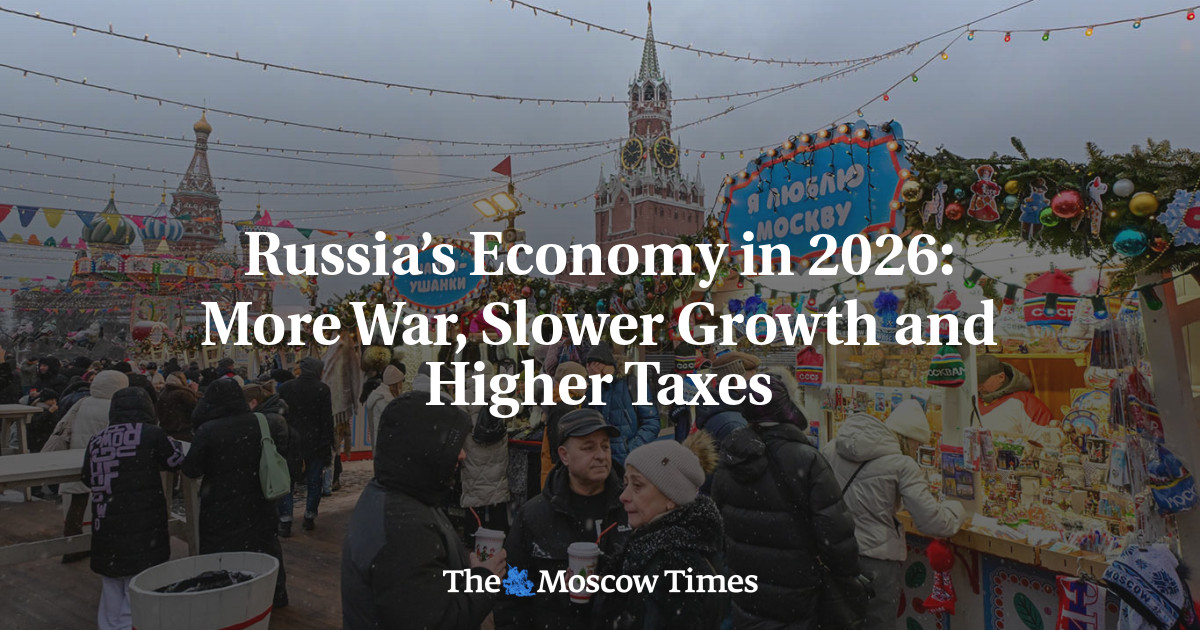
Russia's economy is expected to stagnate in 2026 due to ongoing war expenses, falling oil revenues, and Western sanctions, leading to slower growth around 1%, higher taxes, and sustained military spending despite economic pressures.
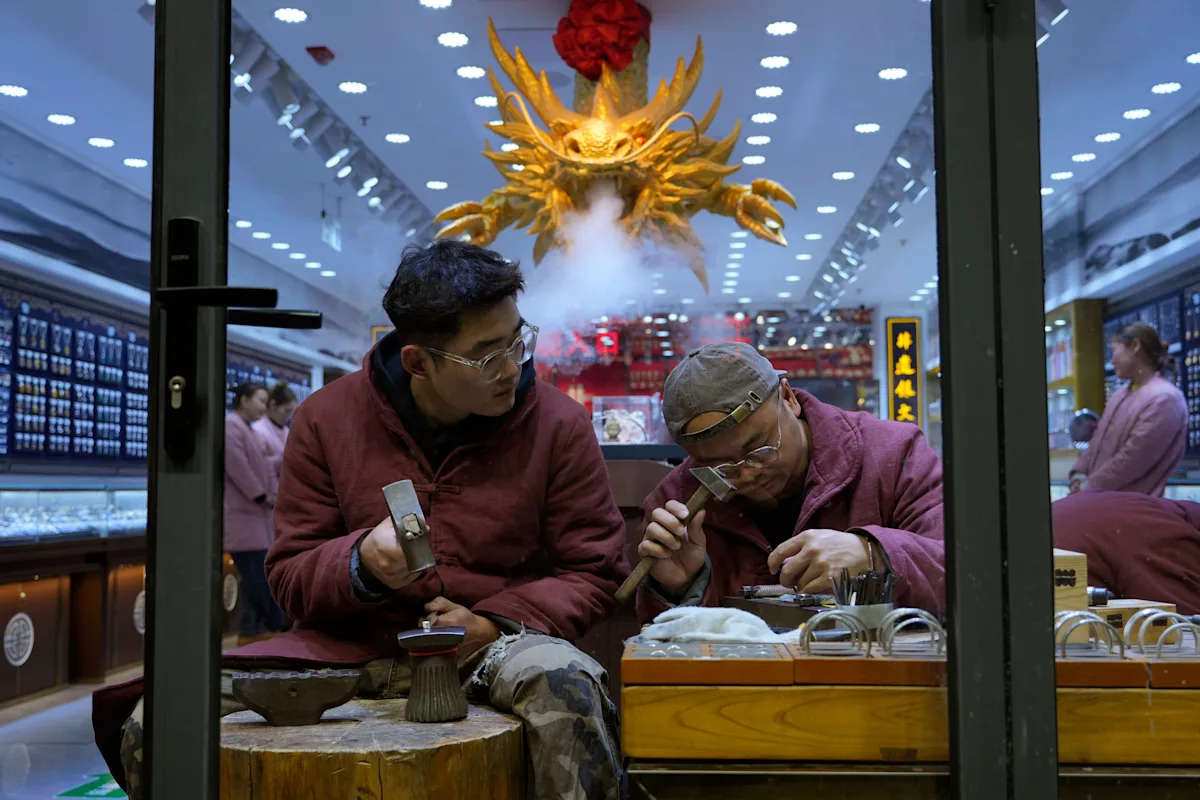
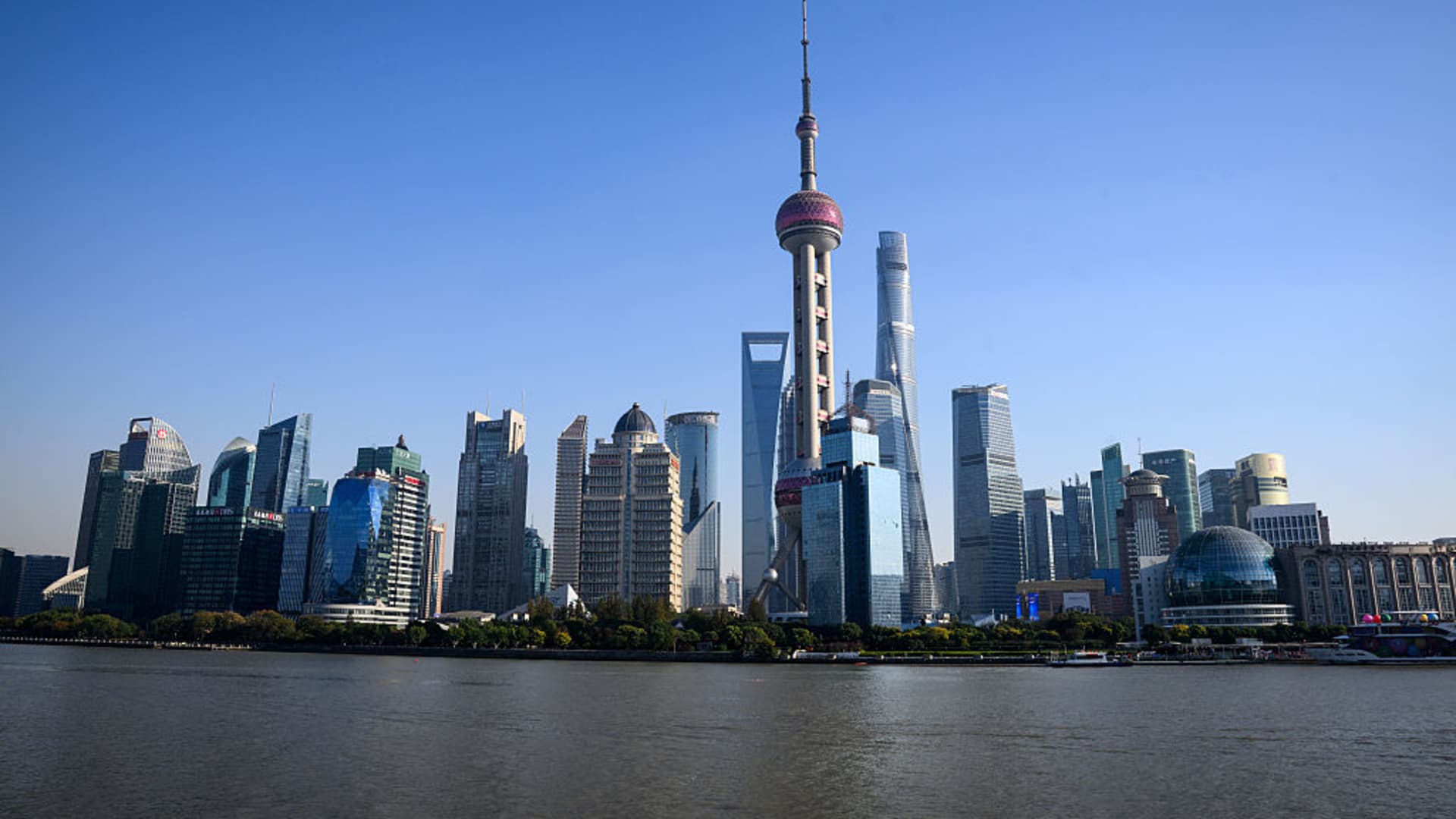
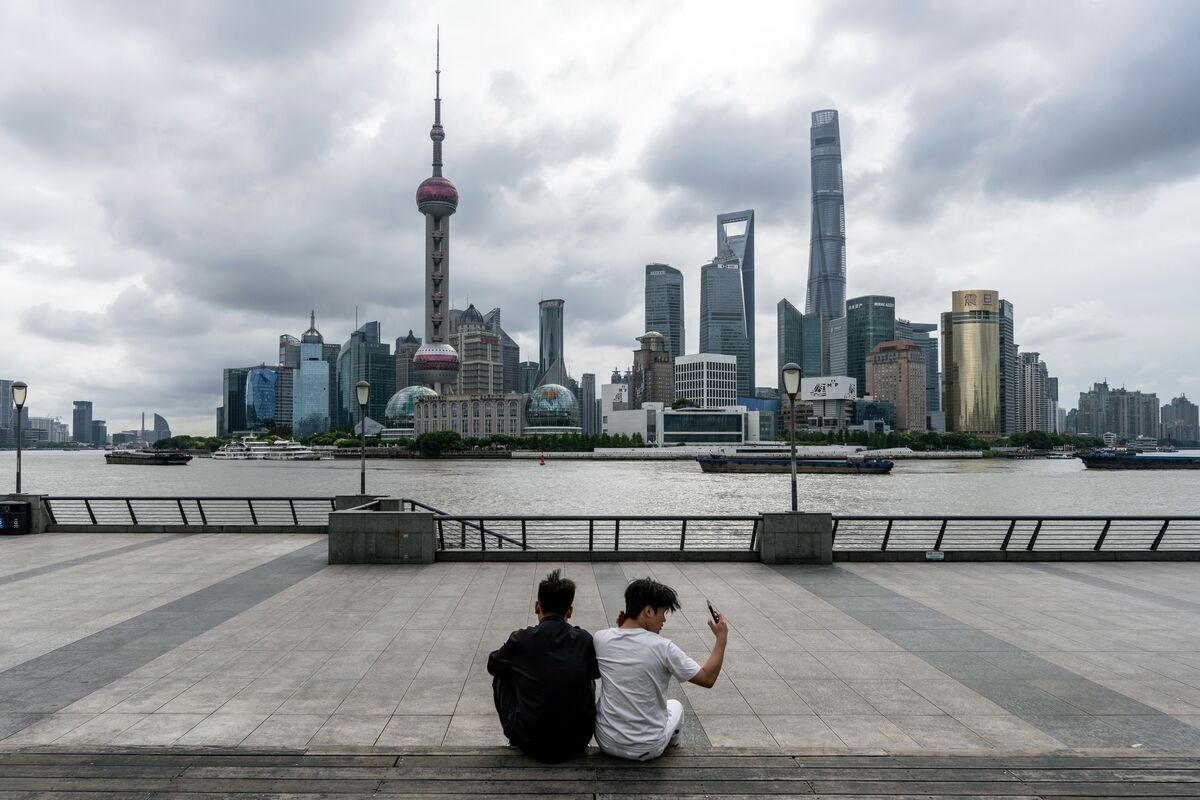
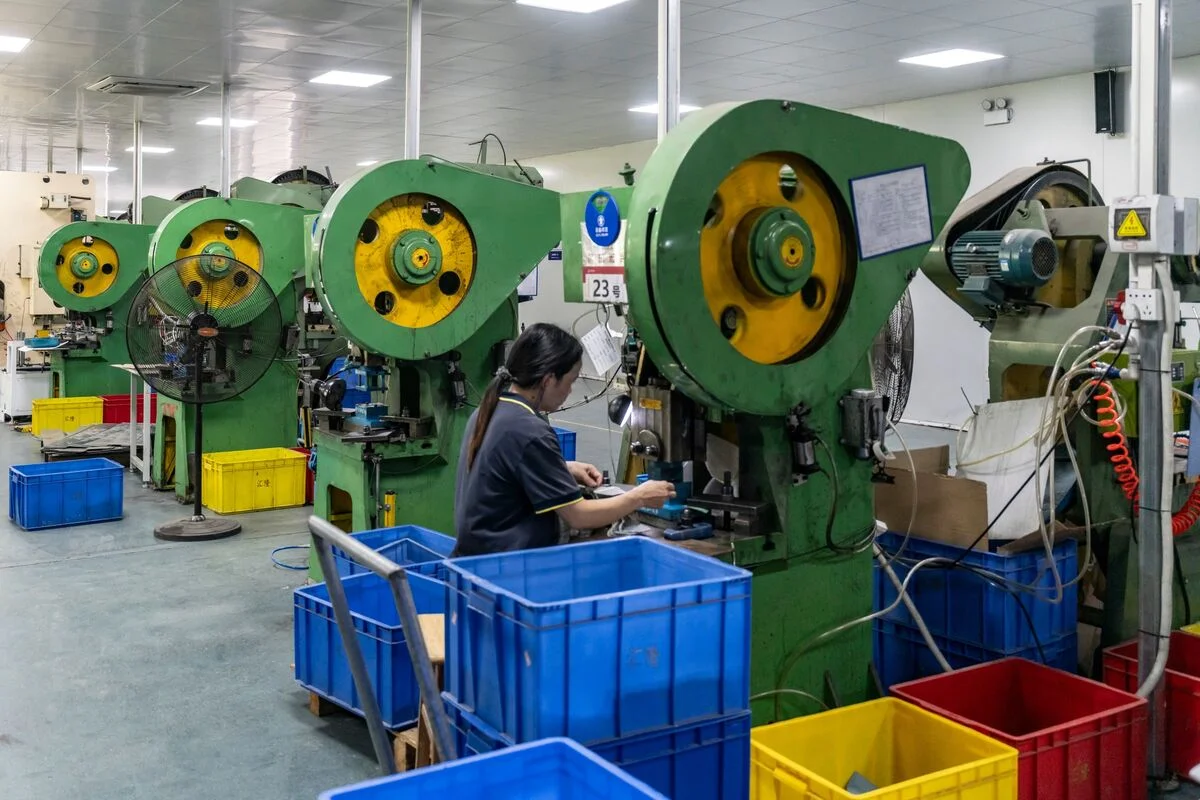
China's economy appears resilient on paper with strong exports and advancements in technology, but many ordinary Chinese face economic hardship due to weak property prices, job insecurity, and reduced consumer spending, highlighting a disconnect between official figures and everyday realities.
China's industrial profits have sharply declined due to weak demand and deflationary pressures, highlighting ongoing economic challenges in the country.
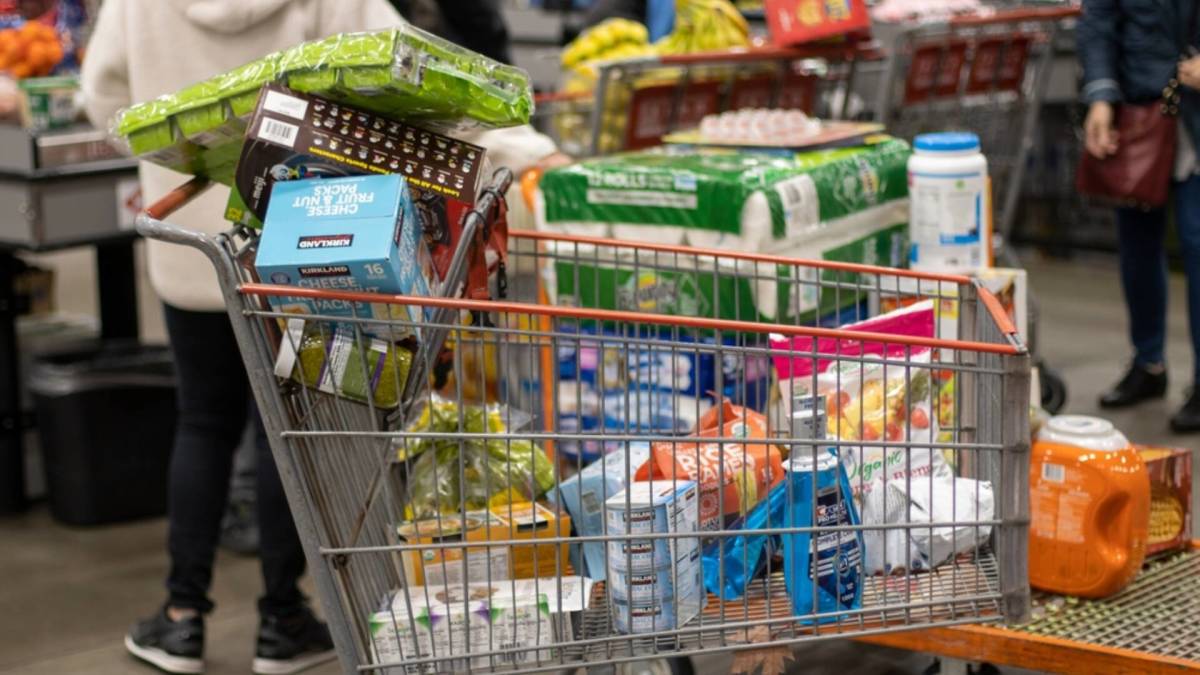
Costco has set three new records in its first quarter, driven by steady membership growth, increased sales, and a favorable economic environment that encourages more households to join and shop at the retailer, despite some slight declines in renewal rates. The company's membership-based model and focus on value continue to underpin its success, even amid economic challenges.
Invesco predicts the US economy is slowing down, leading to expectations that European markets will outperform the US in 2026, as investors look for opportunities amid economic shifts.
Colorado's economy, once booming and driven by population growth, housing prices, and the marijuana industry, is now experiencing a slowdown with declining migration, housing market challenges, and reduced marijuana sales, raising concerns about a potential recession.
The article discusses how economic uncertainty, inflation, and low consumer confidence are leading to decreased spending on haircuts, colors, and beauty services, with many clients opting for lower-cost options and stylists experiencing slower business, reflecting a broader economic slowdown.
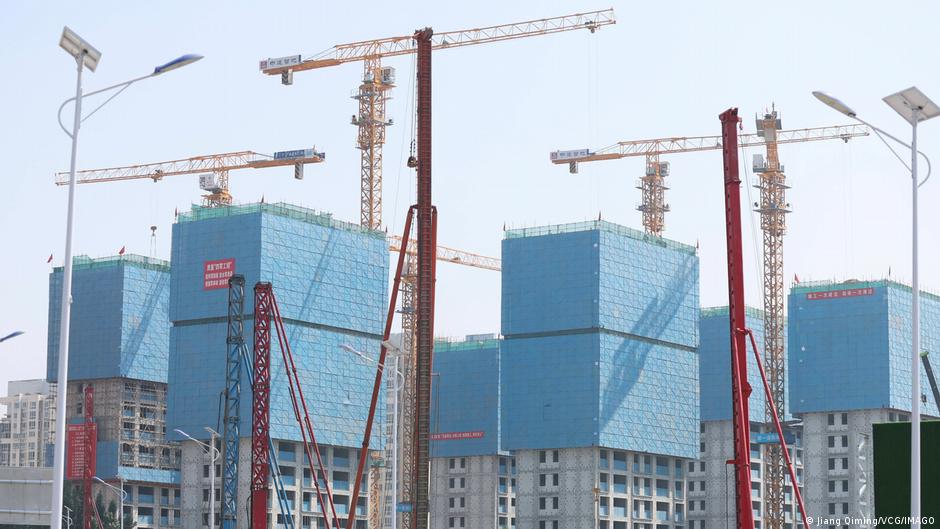
China's real estate market has experienced a severe crash following years of rapid growth, with home prices dropping significantly and causing widespread economic repercussions, including a slowdown in construction and household wealth loss. The government is deliberately withholding data to mask the extent of the decline and is avoiding broad stimulus measures, leading to a potential prolonged downturn that could last a decade or more, impacting both the economy and ordinary homeowners.
China's economy shows signs of weakness with declining consumer spending, investment, and property sector struggles, making it vulnerable to global trade tensions and internal imbalances, despite some export strength.
China's November retail sales growth sharply missed expectations, indicating a deepening economic slowdown with declines in consumption, investment, and industrial output, amid ongoing property sector struggles and cautious consumer sentiment. Despite government pledges for policy support, concerns remain about the sustainability of growth and reliance on exports, with calls for structural reforms and increased domestic demand measures.
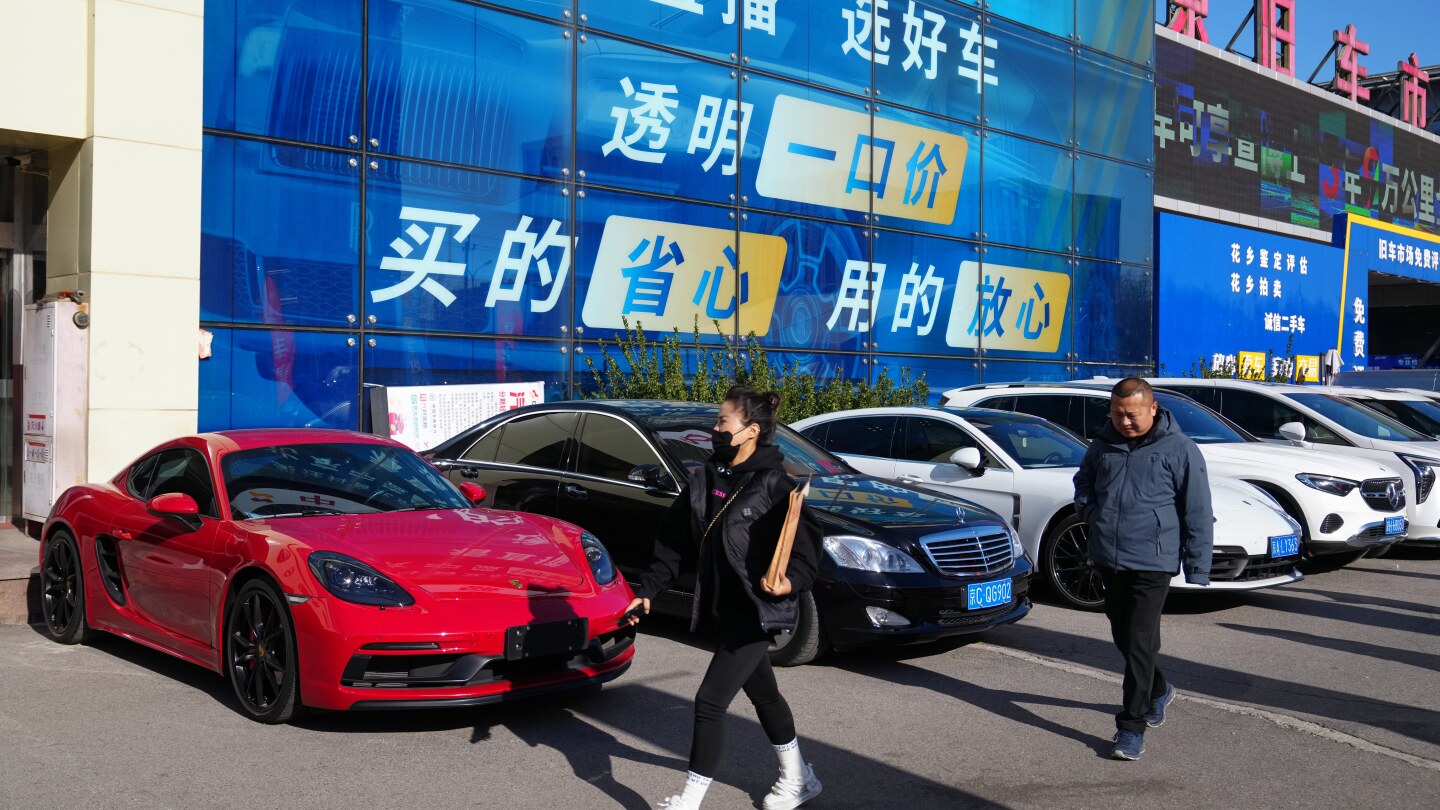
Luxury car sales in China are declining due to economic slowdown and changing consumer preferences, with Chinese brands gaining market share over traditional European luxury automakers like Mercedes-Benz and BMW, which are experiencing reduced demand and falling sales.
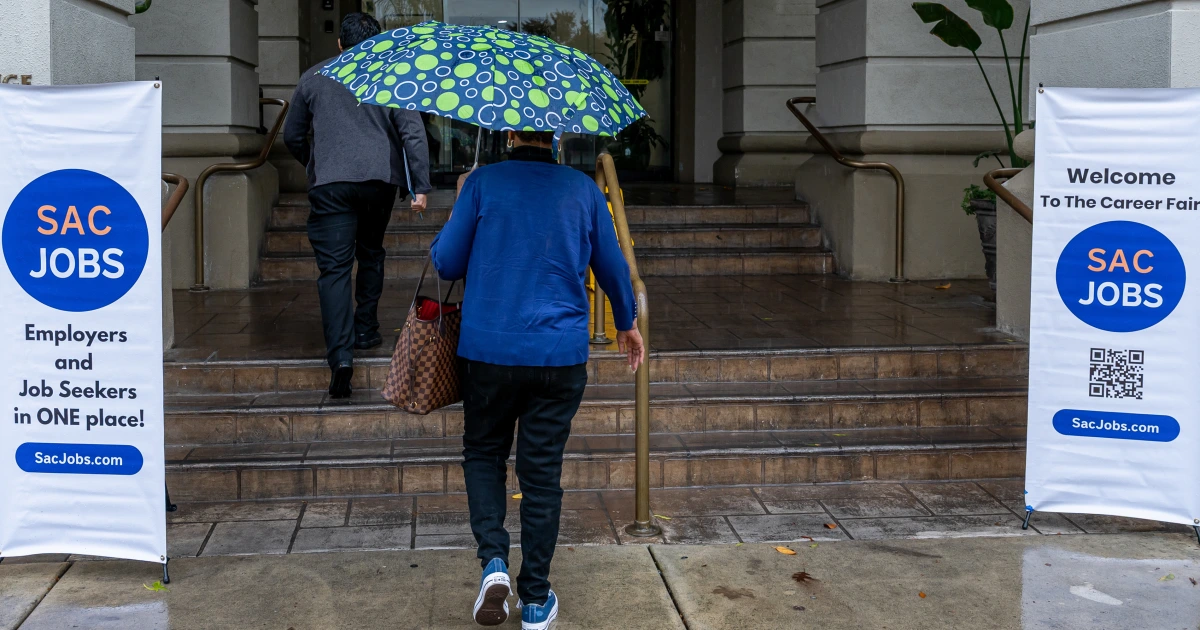
In November, private U.S. employers lost 32,000 jobs, with small businesses experiencing the largest decline of 120,000 jobs, reflecting a broad economic slowdown and challenges from recent policies, according to ADP. The report highlights ongoing employment instability amid economic pressures and delays in official government data due to the shutdown.
China's services activity grew at its slowest rate in five months, signaling a fragile economic recovery amid sluggish consumer demand, weak housing prices, and a weak jobs market, with government efforts focusing on boosting sectors like travel and entertainment.
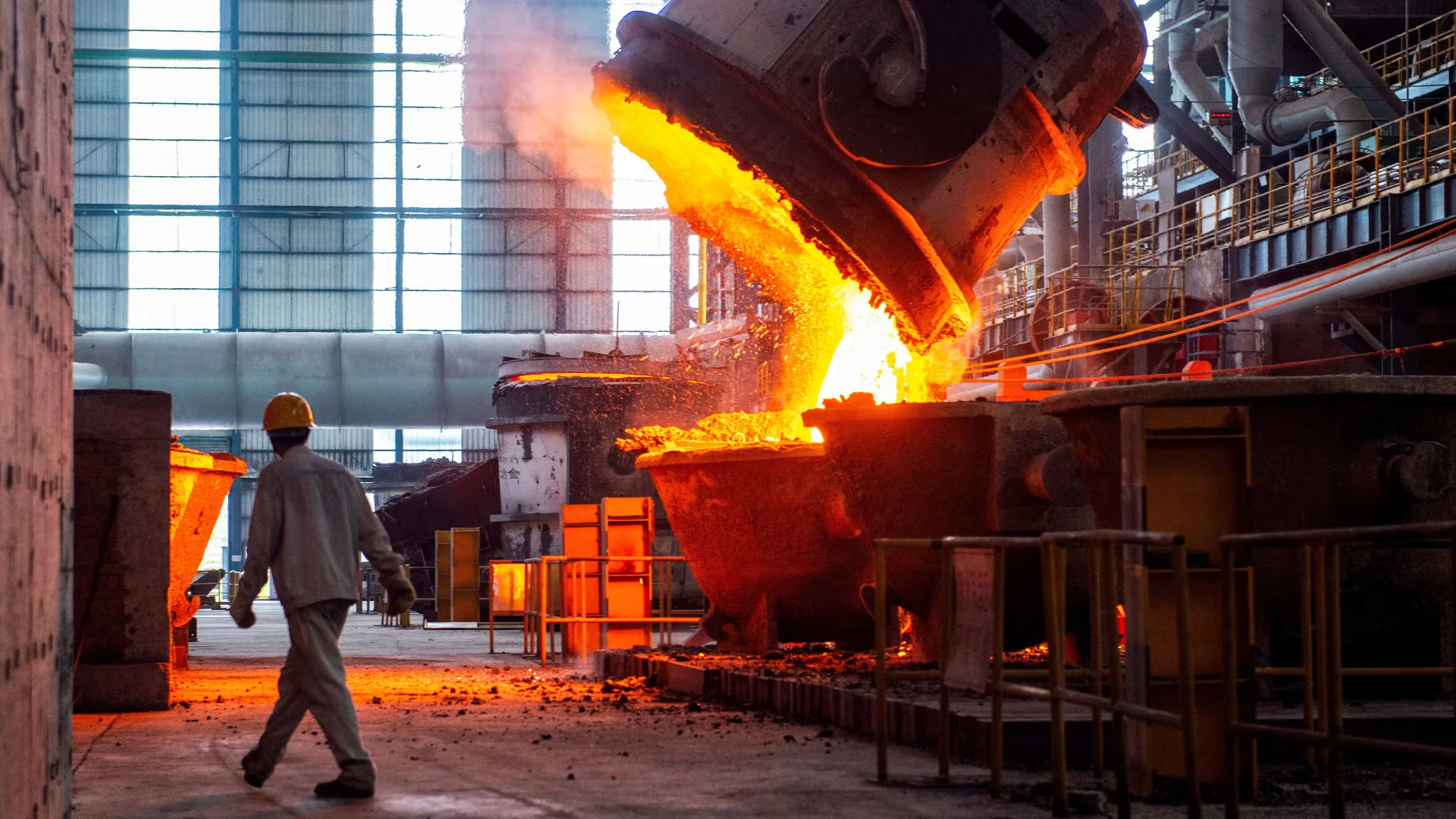
China's factory activity continued to contract in November, marking the longest decline on record amid a deepening economic slowdown, with weak domestic demand and global trade tensions impacting growth, though policymakers are cautious about implementing further stimulus as the annual growth target remains within reach.
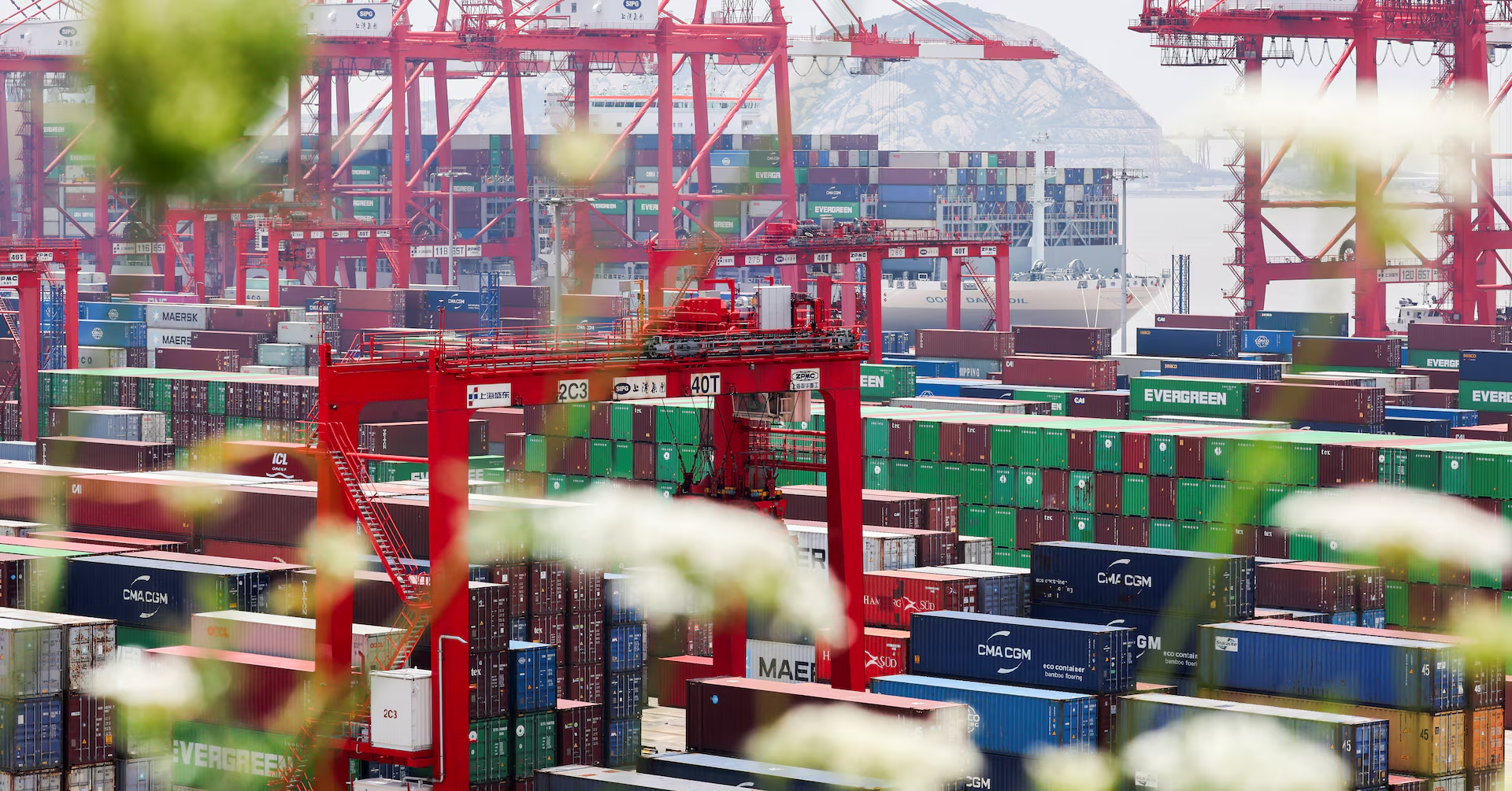
China's exports declined by 1.1% in October, the worst since February, mainly due to the fading effect of front-loading US-bound goods before tariffs increased, highlighting the country's reliance on US demand and the impact of global economic slowdown. Despite a temporary trade truce, US tariffs remain high, and domestic demand is weak, prompting China to focus on boosting internal consumption and diversifying trade relations.