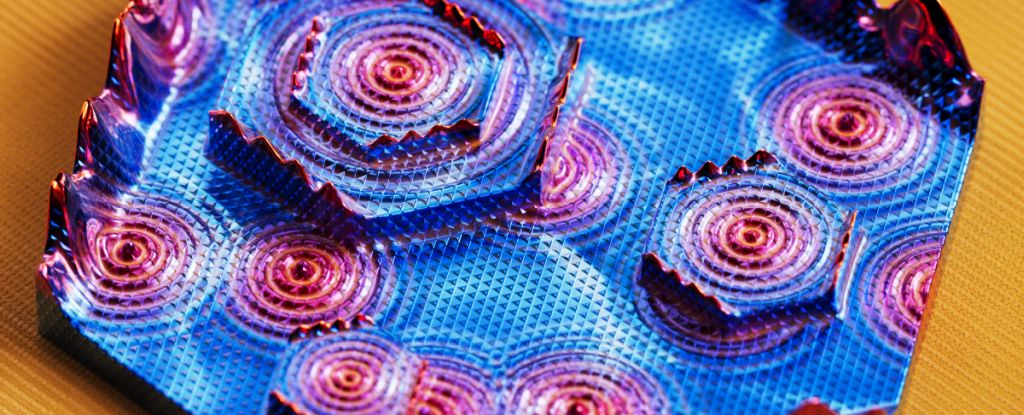
Physicists have discovered that quantum oscillations, previously observed only on the surface of certain materials, actually originate from the bulk of these insulators, challenging existing understanding and opening new questions in quantum physics, though practical applications remain uncertain.
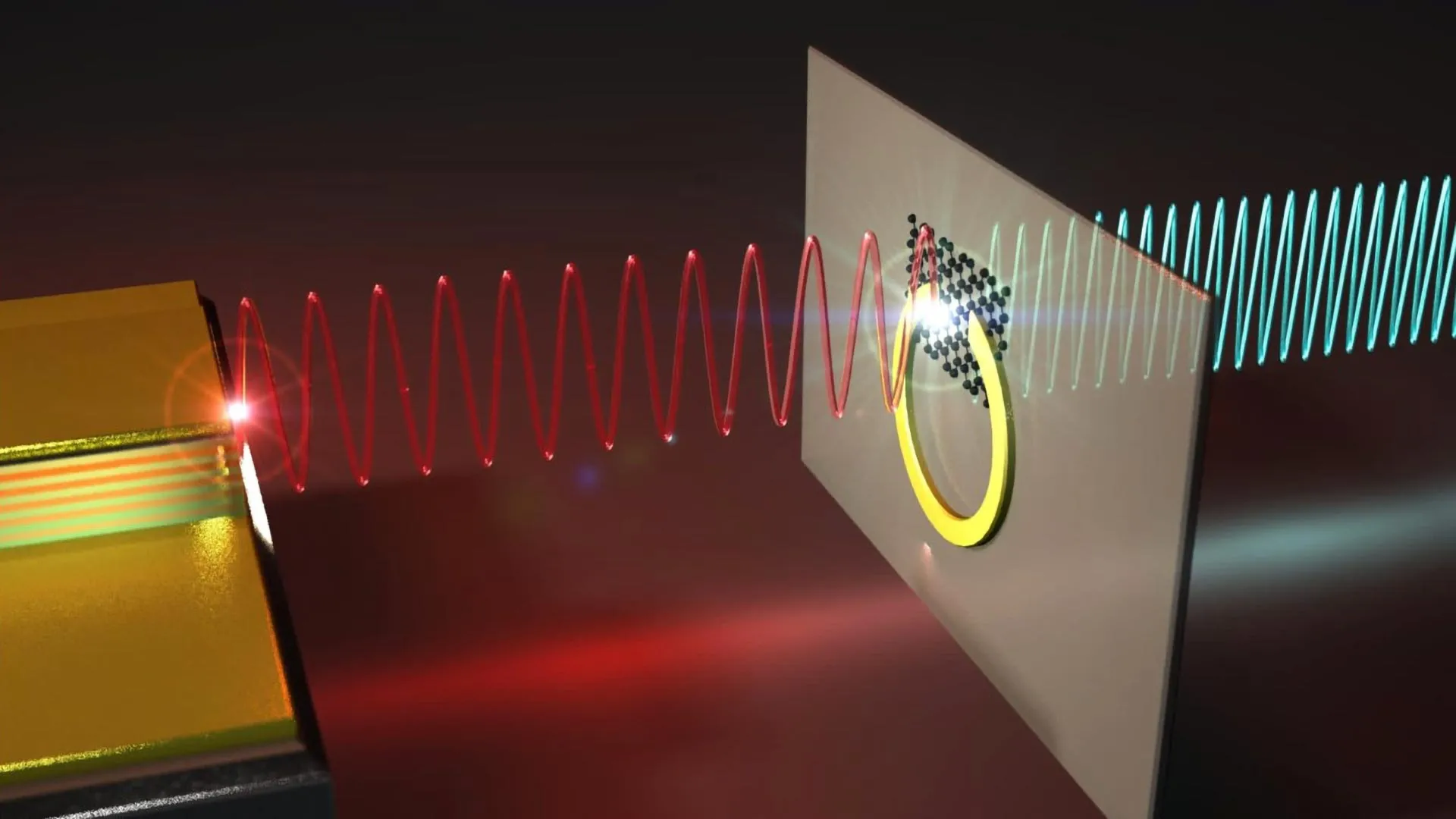
Researchers have achieved a breakthrough in high-order harmonic generation using topological insulators and nanostructures, enabling the production of both even and odd terahertz frequencies, which could revolutionize terahertz technology for communications, imaging, and quantum computing.
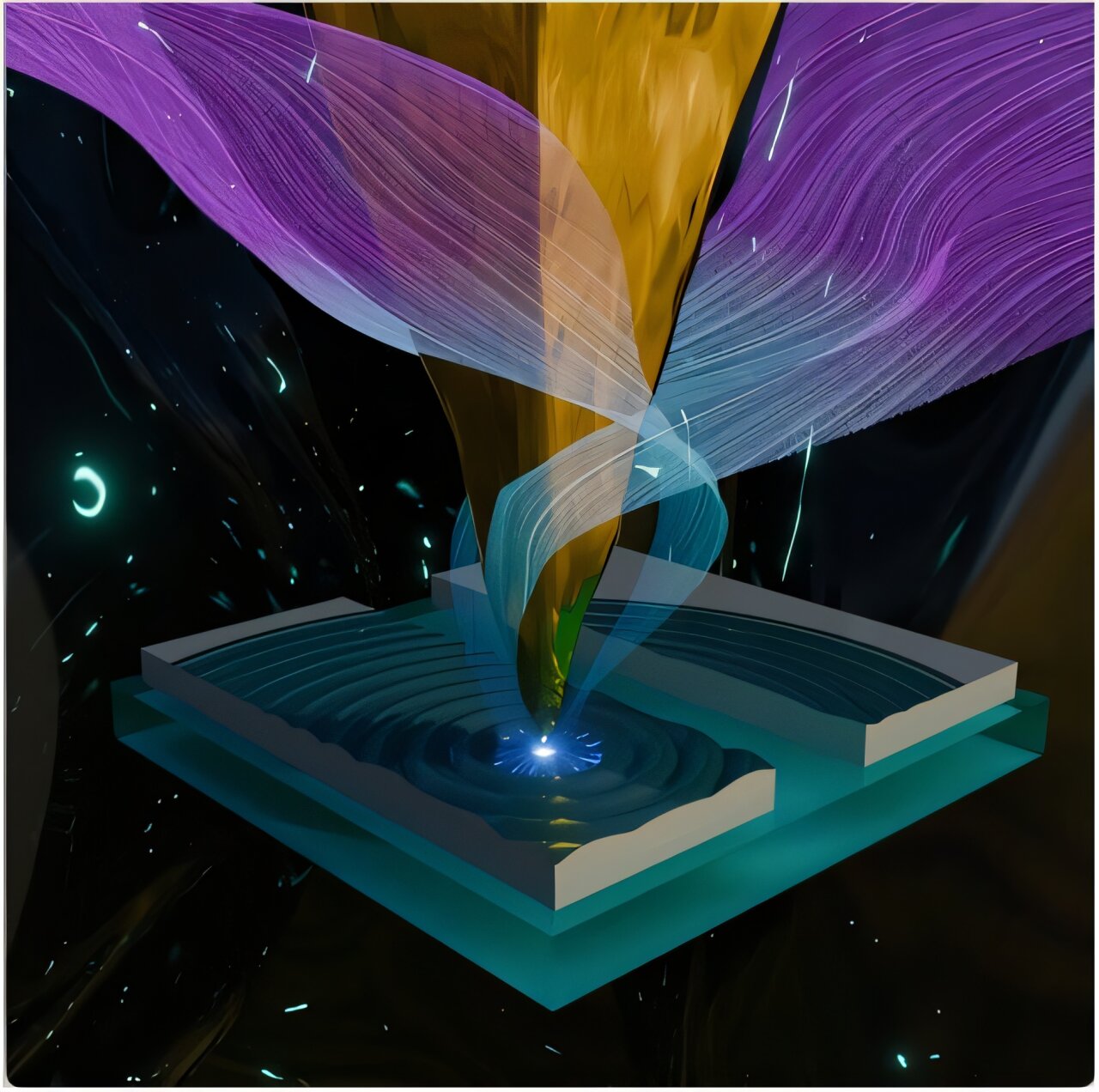
Scientists have developed a method to precisely control terahertz waves using topological insulators, enabling smaller, faster, and more efficient electronic and communication devices by confining and guiding light at the nanoscale, which could revolutionize data transmission, medical imaging, and quantum computing.
Physicists have discovered a never-before-seen hybrid quantum state on the surface of an arsenic crystal, combining two different means of current. This unexpected finding has the potential to advance quantum physics research and technologies such as quantum computing, as it opens up a new frontier in material science and novel physics. The discovery, published in Nature, could lead to the development of new topological materials and quantum devices not currently accessible through existing platforms.
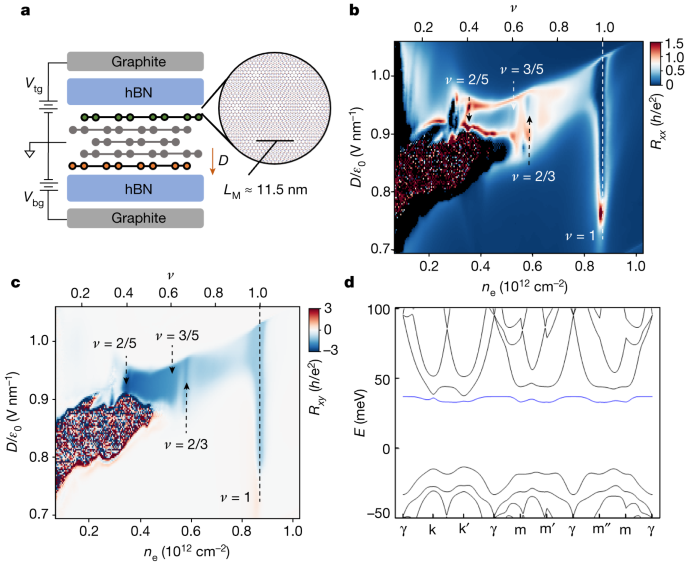
Researchers have observed the fractional quantum anomalous Hall effect in multilayer graphene, a significant finding in the field of physics. This effect, which was previously observed in topological insulators, is now seen in multilayer graphene, opening up new possibilities for studying exotic quantum phenomena in this material. The discovery adds to the growing body of research on quantum Hall states and topological insulators in various materials, providing insights into the fundamental properties of quantum matter.
Research into Luttinger's theorem, which connects a system's particle capacity with its response to low-energy excitations, has revealed its failure in specific cases of strongly correlated phases of matter, particularly in topological insulators, highlighting a fundamental connection between particle behavior and quantum matter classification. A recent study by Lucila Peralta Gavensky, Subir Sachdev, and Nathan Goldman has shown that the failure of Luttinger's theorem and the classification of insulating states of matter are connected, with the Ishikawa-Matsuyama invariant fully characterizing correlated insulators when Luttinger's theorem is satisfied, but requiring corrections when it is violated, shedding light on the emergence of exotic phenomena in strongly correlated quantum matter.
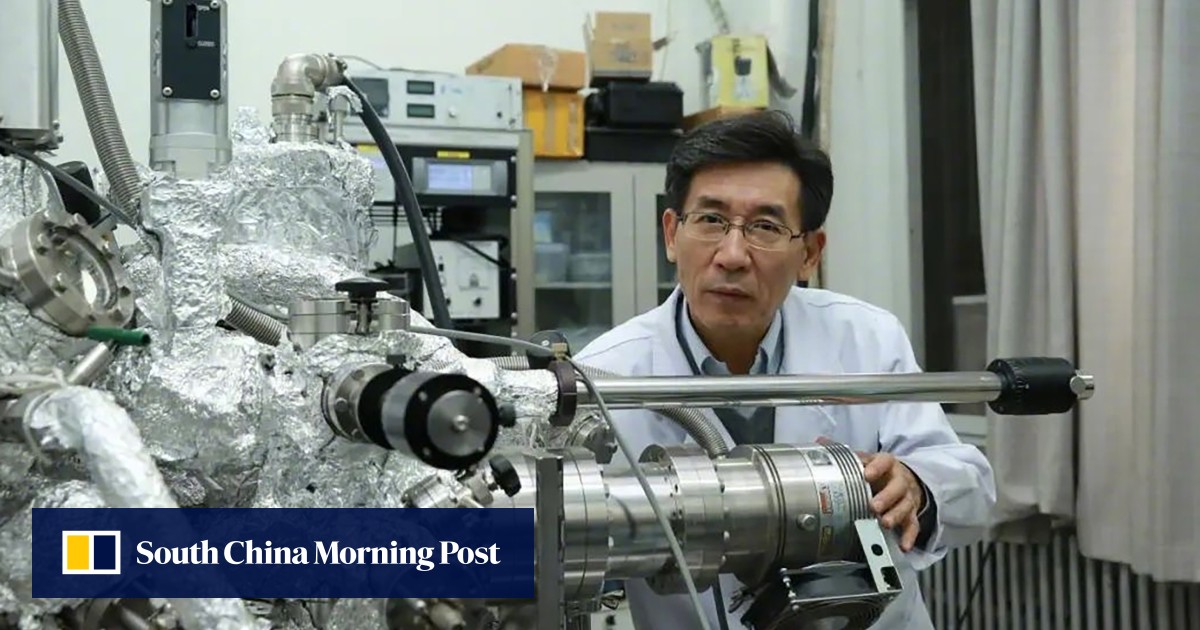
Physicist Xue Qikun from Tsinghua University has become the first Chinese scientist to win the United States' prestigious Oliver E. Buckley Condensed Matter Physics Prize. Xue and Harvard University's Ashvin Vishwanath were jointly awarded for their groundbreaking work on topological insulators, a class of materials with unique electronic properties. Xue's research focuses on synthesizing topological insulators for low-energy consumption electronics. Despite increasing sanctions on China's hi-tech sector, there are calls for stronger collaboration with Chinese researchers. Xue's achievements include being elected to the Chinese Academy of Sciences and conducting the first Nobel Prize-level physics experiment in a Chinese lab.
Theoretical physicists at the Max Planck Institute for the Structure and Dynamics of Matter in Germany have conducted the first ab initio investigation of high harmonic generation from topological insulators and found no evidence of universal topological signatures. Their study challenges the assumption that topological information can be extracted from the emitted spectra. Instead, they suggest that non-topological aspects of the material, such as crystal structure and band symmetry, dominate the response. While the researchers do not rule out the existence of topological signatures in high harmonic generation, they call for more complex and robust ideas to measure topology through nonlinear optics.
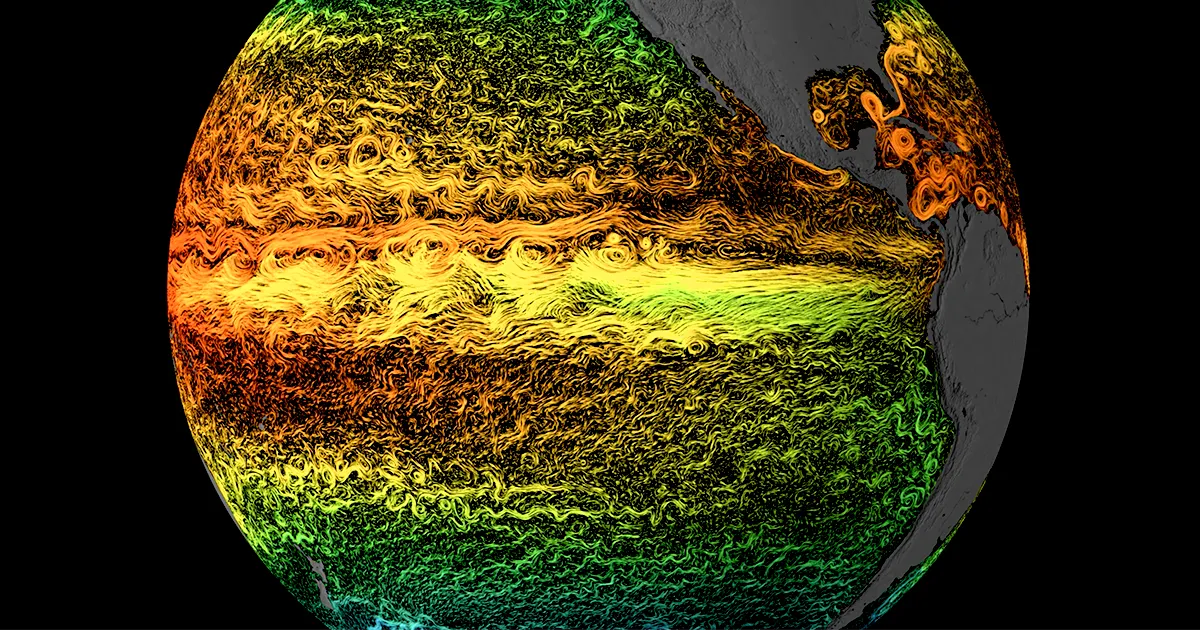
Scientists have discovered a connection between quantum physics and Earth's weather patterns. By studying the behavior of electrons in topological insulators, researchers have found similarities with the equatorial Kelvin waves that swirl fluids on Earth. These waves, which propagate around the equator due to the Coriolis force, behave like the edge current in a topological insulator, flowing without dissipating and remaining robust even in the face of turbulence and chaos. The discovery provides a nontrivial explanation for the existence and strength of Kelvin waves and sheds light on the resilience of Earth's weather patterns.