IonQ achieved a record algorithmic qubit score of #AQ 64 on its Tempo system, setting a new standard for quantum systems and demonstrating its capability to handle complex real-world applications, while also surpassing revenue guidance in Q2 2025.
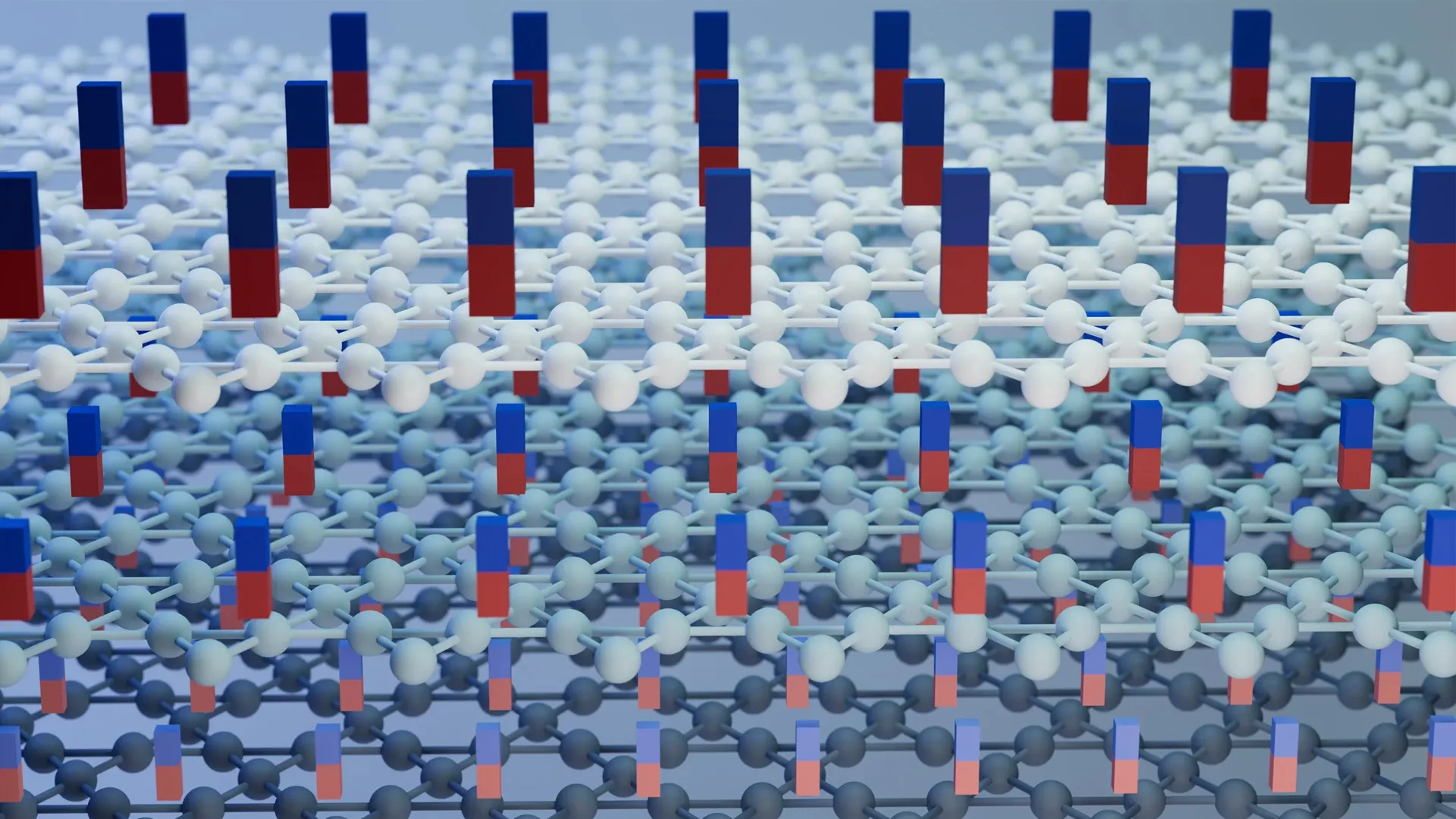
Researchers at the Paul Scherrer Institute in Switzerland have achieved a breakthrough with the Kagome superconductor RbV3Sb5, which breaks time-reversal symmetry (TRS) at a record high temperature of 175 Kelvin (-144.67 °F). This development is significant for quantum systems, as TRS breaking at higher temperatures could lead to more practical and energy-efficient quantum technologies. The tunability of TRS breaking in RbV3Sb5, depending on the material's depth, offers potential for controlling quantum properties, paving the way for advancements in quantum device performance.
Recent advancements in quantum computing have demonstrated that using quantum memory can significantly reduce the data required to study quantum systems, potentially proving quantum advantage. Researchers from Harvard and Google Quantum AI have shown that even with limited quantum memory, such as two copies of a quantum state, the efficiency of reconstructing quantum states is greatly improved. This breakthrough could lead to practical applications in understanding complex quantum systems and achieving quantum advantage sooner.
Researchers at ETH Zurich have detected topological effects in an artificial solid using cold atoms, demonstrating a surprising reversal in quantum systems. By creating an artificial solid with controllable interactions, the team observed topological pumping, where particles were transported in a specific direction, and a reversal occurred when encountering an obstacle. The researchers also found that repulsive interactions between atoms created an invisible barrier, leading to further unexpected behavior. These findings could contribute to a better understanding of interacting topological systems and potentially be applied in quantum technologies, such as creating a qubit highway for quantum computers.
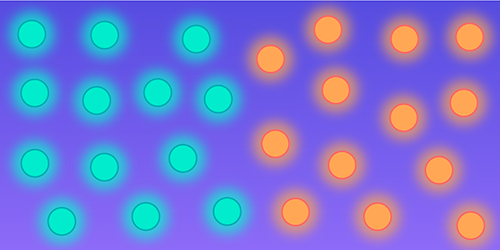
Theoretical work sheds light on the phenomenon of many-body localization (MBL), where some quantum systems fail to reach thermal equilibrium due to being locally stuck. Recent research has identified three regimes in inhomogeneous quantum systems: an ergodic phase, an MBL phase, and an intervening "MBL regime." Empirical findings have been reconciled with theory, revealing that the MBL phase may be physically inaccessible due to exponentially sensitive timescales. The work has also raised questions about the dynamical signatures of the MBL regime and its potential applications in optimization problems and quantum algorithms.
Research into Luttinger's theorem, which connects a system's particle capacity with its response to low-energy excitations, has revealed its failure in specific cases of strongly correlated phases of matter, particularly in topological insulators, highlighting a fundamental connection between particle behavior and quantum matter classification. A recent study by Lucila Peralta Gavensky, Subir Sachdev, and Nathan Goldman has shown that the failure of Luttinger's theorem and the classification of insulating states of matter are connected, with the Ishikawa-Matsuyama invariant fully characterizing correlated insulators when Luttinger's theorem is satisfied, but requiring corrections when it is violated, shedding light on the emergence of exotic phenomena in strongly correlated quantum matter.
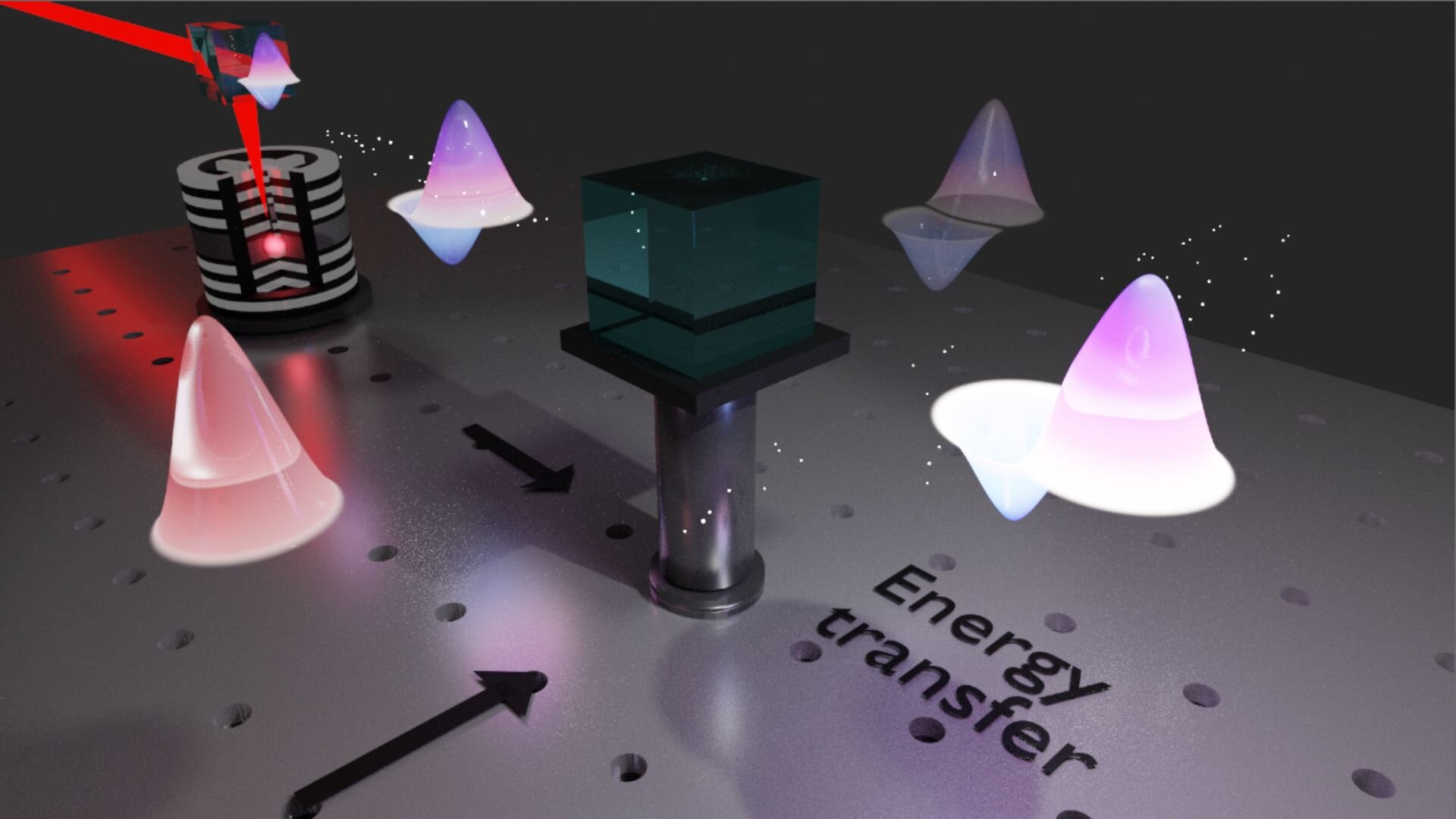
A study in Physical Review Letters delves into the complexities of energy exchanges within bipartite quantum systems, shedding light on quantum coherence, pure dephasing effects, and their implications for future quantum technologies. The research explores energy exchanges in quantum systems, focusing on unitary and correlation energy, and investigates the spontaneous emission of a qubit and the coupling of two light fields. The findings provide insights into quantum dynamics and have potential applications in quantum computing and quantum communication protocols. The study aims to bridge the gap between theoretical predictions and experimental observations in quantum optics and thermodynamics, offering a comprehensive framework for understanding the intricate dynamics at play.
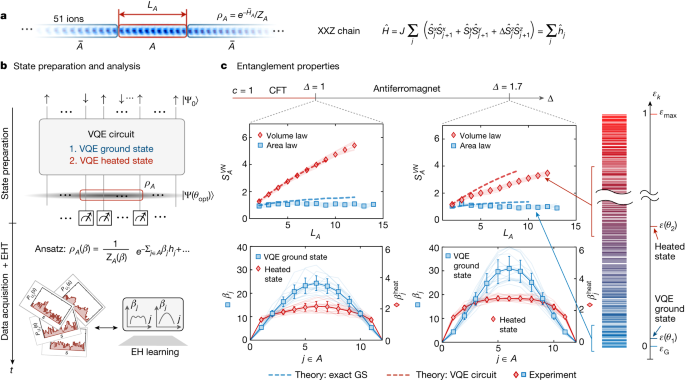
Researchers are exploring large-scale entanglement in quantum simulation, studying the properties of entanglement Hamiltonians and their applications in lattice models and experiments. They investigate the dynamics and behavior of entanglement in various quantum systems, including long-range quantum magnets, trapped ions, Rydberg arrays, and programmable quantum simulators. The study of entanglement Hamiltonians provides insights into the entanglement structure and correlations in many-body systems, paving the way for advancements in quantum information processing and quantum technologies.
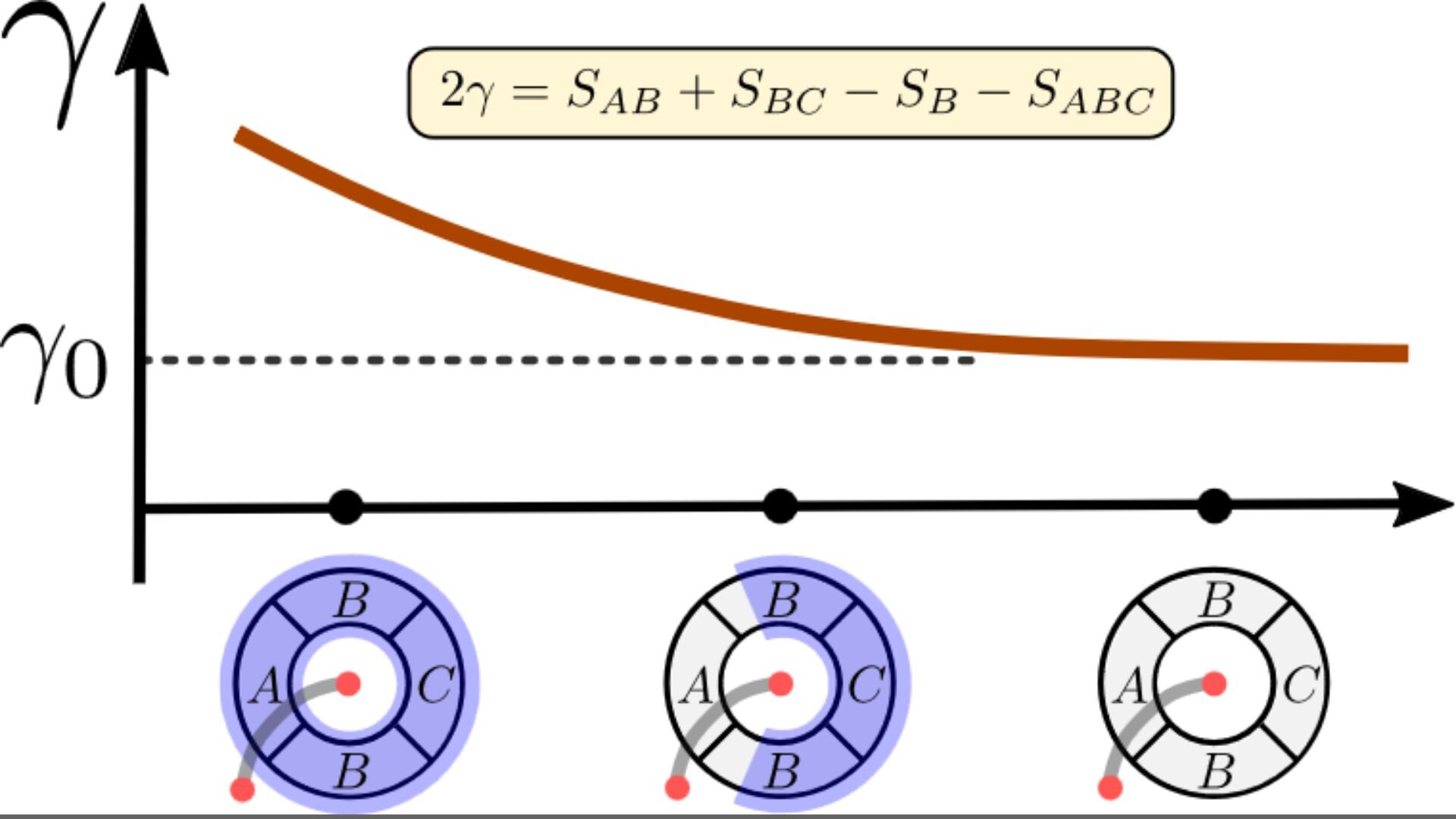
Scientists have demonstrated the existence of a universal lower bound on topological entanglement entropy (TEE), which is always non-negative. TEE is a measure that provides insights into emergent non-local phenomena and entanglement in quantum systems with topological properties. The researchers found that TEE remains non-negative even when perturbations are introduced by constant-depth circuits. This discovery has practical implications for identifying a material's underlying phase and may aid in quantum computing and the preparation of quantum states. Further research is needed to explore the impact of noise on spurious TEE and the behavior of TEE at finite temperatures.
Kyiv will receive 100 next-generation tactical drones from German company Quantum Systems, which will be sent to Ukrainian soldiers at the front. Kyiv Mayor Vitali Klitschko announced the agreement during a summit in Germany, highlighting the city's ongoing support for the military through budget allocations and assistance from partners. Klitschko also mentioned the provision of cars, ambulances, equipment, and first-aid kits to soldiers, expressing his commitment to negotiating further aid for Ukraine and Kyiv.
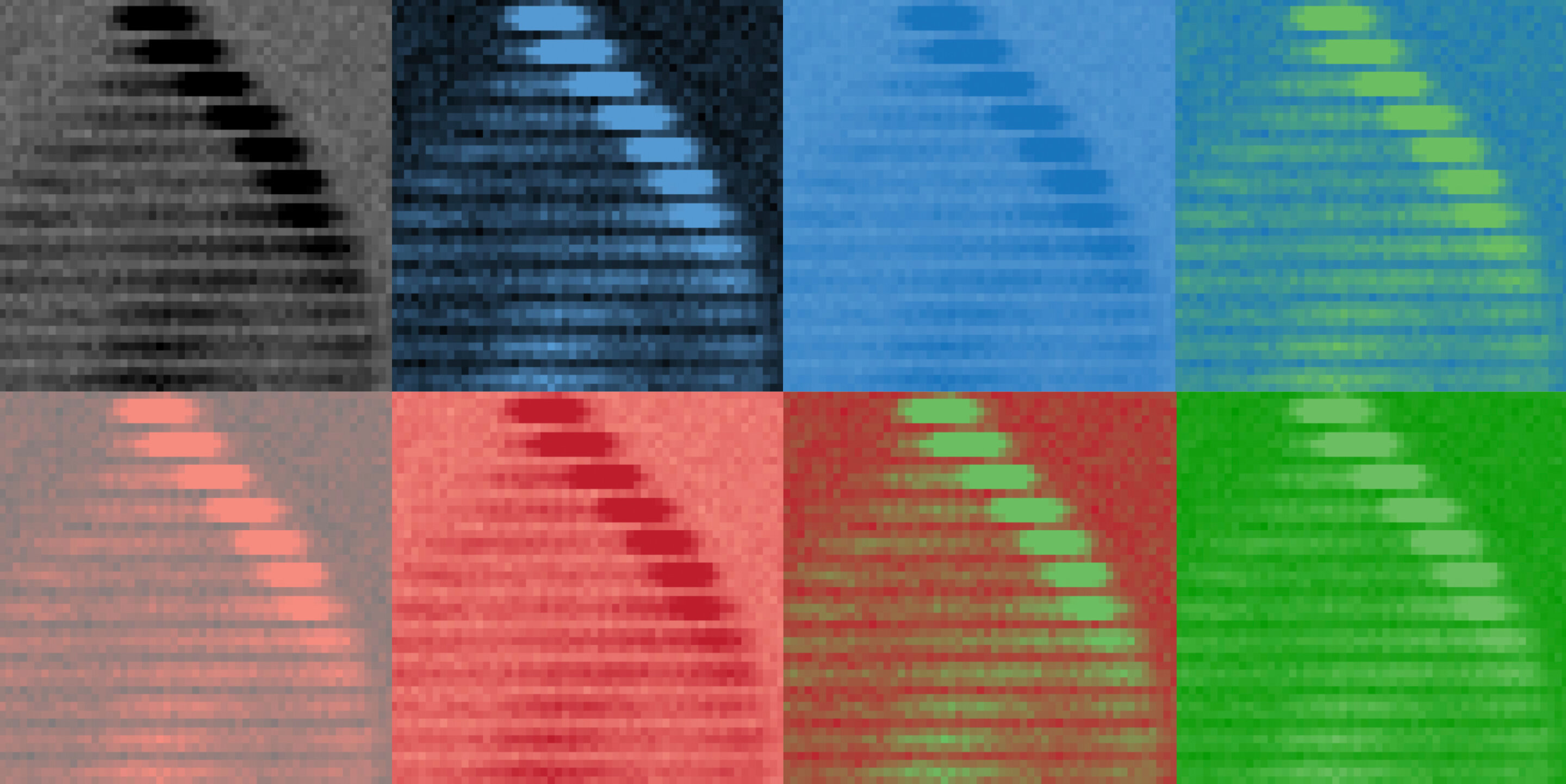
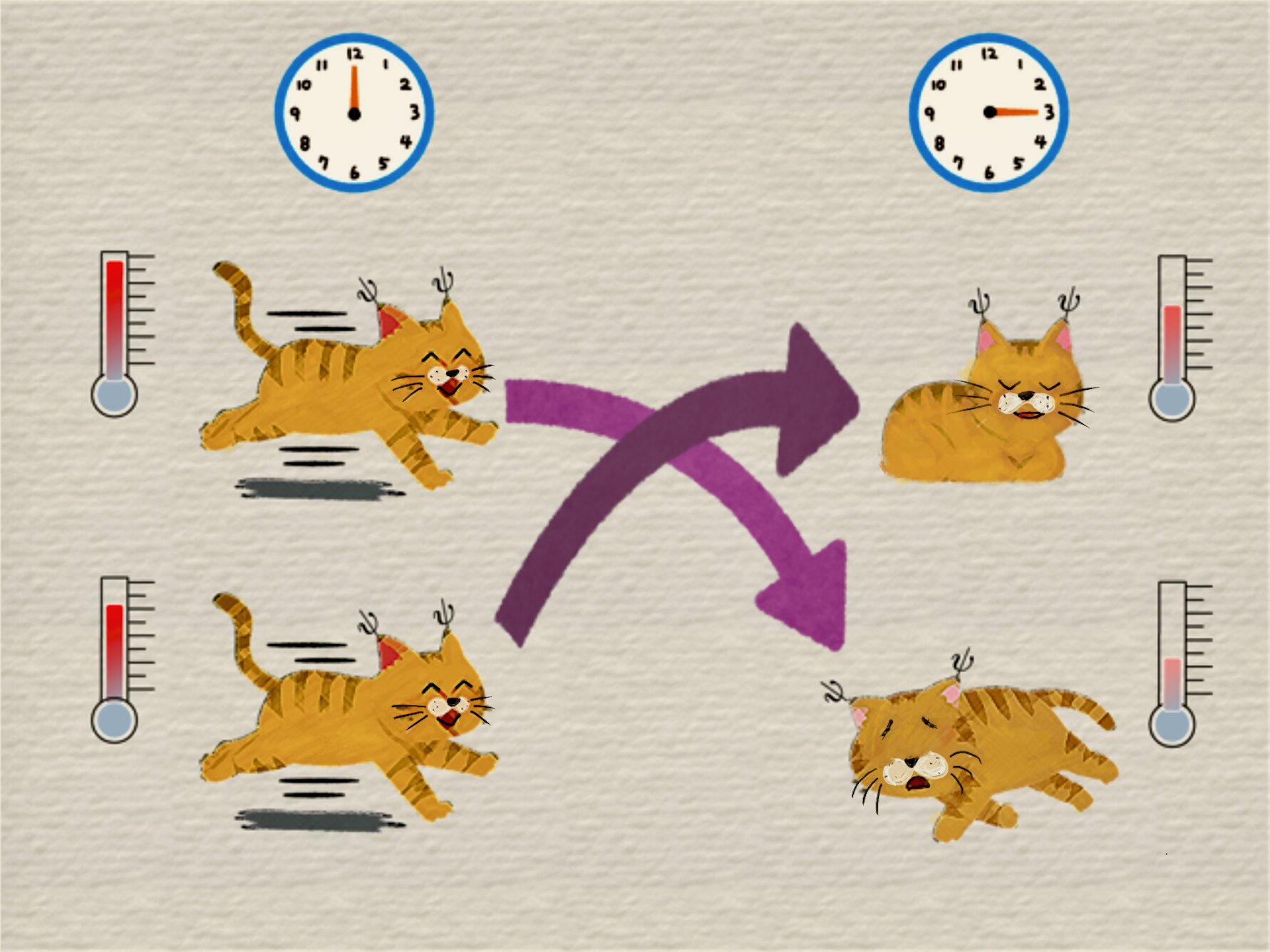
Researchers have investigated the Mpemba effect in quantum systems, where hotter water can freeze faster than cooler water. They found that the quantum Mpemba effect retains memory of its initial conditions, affecting its thermal relaxation later. By using two systems with quantum dots, the team demonstrated the thermal quantum Mpemba effect across various conditions, suggesting potential broader applications beyond thermal analysis. The findings encourage further exploration of the quantum Mpemba effect in future applications.
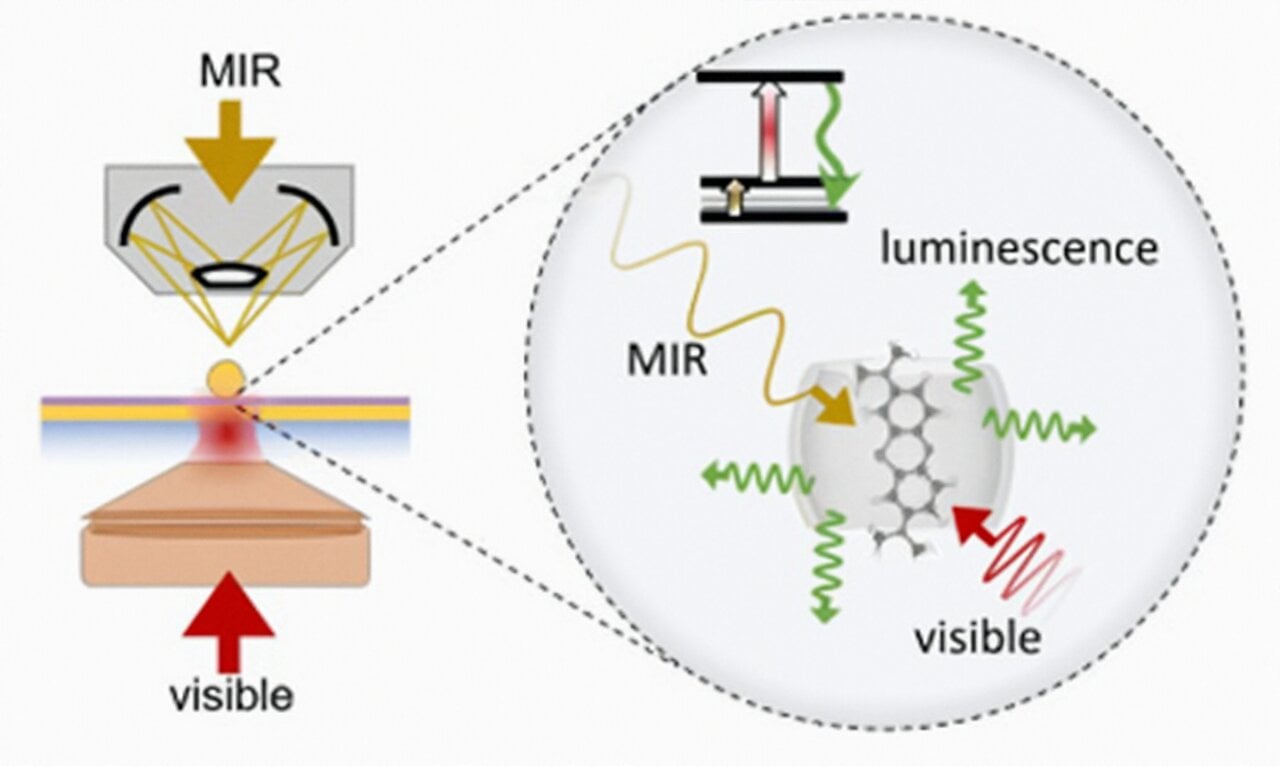
Researchers have developed a groundbreaking method called MIRVAL that allows for the detection of mid-infrared (MIR) light at room temperature using quantum systems. By converting low-energy MIR photons into high-energy visible photons, this technique enables single-molecule spectroscopy and has wide applications in gas sensing, medical diagnostics, astronomy, and quantum communication. The innovation overcomes the challenge of thermal noise and offers a more energy-efficient and compact alternative to current cooled semiconductor detectors. The breakthrough could deepen our understanding of complex systems and pave the way for practical devices in MIR technologies.
Researchers from Kyoto University and the Tokyo University of Agriculture and Technology have investigated the Mpemba effect, which refers to the phenomenon of hot water freezing faster than cold water. They studied the effect in quantum systems by preparing two systems with quantum dots connected to a heat bath. By observing the time evolution of these systems, they found evidence of the thermal quantum Mpemba effect, where the hotter part becomes colder and vice versa. The researchers believe that these findings could have potential applications beyond thermal analyses.
Scientists from the University of Birmingham and the University of Cambridge have developed a new method called MIR Vibrationally-Assisted Luminescence (MIRVAL) for detecting mid-infrared (MIR) light at room temperature using quantum systems. By converting low-energy MIR photons into high-energy visible photons using molecular emitters, this breakthrough allows scientists to detect MIR and perform spectroscopy at a single-molecule level. The new method has potential applications in gas sensing, medical diagnostics, astronomical surveys, and quantum communication, and could lead to advancements in MIR technologies and the manipulation of molecular quantum systems.
Researchers have demonstrated how mathematical representations called tensor trains can be used to capture and simulate the dynamics of evolving quantum systems. By implementing tensor trains using the theoretical framework of hierarchical equations of motion (HEOM), the team aims to describe the evolution and dynamics of quantum systems embedded in their environments. This research could provide valuable insights for understanding and simulating a wide range of evolving quantum systems, including those relevant to quantum computing.