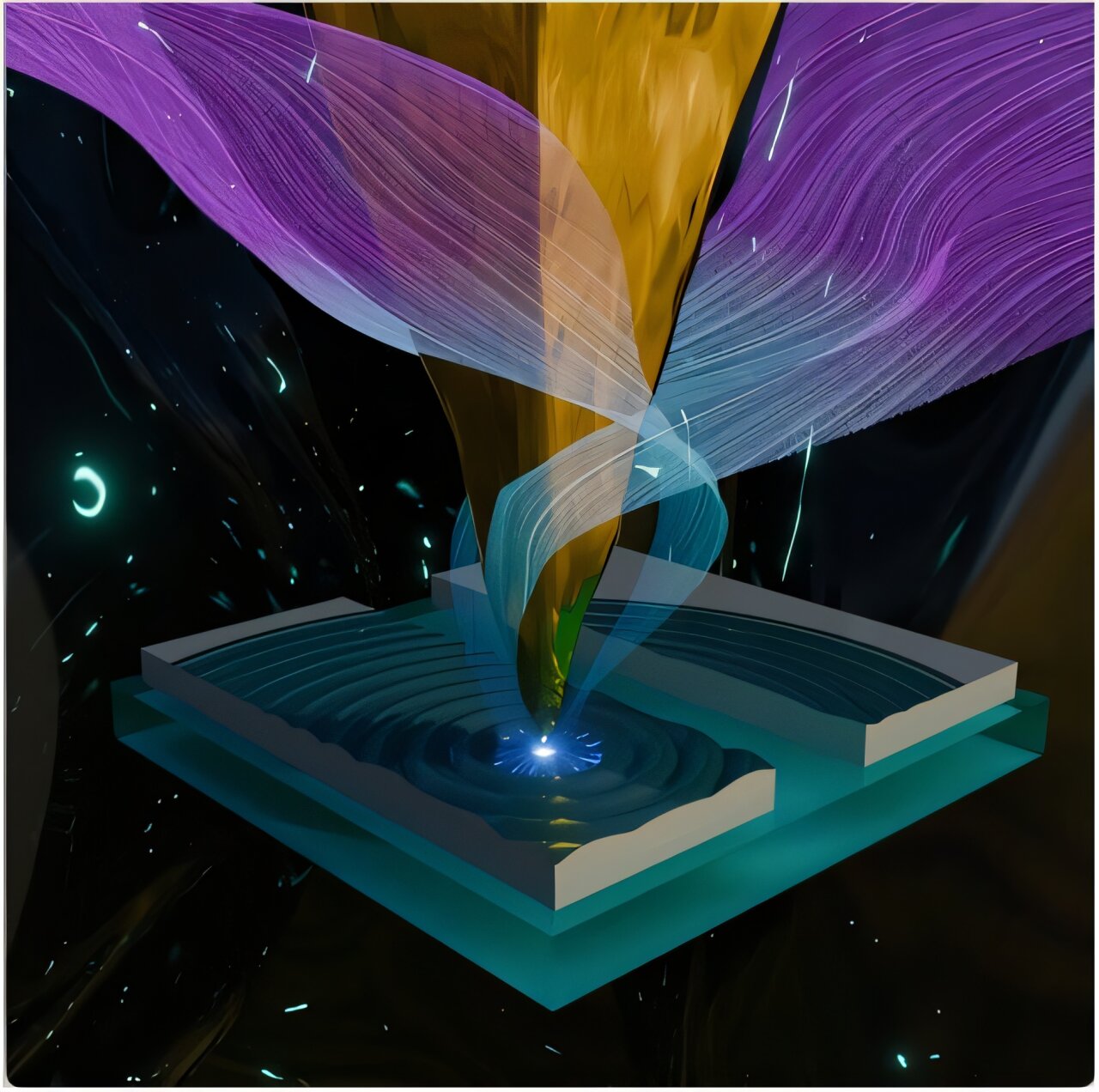
Scientists have developed a method to precisely control terahertz waves using topological insulators, enabling smaller, faster, and more efficient electronic and communication devices by confining and guiding light at the nanoscale, which could revolutionize data transmission, medical imaging, and quantum computing.
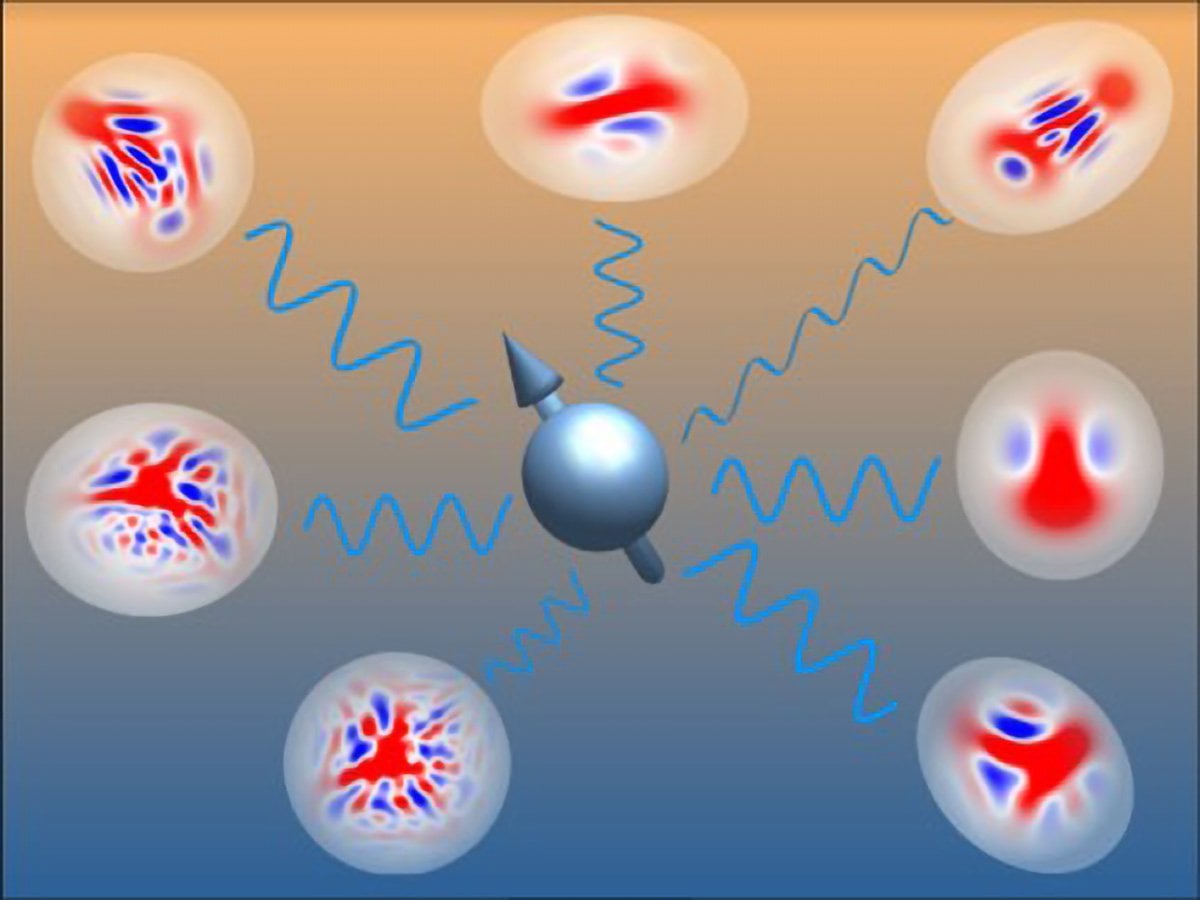
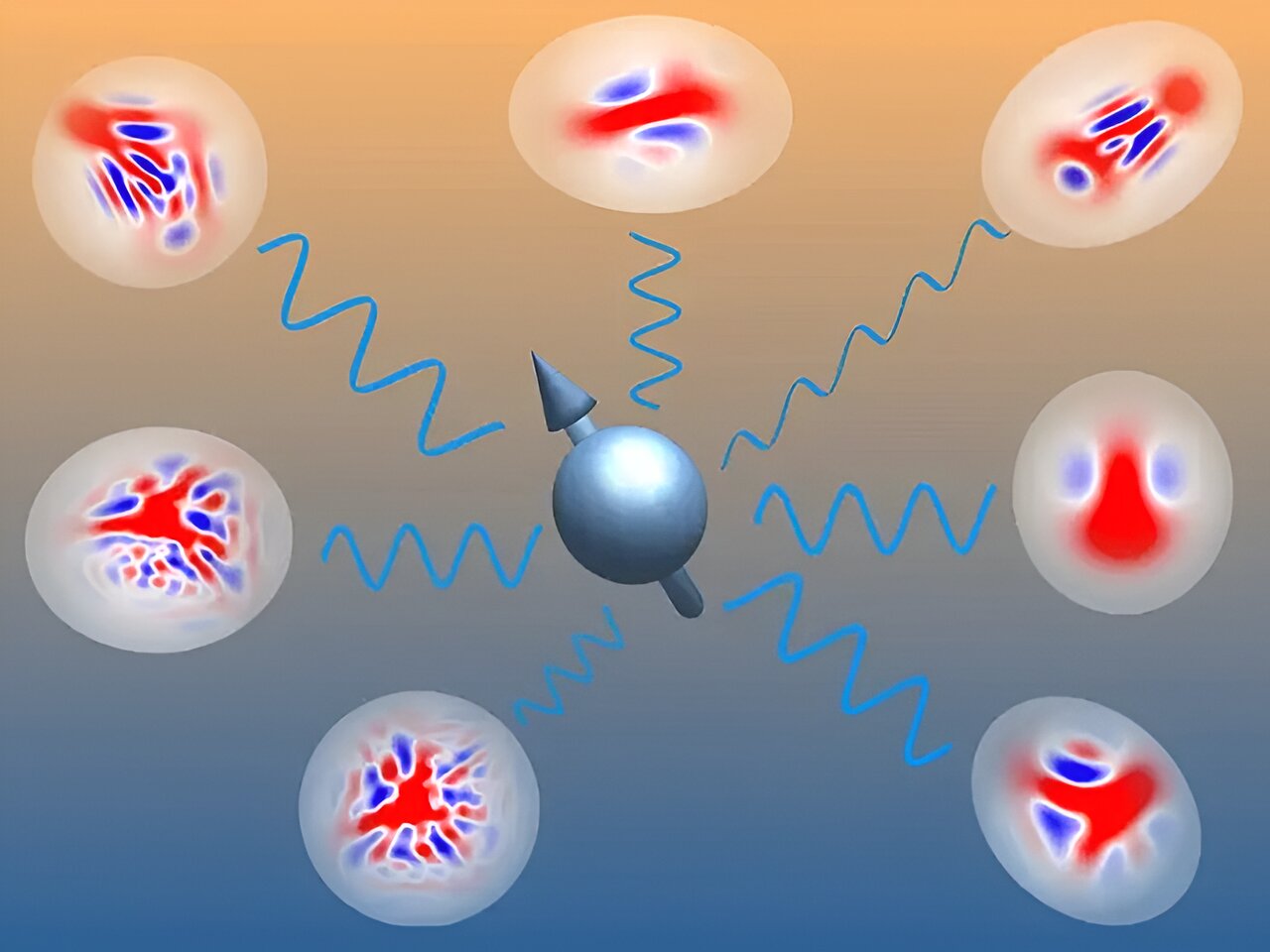
Researchers from Amsterdam have developed a new method using non-Gaussian states to efficiently describe and configure quantum spin-boson systems, which could significantly advance quantum computing and sensing. This approach allows for the preparation of complex quantum states, potentially enhancing quantum simulation, error correction, and sensor sensitivity. The method, demonstrated for a single spin, aims to extend to multiple spins and bosonic modes, with ongoing efforts to account for environmental disturbances.
Researchers in Amsterdam have developed a new computational method using non-Gaussian states to describe spin-boson systems, which can efficiently configure quantum devices. This approach allows for the preparation of complex quantum states, potentially enhancing applications like quantum simulation and error correction. The method, demonstrated for a single spin, aims to extend to multiple spins and bosonic modes, with ongoing efforts to account for environmental disturbances.
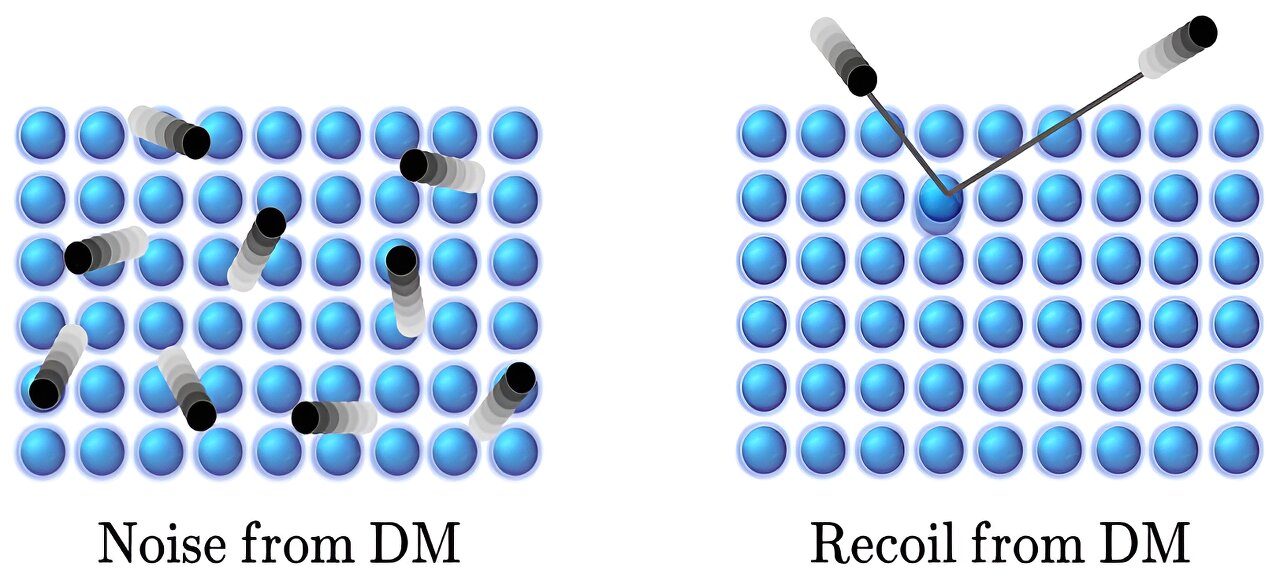
Physicists at the SLAC National Accelerator Laboratory propose a new method to search for dark matter using quantum devices that could be naturally tuned to detect thermalized dark matter, which may be present in and around Earth. This small-scale solution could be key to solving the large-scale mystery of dark matter, as it could potentially detect low-energy galactic dark matter as well as thermalized dark matter particles. The researchers are exploring the possibility of redesigning superconducting quantum devices as thermalized dark matter detectors and considering different materials and interactions to improve the detection process.
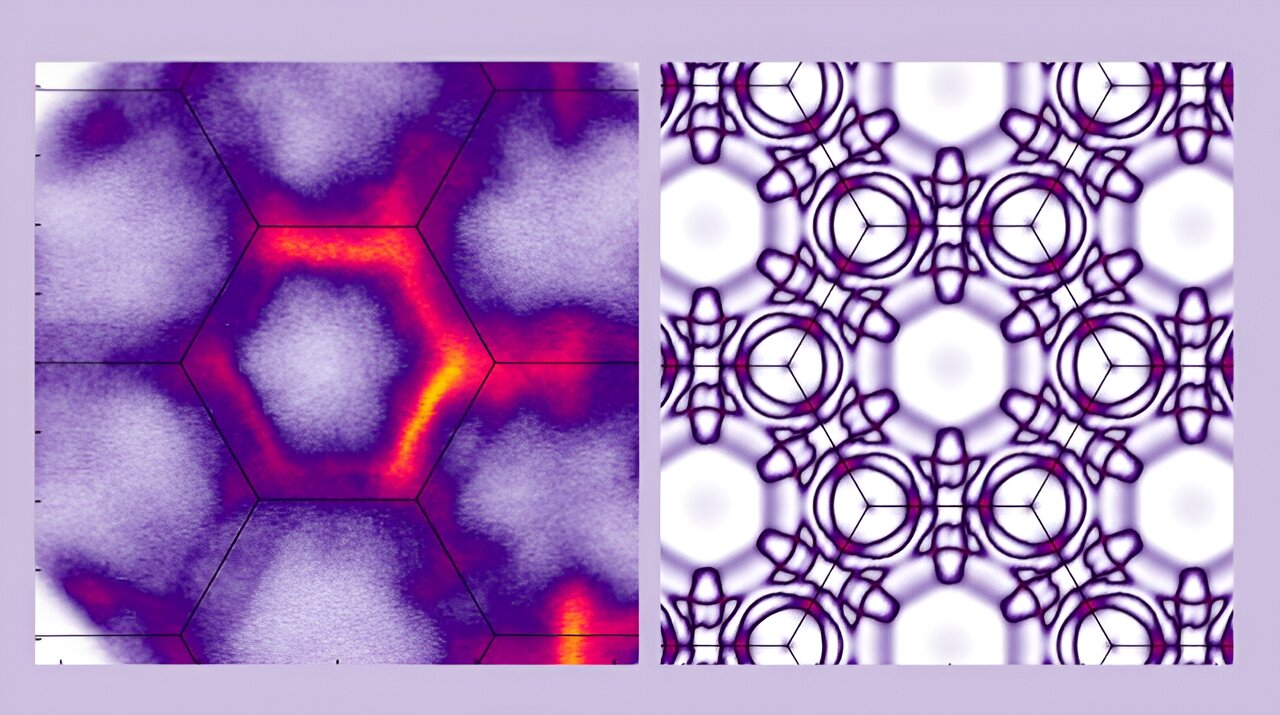
Quantum scientists have discovered that purple bronze, a one-dimensional metal, exhibits a phenomenon called "emergent symmetry" that allows it to switch between being an insulator and a superconductor. This switch can be triggered by minimal stimuli like heat or light, making it a potential candidate for developing perfect switches in quantum devices. The discovery, initiated by research into the metal's magnetoresistance, could be a significant milestone in the advancement of quantum technology.
Quantum scientists at the University of Bristol have discovered a rare phenomenon within purple bronze that could lead to a revolutionary "perfect switch" in quantum devices. The research, published in Science, reveals the emergence of a unique polarized versatility in the one-dimensional metal, allowing for a seamless transition between insulator and superconductor states. The discovery was made after 13 years of studying the material's complex behavior and magnetoresistance.
Scientists have discovered a rare phenomenon within purple bronze, a one-dimensional metal, that could lead to the development of a "perfect switch" for quantum devices. This switch can transition between being an insulator and a superconductor with unlimited conductivity, triggered by small changes in the material. The phenomenon, known as "emergent symmetry," offers potential for future quantum technology advancements. The research, led by the University of Bristol, provides insights into the complex behavior of purple bronze and its potential applications in quantum circuits.
Scientists from the Quantum Systems Accelerator (QSA) have conducted experiments with a new type of layered 2D metal, NiTa4Se8, and discovered connections in electronic behavior that could be useful for fabricating complex superconducting quantum processors. The researchers observed both itinerant magnetism and superconductivity in NiTa4Se8, which is an emerging class of intercalated transition metal dichalcogenide (TMD). This finding challenges the conventional understanding that materials are either superconductors or magnets, but not both. The study highlights the potential of 2D materials for next-generation quantum devices and the importance of interdisciplinary collaboration and advanced tools in materials research.