Tag

Tidal Forces

All articles tagged with #tidal forces

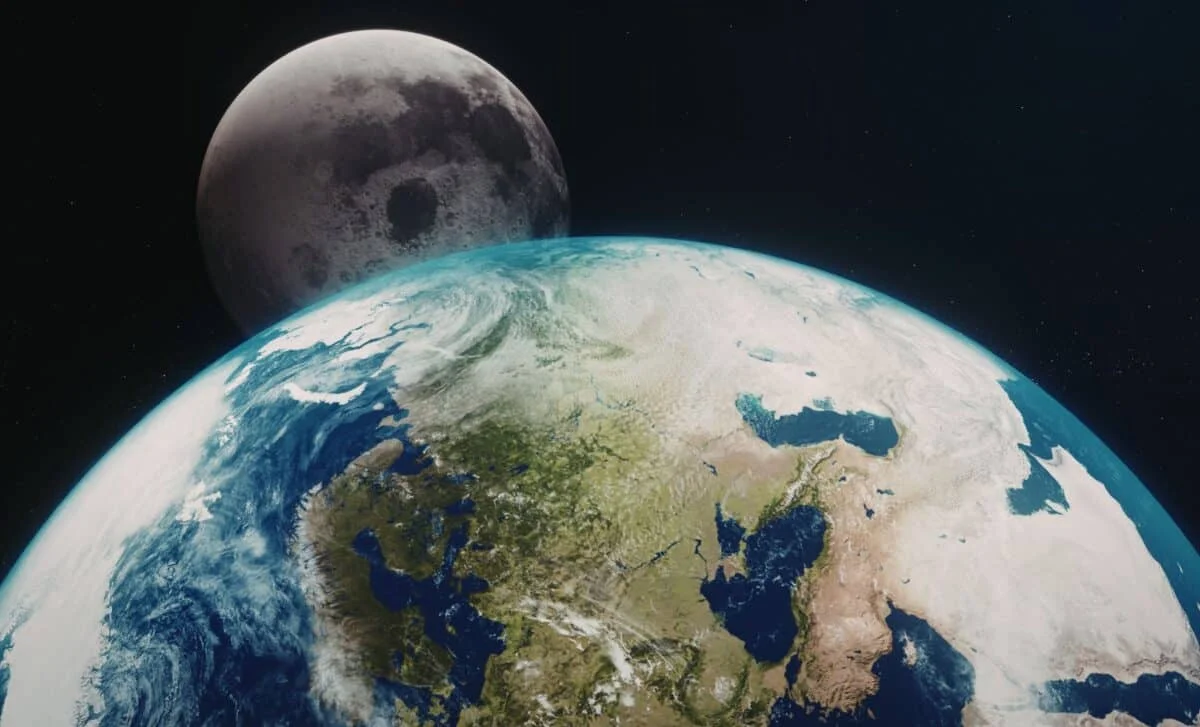
Moon's Drift Away from Earth and Its Future Impact

Originally Published 21 days ago — by The Daily Galaxy

Featured image for Moon's Drift Away from Earth and Its Future Impact
Source: The Daily Galaxy

The Moon is gradually drifting away from Earth at about 3.8 centimeters per year, a process driven by tidal interactions that have influenced Earth's rotation and the Moon's orbit over billions of years. This slow migration will eventually lead to a longer day length and possibly a tidal lock, with profound implications for Earth's future and the solar system's stability, especially as the Sun ages.

Scientists Uncover Why Earth's Rotation Halted for a Billion Years

Originally Published 22 days ago — by The Daily Galaxy

Featured image for Scientists Uncover Why Earth's Rotation Halted for a Billion Years
Source: The Daily Galaxy

Earth's rotation paused at a 19-hour day for nearly a billion years due to a rare balance between lunar and solar atmospheric tides, impacting atmospheric oxygen levels and delaying the rise of complex life, with subtle ongoing changes influenced by Earth's deep interior.

Scientists Explain Why Days Are Getting Shorter

Originally Published 3 months ago — by Neowin

Featured image for Scientists Explain Why Days Are Getting Shorter
Source: Neowin

Earth's days are slightly getting shorter due to factors like atmospheric winds, ocean currents, Earth's internal movements, and lunar gravitational pull, with the shortest day on August 5, 2025, measuring just 86,399.99867 seconds. These tiny variations, measurable with precise instruments like atomic clocks and quasars, impact systems like GPS and are influenced by both short-term weather patterns and long-term geophysical processes.

Physicist Explains Why the Moon Is Gradually Moving Away from Earth

Originally Published 3 months ago — by The Conversation

Featured image for Physicist Explains Why the Moon Is Gradually Moving Away from Earth
Source: The Conversation

The Moon is gradually moving about 1.5 inches away from Earth each year due to tidal forces caused by gravity, which also slightly slows Earth's rotation. This process has been ongoing for billions of years and will continue until the Moon becomes tidally locked with Earth, but these changes are extremely slow and won't affect our daily life for millions of years.

Unraveling Mercury's Twisted Surface and Tectonic Mysteries

Originally Published 6 months ago — by The Daily Galaxy

Featured image for Unraveling Mercury's Twisted Surface and Tectonic Mysteries
Source: The Daily Galaxy

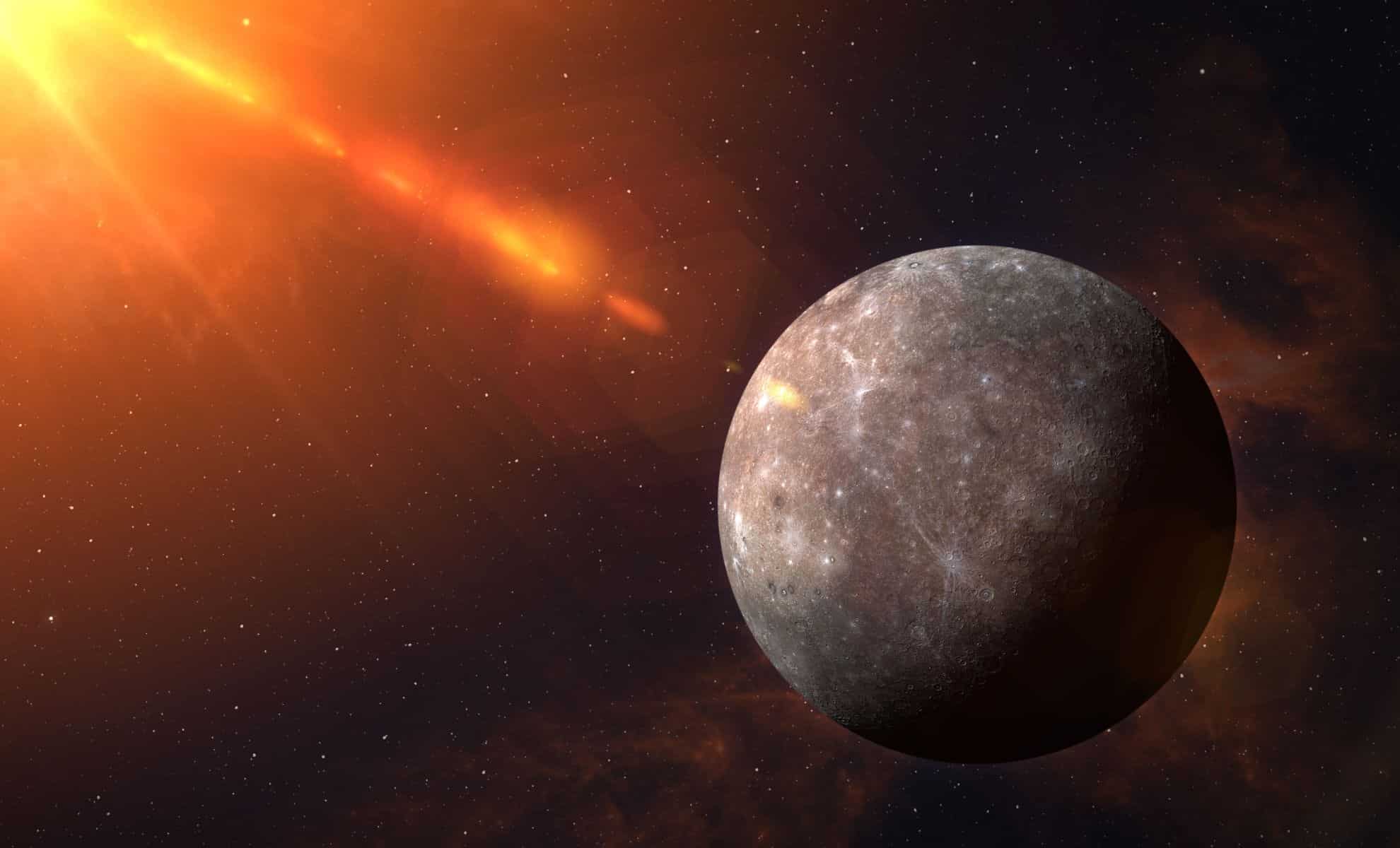
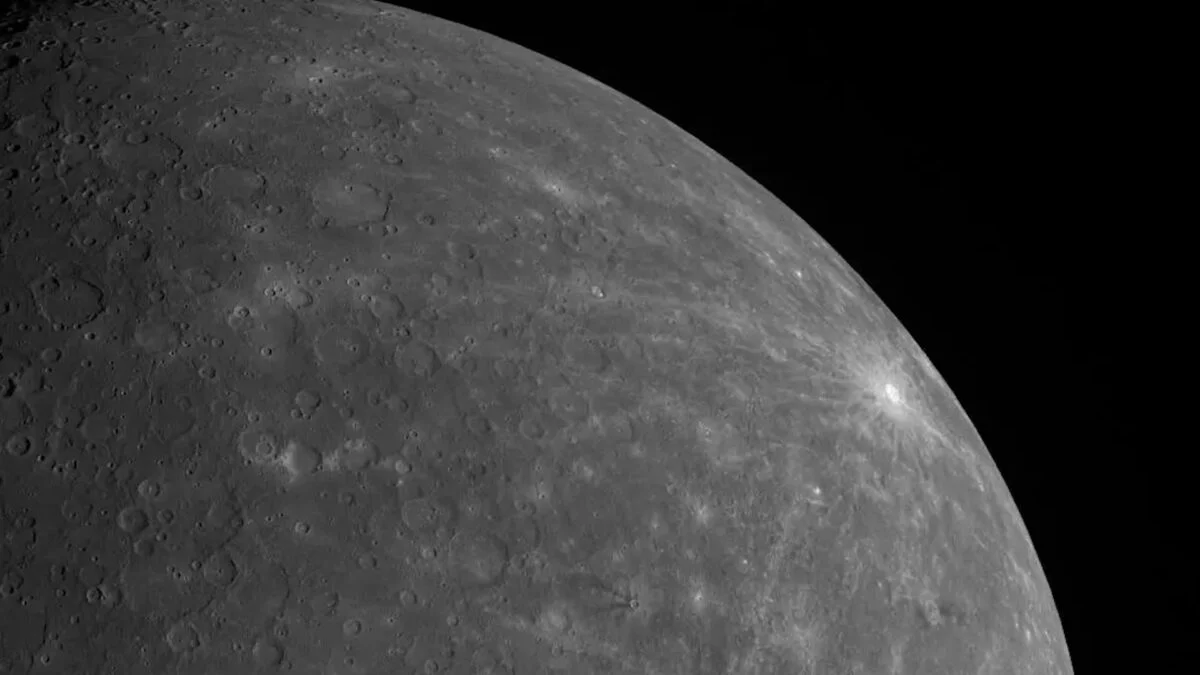
Recent research suggests that the twisted and fractured surface of Mercury may be significantly shaped by the Sun's tidal forces, rather than solely by cooling and contraction, with upcoming data from the BepiColombo mission expected to shed more light on these planetary processes.

"The Potential Link Between Total Solar Eclipses and Earthquakes"

Originally Published 1 year ago — by Forbes

Featured image for "The Potential Link Between Total Solar Eclipses and Earthquakes"
Source: Forbes

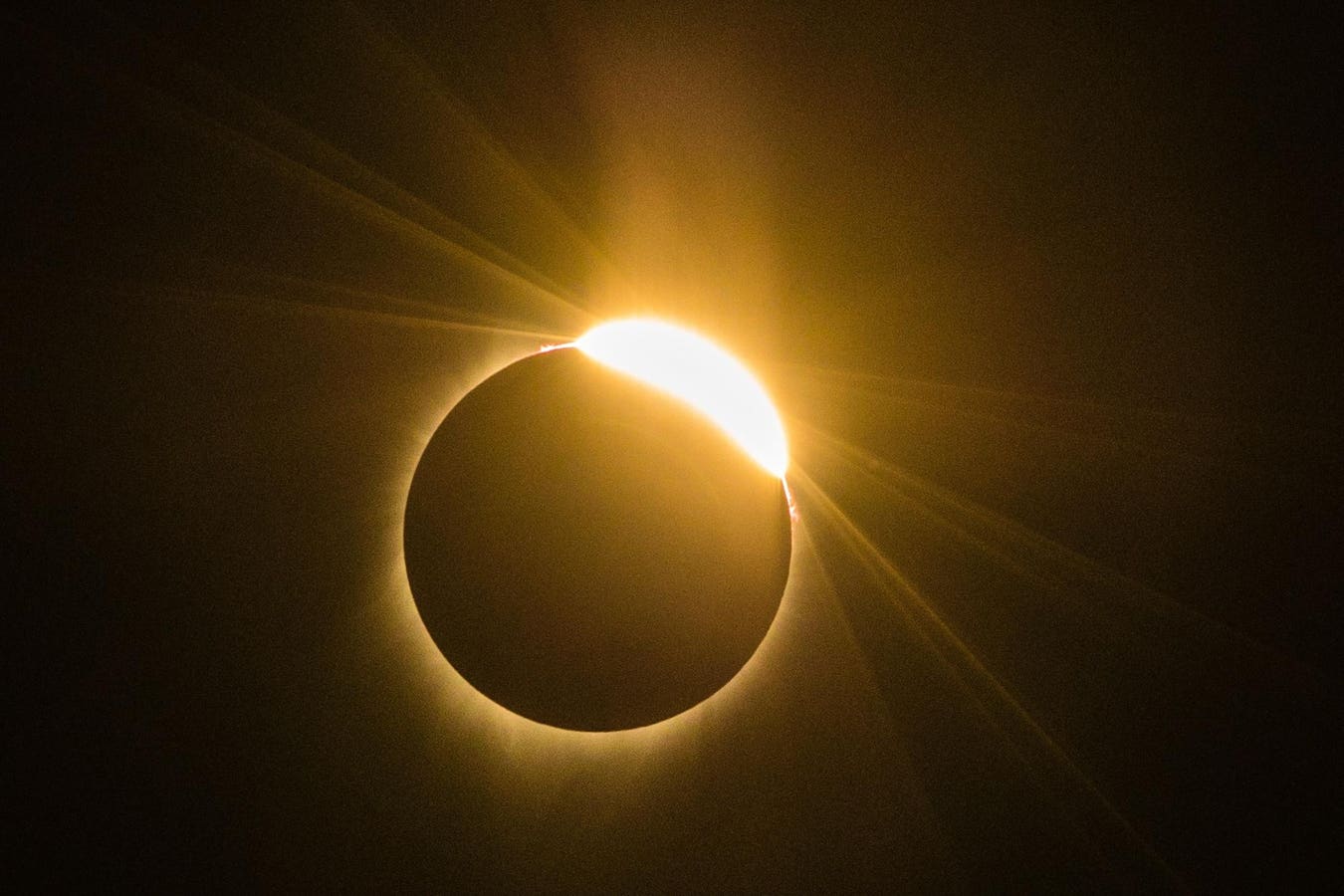
The relationship between total solar eclipses and earthquakes has been a topic of speculation for centuries, with some research suggesting a possible correlation between seismic activity and the alignment of the Sun, Moon, and Earth. While some studies have found a weak link between tidal forces and earthquakes, the influence of the Moon on tectonic activity remains a highly controversial and debated topic among geologists.

"Egg-shaped Exoplanet Death-spirals into Star"

Originally Published 1 year ago — by Space.com

Featured image for "Egg-shaped Exoplanet Death-spirals into Star"
Source: Space.com

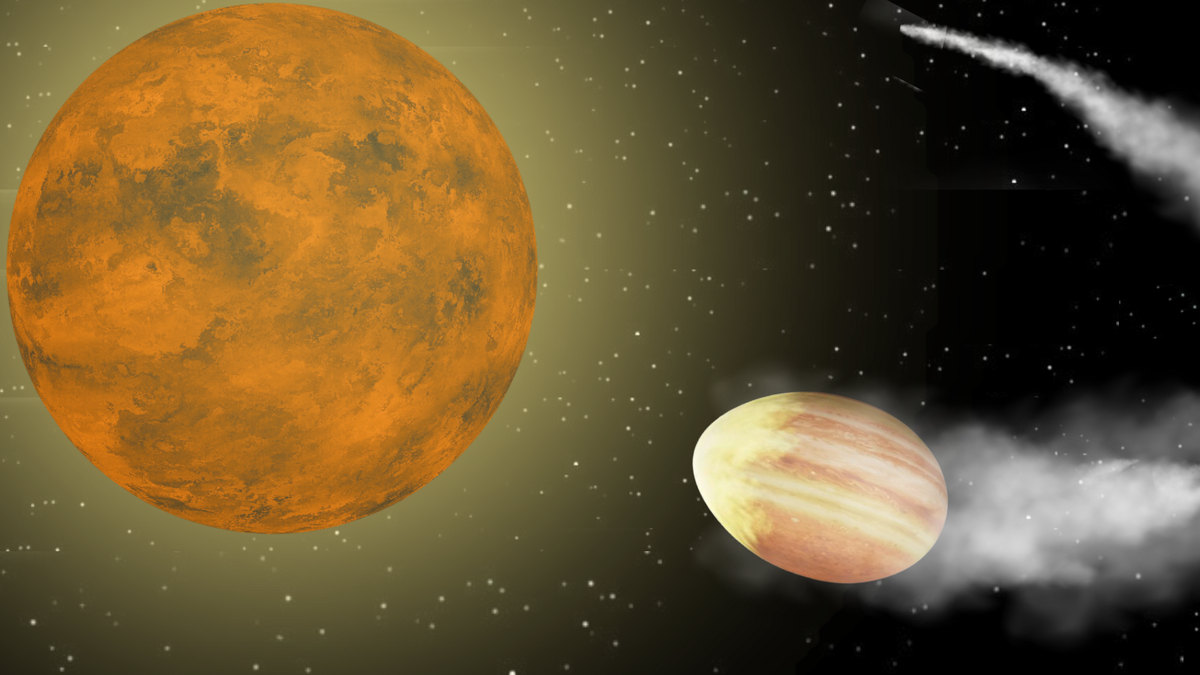
Astronomers have found that the egg-shaped exoplanet WASP-12b, twice the size of Jupiter, is hurtling towards its parent star and is expected to collide in just 3 million years, much sooner than previously estimated. The planet's extreme proximity to its star causes immense tidal forces, shaping it like an egg and stripping material that forms a disk around the star. The research also suggests that the star may have already entered its sub-giant phase, triggering rapid tidal dissipation. The findings could indicate that other ultra-hot Jupiters might also be on collision courses with their stars, prompting further research into orbital decay rates.

Giant Tidal Waves Crash on Distant Star

Originally Published 2 years ago — by Nautilus Magazine

Featured image for Giant Tidal Waves Crash on Distant Star
Source: Nautilus Magazine

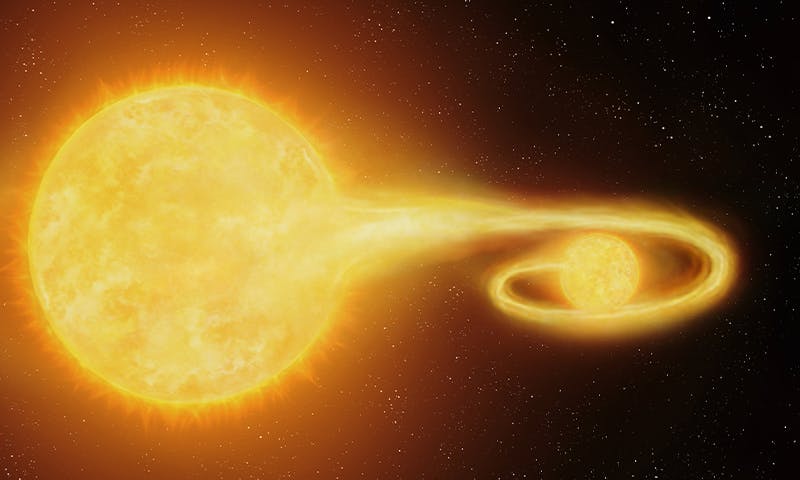
Astrophysicists have observed waves of gas and plasma breaking on a larger companion star in a binary star system located in the Large Magellanic Cloud. The small star in the system raises tidal waves so large that they break on the larger star's surface, releasing massive amounts of energy. The waves are caused by the smaller star distorting the shape of the larger star during their orbital dance. This phenomenon, witnessed through simulations, is the first of its kind and could be the first of a growing class of objects.

"Unveiling the Gravitational Forces that Saved us from 60-Hour Days"

Originally Published 2 years ago — by Ars Technica

Featured image for "Unveiling the Gravitational Forces that Saved us from 60-Hour Days"
Source: Ars Technica

Earth's rotation has been influenced by tidal forces from the Moon and the Sun, gradually lengthening our days over billions of years. However, from 2 billion to 600 million years ago, various tidal forces canceled each other out, keeping Earth's rotation at a consistent speed and resulting in days that were approximately 19.5 hours long. This period of stasis ended 600 million years ago, and our present 24-hour days are a result of the resonance between Earth's rotation and atmospheric waves. Rising temperatures due to global warming may disrupt this resonance and further lengthen our days.

Unraveling the Mystery of Earth's 24-Hour Day and the Sun's Role

Originally Published 2 years ago — by Space.com

Featured image for Unraveling the Mystery of Earth's 24-Hour Day and the Sun's Role
Source: Space.com

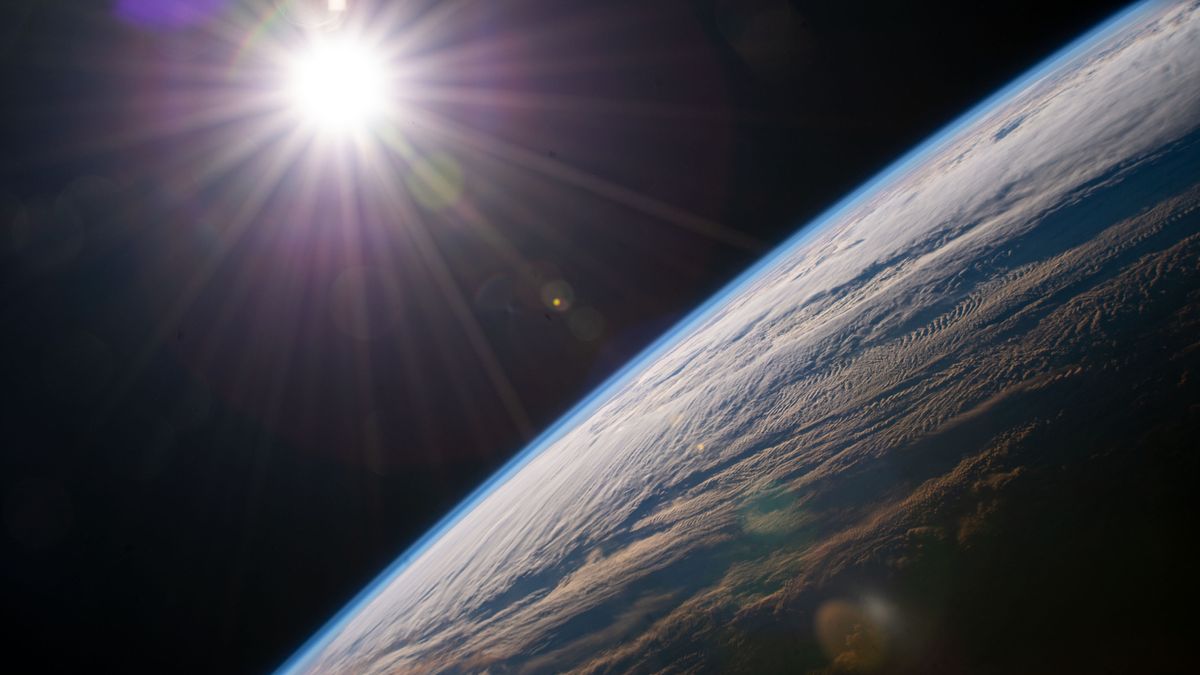
The length of Earth's day is 24 hours due to a balance between the gravitational tidal forces from the moon and the sun. The moon's gravity pulls on Earth's oceans, resulting in high tides that slow down Earth's rotation, while thermal tides in Earth's atmosphere speed up the rotation. For a long period between 2.2 billion and 600 million years ago, the thermal tides and lunar tides were in sync, keeping Earth's day length at 19.5 hours. However, over the past 600 million years, Earth's rotation has been slowing down again. Climate change could further disrupt this balance, leading to longer days.

Habitable Zone Planets in Triple Star Systems: A Common Occurrence?

Originally Published 2 years ago — by Phys.org

Featured image for Habitable Zone Planets in Triple Star Systems: A Common Occurrence?
Source: Phys.org

University of Florida astronomers have found that one-third of the planets orbiting the most common stars in the Milky Way, M dwarf stars, could be in a habitable zone. The remaining two-thirds of the planets could be roasted by tidal forces, sterilizing them. The researchers measured the eccentricity of over 150 planets around M dwarf stars and found that stars with multiple planets were more likely to have circular orbits that allow them to retain liquid water. The data came from NASA's Kepler telescope and the Gaia telescope.

Star Devours Planet, Creates Infrared Transient

Originally Published 2 years ago — by Nature.com

Featured image for Star Devours Planet, Creates Infrared Transient
Source: Nature.com

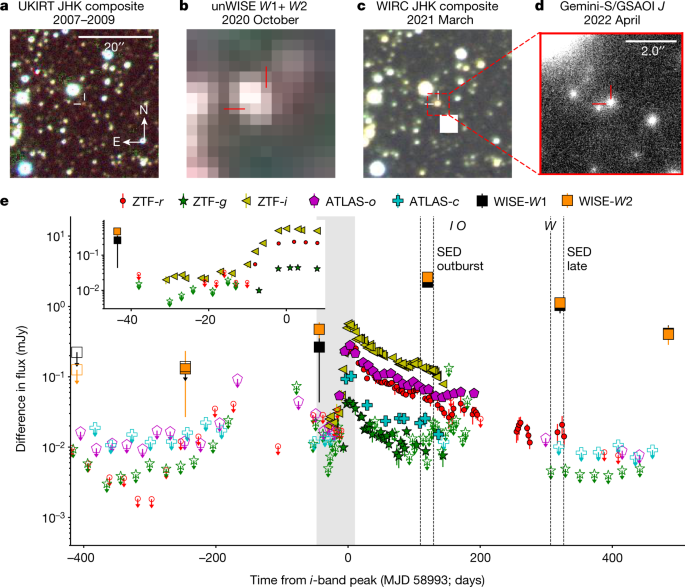
Astronomers have observed an infrared transient from a star that appears to have engulfed a planet. The event, detected by the Zwicky Transient Facility, is thought to have been caused by the tidal forces of the star tearing apart the planet as it orbited too close. The observation provides new insights into the interaction between stars and planets in binary systems and the effects of tidal forces.

The Fate of Earth's Moon: Will it Ever Disappear?

Originally Published 2 years ago — by Livescience.com

Featured image for The Fate of Earth's Moon: Will it Ever Disappear?
Source: Livescience.com

The moon is slowly drifting away from Earth at a rate of about 1.5 inches per year due to the gravitational effects of each on the other. Tidal forces are also slowing the rate at which the moon rotates on its axis, resulting in the moon "tidally locking" with Earth. In about 50 billion years, Earth's slowing rotation would make it tidally lock with the moon so that Earth would permanently show just one side to the moon. However, in about 5 billion years, as the sun begins to die, it will swell to become a red giant star, "at which point the Earth-moon system will almost certainly be disrupted and destroyed."