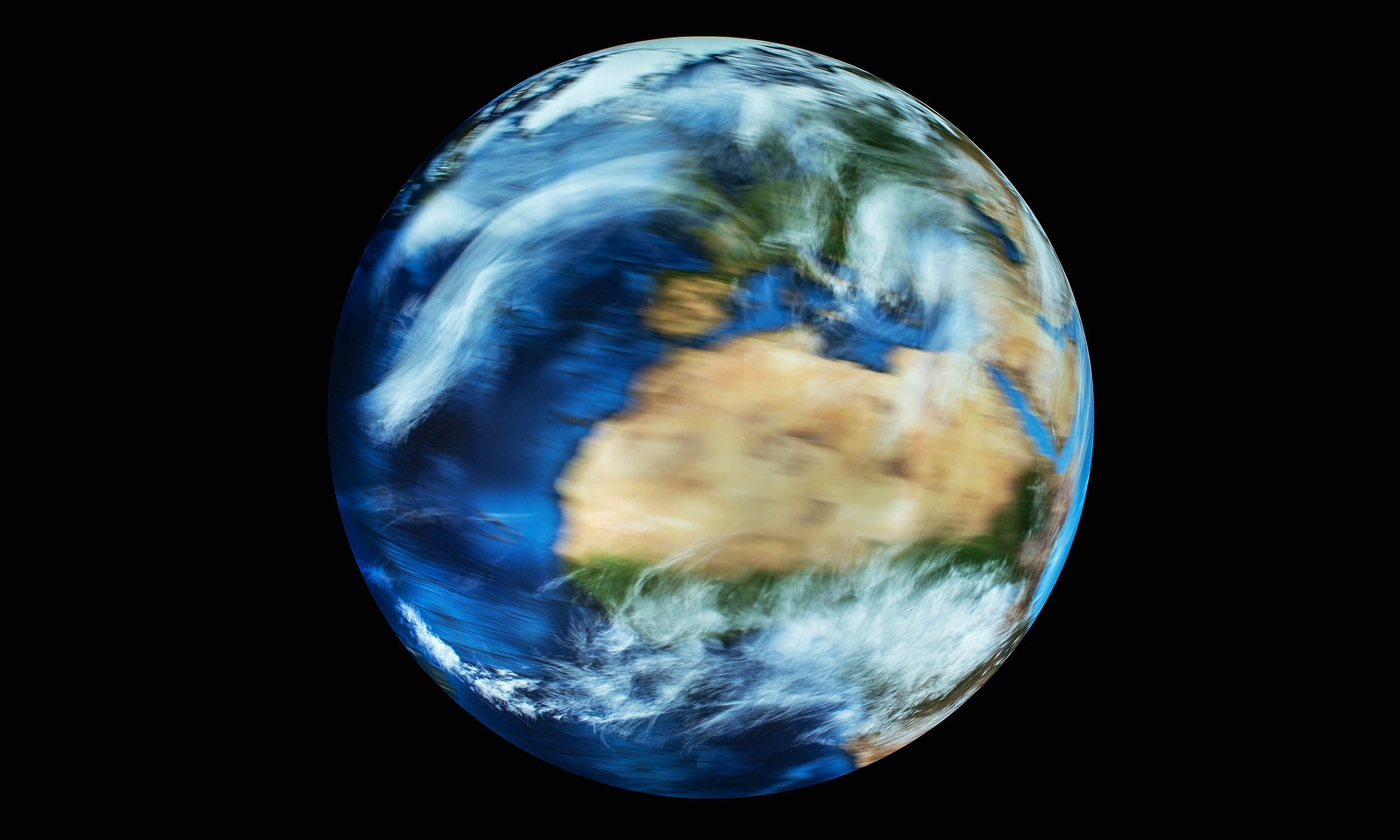
Research shows that for about a billion years, Earth's day lasted around 19 hours due to a balance between lunar tidal forces and atmospheric tides, with long periods of stability interrupted by episodes of faster or slower rotation, influencing Earth's climate and oxygen levels over geological time.
Research shows that for about a billion years, Earth's day lasted roughly 19 hours due to a balance between lunar tidal forces and atmospheric tides, creating long periods where day length remained stable before gradually increasing to 24 hours, impacting Earth's climate and oxygen levels.
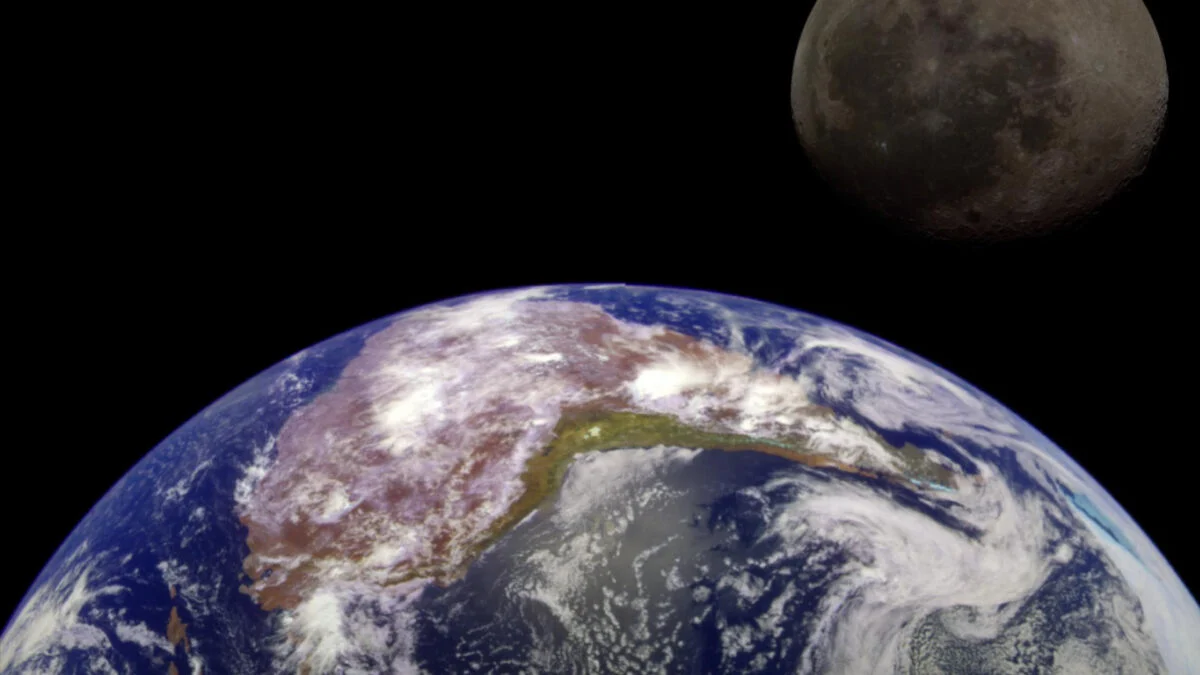
Earth is spinning slightly faster than usual, making August 5 one of the shortest days on record, likely due to the moon's position, but scientists are still unsure why this acceleration is happening, especially since Earth's rotation has generally been slowing down over millions of years.
Earth's rotation is unexpectedly speeding up, making August 5, 2025, one of the shortest days on record by just 1.25 milliseconds less than 24 hours, a phenomenon scientists are still trying to understand, possibly linked to changes in Earth's liquid core or lunar influences.
This summer, Earth experienced some of the shortest days in recorded history due to the planet spinning faster, influenced by factors like lunar gravity, atmospheric changes, and internal core dynamics. While these millisecond variations are imperceptible to humans, they have significant implications for precise timekeeping and technology, with scientists uncertain about future trends due to complex geophysical interactions.
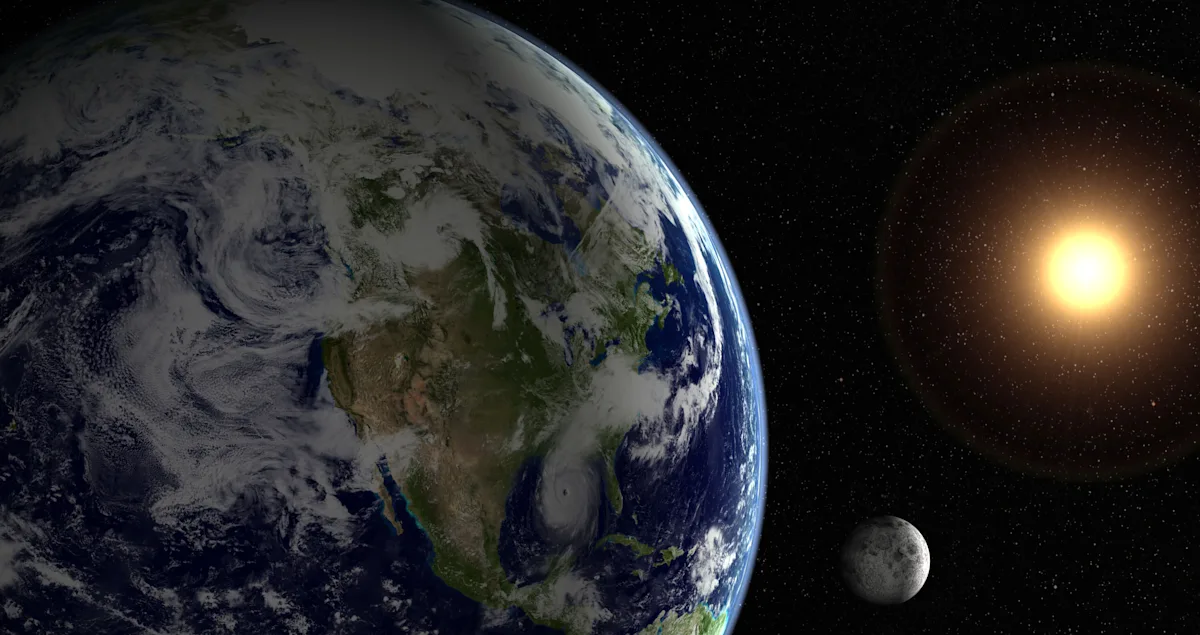
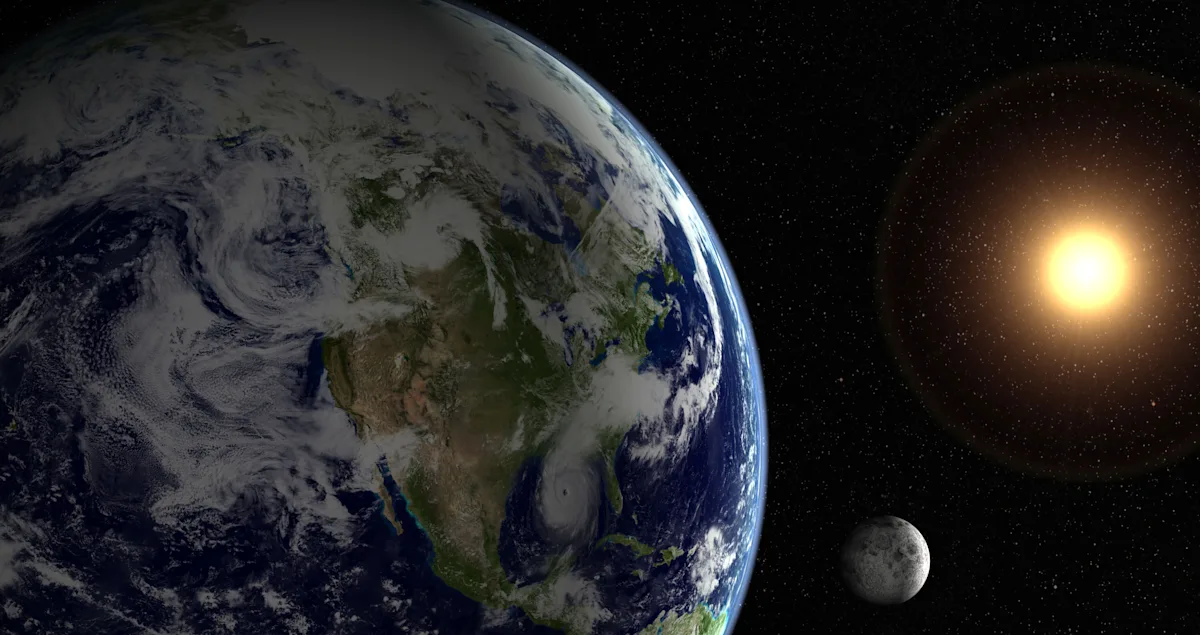
Earth experienced one of its shortest days on record on July 9, 2025, due to the moon's gravitational effects, with two more such days expected this summer. This phenomenon is linked to the moon's position and gravitational pull, which can temporarily speed up Earth's rotation. Scientists monitor these variations using atomic clocks, and if the trend continues, it could lead to the need for a negative leap second to keep civil time aligned with Earth's rotation.
Earth will spin slightly faster on three days this summer, resulting in minuscule shorter days due to gravitational and geological factors, with changes measured in milliseconds, but these fluctuations are imperceptible to humans.
Earth will spin slightly faster on three days in summer 2023, resulting in minuscule shorter days due to gravitational and geological factors, but the change is imperceptible to humans.
Earth's rotation is expected to speed up over the next few months due to the moon's position, causing some days to be slightly shorter by up to 1.51 milliseconds, influenced by gravitational effects, climate-related mass shifts, and other geophysical factors.
Earth may experience its shortest day on record this summer due to unexpected acceleration in its rotation, the cause of which remains unknown, with scientists noting that the Moon's orbit and internal factors could be influencing this phenomenon, although the exact reason is still unclear.