Tag

Bepicolombo

All articles tagged with #bepicolombo

science17 days ago

The Enigma of Mercury's Existence

Mercury's unusual characteristics and orbit challenge current understanding of planet formation, with theories including giant impacts and migration. The upcoming BepiColombo mission aims to uncover its origins by studying its surface and internal structure, potentially solving one of the Solar System's biggest mysteries.
science1 year ago

BepiColombo Unveils Mercury's Surface in Unprecedented Infrared Clarity

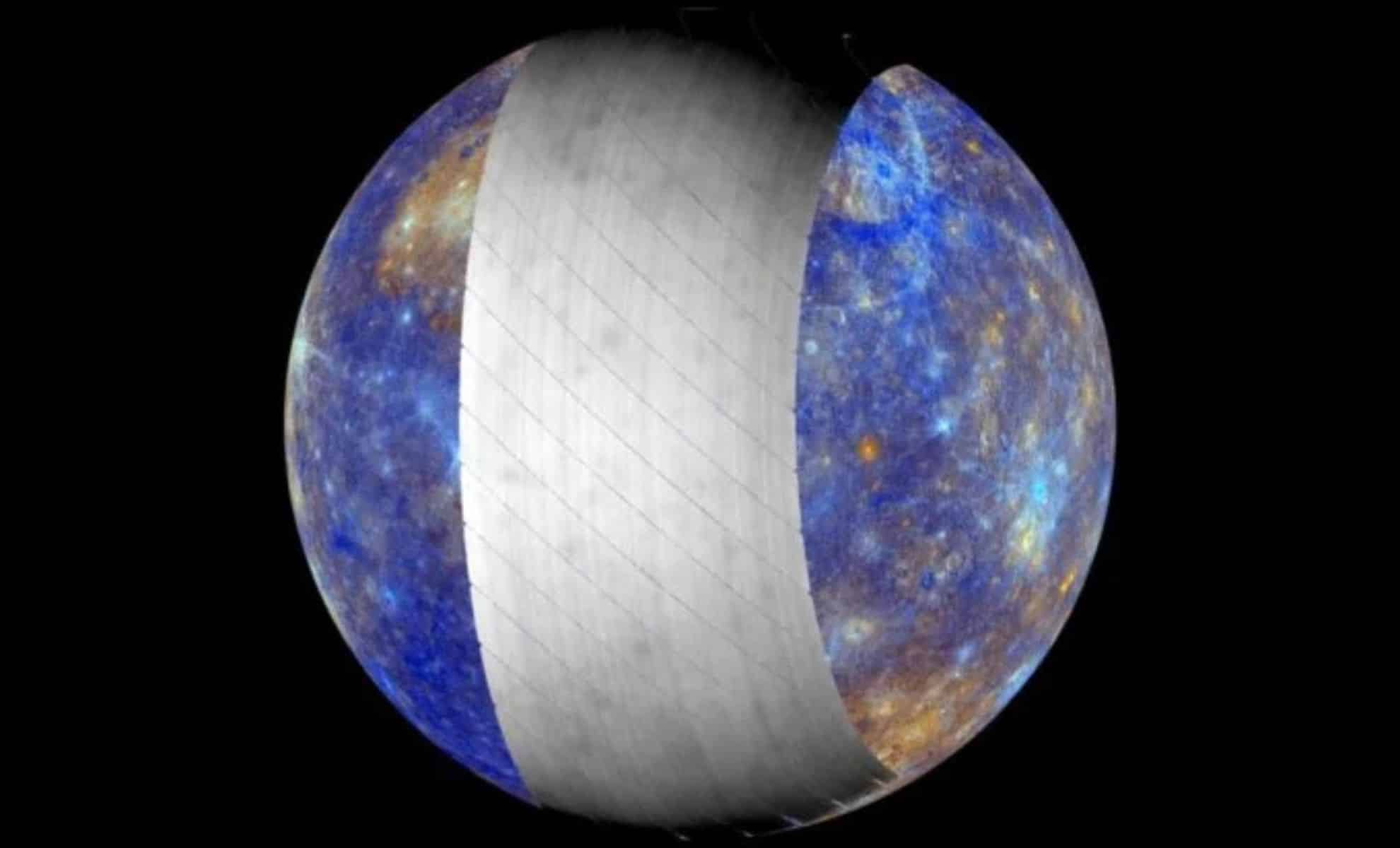
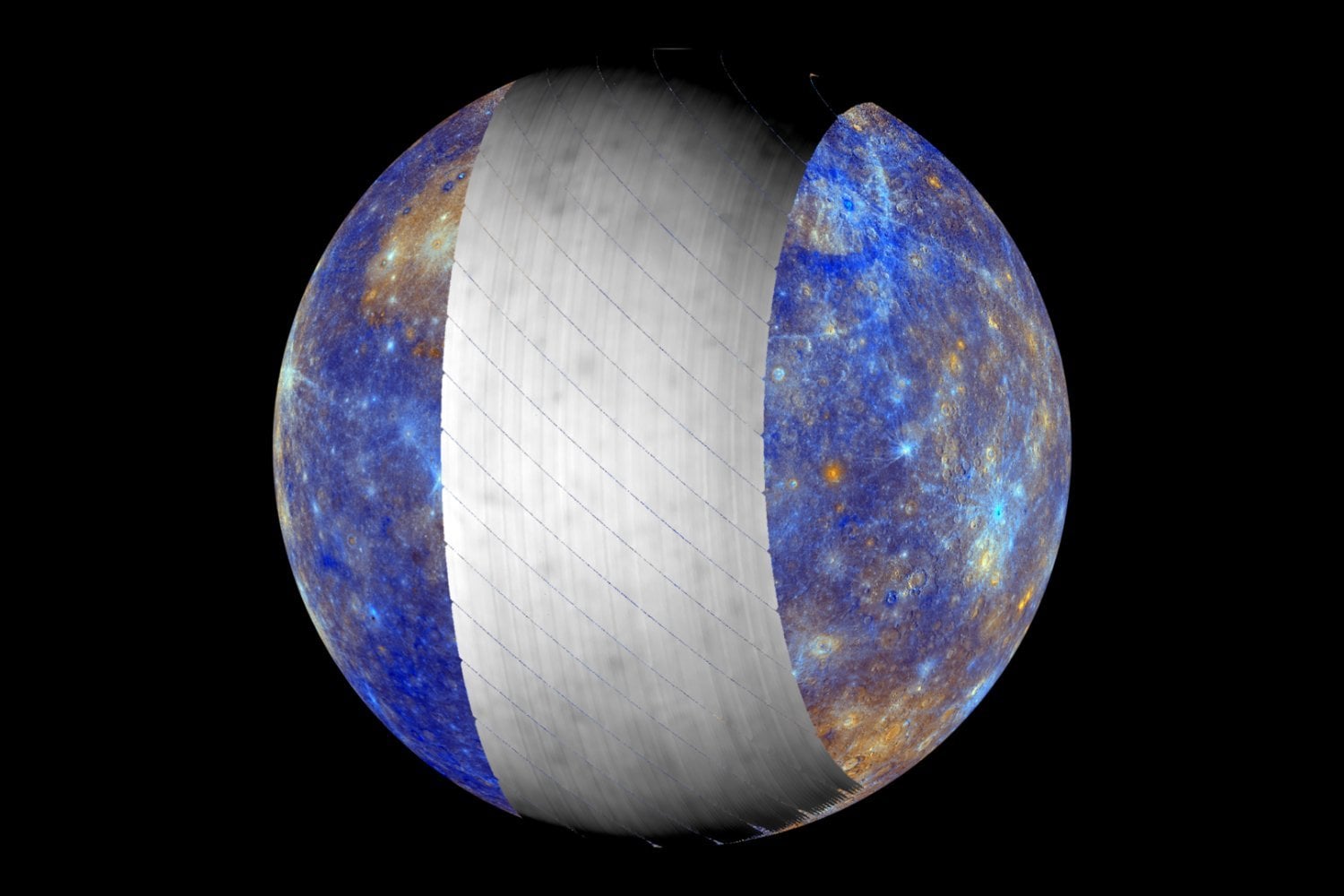
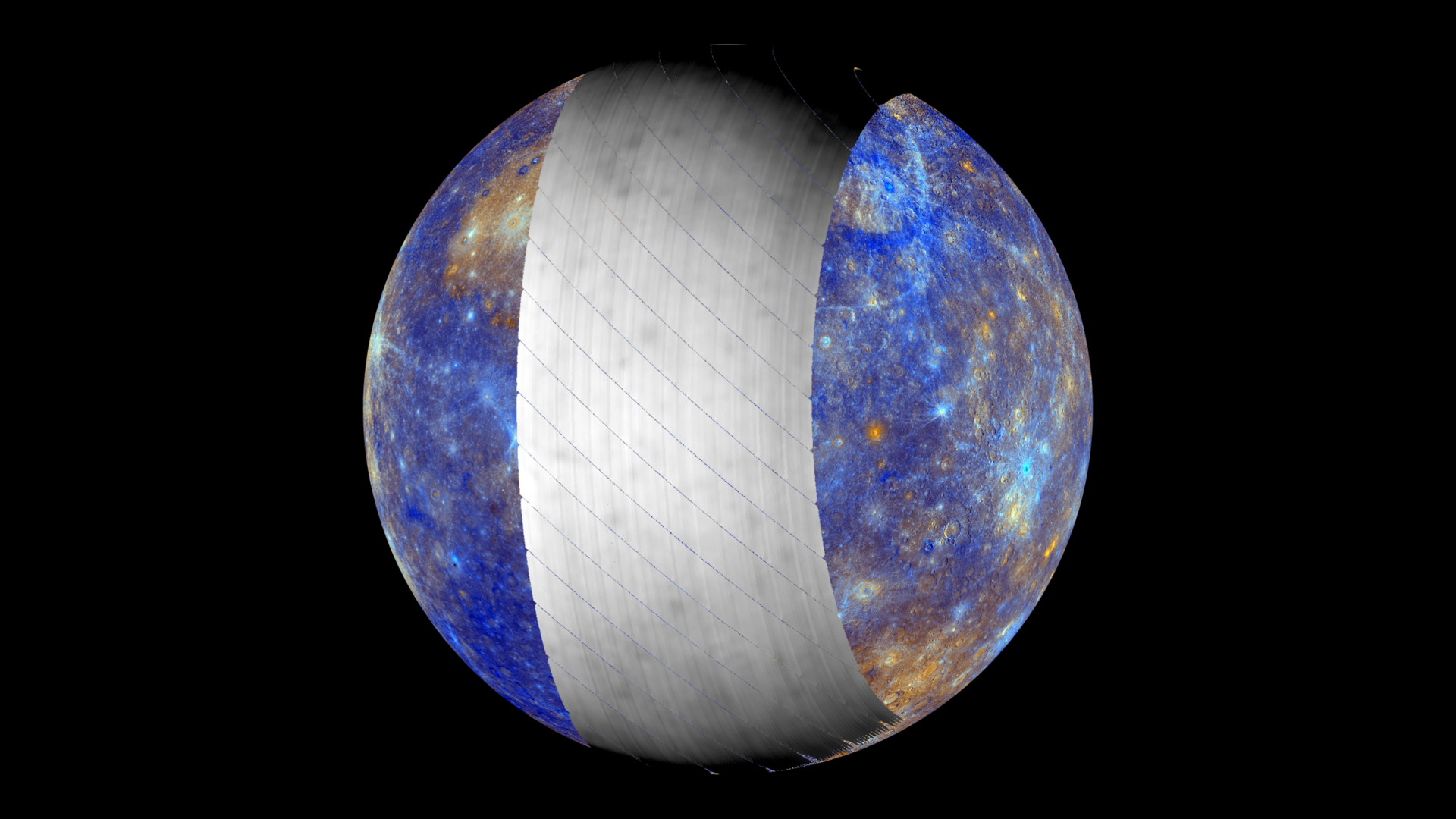
The BepiColombo mission, a collaboration between ESA and JAXA, has provided groundbreaking insights into Mercury's surface through its fifth flyby, using mid-infrared imaging technology. This marks the first time Mercury has been observed in this spectrum, revealing details about its surface composition, temperature, and roughness. The MERTIS instrument played a key role, offering new data on geological features like the Caloris Basin and Bashō Crater. The mission, which began in 2018, is set to enter Mercury's orbit in 2026, promising further discoveries.

science1 year ago

Infrared Imaging Unveils Mercury's Surface Secrets

The BepiColombo spacecraft's fifth flyby of Mercury has provided groundbreaking mid-infrared images, revealing new details about the planet's surface temperature, roughness, and mineral composition. Using the Mercury Radiometer and Thermal Infrared Spectrometer (MERTIS), scientists observed features like the Bashō Crater, offering insights into Mercury's global surface mineralogy. These observations, despite BepiColombo's delayed arrival in Mercury's orbit, promise a deeper understanding of the planet's geology.

science-and-exploration1 year ago

BepiColombo Sheds New Light on Mercury's Mysteries

BepiColombo, a joint mission by ESA and JAXA, conducted its fifth flyby of Mercury on December 1, 2024, becoming the first spacecraft to capture mid-infrared images of the planet. These images, taken by the MERTIS instrument, reveal variations in temperature and composition across Mercury's surface, offering new insights into its mineralogy. The mission, which aims to enter Mercury's orbit in 2026, is expected to provide a detailed global map of the planet's surface minerals, enhancing our understanding of its unique characteristics.

space1 year ago

BepiColombo's Penultimate Mercury Flyby Captures Stunning Image

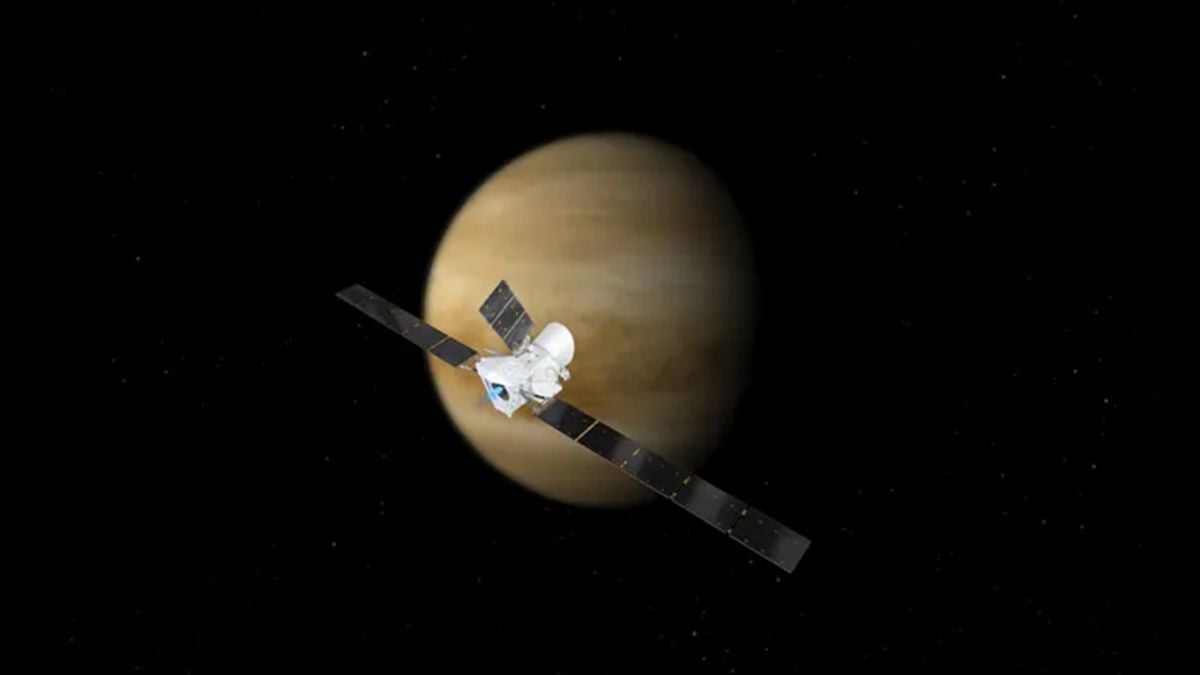
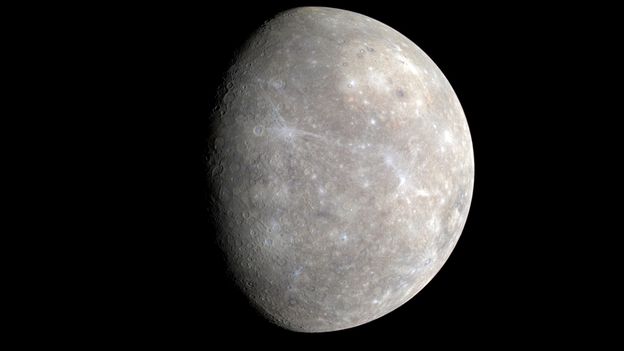
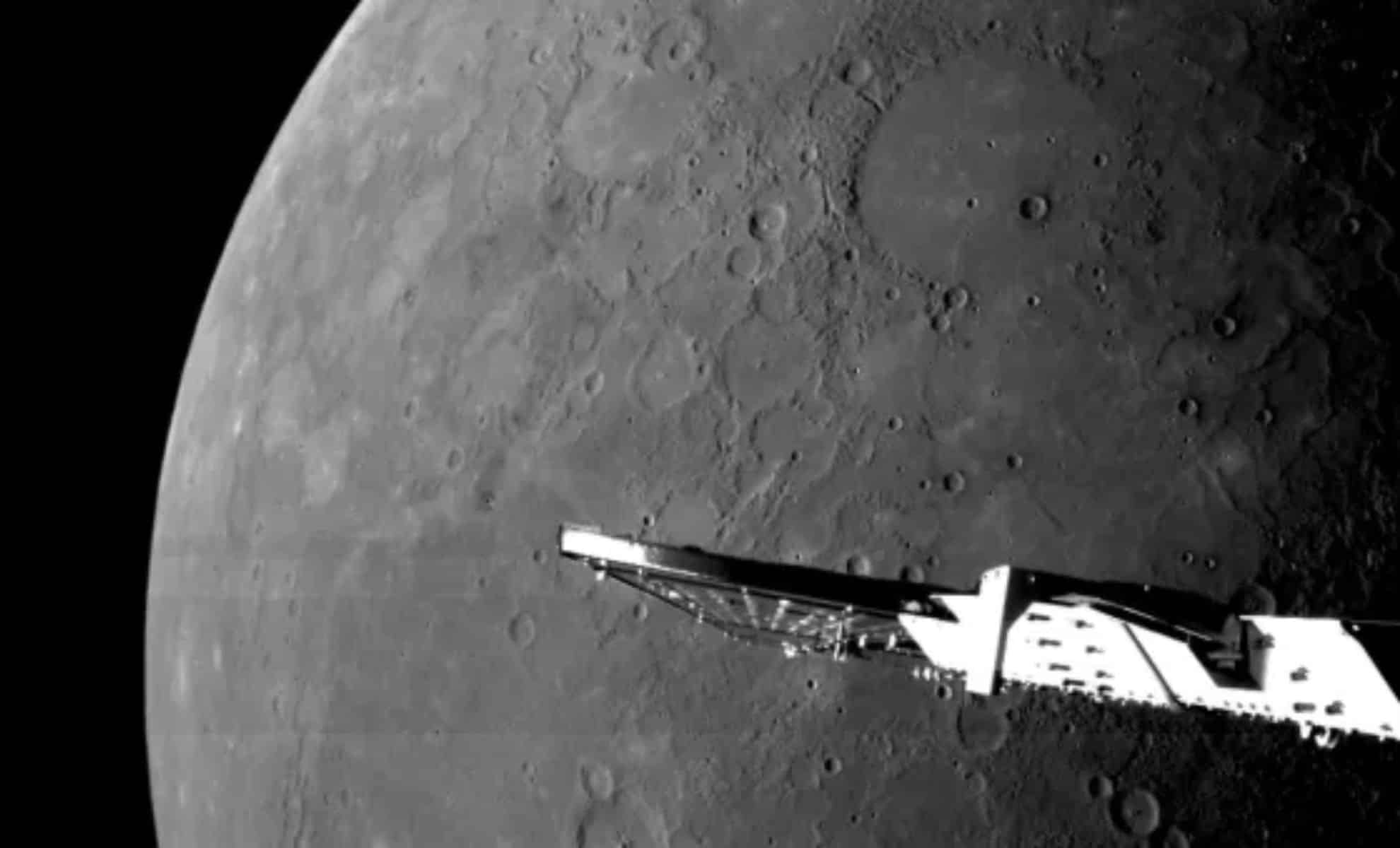
The BepiColombo probe, a joint mission by the European Space Agency (ESA) and the Japan Aerospace Exploration Agency (JAXA), completed its fifth flyby of Mercury, capturing a striking image of the planet. This flyby, part of a series of gravity assists, utilized the Mercury Radiometer and Thermal Infrared Spectrometer (MERTIS) for the first time to study Mercury's surface composition. Launched in 2018, BepiColombo is set to enter Mercury's orbit in November 2026, where it will separate into two orbiters to conduct detailed studies of the planet.

science1 year ago

BepiColombo's Penultimate Flyby Reveals Stunning Mercury Image

The BepiColombo probe, a joint mission by the European Space Agency (ESA) and the Japan Aerospace Exploration Agency (JAXA), completed its fifth flyby of Mercury, capturing a striking image of the planet. This flyby, part of a series of gravity assists, was the first to utilize the Mercury Radiometer and Thermal Infrared Spectrometer (MERTIS) to study the planet's surface composition. Launched in 2018, BepiColombo is set to enter Mercury's orbit in November 2026, where it will separate into two orbiters to conduct detailed studies.

space-science1 year ago

Mysterious Venus: Unexplained Leaks of Carbon and Oxygen

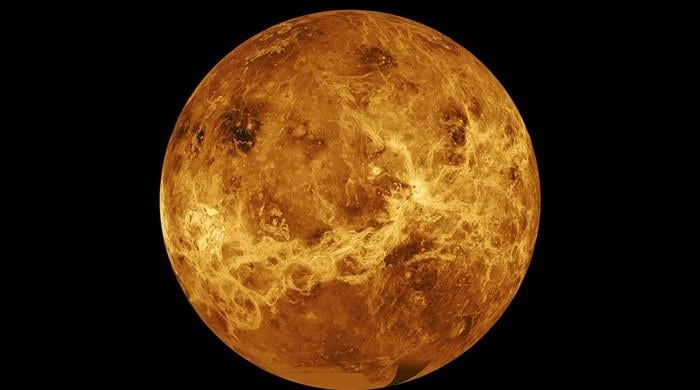
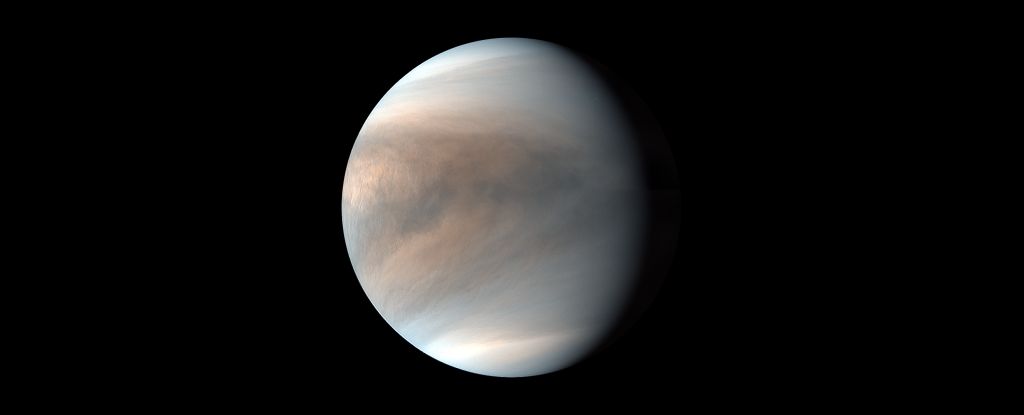
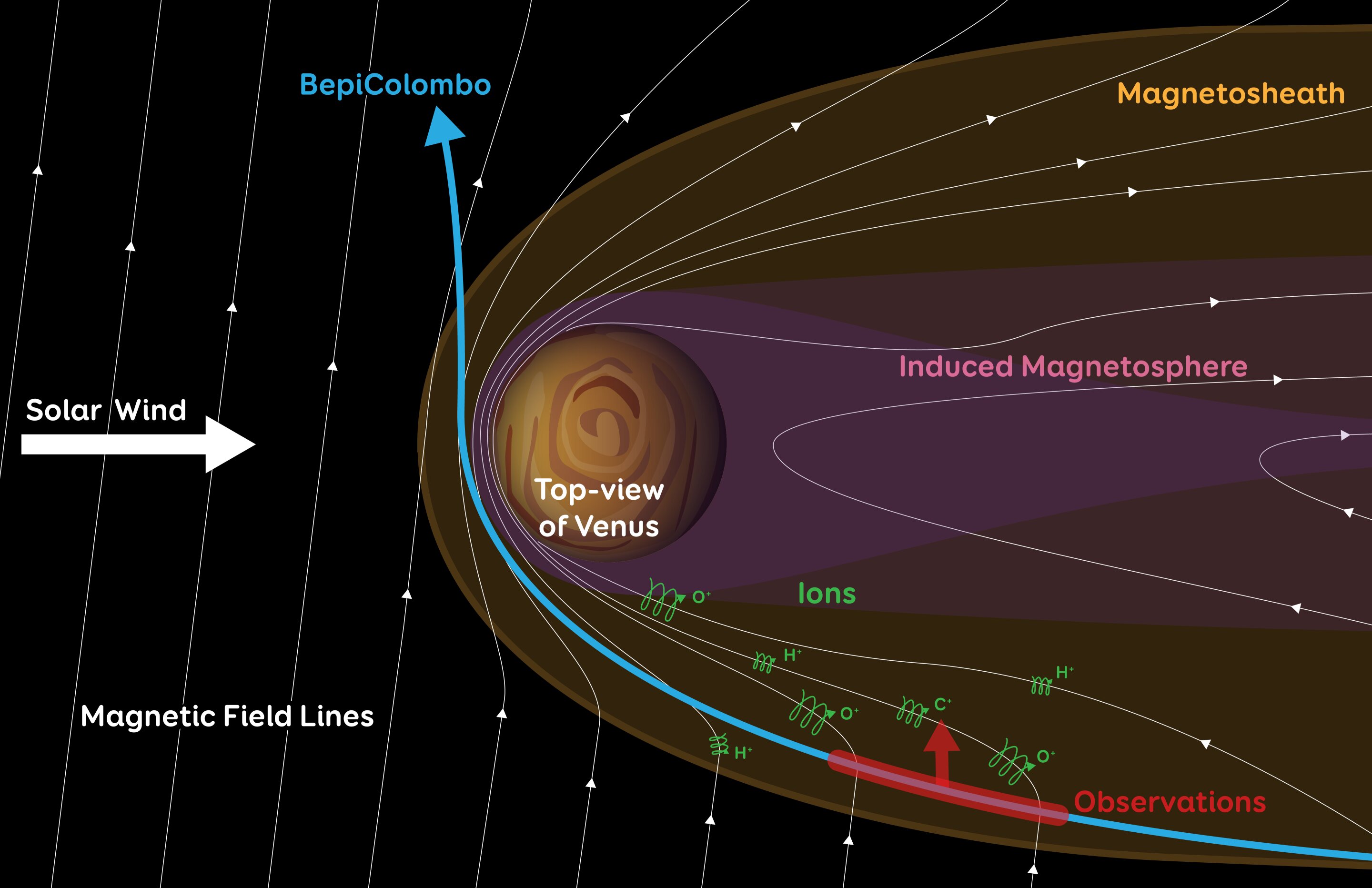
Scientists are puzzled by the unusual activity on Venus, where gases including carbon and oxygen are being ejected into space at high speeds, possibly due to an "induced magnetosphere" formed by charged solar winds. The BepiColombo space mission observed this phenomenon, which could provide crucial insights into Venus's evolution. Unlike Earth, Venus lacks a protective magnetic field, allowing its atmosphere to be stripped away. This discovery sheds light on the planet's history and its transformation from a potentially Earth-like environment to the scorching world it is today.

space-science1 year ago

Mystery of Venus' Leaking Carbon and Oxygen

The BepiColombo spacecraft has detected carbon and oxygen leaking from Venus, adding to previous findings on the loss of hydrogen and potentially providing clues to the planet's transformation from a temperate world to a scorching, acidic environment. The discovery, made during flybys of Venus, suggests that the planet's atmosphere has evolved and lost its water over time. With limited in-situ information about Venus, upcoming missions aim to study its escape mechanisms, volcanic activity, and potential for life, shedding light on its historical evolution.

space-science1 year ago

"Unraveling the Mystery of Venus's Escaping Carbon and Oxygen"

Data from the BepiColombo space probe indicates that Venus is losing carbon and oxygen from its atmosphere due to the escape of charged particles accelerated by sunlight. The lack of a stable magnetic field on Venus allows these ions to escape into space, shedding light on the planet's fragile magnetic environment. Understanding the mechanisms behind this atmospheric loss is crucial for comprehending Venus' evolution and the depletion of its water. This research could pave the way for future missions to Venus, including the upcoming Envision spacecraft and the delayed NASA's DAVINCI and VERITAS missions.

space-science1 year ago

"BepiColombo's Startling Discovery: Venus's Leaking Carbon and Oxygen Revealed"

Data from the BepiColombo space probe's flyby of Venus reveals that the planet is losing carbon and oxygen from its atmosphere due to the escape of charged particles accelerated by sunlight. Venus lacks a stable magnetic field, allowing its atmosphere to be stripped away, and understanding this process is crucial for comprehending the planet's atmospheric evolution and water loss. BepiColombo's findings could provide valuable insights into Venus' fragile magnetic environment, while upcoming missions to Venus, such as Europe's Envision and NASA's DAVINCI and VERITAS, aim to further explore the planet.

space1 year ago

"Unveiling Venus: BepiColombo's Surprising Discoveries in the Planet's Magnetosphere"

The BepiColombo mission's brief encounter with Venus has uncovered new findings about the escape of oxygen and carbon from the planet's upper atmosphere. Observations in an unexplored region of Venus's magnetosphere revealed the acceleration of carbon and oxygen ions to speeds allowing them to escape Venus's gravitational pull. This discovery sheds light on the mechanisms driving atmospheric escape and the historical evolution of Venus's atmosphere, which has lost its water content over time. The study's data were obtained during BepiColombo's flyby using specialized instruments, and upcoming missions to Venus are expected to provide further insights into the planet's environment.

space-and-astronomy2 years ago

"Debunking the Myth of the Threatening Asteroid"

The Northolt Branch Observatories mistakenly identified the European Space Agency's BepiColombo mission to Mercury as a potentially dangerous asteroid, 2020 GL2, with a 1 in 400,000 chance of hitting Earth in 2028. This misidentification was due to the spacecraft's flyby of Earth during a planetary maneuver. The object was initially thought to be a near-Earth asteroid, but further investigation revealed its artificial nature. The incident underscores the importance of vigilant sky monitoring to distinguish between actual asteroid threats and human-made objects.

space-science2 years ago

"Potential Life Found Under Mercury's Salt Glaciers, Scientists Say"

Scientists at the Planetary Science Institute have discovered evidence of salt glaciers on Mercury's surface, suggesting the possibility of subsurface areas that may be more hospitable to life than the planet's harsh surface. These salt glaciers contain volatile compounds, such as sodium and potassium, which were previously thought to have been stripped away due to the planet's proximity to the Sun. The researchers propose that these layers of salt could potentially harbor evidence of life, similar to the harsh salt pools on Earth. The upcoming BepiColombo probe is expected to provide further insights into Mercury's mysteries when it arrives in 2025.