Tag

Fossil Records

All articles tagged with #fossil records

science2 years ago

"Climate Change Blamed for Extinction of Giant Ape, New Study Reveals"

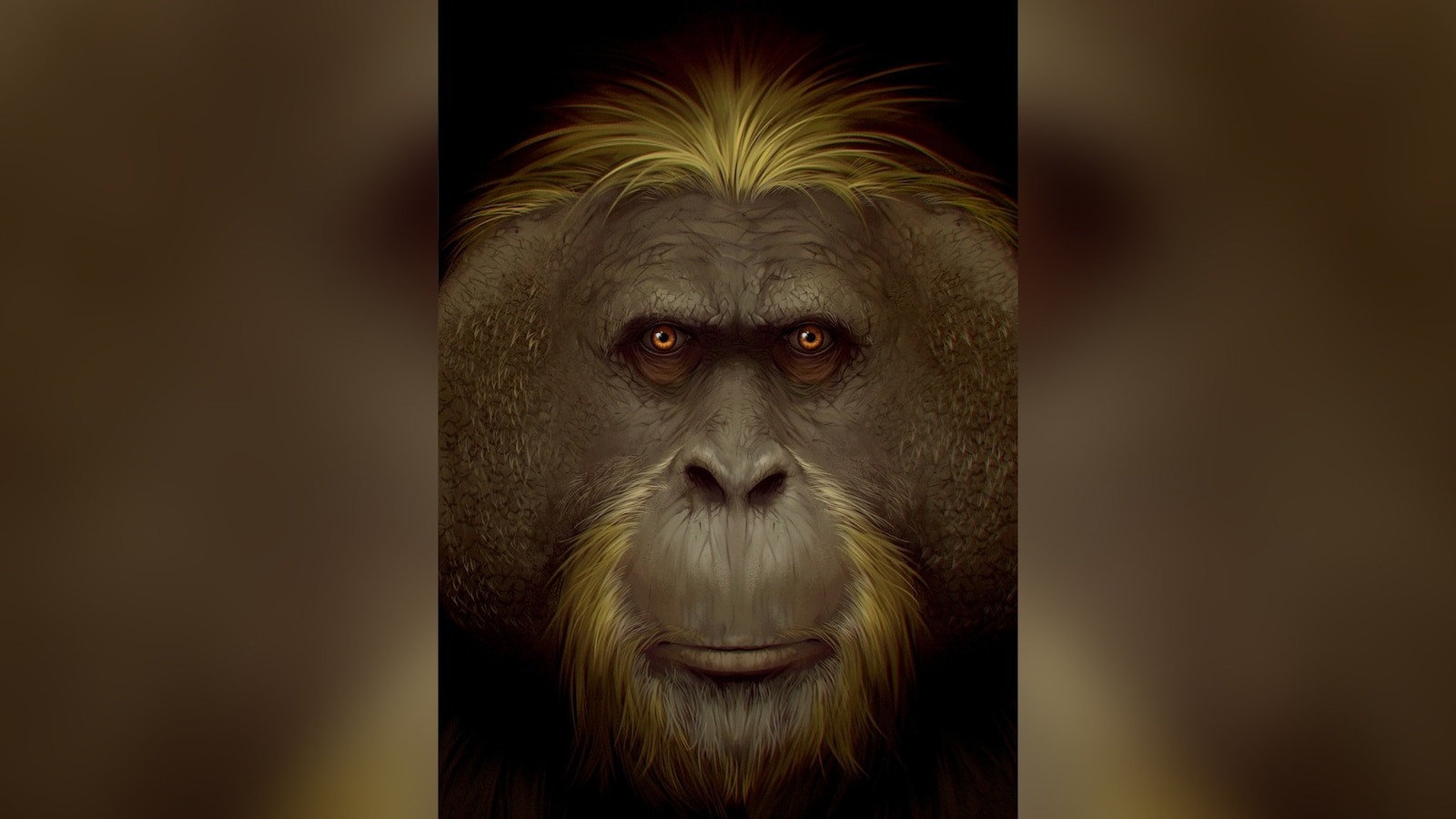
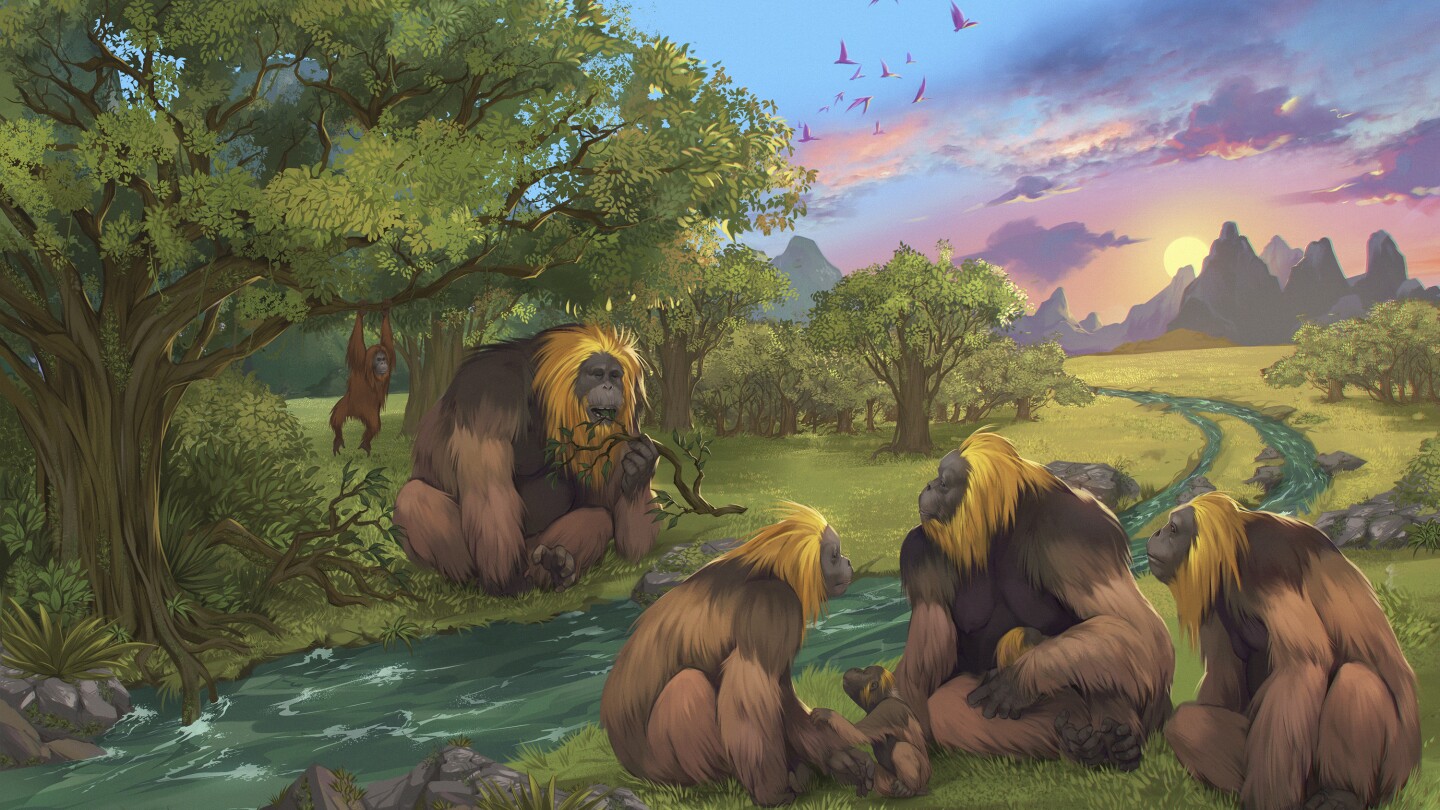
A new study suggests that the largest great ape species, Gigantopithecus blacki, went extinct due to climate change affecting their food sources in southern China's Guangxi region around 215,000 to 295,000 years ago. The massive apes, similar to modern orangutans, were unable to adapt to the changing environment and dwindling fruit supply, leading them to rely on non-nutritious food like tree bark and ultimately face extinction. This research sheds light on the impact of climate change on ancient great ape populations and their struggle for survival.

science2 years ago

"Climate Change Blamed for Extinction of Largest-Ever Great Ape"

A new study suggests that the largest great ape species, Gigantopithecus blacki, went extinct due to climate change, which led to a scarcity of their preferred fruits during dry seasons. The massive size of these apes made it difficult for them to adapt by climbing trees to find alternative food sources. Fossil evidence from southern China indicates that the species likely disappeared between 215,000 and 295,000 years ago as the environment changed, causing a decline in their preferred food. This research sheds light on the impact of climate change on ancient great ape populations.

science2 years ago

Devastating Poisonous Gas Wave Wiped Out Half of Earth's Sea Life in First Mass Extinction

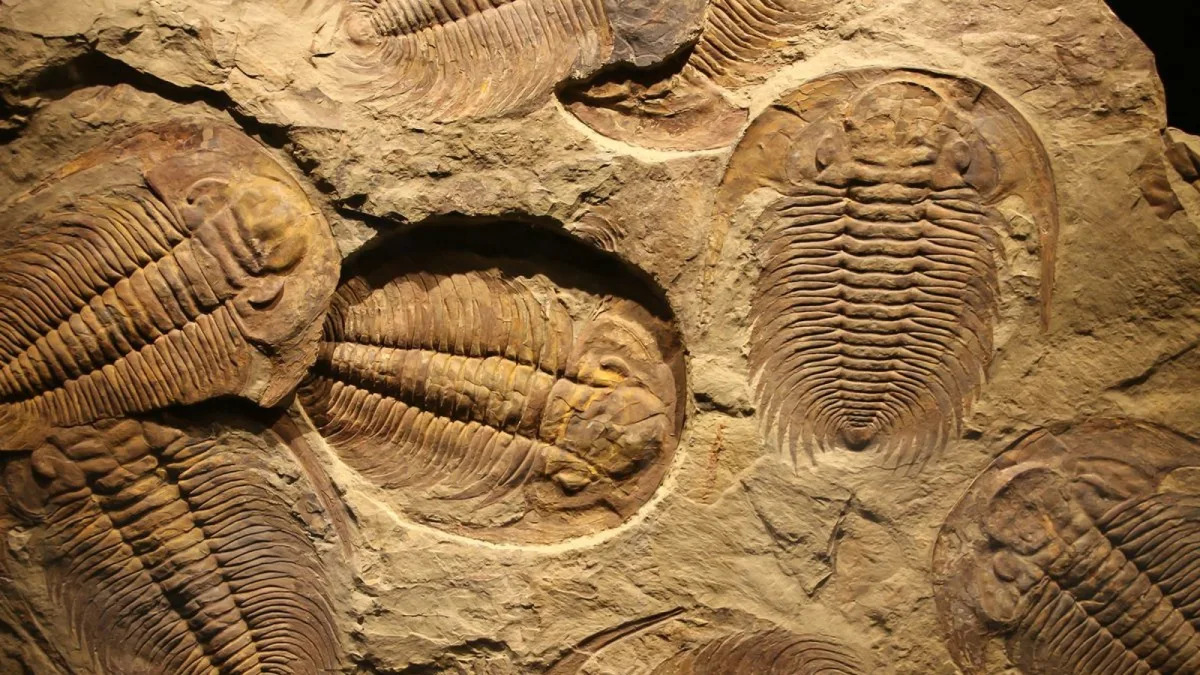
A new study suggests that a surge of hydrogen sulfide gas may have played a significant role in the Earth's first mass extinction event, which occurred around 530 million years ago. Previously, it was believed that low-oxygen conditions were the primary cause of the die-off. Researchers found high levels of molybdenum in sediment samples from the extinction period, indicating the presence of hydrogen sulfide in the water. The toxic gas may have been produced by an explosion of organic matter, leading to the death of 45% of all ocean animals. Further research is needed to determine the exact cause of the anoxic conditions and the subsequent sulfidic wave.

science-and-technology2 years ago

Discover the Prehistoric Neighbors in Your Backyard

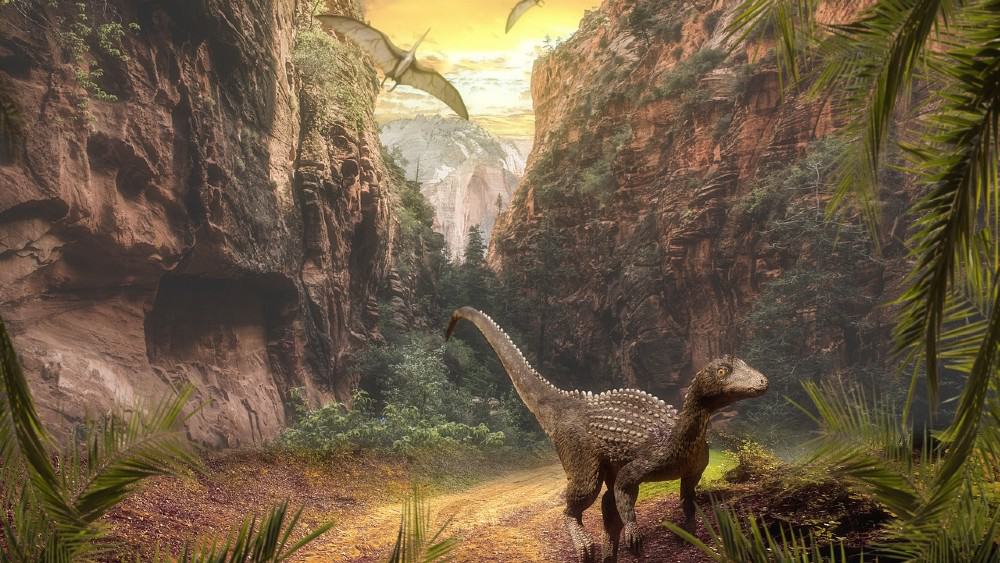
A new interactive website called Ancient Earth allows users to trace dinosaurs and other prehistoric creatures to their geographic location. Developed by Ian Webster, the website offers a snapshot of life in any city or set of coordinates during prehistoric eras, including the early stages of life for flora and fauna. The tool also reveals fascinating discoveries about modern cities, such as New York, which can be seen covered in glaciers 750 million years ago. The globe pinpoints selected locations and provides information on the creatures that roamed the land. Additionally, the website highlights the existence of supercontinents and the recent discovery of Argoland, emphasizing the vastness of Earth's history.

climate-change2 years ago

Unveiling Arctic Lake Methane Impact through Ancient Plant Wax

Researchers studying ancient plant wax preserved in sediment from Arctic lakes in Greenland have gained insights into how methane production in these lakes is affected by climate change. By examining the waxy coatings of leaves from the early-to-middle Holocene period, the researchers found that past warming caused lakes across Greenland to generate methane. This is significant because methane is a potent greenhouse gas. The study suggests that ongoing warming could lead to increased methane emissions from Arctic lakes, highlighting the importance of understanding the dynamics between warming temperatures and methane production in these regions.

environment2 years ago

Polar Bears Thrived in Siberian and Canadian Refugia During Last Global Warming

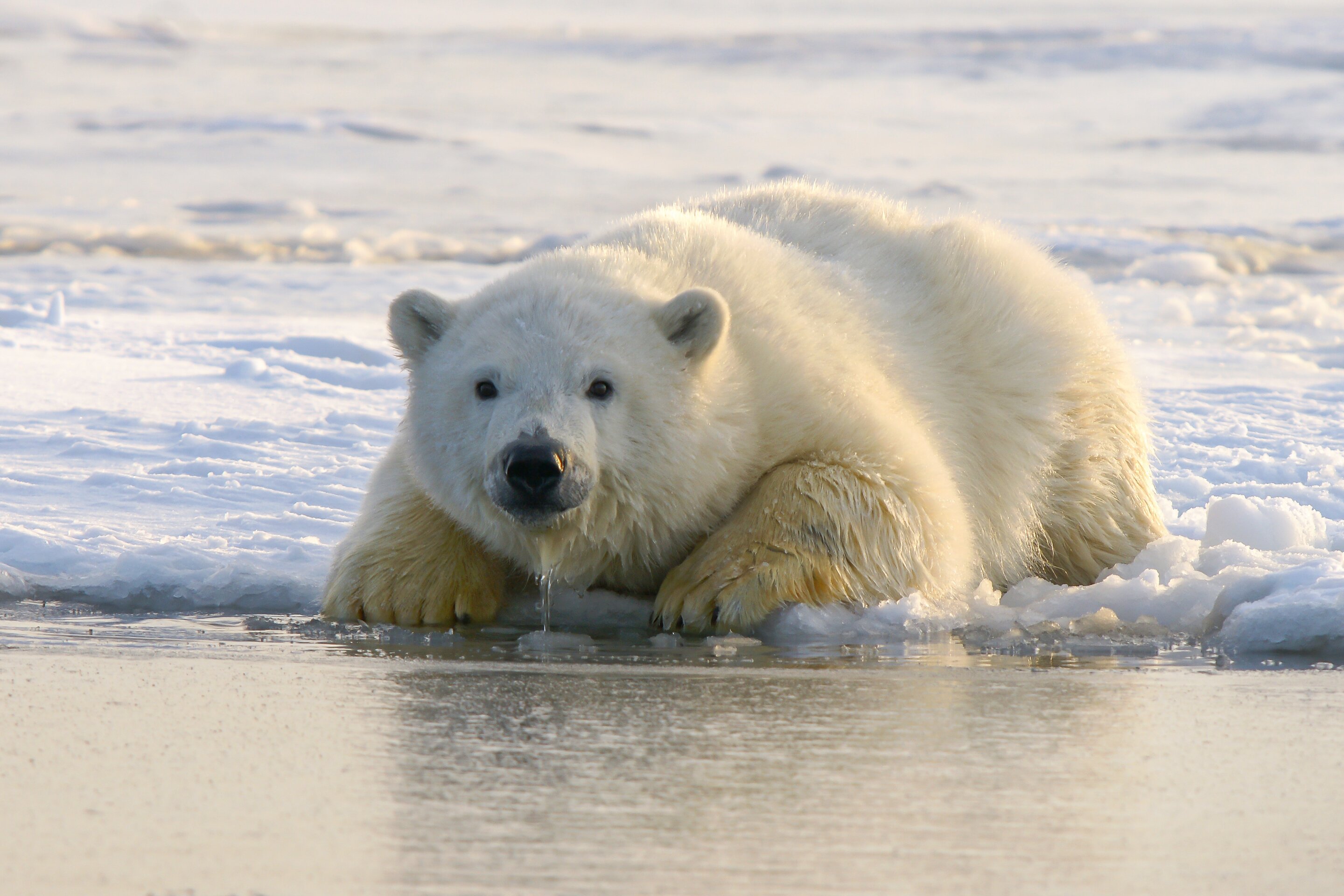
Fossil records indicate that polar bears survived the last global warming deglaciation in Siberian and Canadian refugia. The research, based on fossil bones and teeth, suggests that polar bears existed on the southwestern margin of the Scandinavian Ice Sheet during the Late Glacial and into the earliest Holocene. The study also reveals that polar bears sought out cold refugia in East Siberia, northern Greenland, and the Canadian Archipelago during the warmest period of the Holocene. As climate change threatens their habitat, protecting these refugia becomes crucial for the survival of polar bears.

paleontology2 years ago

Human Ancestors Coexisted with Dinosaurs, Groundbreaking Study Finds

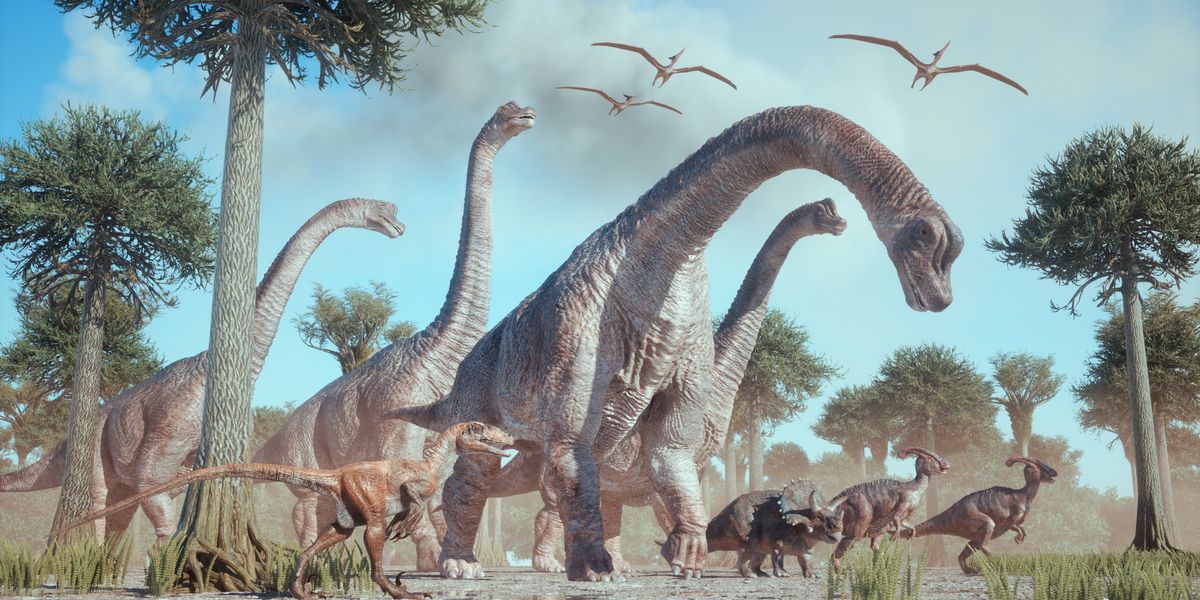
A recent study analyzing fossil records suggests that placental mammals, including human ancestors, coexisted with dinosaurs for a brief period before the mass extinction event that wiped out the reptilian beasts. The research estimates that about 21.3% of placental mammal families evolved during the Cretaceous period, just before the catastrophic event. The study also indicates that more modern lineages of placental mammals emerged after the extinction, possibly due to the lack of competition from dinosaurs.

science2 years ago

Ancient Human Ancestors Co-Existed with Dinosaurs and Survived Extinction

New research suggests that human ancestors and dinosaurs could have co-existed, as placental mammals were present before the asteroid that caused the extinction of dinosaurs 66 million years ago. Fossil records of placental mammals indicate that our ancestors roamed the Earth before the extinction event and thrived due to the absence of competition from dinosaurs. Primates, including our ancestors, evolved shortly before the asteroid impact. While the appearance of our placental mammal ancestors is unknown, it is believed that they were small and squirrel-like creatures.

science2 years ago

Scientists Confirm Modern Horses No Longer Have Additional Toes

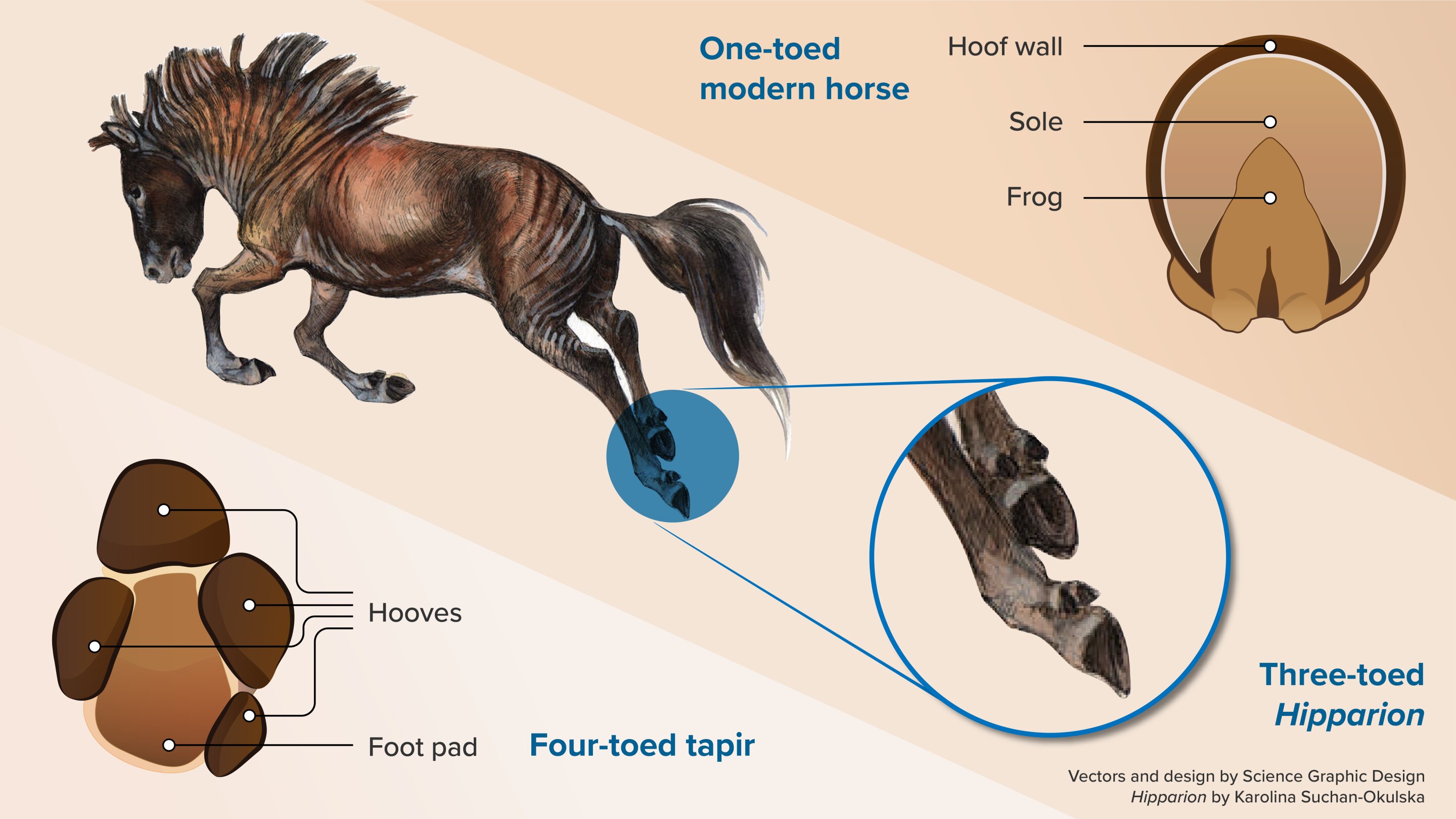
Researchers have confirmed that modern horses have lost their additional toes over time, unlike their distant ancestors who had hooved toes. The team analyzed hoof prints and foot bones from modern horses and fossil records to discover what happened to the lost digits. The findings confirm that the extra toes have been completely lost in evolution and not retained within the hoof, as proposed in a 2018 paper. The team also discovered that the feet of one-toed horses have a different shape from the main toe of the foot of three-toed horses.

science2 years ago

"Uncovering the Secrets of Earth's Ancient Lifeforms"

Scientists have discovered ancient protosteroids in rocks, indicating that complex life existed up to 1.6 billion years ago. These molecules offer a novel insight into the evolution of complex life and reconcile the discrepancies between traditional and lipid fossil records. The discovery of these new molecules not only reconciles the geological record of traditional fossils with that of fossil lipid molecules, but yields a rare and unprecedented glimpse of a lost world of ancient life.

science2 years ago

"Uncovering Earth's Ancient Predators: Mysterious Lifeforms Found in Billion-Year-Old Rock"

Scientists have discovered the remains of an ancient lost world of mysterious organisms, known as "protosterol biota," that existed 1.6 billion years ago in Australia. These microscopic creatures help fill in a major gap in human understanding regarding the early evolution of eukaryotes, which are believed to have existed long before plants and animals emerged. The researchers hope to learn more about this ancient lost world by studying the organisms more in-depth and even learn more about evolution's secrets.