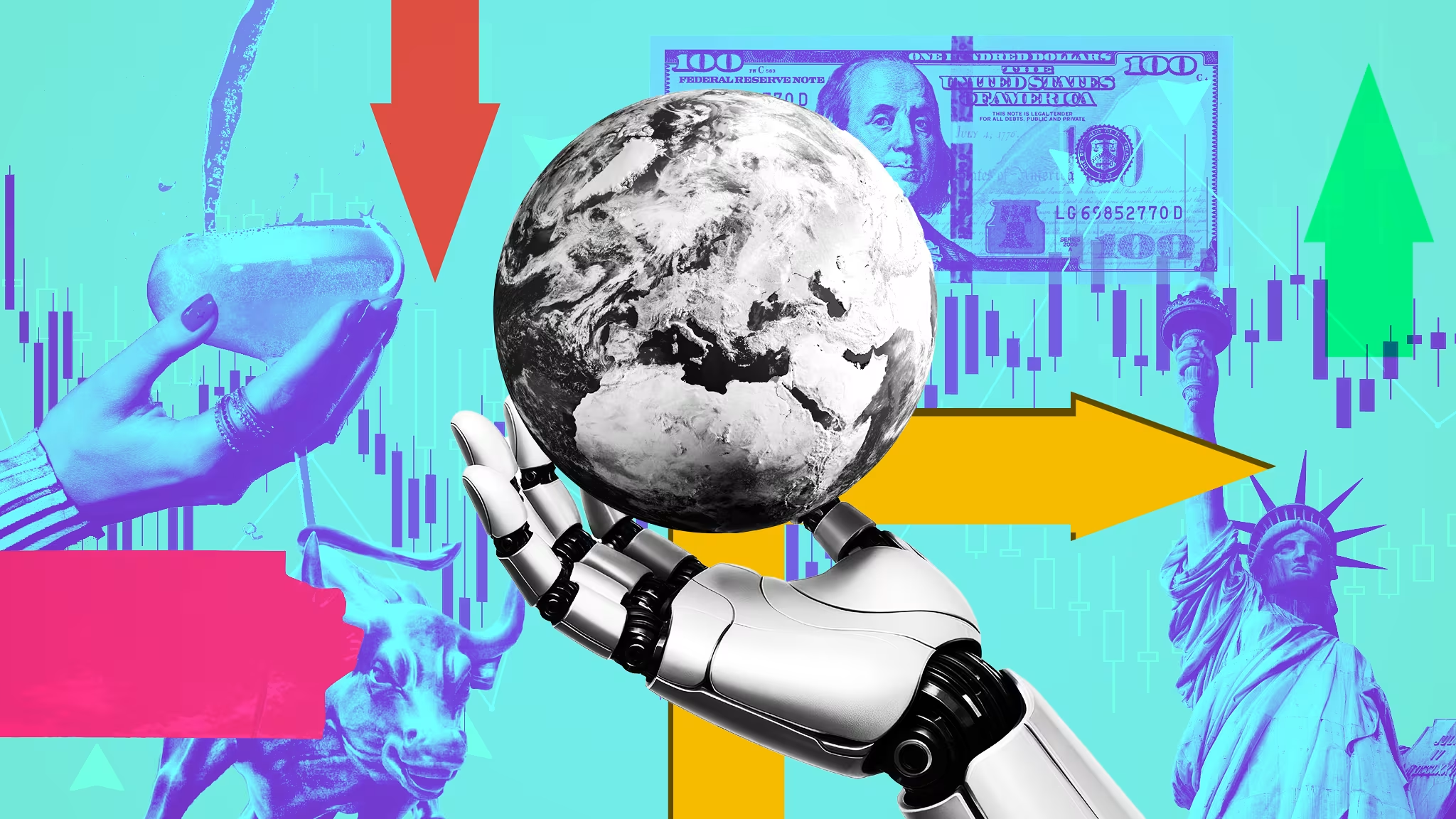
Ruchir Sharma's Top 10 Trends to Watch in 2026
Ruchir Sharma discusses the top 10 trends to watch for in 2026, offering insights into future economic and investment developments.

All articles tagged with #future predictions
Ruchir Sharma discusses the top 10 trends to watch for in 2026, offering insights into future economic and investment developments.
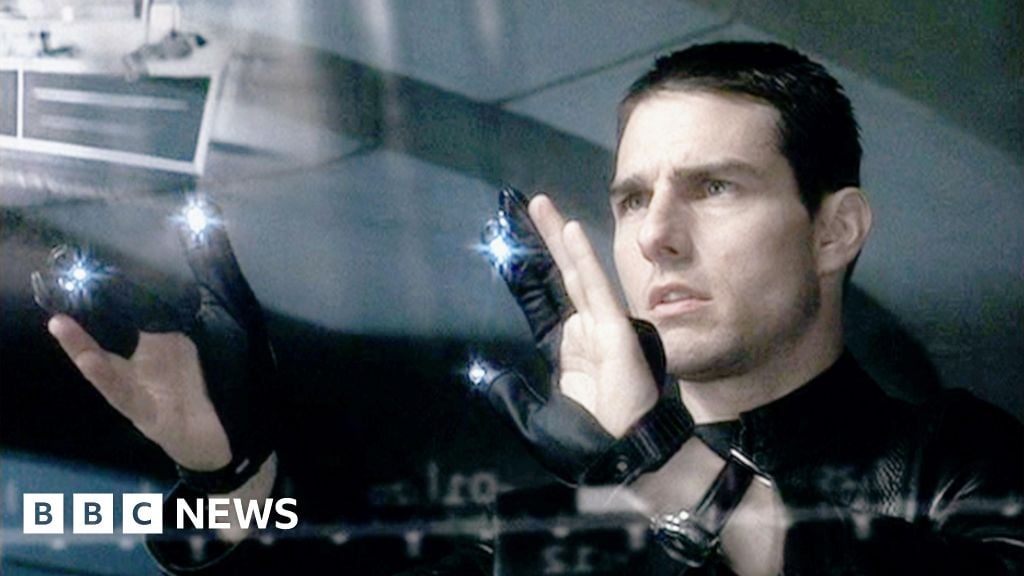
Experts predict that by 2050, technology will be deeply integrated into daily life, with advancements in AI, cybernetics, nanotechnology, and space exploration leading to human-machine enhancements, autonomous vehicles, virtual twins for health, and potentially habitable lunar bases, shaping a transformative future.

The article examines how films set in 2026, such as 'Doom,' 'Planet of the Apes,' and 'Metropolis,' reflect societal fears and hopes about technology, climate, and social inequality, revealing both warnings and misconceptions about our future.

The article humorously predicts trends for 2026, including a shift away from jokes and witches towards folk music and larger protest frogs, a return to traditional number jokes, and a focus on pop culture icons like Jon Stewart, while suggesting a decline in political protests and climate anxiety, replaced by entertainment and absurdity.
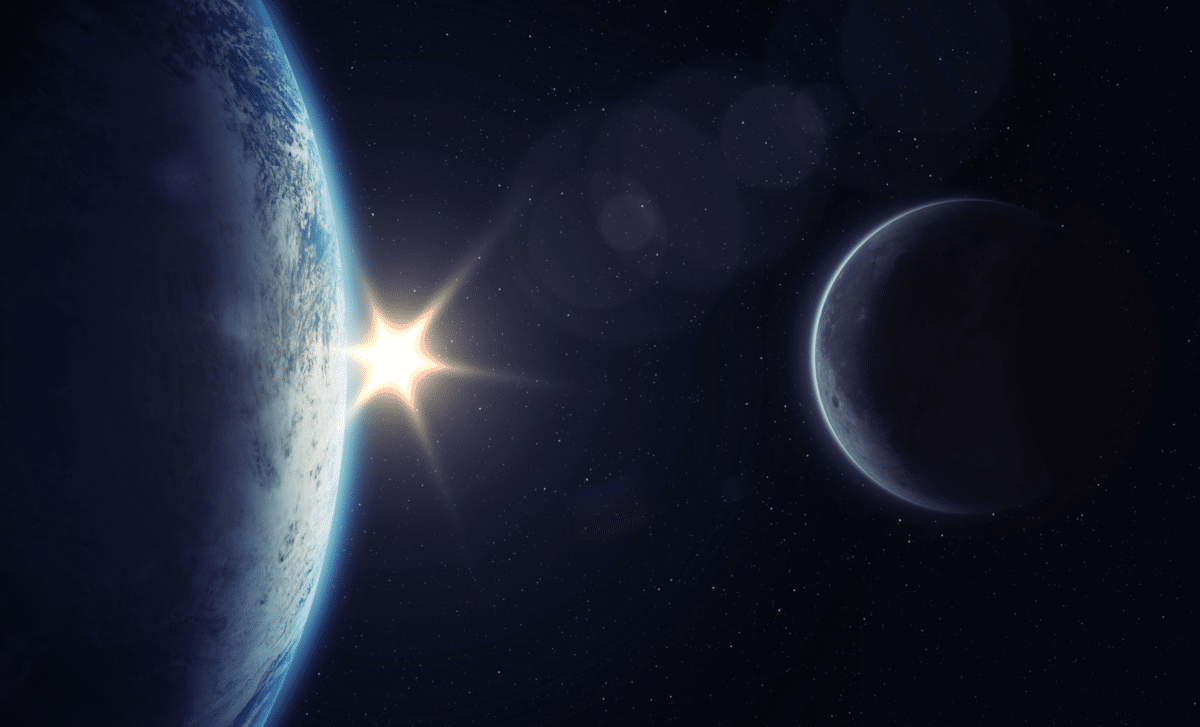
The Moon is gradually drifting away from Earth at about 3.8 centimeters per year, a process driven by tidal interactions that have influenced Earth's rotation and the Moon's orbit over billions of years. This slow migration will eventually lead to a longer day length and possibly a tidal lock, with profound implications for Earth's future and the solar system's stability, especially as the Sun ages.
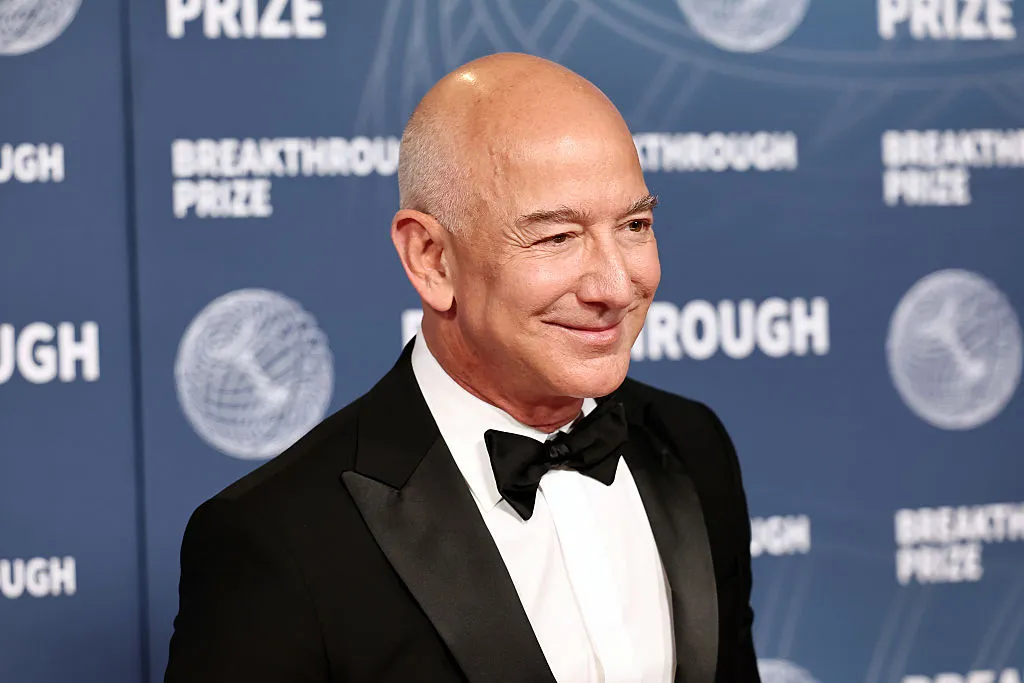
Jeff Bezos predicts that millions will be living in space within the next few decades, with robots and AI handling much of the work, reflecting a bold vision for the future of space habitation, similar to Elon Musk's ambitions for Mars.

A macro analysis of surveys over 15 years suggests that the singularity, or the point where artificial general intelligence (AGI) surpasses human intelligence, could occur within the next few months to a few decades, with predictions heavily influenced by recent advancements in large language models like ChatGPT. While some experts believe AGI is imminent, others argue human intelligence is too complex to replicate fully, and the timeline for achieving the singularity has accelerated due to rapid technological progress.
The article discusses the slowing gains in human longevity, skepticism about the possibility of indefinite life extension, and the influence of hope, faith, and scientific evidence in the pursuit of radical life extension, emphasizing that current understanding suggests biological limits and that technological breakthroughs are uncertain and unpredictable.
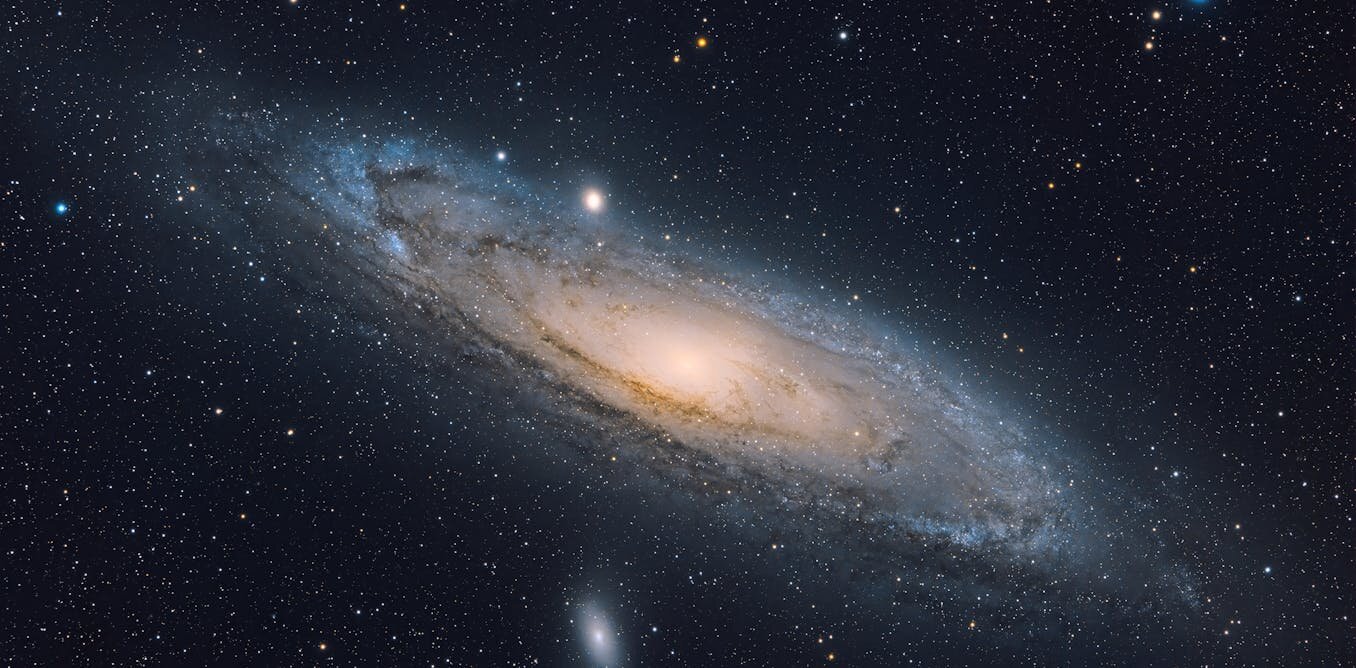
Recent research suggests there is only about a 50% chance that the Milky Way will collide with Andromeda within the next 10 billion years, challenging previous assumptions of an inevitable collision, due to uncertainties in measurements and gravitational influences of nearby galaxies.
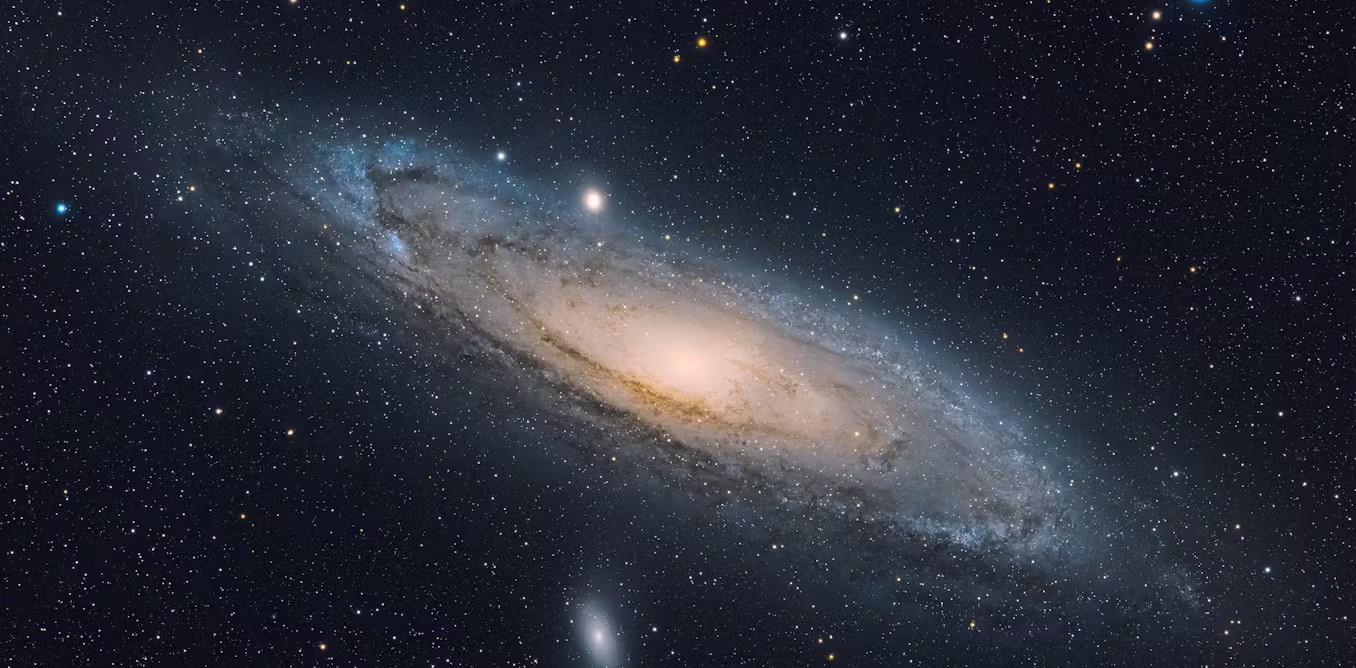
A new study suggests there's only about a 50% chance the Milky Way will collide with Andromeda in the next 10 billion years, challenging previous assumptions by accounting for measurement uncertainties and gravitational influences of nearby galaxies, indicating the galaxy's distant future may be more peaceful than once thought.

A digital model named 'Hannah' illustrates the potential physical consequences of chronic sleep deprivation by 2050, including chronic back pain, thinning hair, sagging skin, and weakened immune systems. Created by Bensons for Beds and sleep expert Dr. Sophie Bostock, the model highlights the health risks associated with consistently getting only six hours of sleep per night. Experts recommend 7-9 hours of sleep to avoid these issues, emphasizing the importance of maintaining a regular sleep schedule, reducing screen time before bed, and ensuring a comfortable sleep environment.
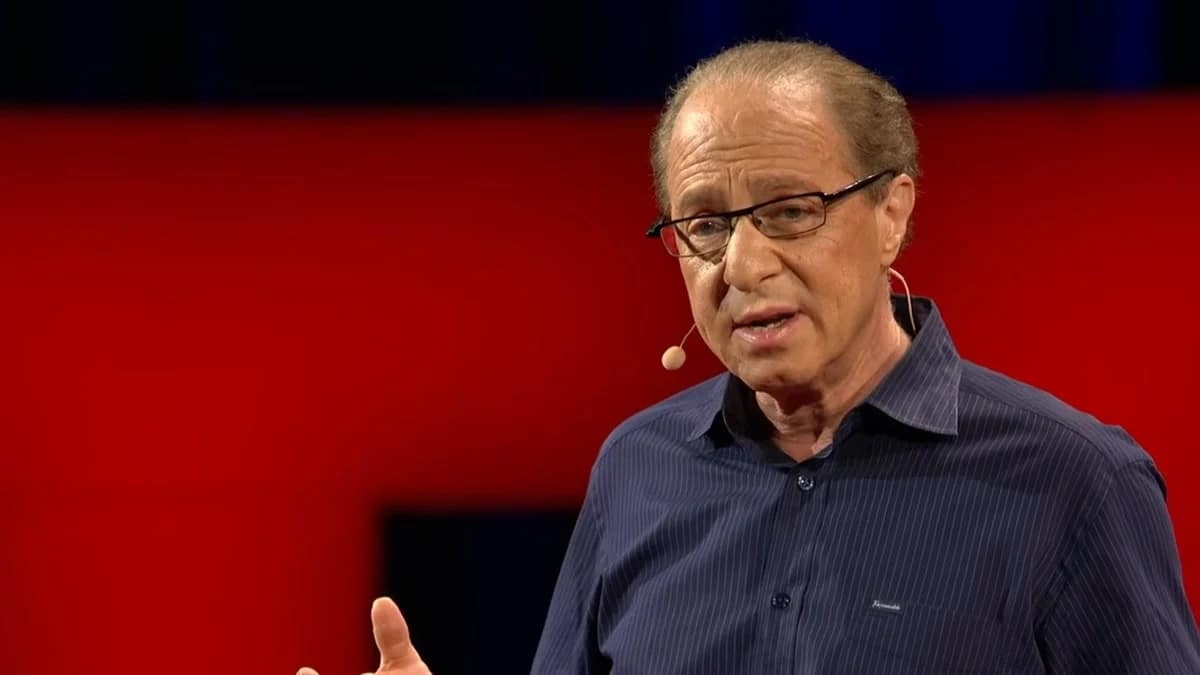
Renowned futurist and Google's Director of Engineering, Ray Kurzweil, predicts a future of universal prosperity by 2030, driven by advancements in artificial intelligence and nanotechnology. In his book "The Singularity is Nearer," Kurzweil envisions a world where AI surpasses human intelligence by 2045, leading to transformative changes such as digital immortality, medical nanobots, and abundant resources. While his predictions are bold and have critics, Kurzweil's past accuracy in forecasting technological shifts lends weight to his vision of a future where humanity and machines are deeply integrated.
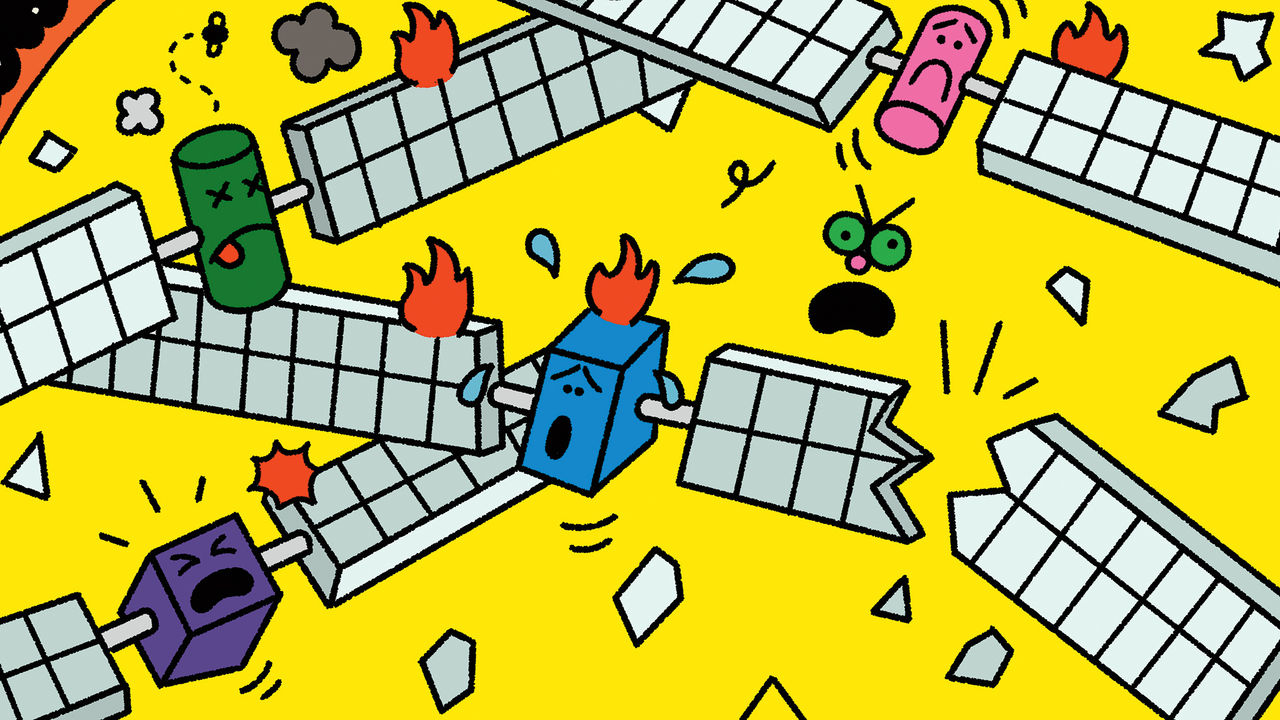
The article explores ten seemingly implausible scenarios that could occur by 2025, highlighting how the extraordinary has become part of everyday life. It emphasizes the importance of anticipating unlikely events to better navigate the future, drawing on examples like global pandemics, AI advancements, and technological innovations such as self-driving taxis and reusable rockets.
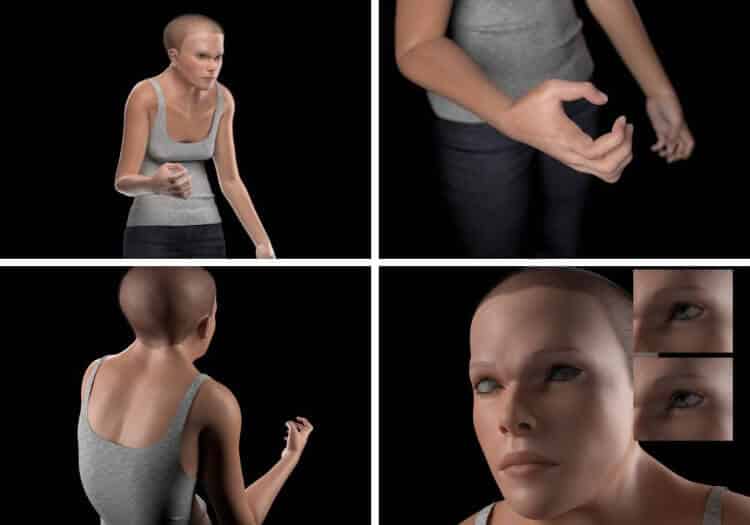
A speculative model named "Mindy" envisions how humans might physically evolve by the year 3000 due to the pervasive use of technology like smartphones and computers. The model suggests potential changes such as thicker skulls, smaller brains, altered hand and neck shapes, and even a second eyelid to protect against screen light. These predictions highlight concerns about the long-term health impacts of technology, including radiation exposure and its potential carcinogenic effects. The study reflects a dystopian view of future human evolution driven by technological adaptation.

Elon Musk predicts that AI will surpass doctors and lawyers, following a study showing ChatGPT-4's 90% accuracy in medical diagnoses compared to doctors' 76%. Bindu Reddy, CEO of Abacus.AI, supports this view, suggesting AI could outperform humans in knowledge-heavy professions. Musk envisions AI reaching human-level capabilities by 2029 and foresees a future where humanoid robots outnumber humans. This aligns with broader discussions on AI's potential to transform various industries.