A study shows that DMT, a naturally occurring psychedelic molecule, can protect the brain from stroke damage in mice by restoring the blood-brain barrier and reducing inflammation, suggesting potential for new stroke treatments, though clinical trials are ongoing and legal restrictions vary.
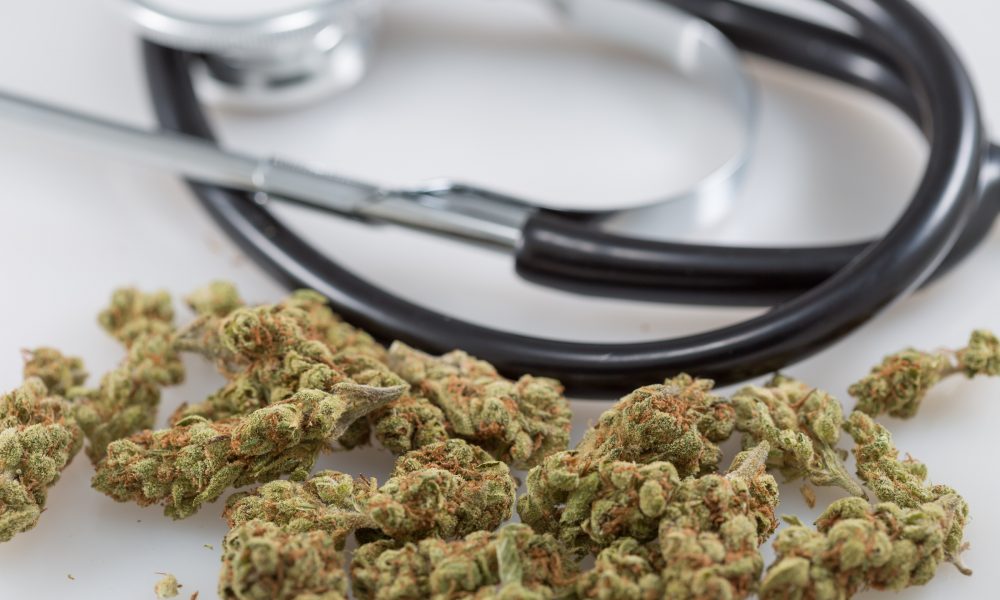
A new review highlights the therapeutic potential of cannabigerol (CBG), a lesser-known cannabinoid, in treating various conditions such as cancer, pain, and inflammatory disorders. The study, published in the journal Molecules, suggests CBG's unique molecular mechanisms and interactions with cannabinoid and other receptors could offer diverse therapeutic applications, including neuroprotection and antibacterial effects. While promising, further research, including human trials, is needed to fully understand CBG's potential and its synergy with other cannabinoids.
Psilocybin, the active compound in magic mushrooms, induces dynamic hyperconnectivity in the brain, which is linked to ego-modifying effects and feelings of oceanic boundlessness. This brain state may explain the therapeutic potential of psilocybin for treating psychiatric disorders like depression and anxiety, offering insights into the neurophysiological mechanisms behind its effects.
A new study published in PNAS Nexus has identified key predictors, including age, gender, emotional state, personality traits, and cultural exposure, that can forecast when individuals will experience aesthetic chills with 73.5% accuracy. The research, conducted in Southern California with 2,937 participants, revealed that higher arousal and positive valence were associated with an increased likelihood of experiencing chills. The study aims to harness these peak emotional experiences for therapeutic purposes, particularly in the context of major depressive disorder, and is using predictive models to design personalized interventions. Despite its regional focus, the study's comprehensive approach sheds light on the multifaceted nature of chills elicitation and aims to utilize aesthetic chills as a nonpharmacological tool to enhance positive emotional experiences and support mental health recovery.
Researchers explore the potential of nano-formulations to enhance the bioavailability and bioactivity of curcumin, a bioactive compound in turmeric, to amplify its antioxidant properties and disease-preventing effects. Various nano-formulations have been developed to address curcumin's bioavailability limitations, showing promising outcomes in preclinical studies across various diseases. Curcumin exhibits therapeutic potential in diseases such as cancer, inflammation, neurodegeneration, liver diseases, and Alzheimer's. Clinical trials suggest positive effects of curcumin on body weight, body fat, and metabolic markers in overweight/obese individuals, as well as in the prevention of cardiovascular diseases. Further research in clinical settings is warranted to optimize curcumin's anti-inflammatory effects in human chronic inflammation.
A new study on magic mushrooms reveals that the Psilocybe genus, containing psychoactive compounds psilocybin and psilocin, originated around the time of the dinosaur extinction, challenging previous assumptions about its age. The study's genomic analysis of 52 Psilocybe specimens, including 39 never-before-sequenced species, sheds light on the evolution and potential therapeutic uses of these fungi. Researchers also identified two distinct gene orders within the gene cluster that produces psilocybin, indicating two independent acquisitions of the compound in the genus's evolutionary history. The study's findings open new avenues for understanding the therapeutic potential and evolutionary history of magic mushrooms.
Interactions between neurons and glial cells in the cerebellum, specifically the Bergmann glial cells in the cerebellar vermis, have been found to significantly influence aggression levels in mice. Using fiber photometry, researchers observed that changes in intracellular calcium levels in cerebellar glia correlated with dominance in mouse fights. This study highlights the potential therapeutic strategies targeting cerebellar glia for managing anger and aggression, offering hope for new treatments in human behavioral disorders.
Researchers at UCLA have identified nerve pathways that supply brown adipose tissue (BAT), a type of tissue that releases energy from fat metabolism as heat. Manipulating these nerve pathways could potentially be used to treat obesity and related metabolic conditions. The study provides insight into the sympathetic nervous system's role in activating BAT and paves the way for exploring therapeutic methods to stimulate BAT activity for weight loss.
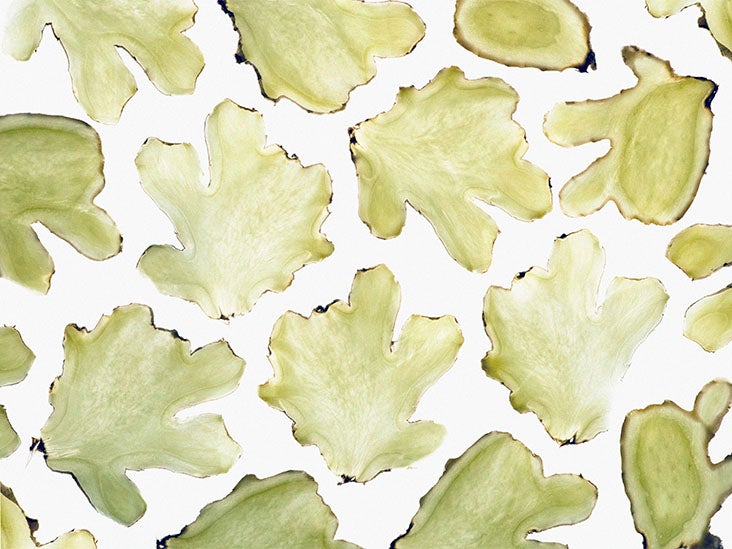
New research suggests that ginger supplements may have a promising role in managing inflammation in individuals with autoimmune diseases. The study found that ginger can influence neutrophils, making them less susceptible to a process called NETosis, which is linked to inflammation and various autoimmune conditions. Ginger supplements could potentially revolutionize the management of autoimmune diseases by changing how specific immune cells function. Further research is needed to explore the therapeutic potential of ginger supplements in treating autoimmune and inflammatory conditions.
A study published in the journal Molecules suggests that lesser-known cannabinoids found in hemp and marijuana, such as THCV, CBDV, CBC, CBM, and CBN, may hold therapeutic promise for treating dermatological diseases like psoriasis, eczema, and acne. These minor cannabinoids have been found to exhibit various pharmacological activities, including anti-inflammatory, analgesic, antimicrobial, and anti-itch properties. For example, CBDV has shown potential in alleviating itching and swelling associated with atopic dermatitis, while THCV may help regulate sebum production and combat acne. However, further research is needed to confirm their effectiveness and safety, and there are still barriers to progress, including issues related to product quality, regulation, and legality.
The therapeutic potential of psychedelics such as LSD, MDMA, and psilocybin is often overhyped, with media coverage and a billion-dollar industry fueling excitement. However, without careful monitoring and scrutiny, these drugs can be dangerous, particularly for vulnerable individuals with a history of psychosis. Self-medication and unsupervised use of psychedelics can lead to negative experiences, especially for those with questionable mental health histories. The importance of psychotherapy in clinical studies is often downplayed, as therapists play a crucial role in helping patients process their experiences and ensuring their safety. While there is promise in the use of psychedelics for mental health treatment, more research is needed to understand potential risks and determine the appropriate settings and dosages for safe and effective use.
Scientists have discovered that the IL-17 protein plays a crucial role in skin aging. Certain immune cells in the skin express high levels of IL-17 during the aging process, contributing to an inflammatory state. By inhibiting IL-17, researchers observed a delay in the appearance of aging symptoms, such as impaired hair follicle growth, slow wound healing, and genetic markers of aging. This finding opens up new possibilities for developing therapies to improve skin aging health. Further research will investigate the role of IL-17 in aging processes in other tissues and organs.
Researchers at the Weizmann Institute of Science in Israel have identified more than 40 cannabinoids in a South African plant called the woolly umbrella, which is unrelated to the cannabis plant. The plant produces cannabinoids that could have new medical uses, including pain relief, nausea, anxiety, and epileptic seizures. The researchers have developed tools for the sustained production of these cannabinoids, which could help explore their enormous therapeutic potential. The study's findings might even lead to engineering cannabinoids that don't exist in nature, designed to achieve specific therapeutic benefits.