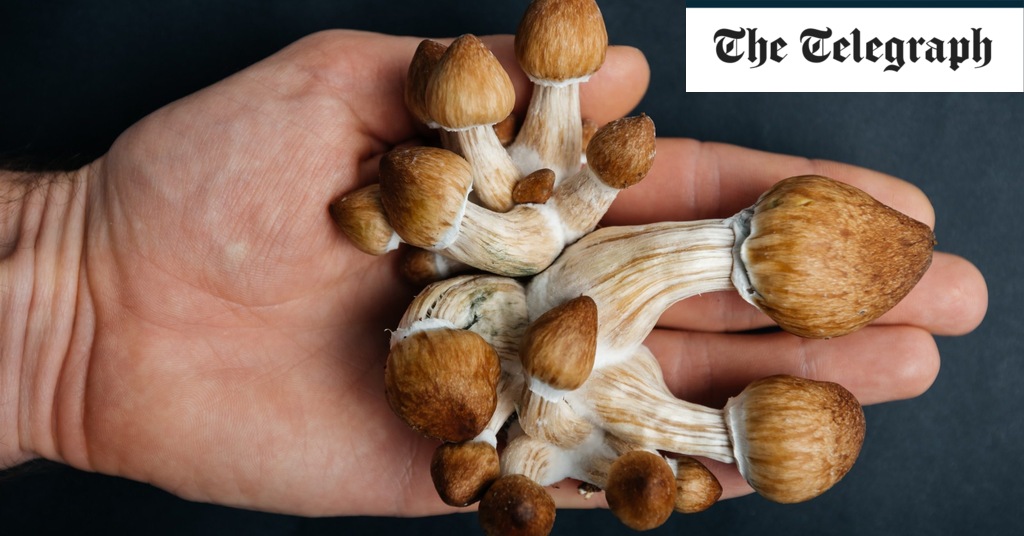
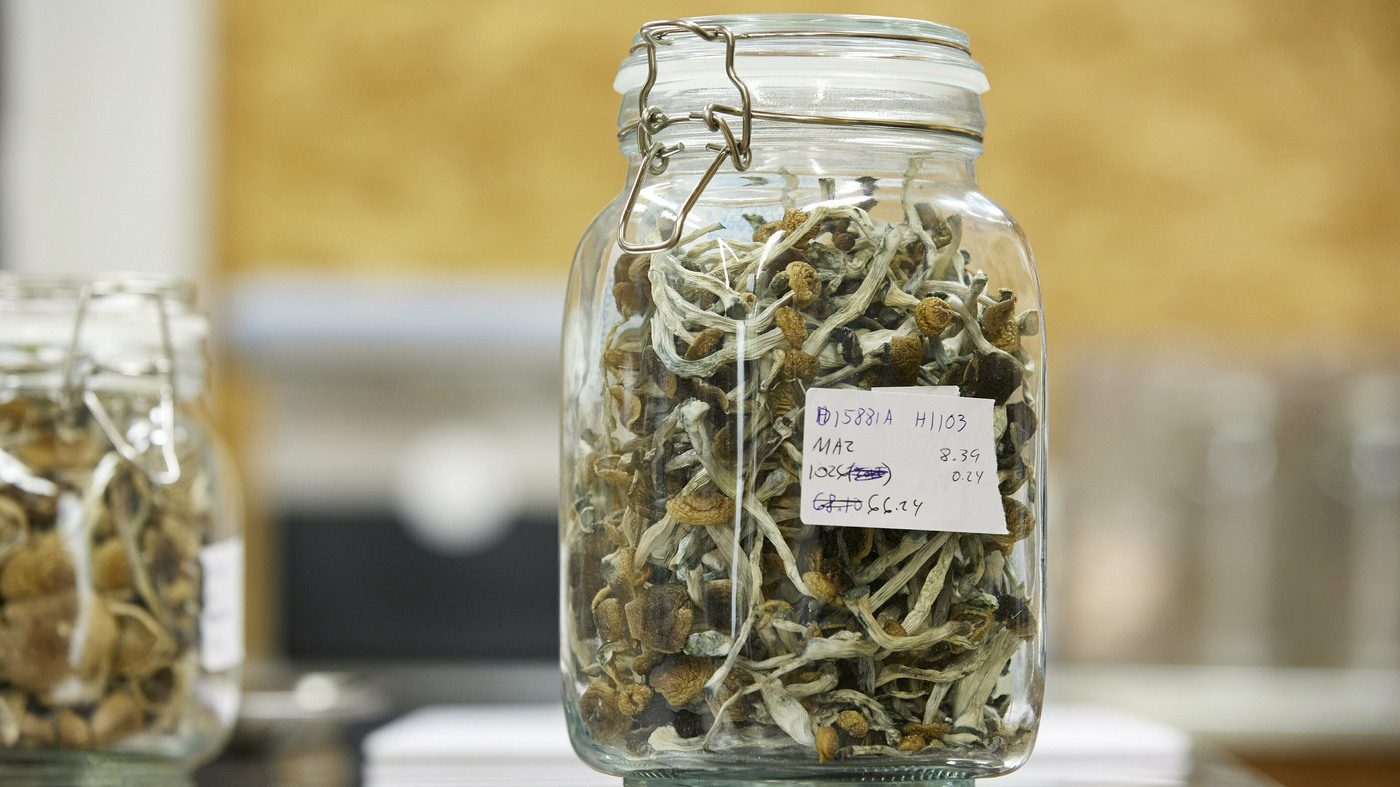
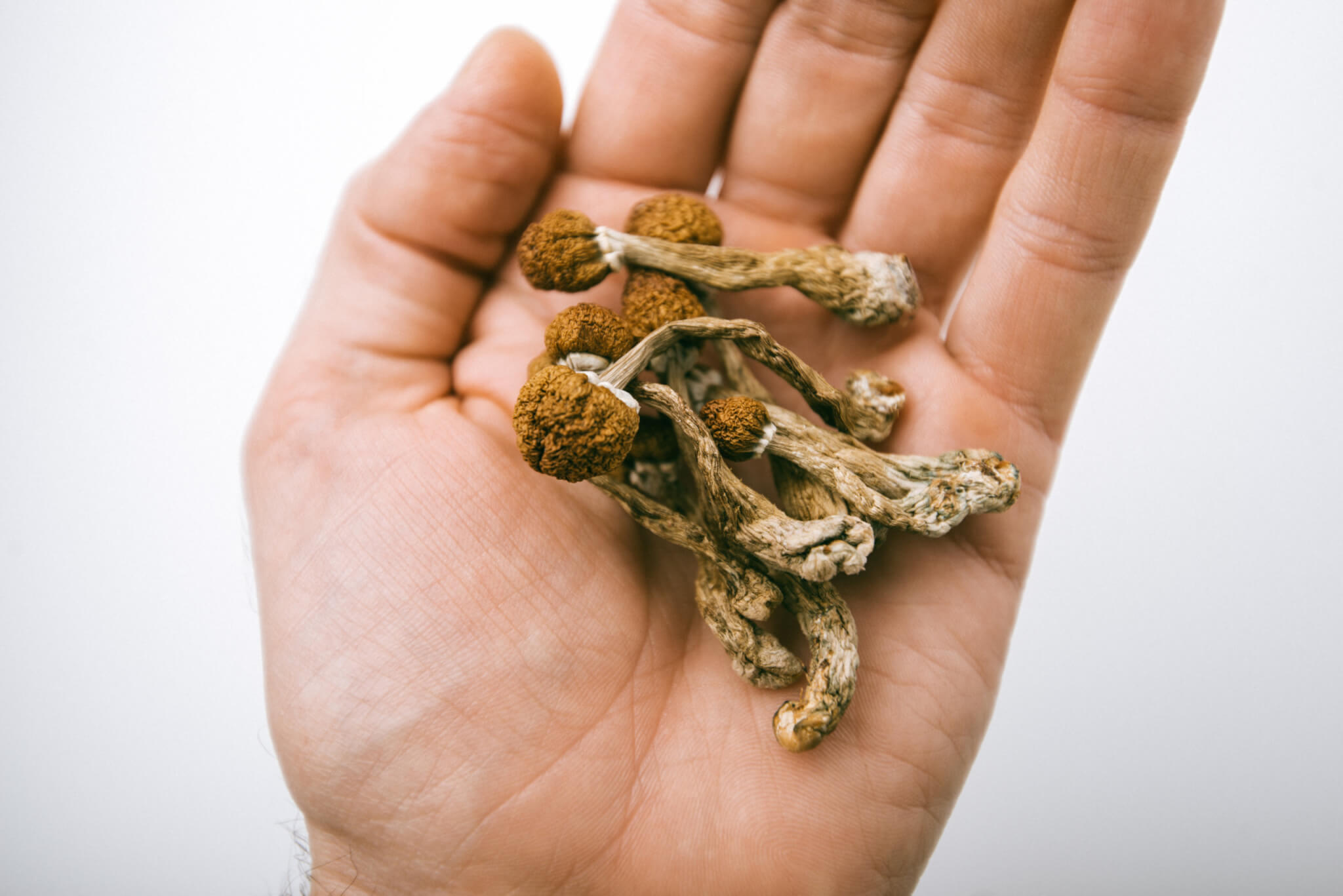
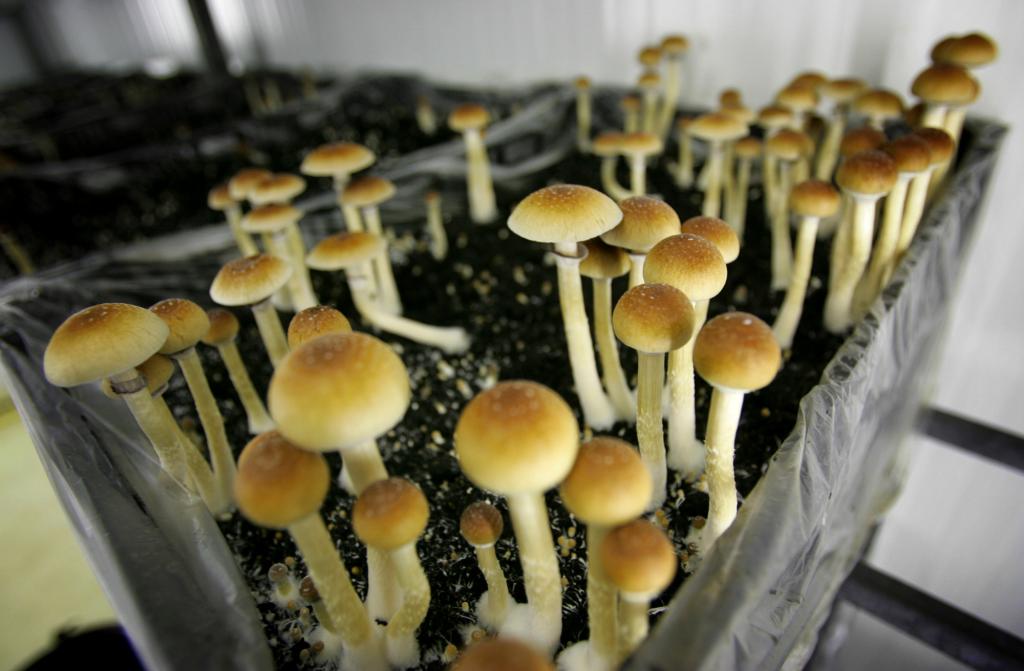
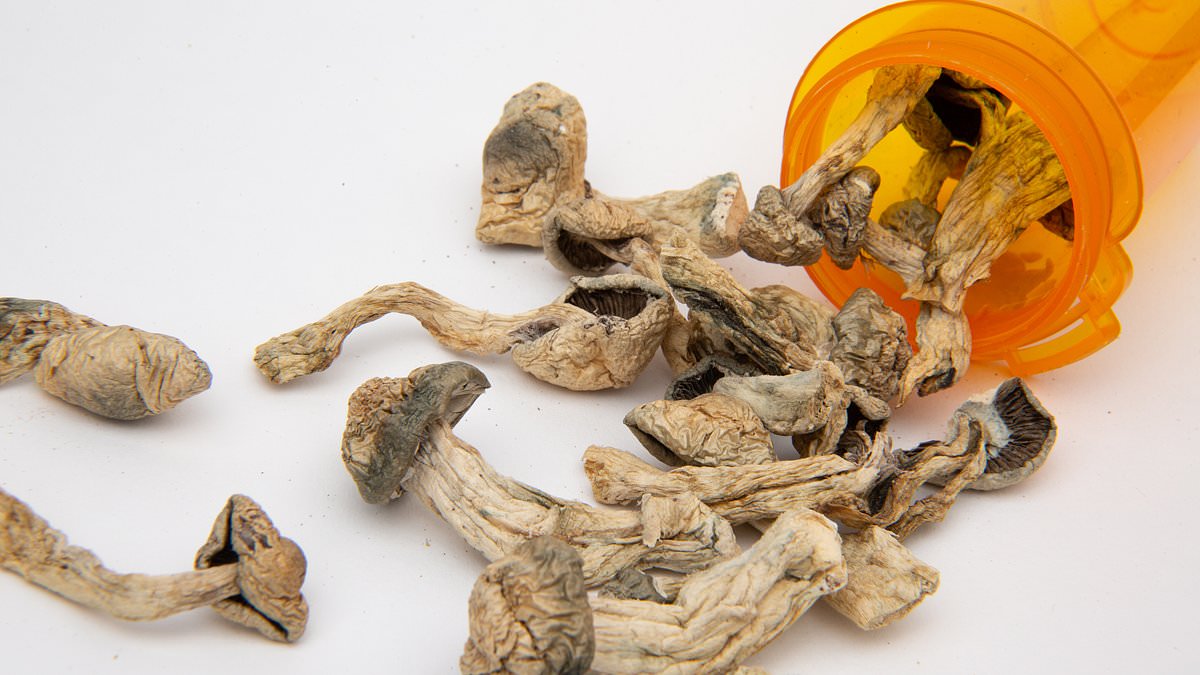
The article discusses the potential use of psilocybin, the active compound in magic mushrooms, as a treatment for mental health conditions like depression and PTSD, highlighting promising research, regulatory challenges, and differing opinions on safety and efficacy.
Recent research suggests that psilocybin, a compound found in magic mushrooms, may have significant anti-aging effects by extending the cellular lifespan of human skin and lung cells, and improving survival and health markers in mice, indicating potential for revolutionary anti-aging treatments.
Research into psilocybin, the active compound in magic mushrooms, shows promising health benefits including treatment for depression, anxiety, addiction, and potential longevity effects, with ongoing trials exploring its use for various mental and physical health conditions. Microdosing and controlled therapy sessions are gaining popularity, but caution and professional guidance are advised due to legal and health considerations.
A 30-year-old man in Phoenix, Arizona, experienced severe health complications after injecting a tea made from psilocybin-containing "magic mushrooms" into his bloodstream. This unusual method of administration led to a fungal and bacterial infection, causing multisystem organ failure and acute respiratory syndrome. The patient was treated with antibiotics and antifungal drugs and placed on a ventilator. This case underscores the dangers of using psychedelics in non-prescribed ways, particularly through injection, as the man attempted to self-medicate for bipolar disorder and opioid dependence.
A study from Imperial College London suggests that magic mushrooms and other psychedelic drugs can enhance sexual function and potentially improve struggling marriages, with data from almost 300 participants showing sustained improvements in libido and sexual satisfaction for six months after consumption. The study also found that erectile dysfunction drugs like Viagra may lower the risk of Alzheimer's disease by 18%, potentially due to their ability to improve blood flow and preserve cognitive function. These findings highlight the potential for repurposing existing drugs to prevent or treat dementia-related diseases.
A new study shows that drug busts of psilocybin mushrooms have increased significantly between 2017 and 2022, indicating a rise in availability and demand for the psychedelic drug. This comes at a time when there's a growing interest in psychedelics for therapeutic use, with some states decriminalizing their use. However, experts like Dr. Nora Volkow and Dr. Joshua Siegel express concerns about the potential negative impacts of increased psilocybin use, including the risk of psychosis and suicidal ideation, as well as the lack of research on its interactions with other drugs or medications.
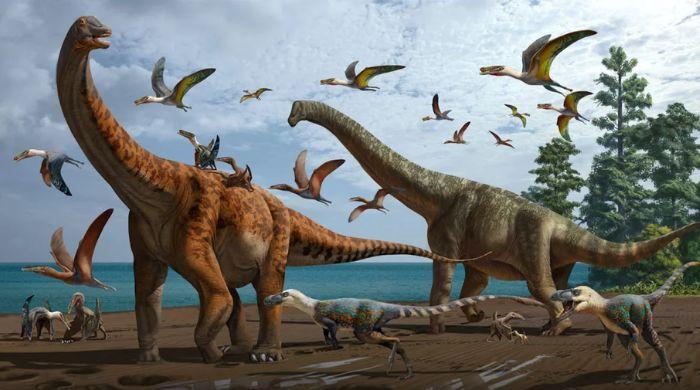
A recent study published in the Proceedings of the National Academy of Sciences suggests that magic mushrooms, specifically the Psilocybe genus, emerged around 65 million years ago, coinciding with the extinction of dinosaurs caused by a meteor impact. Despite being illegal under federal law, psilocybin therapy has gained approval in Oregon and Colorado, offering potential psychological benefits. Scientists have been conducting genomic diversity studies on these fungi and aim to sequence the genomic sequence for each Psilocybe specimen by 2020.
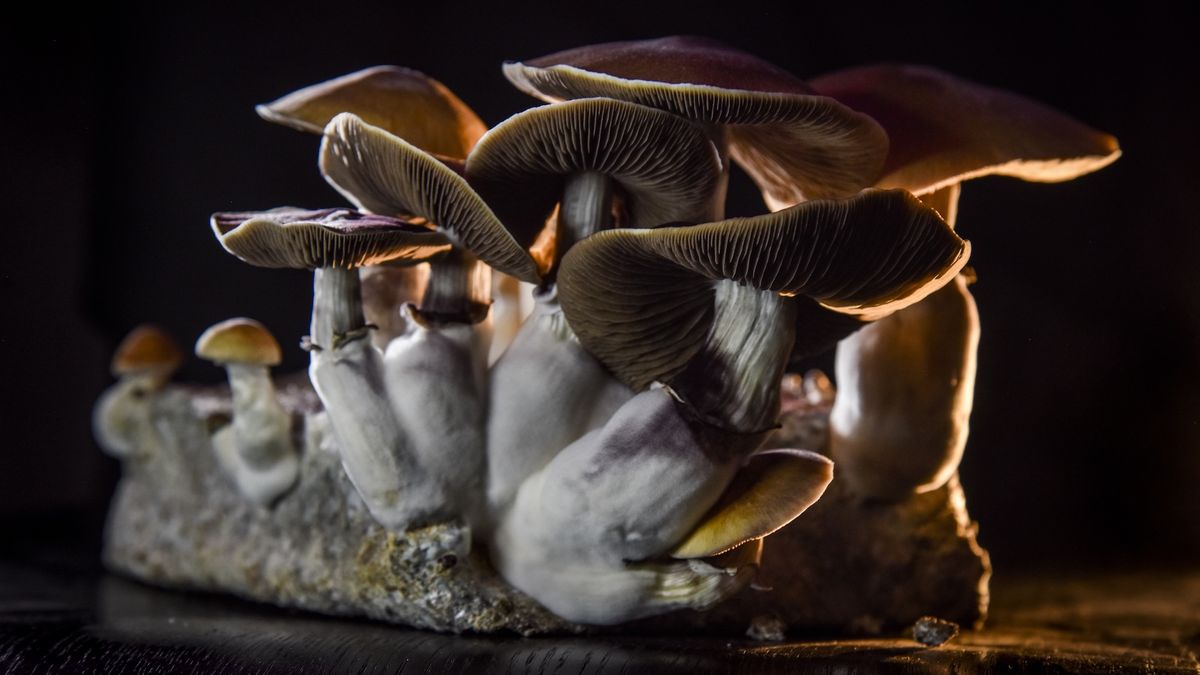
A new study on magic mushrooms reveals that the Psilocybe genus, containing psychoactive compounds psilocybin and psilocin, originated around the time of the dinosaur extinction, challenging previous assumptions about its age. The study's genomic analysis of 52 Psilocybe specimens, including 39 never-before-sequenced species, sheds light on the evolution and potential therapeutic uses of these fungi. Researchers also identified two distinct gene orders within the gene cluster that produces psilocybin, indicating two independent acquisitions of the compound in the genus's evolutionary history. The study's findings open new avenues for understanding the therapeutic potential and evolutionary history of magic mushrooms.
A new study suggests that psilocybin, the active ingredient in magic mushrooms, may provide long-lasting relief from chronic pain. Researchers injected rats' feet with formaldehyde to simulate chronic inflammation and found that rats given psilocybin were less sensitive to pain from foot pricks compared to those not treated with the ingredient. While more research is needed, this study adds to the growing body of evidence supporting the potential medical benefits of psychedelics like psilocybin, ketamine, ayahuasca, LSD, and MDMA for various conditions. The FDA is also considering approval of MDMA for the treatment of post-traumatic stress disorder (PTSD) following positive results from clinical trials.
Psilocybin, the key ingredient in magic mushrooms, may offer lasting relief from chronic pain, according to a study by scientists at the University of Michigan. Rats given the psychedelic drug were significantly less sensitive to pain for weeks compared to those who did not receive it. The drug appears to alter pathways in the brain, potentially reshaping connections in the central nervous system. While more research is needed to understand the mechanisms behind this effect and to assess other types of pain, these findings contribute to the growing body of scientific research on psilocybin's potential therapeutic benefits.
Julia Roberts revealed during a game of "Plead the Fifth" on "Watch What Happens Live" that the hardest drug she ever tried was magic mushrooms, and she enjoyed the experience. Roberts joins other celebrities like Miley Cyrus and Seth Rogen who have shared anecdotes about their psychedelic experiences. However, the use of magic mushrooms is still illegal in most of the U.S., and the Alcohol and Drug Foundation advises that all drug use carries some risk. Roberts has been promoting her new movie "Leave the World Behind" and recently commented on the death of her former boyfriend, Matthew Perry.
Julia Roberts revealed during a game of "Plead the Fifth" on "Watch What Happens Live" that the hardest drug she ever tried was magic mushrooms, describing the experience as "nice." While Roberts joins other celebrities who have shared anecdotes about their psychedelic experiences, the use of such drugs is still illegal in most of the U.S. Roberts has been promoting her new movie "Leave the World Behind" and recently expressed her condolences over the death of her former boyfriend, Matthew Perry.
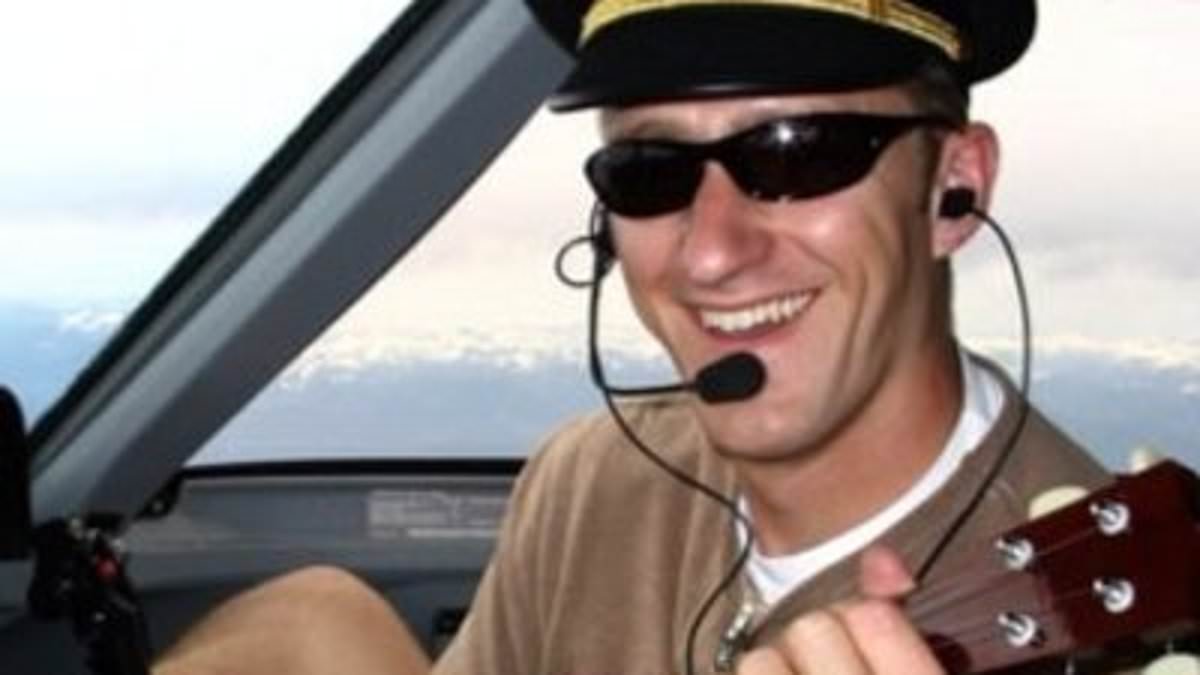
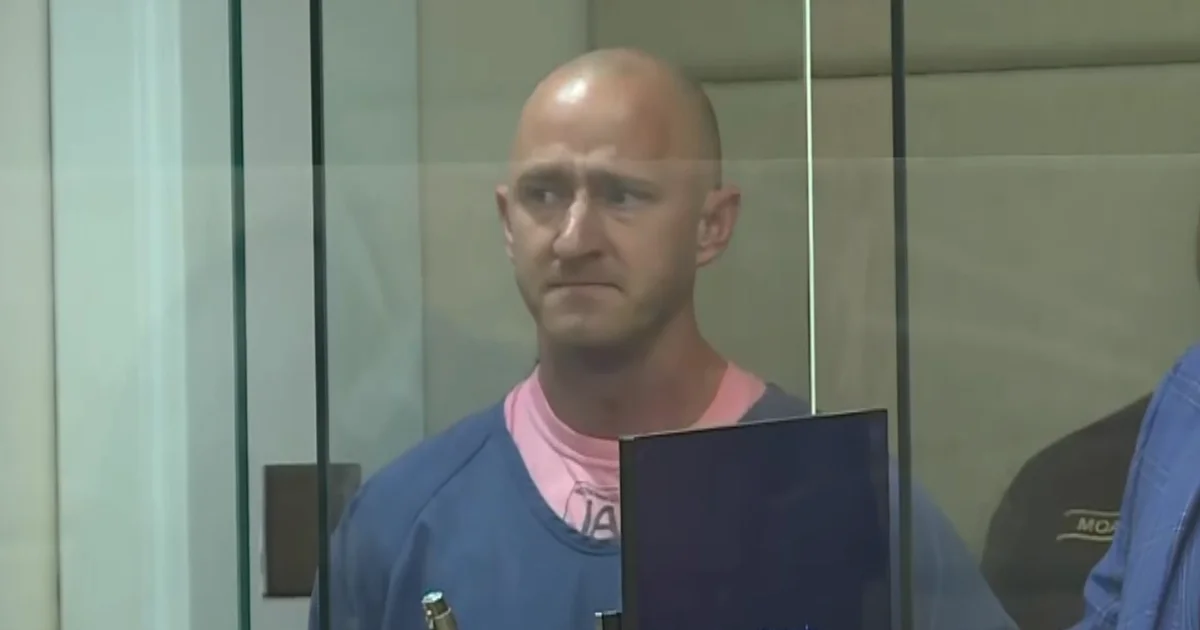
The off-duty Alaska Airlines pilot, Joseph Emerson, pleaded not guilty to 83 counts of reckless endangerment for attempting to take down a jet while under the influence of magic mushrooms. Emerson's wife expressed relief at his release on bond and highlighted the importance of mental health among pilots. Defense attorney Noah Horst argued that Emerson needs help but is not criminally responsible. Emerson admitted to taking the hallucinogenic drugs two days prior to the incident, which left him in a confused state. The charges were reduced from attempted murder to reckless endangerment. Emerson's actions were driven by a belief that he was in a dream and needed to wake up to return home to his family.
A small clinical trial has found that psilocybin, the hallucinogen found in "magic mushrooms," may help relieve depressive episodes in people with bipolar disorder without triggering mania or mood swings. The trial included 15 participants with bipolar II disorder who were experiencing depressive episodes that were not adequately treated by their medications. After receiving a single dose of synthetic psilocybin and undergoing talk therapy, all participants showed improvement in their depressive symptoms, with 11 meeting the criteria for remission. The study suggests that psilocybin should be further studied in larger groups of people with bipolar II disorder. However, caution is advised for people with bipolar I disorder due to the potential risk of triggering mania.
An off-duty Alaska Airlines pilot, Joseph David Emerson, has been indicted on 83 misdemeanor counts of recklessly endangering another person and one felony count of first-degree endangering aircraft after allegedly attempting to shut off the engines of a passenger jet during a flight. Emerson, who claimed to be under the influence of "magic mushrooms" and struggling with depression and lack of sleep, was initially charged with 83 counts of attempted murder. He is also facing a separate federal charge of interfering with flight crew members and attendants. The incident occurred during a flight from Everett, Washington, to San Francisco, but Emerson was subdued by other pilots and the plane landed safely in Portland.