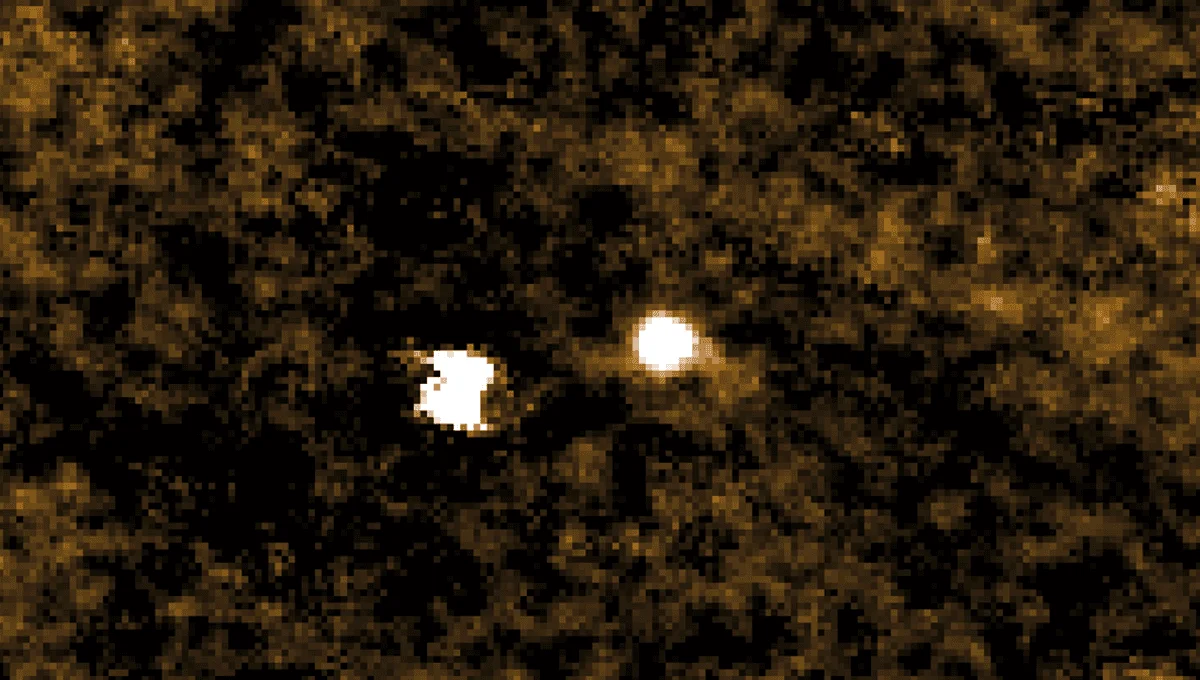
During its closest approach to Earth, the interstellar comet 3I/ATLAS was observed by the Breakthrough Listen project for signs of alien technosignatures, but no credible signals were detected. Simultaneously, another team estimated the comet's size to be around 1 km based on its non-gravitational acceleration, confirming its natural cometary nature. The efforts highlight ongoing searches for extraterrestrial signals and detailed studies of interstellar objects.
Scientists are exploring the possibility that extraterrestrial civilizations may be only slightly more advanced than humans, leading to a lack of detectable signs of their existence due to boredom or technological plateau, which could explain the silence in the search for alien life.
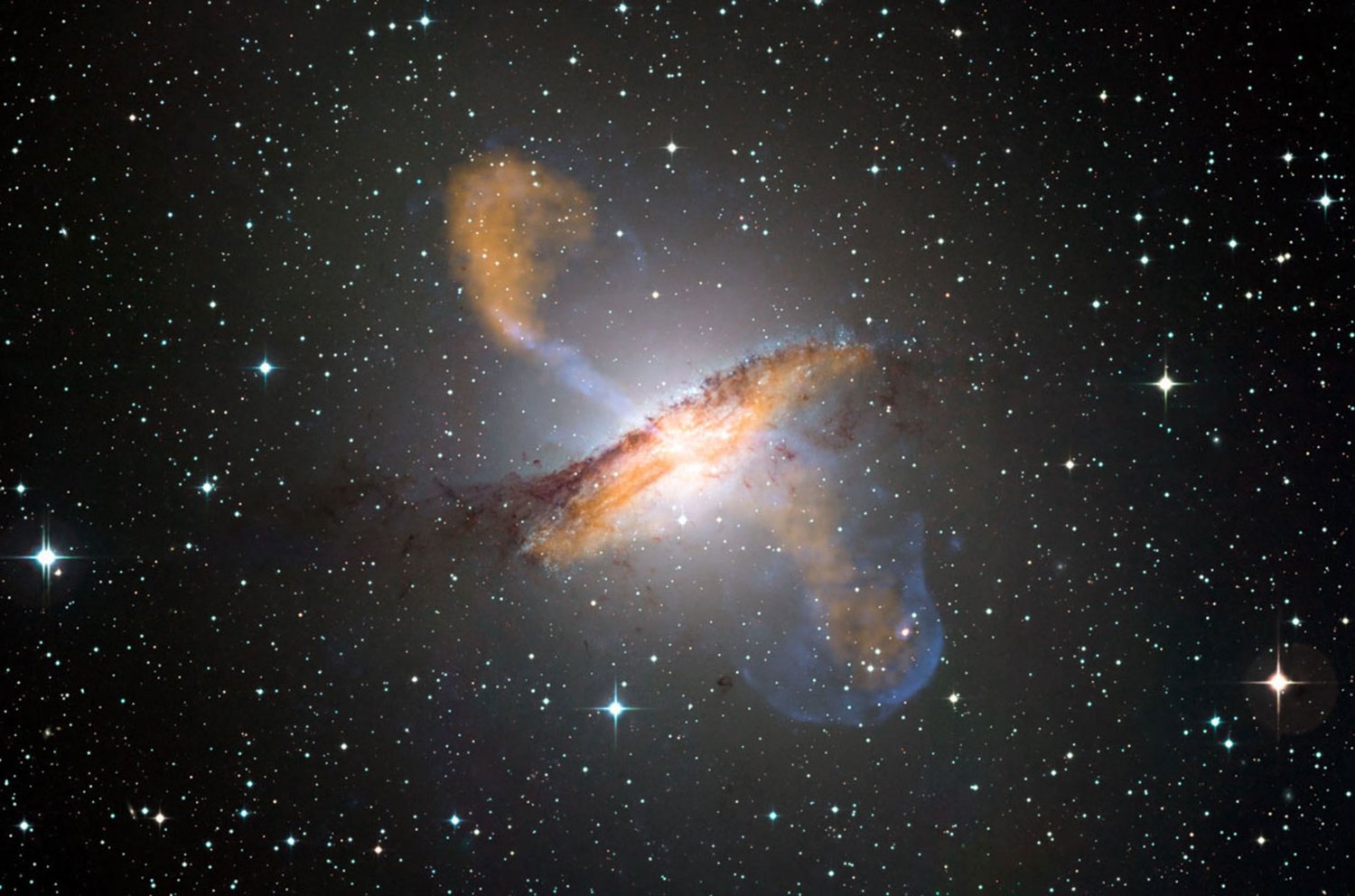
Scientists suggest that galaxies with high radio emissions could harbor advanced civilizations, but such galaxy-spanning ETIs are extremely rare, with less than 1 in 100,000 large galaxies potentially hosting them. The research uses models to set upper limits on the prevalence of these civilizations based on radio observations, and proposes expanding searches to other frequencies and technosignatures beyond radio waves.
A new paper co-authored by Avi Loeb introduces a quantitative, modular framework for classifying interstellar objects based on their anomalies, ranging from natural bodies to potential technological threats, using a refined Loeb Scale inspired by the Kardashev scale to aid in the interpretation and policy response to these objects.
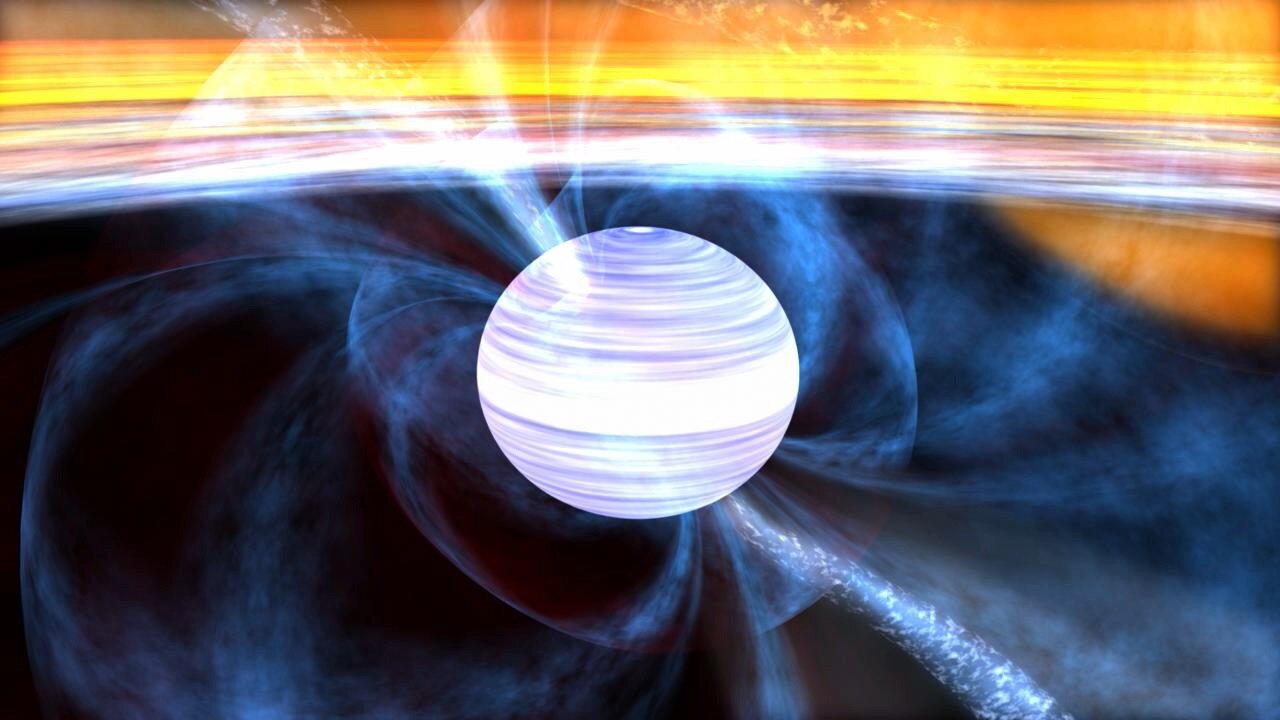
Clement Vidal's research explores the concept of a "spider stellar engine," where advanced civilizations could use binary star systems, specifically spider pulsars, as propulsion systems to migrate across galaxies. This involves using the pulsar's radiation to evaporate its companion star, generating thrust. Vidal suggests that these systems could emit technosignatures, offering potential evidence of extraterrestrial engineering. While speculative, the idea encourages further investigation into observable technosignatures from such systems.
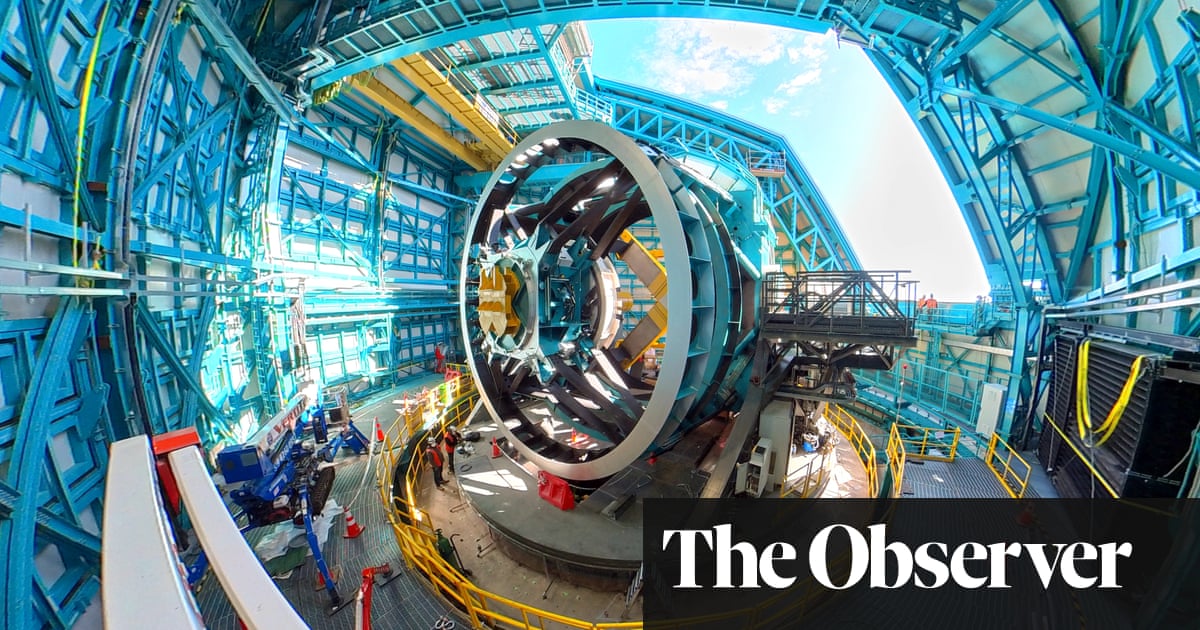
Breakthrough Listen, the largest scientific program dedicated to finding alien civilizations, is set to revolutionize the search for extraterrestrial life with new technologies like the Square Kilometre Array and the Vera Rubin Observatory. These advancements, combined with AI, will allow scientists to detect unintentional transmissions from alien civilizations, such as radar or TV signals, marking a significant shift from previous methods that focused on deliberate signals. The new tools and techniques are expected to provide unprecedented sensitivity and data, potentially leading to the first evidence of intelligent life beyond Earth.
Astronomers are exploring the possibility of detecting alien civilizations by looking for technosignatures of artificial greenhouse gases used to terraform or prevent ice ages on distant planets. Using computer models, researchers simulated planetary spectra to identify gases like hexafluoroethane and sulfur hexafluoride, which could be detectable with the James Webb Space Telescope. This approach may offer a better chance of finding terraformed planets than detecting industrial pollution.
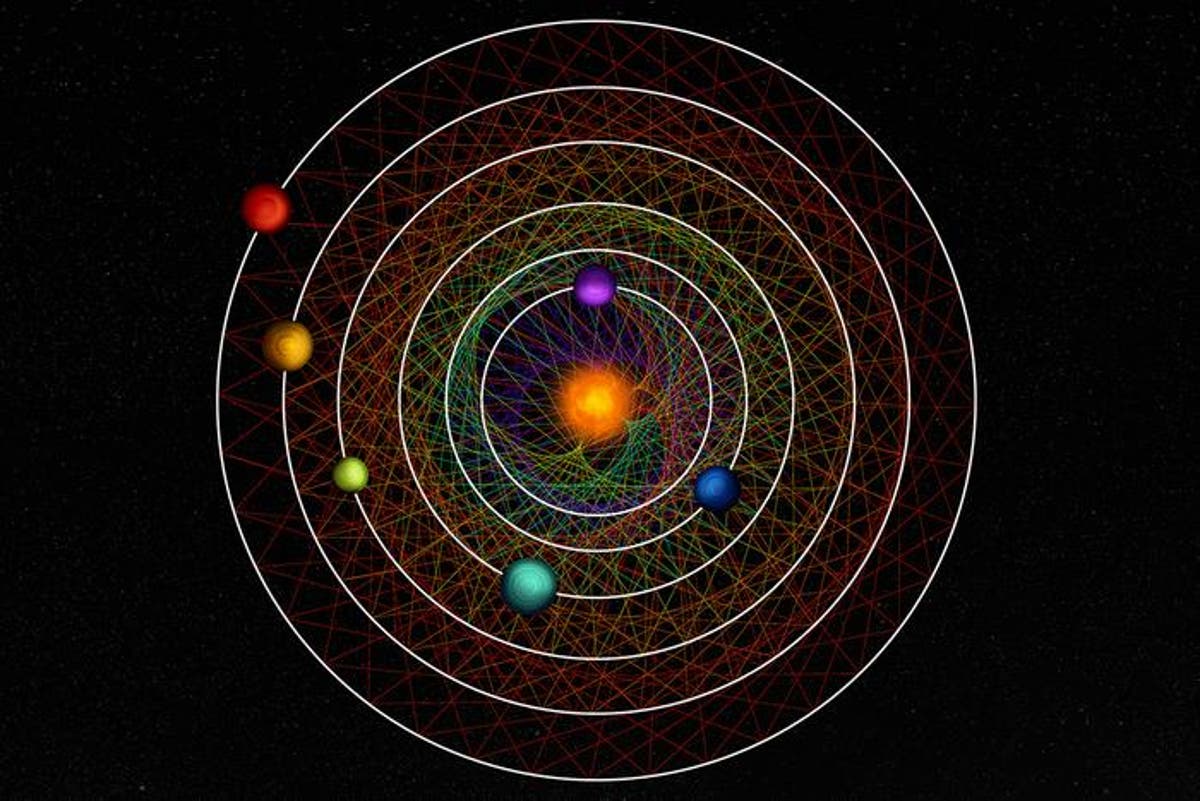
Scientists are investigating a solar system 100 light years away with six perfectly synchronized planets orbiting an orange dwarf star, suggesting they have remained undisturbed for a billion years. They are searching for signs of alien technology, or technosignatures, using radio signals, as the planets may have liquid water and could potentially harbor alien life. While no signals were found in the current study, the unique solar system remains an intriguing target for future searches.
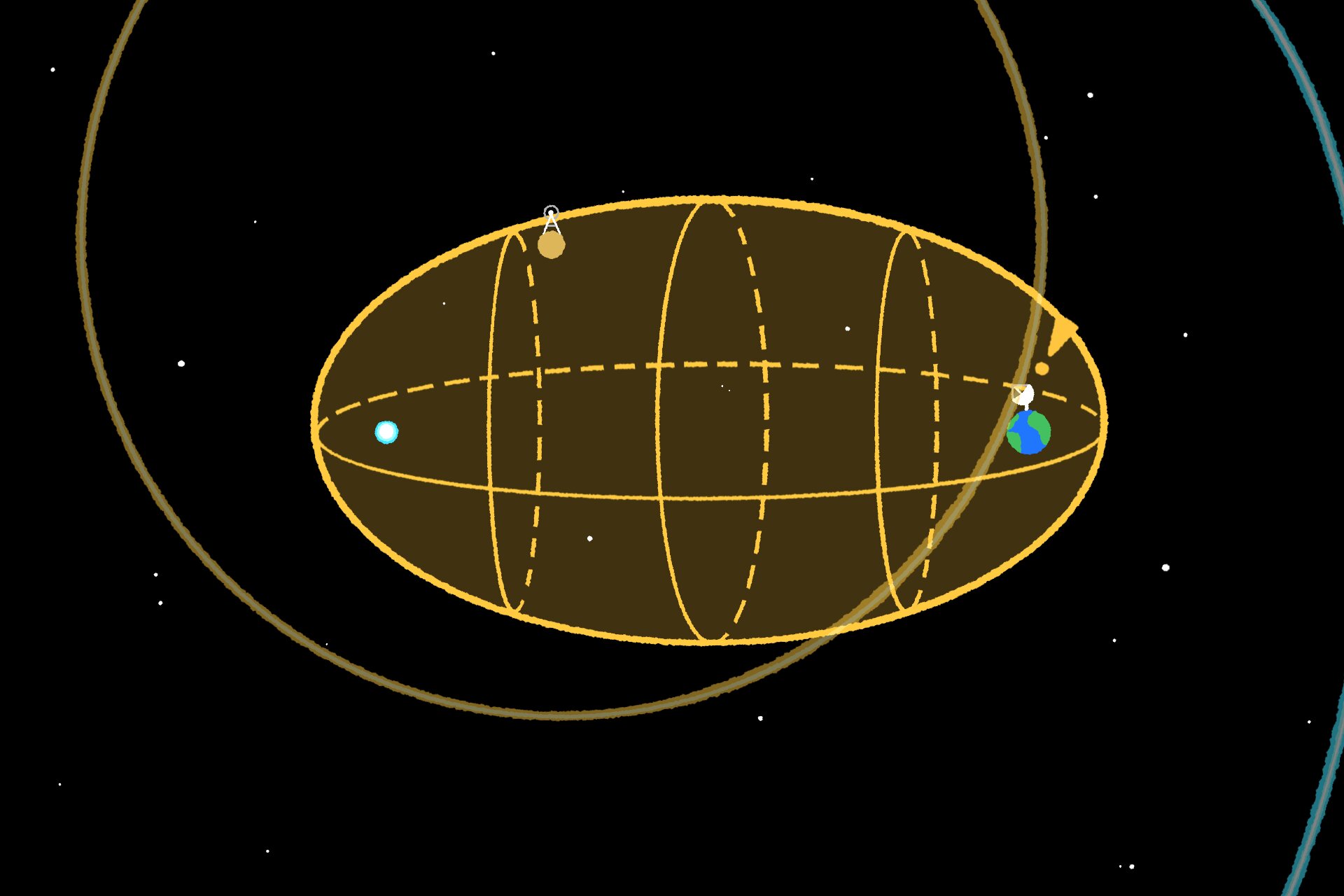
Researchers from the SETI Institute, Berkeley SETI Research Center, and the University of Washington have developed the SETI Ellipsoid technique, which uses observations from the TESS mission to identify potential signals from advanced civilizations in the cosmos. This method leverages continuous, wide-field sky surveys to enhance the detection of potential signals and compensates for uncertainties in the estimated time-of-arrival of such signals. The study identified 32 prime targets within the SETI Ellipsoid in the southern TESS continuous viewing zone, demonstrating the feasibility of cross-matching distance measurements with time-domain surveys like TESS to enhance monitoring and anomaly detection capabilities in SETI research.
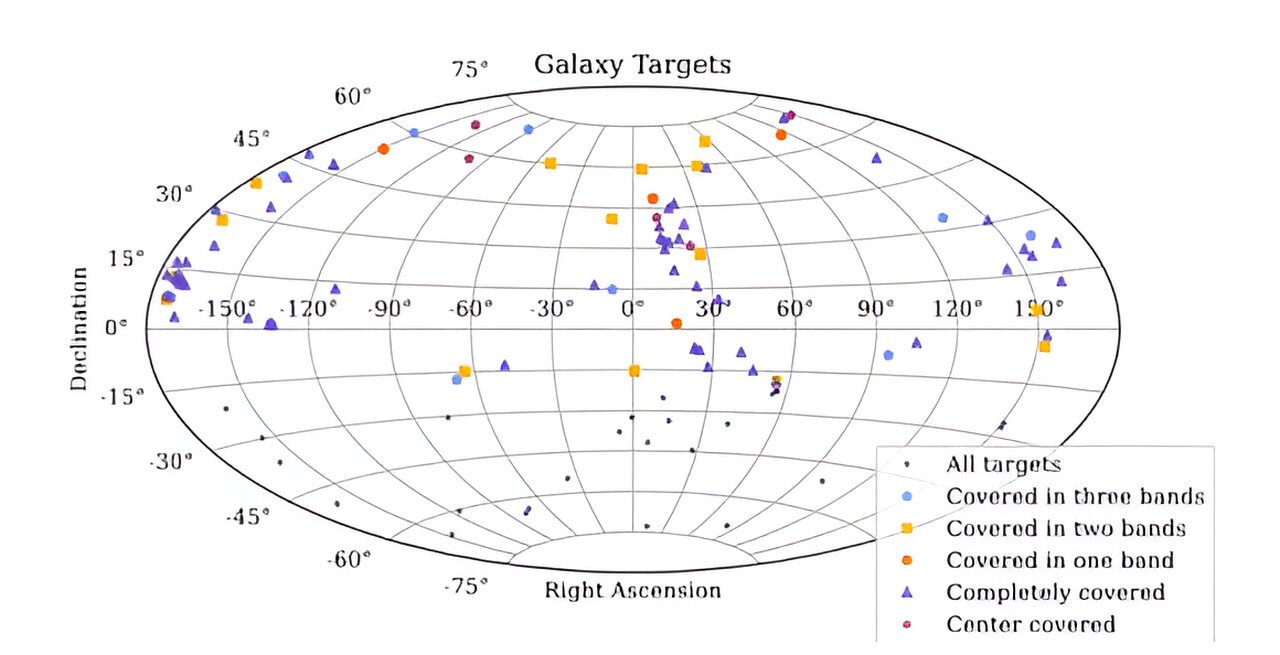
Breakthrough Listen, the most ambitious Search for Extraterrestrial Intelligence (SETI) experiment to date, has conducted a radio technosignature search of the centers of 97 nearby galaxies using the Robert C. Byrd Green Bank Telescope. Unfortunately, no compelling evidence of extraterrestrial intelligence was found. The experiment focused on galaxies rather than individual stars, allowing for the search of millions of stars and potentially millions of stellar systems with planets. The team used a narrowband Doppler drift search at four frequencies and established constraints on the data to look for possible transmitters with the equivalent isotropic radiated power of 10,000 zetawatts. Although no technosignatures were detected, this survey represents a landmark in SETI research and will inform future searches by Breakthrough Listen.
Scientists have proposed using gravitational lenses, such as the Solar Gravity Lens (SGL), to transmit power from star to star. By utilizing the amplification properties of gravitational lenses, advanced civilizations could potentially create an interstellar power transmission network. This concept could have significant implications for astronomy, the search for extraterrestrial intelligence (SETI), and the development of space-based solar power systems in interstellar space. While the feasibility of interstellar power transmission has been demonstrated, further research is needed to address various technical challenges.
Astrophysicist Adam Frank discusses his new book, "The Little Book of Aliens," which explores the possibilities of alien life. He emphasizes that the discovery of any form of life, whether simple unicellular organisms or intelligent beings, would be a groundbreaking achievement. Frank also addresses the topic of UFO sightings, highlighting the need for scientific methods to establish public knowledge. He explores the possibilities of interstellar travel and discusses various techniques for discovering intelligent extraterrestrial life, such as analyzing chemical signatures in alien atmospheres. Frank believes that the discovery of intelligent aliens would be the most significant event in human history, fundamentally changing our understanding of the universe and the meaning of being human. He predicts that we may have relevant data within the lifetime of current generations, thanks to advances in technology like the James Webb Space Telescope. Finally, Frank explains technosignatures and how they could be used to detect technological activity on distant worlds.
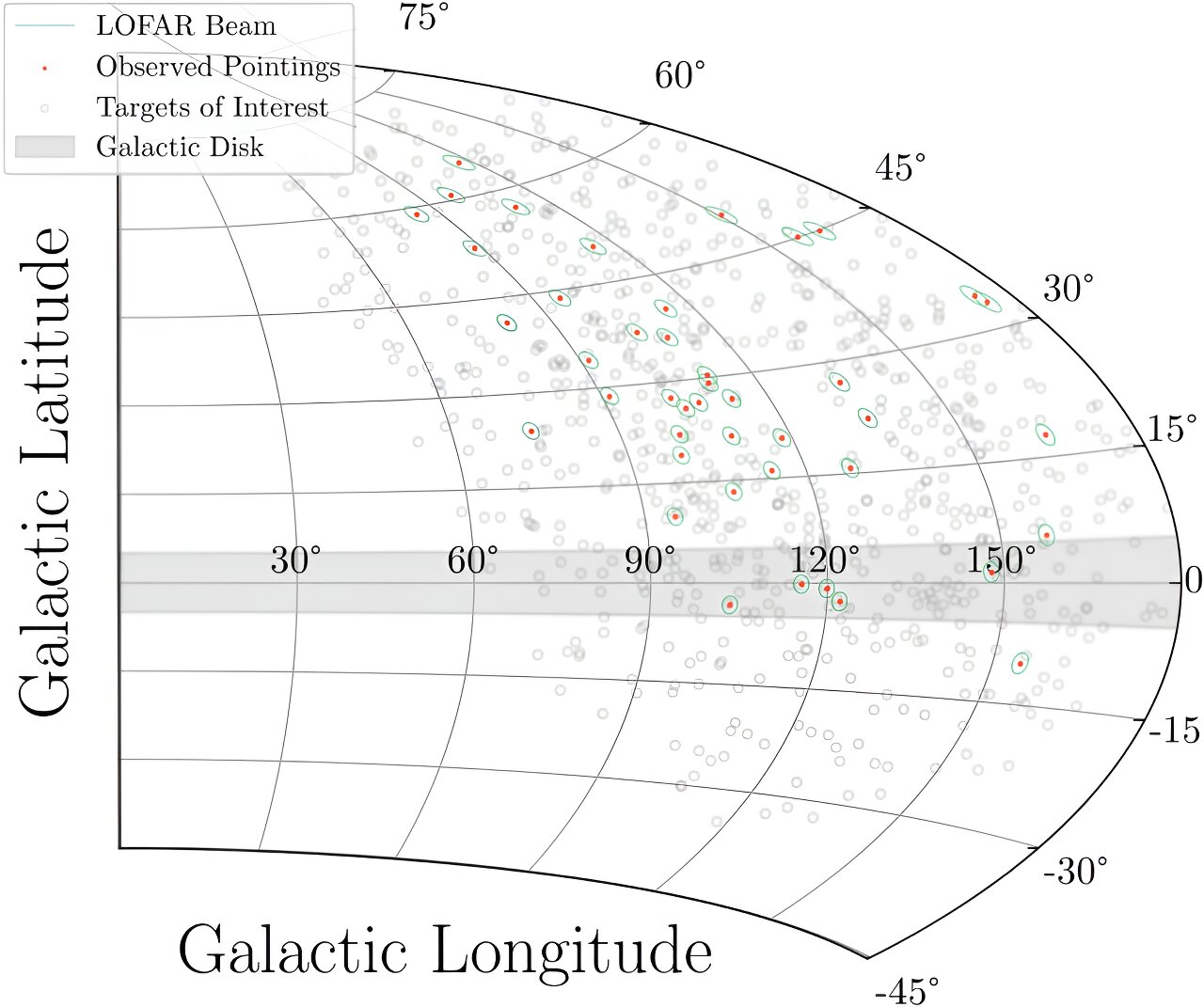
Astrophysicists from Trinity College Dublin, the Breakthrough Listen team, and the Onsala Space Observatory are using multi-site, multi-telescope techniques to scan millions of star systems for "technosignatures" that could indicate the presence of intelligent alien life. By searching at lower frequencies of 110-190 MHz, the team aims to overcome the limitations of single observatories and reduce false positive signals caused by terrestrial interference. So far, their searches have not yielded any results, but they remain hopeful that their deep dive into the universe will eventually uncover evidence of extraterrestrial civilizations.
The field of astrobiology, the scientific search for life in the Universe, has experienced significant advancements in recent decades. With the discovery of exoplanets and insights gained from Earth's history, scientists now have a better understanding of where and how to search for signs of alien life. The emergence of technosignatures as a new research field allows for the exploration of intelligent civilizations and their day-to-day activities. These advancements in astrobiology have the potential to revolutionize our understanding of the cosmos and our place within it.
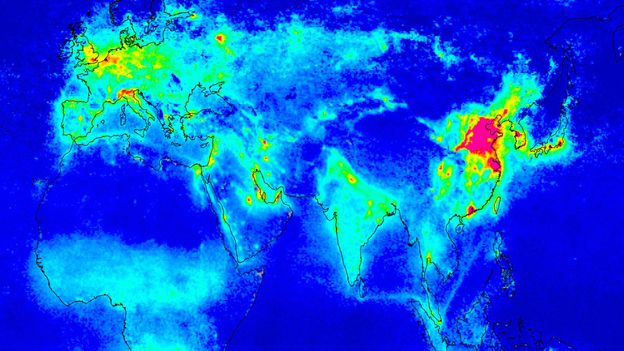
Scientists are exploring the possibility of detecting alien life not through radio signals, but through the detection of pollution in the atmospheres of distant planets. Researchers have proposed the idea of "technosignatures," which are signs of a technologically advanced civilization, such as the presence of chlorofluorocarbons (CFCs) or nitrogen dioxide (NO2) in the atmosphere. Telescopes like the James Webb Space Telescope and upcoming observatories will have the capability to detect these pollutants and potentially reveal the presence of alien civilizations. However, there is also the possibility that truly intelligent civilizations may not produce long-lasting pollutant-based technosignatures, making the search for alien life more challenging.