Scientists are exploring the possibility that extraterrestrial civilizations may be only slightly more advanced than humans, leading to a lack of detectable signs of their existence due to boredom or technological plateau, which could explain the silence in the search for alien life.
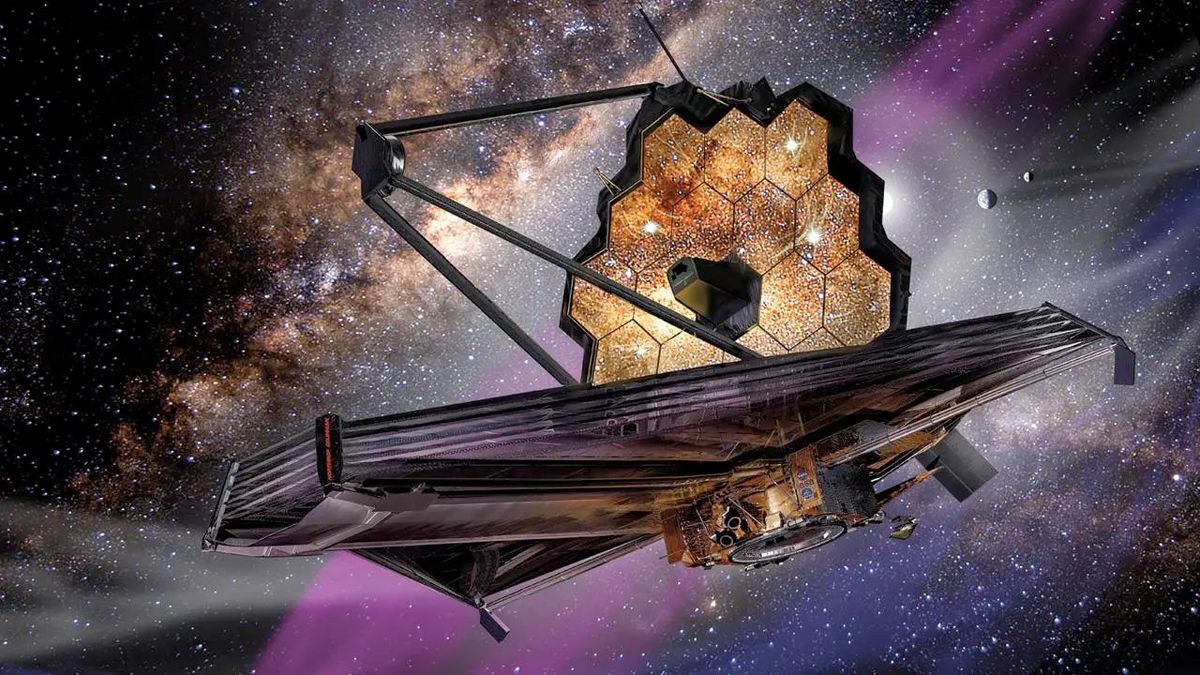
A new study suggests that the James Webb Space Telescope (JWST) could potentially detect signs of intelligent life on Earth from across the galaxy. The study tested whether JWST could detect key biosignatures and technosignatures from Earth's atmosphere, and the results indicate that the telescope could likely detect these markers of non-intelligent and intelligent life. While JWST has already made interesting discoveries about exoplanets and other celestial bodies, detecting life on other planets may prove challenging without contextual knowledge about the habitable environment. Nonetheless, the findings raise hopes that JWST could potentially detect alien civilizations as it explores distant worlds in our galaxy.