Tag

Pulsars

All articles tagged with #pulsars

obituaries5 months ago

Obituary of Sir Francis Graham-Smith

Sir Francis Graham-Smith, a pioneering figure in radio astronomy and former Astronomer Royal, passed away at 102. His groundbreaking work in radio surveys, pulsar studies, and his leadership at Jodrell Bank significantly advanced our understanding of the universe, including the identification of distant galaxies and the development of major radio telescopes. He was a highly influential scientist, author, and leader in British astronomy, recognized with numerous honors including a knighthood and the Royal Medal.

science-and-technology1 year ago

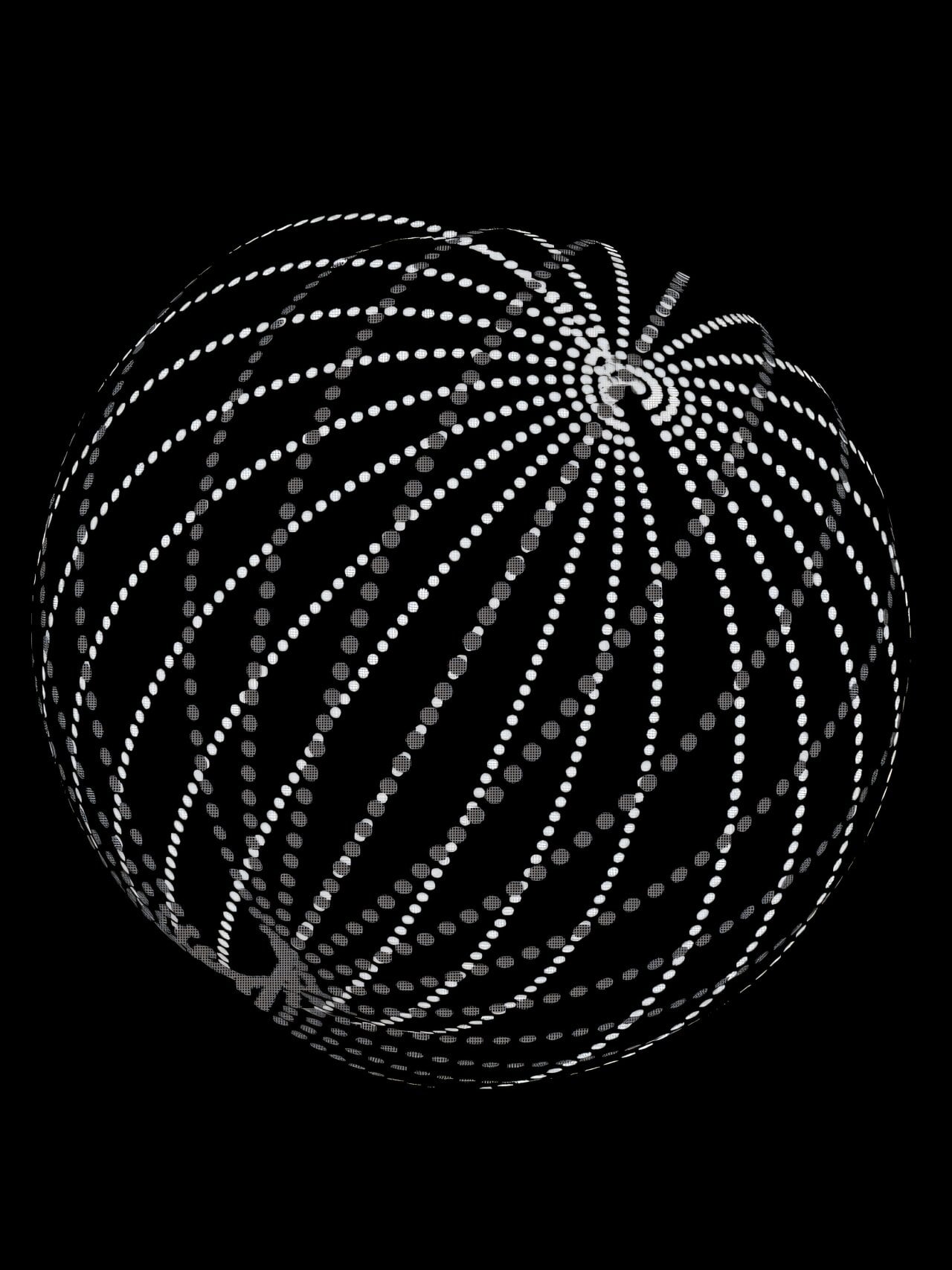
Breakthrough Method for Detecting Dyson Rings Announced

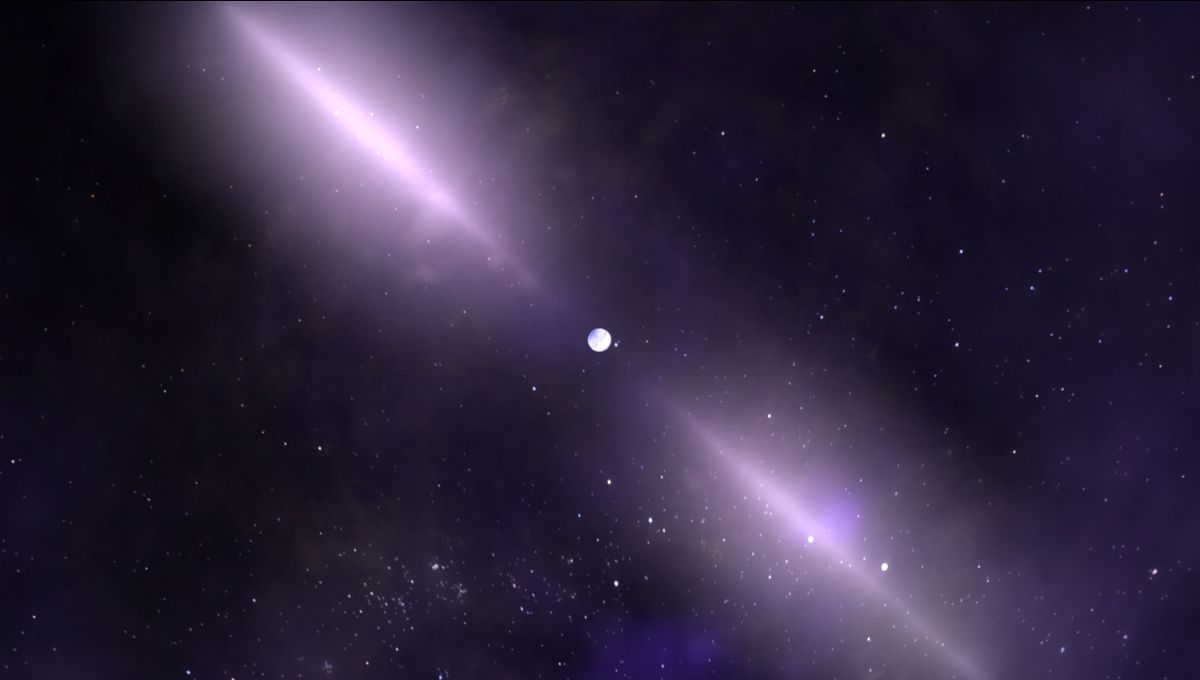
A new technique for detecting Dyson rings, theoretical megastructures designed to harness energy from stars, has been proposed by scientists. The method involves analyzing light curves from pulsars, where the pulsar beam striking a Dyson ring could create detectable features. This approach could help identify advanced civilizations capable of constructing such structures, which are more feasible than Dyson spheres due to lower material requirements. The research is set to be published in the Monthly Notices of the Royal Astronomical Society.

science1 year ago

New Research Sheds Light on Black Holes in Milky Way's Largest Star Cluster

New research suggests that the high velocities of stars in Omega Centauri, the Milky Way's largest star cluster, are likely due to a cluster of stellar-mass black holes rather than a single intermediate-mass black hole (IMBH). By combining data on stellar velocities and pulsar accelerations, scientists from the University of Surrey and collaborators have provided evidence favoring the presence of multiple smaller black holes. This finding helps resolve a long-standing debate and advances the search for IMBHs, which could bridge the gap between stellar-mass and supermassive black holes.

science1 year ago

SETI's Breakthrough with Cosmic Lighthouses from a Ruined Observatory

Using data from the now-collapsed Arecibo radio telescope, SETI scientists have studied how pulsar signals are distorted by the interstellar medium, revealing that current models of the universe may need revision. This research, led by Sofia Sheikh, highlights the importance of archived data and its role in understanding cosmic phenomena like gravitational waves. The findings suggest that galactic structures, such as the Milky Way's spiral arms, influence these distortions, which could refine gravitational wave detection methods.

science1 year ago

Gravitational Waves Unveil Cosmic Secrets and Black Hole Activity

Astronomers using the MeerKAT Pulsar Timing Array have detected a surprisingly loud gravitational wave background, suggesting more supermassive black holes may be orbiting each other than previously thought. This discovery, made by observing 83 pulsars, has led to the most detailed maps of gravitational waves, revealing a 'hot spot' of activity in the Southern Hemisphere. The findings challenge existing theories about the number of supermassive black holes and could provide insights into the cosmic architecture of the universe.

science1 year ago

SETI Analyzes Pulsar Signals Using Arecibo's Legacy Data

Scientists from the SETI Institute have used archival data from the now-collapsed Arecibo Observatory to study how signals from pulsars, rapidly spinning neutron stars, are distorted as they travel through space. The research focused on diffractive interstellar scintillation (DISS), revealing that pulsar signal bandwidths are wider than current models suggest, indicating a need to revise models of the interstellar medium. This study highlights the ongoing scientific value of Arecibo's data, even after its destruction, in understanding galactic structures and phenomena like gravitational waves.

science1 year ago

Astrophysicist Unveils Theory on Crab Nebula's Zebra Stripes

A theoretical astrophysicist from the University of Kansas, Mikhail Medvedev, has proposed a solution to the mysterious 'zebra' pattern observed in the Crab Nebula's radio emissions. By modeling wave diffraction and using wave optics, Medvedev suggests that the pattern is caused by the diffraction of electromagnetic pulses through the pulsar's plasma, which varies in density. This new understanding could enhance the study of pulsars and their magnetospheres, offering insights into their plasma density and distribution.

science-and-technology1 year ago

Spider Stellar Engine: Galactic Travel for Binary Stars

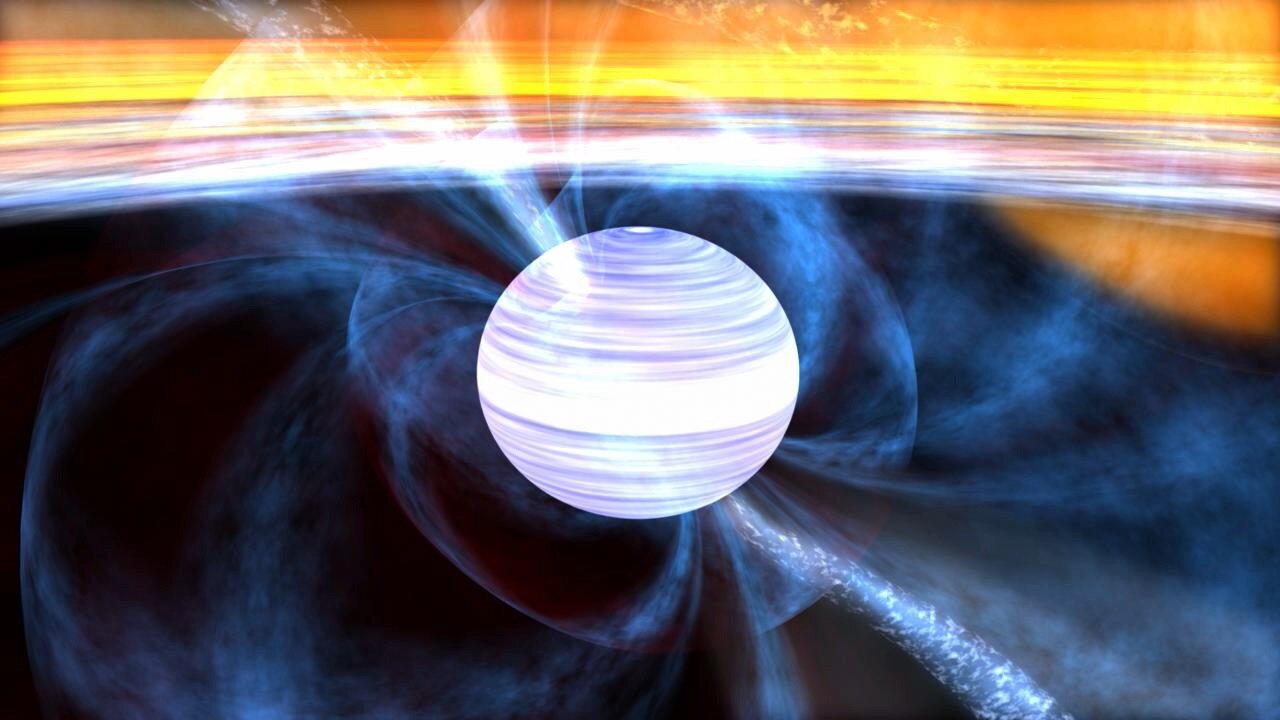
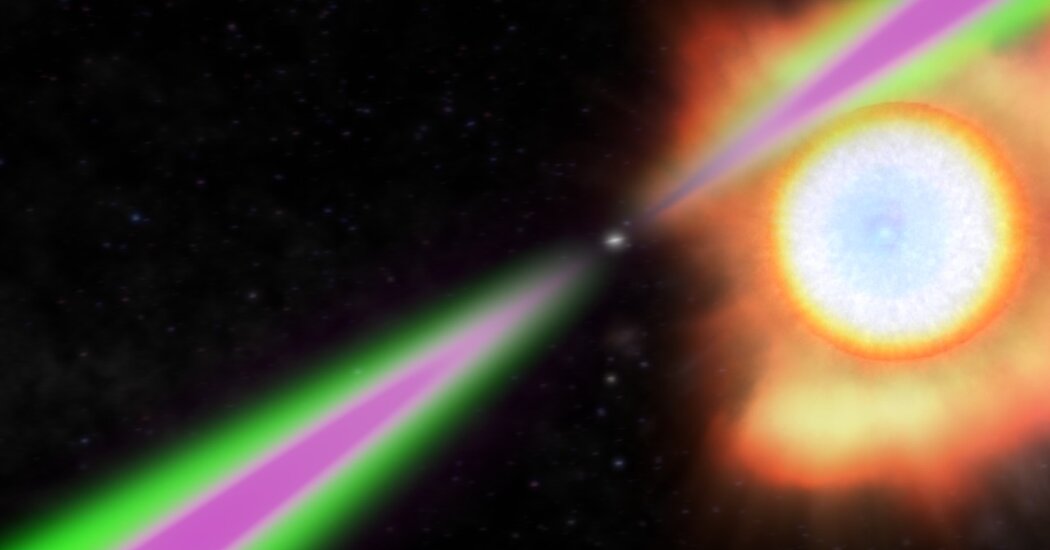
Clement Vidal's research explores the concept of a "spider stellar engine," where advanced civilizations could use binary star systems, specifically spider pulsars, as propulsion systems to migrate across galaxies. This involves using the pulsar's radiation to evaporate its companion star, generating thrust. Vidal suggests that these systems could emit technosignatures, offering potential evidence of extraterrestrial engineering. While speculative, the idea encourages further investigation into observable technosignatures from such systems.

science1 year ago

"Telescope Duo Unveils 10 Mysterious Pulsars"

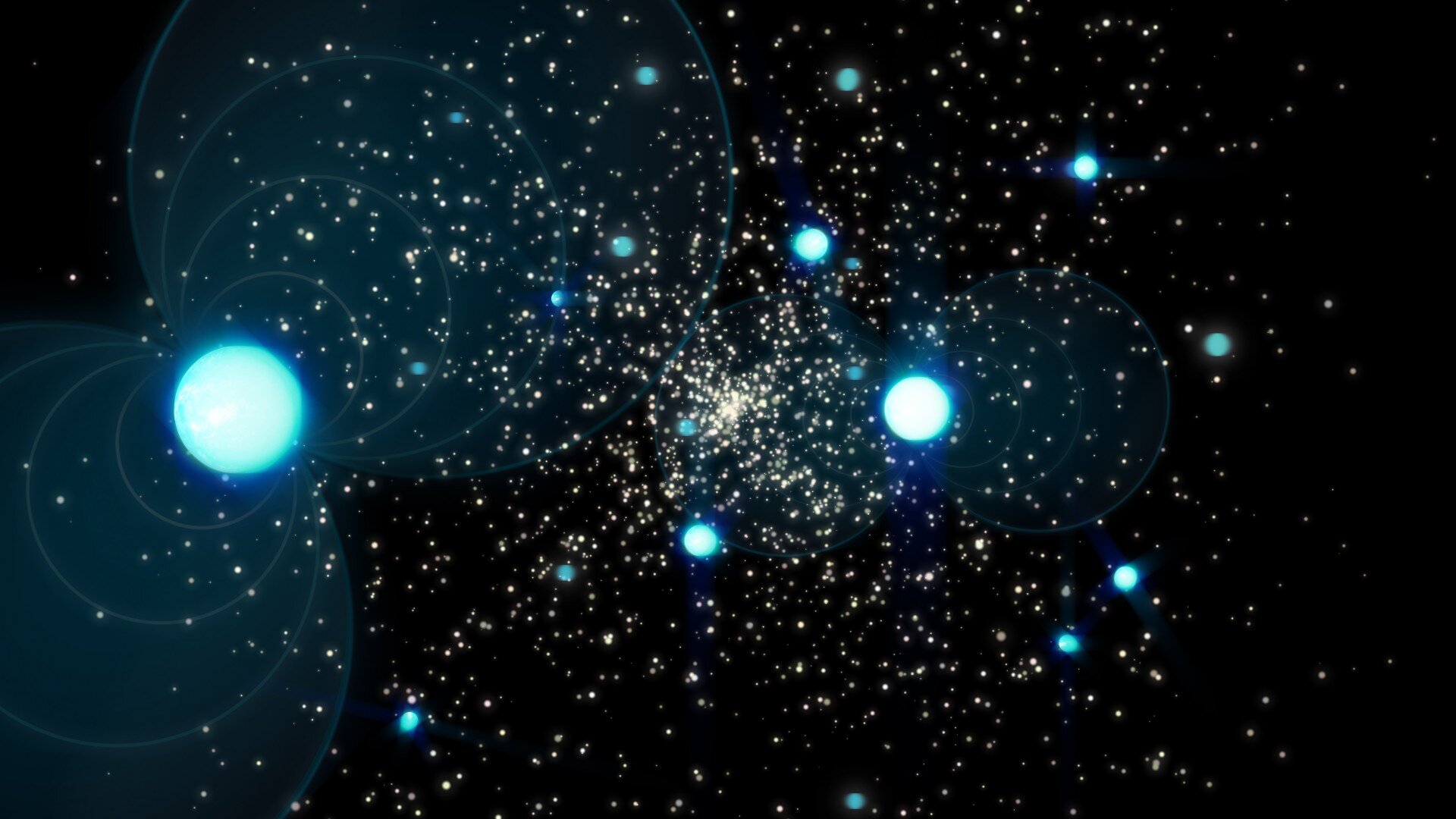
An international team of astronomers has discovered 10 new exotic pulsars in the globular cluster Terzan 5 using the NSF Green Bank Telescope and the MeerKAT Telescope. These findings, published in Astronomy & Astrophysics, add to the 39 known pulsars in the cluster and include rare binary systems and "spider" pulsars, enhancing our understanding of neutron stars and globular clusters.

science-and-technology2 years ago

"Probing the Pulsations of the Brightest X-ray Pulsar, M82 X-2"

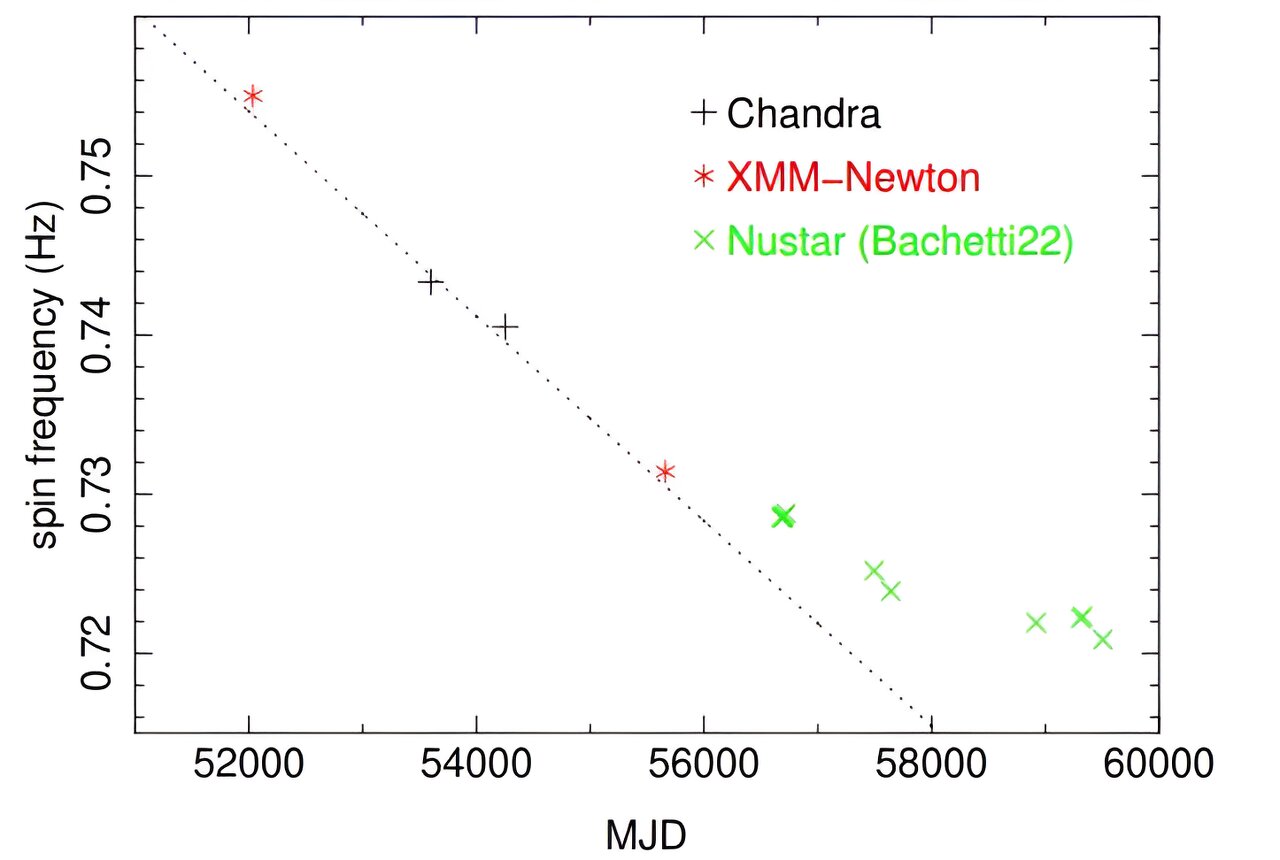
Chinese astronomers have utilized NASA's Chandra spacecraft and ESA's XMM-Newton satellite to study the pulsations of M82 X-2, an ultra-luminous X-ray pulsar (ULXP) located in the Cigar Galaxy, revealing a long-term spin-down trend interspersed with spin-up events over two decades. This behavior suggests varying accretion rates and a possible magnetic threading cause, with an estimated pulsar magnetic field of 12 trillion Gauss. The findings, published on the arXiv pre-print server, contribute to the understanding of ULXPs, which are neutron stars with emissions exceeding those of a million suns.

astronomy2 years ago

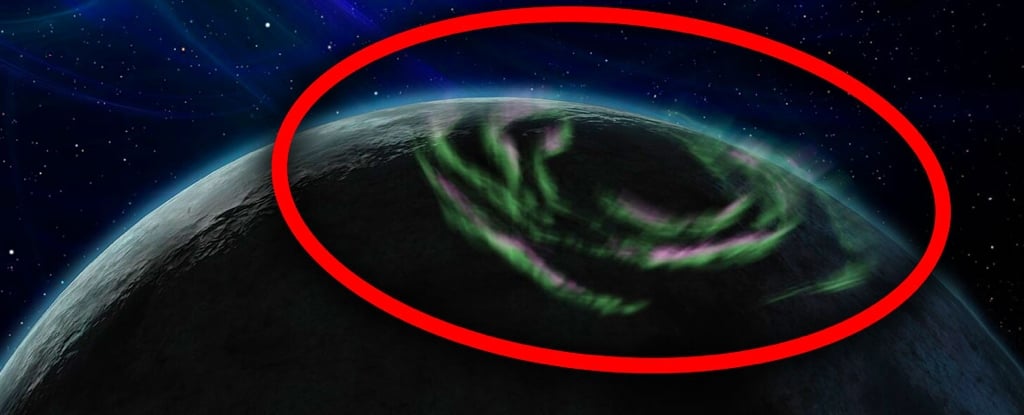
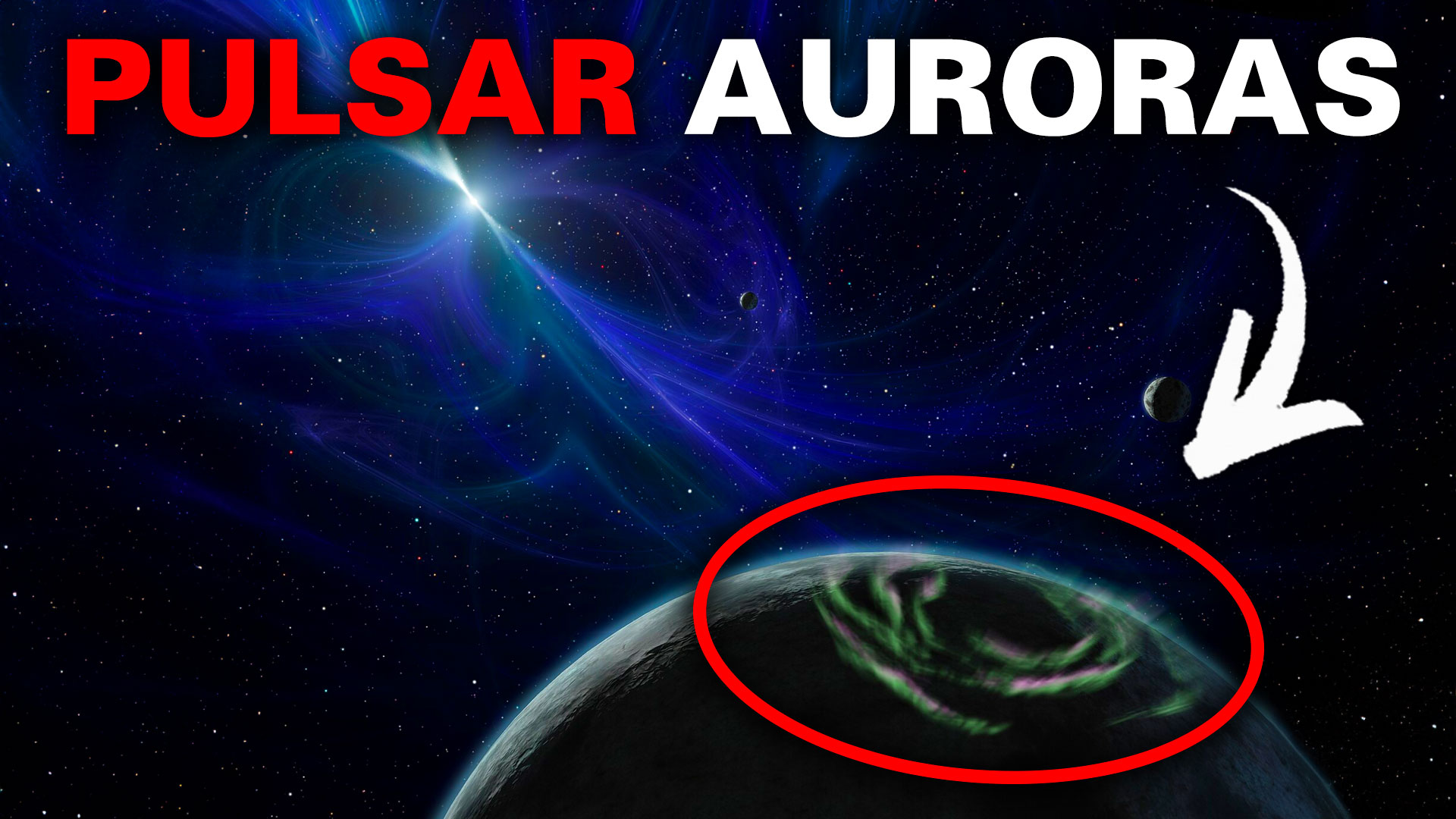
Glowing Auroras: A Fascinating Phenomenon on Pulsar-Orbiting Planets

Researchers suggest that exoplanets orbiting pulsars may exhibit auroras, similar to those seen on Earth. Pulsars are remnants of massive stars that have exploded, leaving behind rapidly rotating neutron stars that emit radiation. By simulating the magnetic environment of pulsars and their planets, scientists have found that these auroras may be detectable using current radio telescope technology. The study focused on millisecond pulsars and their potential planetary companions, showing that the radio emissions from these systems could be observed.

book-review2 years ago

"Exploring the Mysterious Phenomena in 'Things That Go Bump in the Universe' by C. Renée James"

In her book "Things That Go Bump in the Universe," astronomer C. Renée James explores the fascinating world of pulsars and other cosmic phenomena. James delves into the study of these celestial objects, highlighting their importance in measuring distances between stars and advancing our understanding of nuclear physics. She also discusses the field of transient astronomy, which focuses on fast and violent events in the universe. Through engaging prose and relatable anecdotes, James brings the complex concepts of astrophysics to a wider audience, revealing the dynamic and enigmatic nature of stars and the cosmos.

astronomy2 years ago

"Pulsar-Orbiting Planets: Unveiling the Enigmatic and Exquisite Auroras"

Researchers suggest that exoplanets orbiting pulsars may have auroras, similar to those on Earth, and these auroras could potentially be detected. By simulating the magnetic environment of pulsars and their planets, scientists found that planets around millisecond pulsars are observable using current radio telescope technology. The study also indicates that the presence of auroras in these systems may be detectable.

science2 years ago

"Saturday's Diverse Discoveries: Kittens, Pulsars, Fusion Reactor, and Cosmic Void"

Three rare white lion cubs are born at a zoo in Venezuela, marking the first white lions born in captivity in the country. Researchers discover spider pulsars that cause damage to their companion stars. Scientists propose the idea that we are living in a giant cosmic void, which could explain the Hubble tension. Japan inaugurates the world's largest experimental nuclear fusion reactor, aiming to generate carbon-free energy.