Tag

Tau Protein

All articles tagged with #tau protein

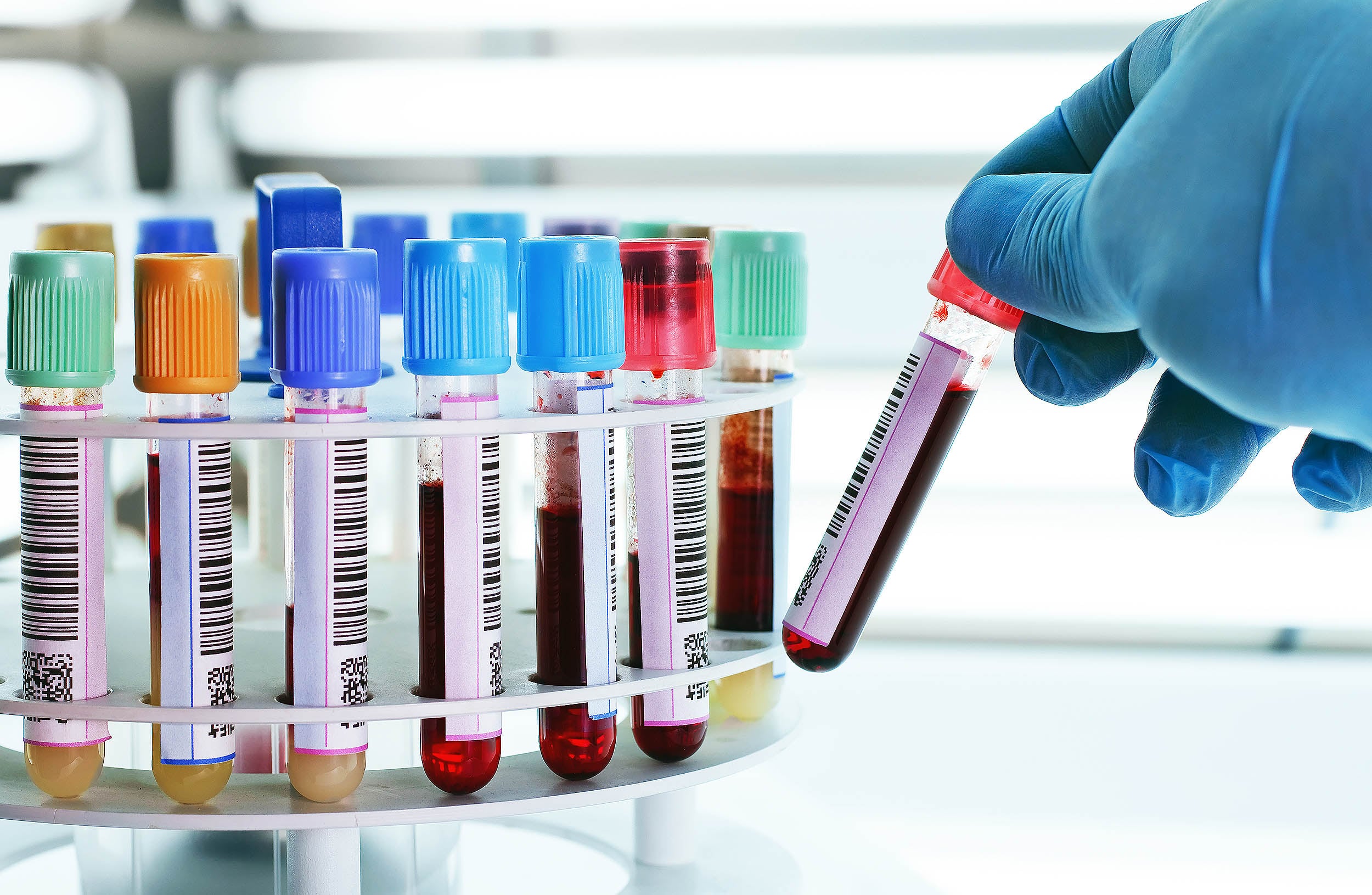
C2N Diagnostics Launches Enhanced Blood Test for Early Alzheimer's Detection in Patients 50+

Originally Published 4 months ago — by Earth.com

Featured image for C2N Diagnostics Launches Enhanced Blood Test for Early Alzheimer's Detection in Patients 50+
Source: Earth.com

A new blood test for Alzheimer's disease, measuring tau and amyloid proteins, offers 90% accuracy in early detection, potentially transforming diagnosis and care by providing a faster, less invasive, and more accessible tool especially useful in primary care settings.

Sleep Aids Show Promise in Preventing Brain Damage in Alzheimer's

Originally Published 7 months ago — by Medical News Today

Featured image for Sleep Aids Show Promise in Preventing Brain Damage in Alzheimer's
Source: Medical News Today

A mouse study suggests that the insomnia drug lemborexant may improve sleep and protect the brain from tau protein buildup, which is linked to Alzheimer's disease, potentially reducing brain damage and inflammation. However, further research in humans is needed to confirm these findings.

New Study Suggests Enzyme Blockade Could Reverse Alzheimer's

Originally Published 1 year ago — by SILive.com

Featured image for New Study Suggests Enzyme Blockade Could Reverse Alzheimer's
Source: SILive.com

A study published in Nature Neuroscience has identified the enzyme tyrosine kinase 2 (TYK2) as a potential target for treating Alzheimer's disease. In genetically modified mice with excessive tau protein, blocking TYK2 reduced harmful tau buildup and showed signs of neuronal recovery. This discovery could lead to new drug development, although further research is needed to confirm these findings in humans.

New Insights into Enzymes and Tau Proteins in Alzheimer's Disease

Originally Published 1 year ago — by ScienceAlert

Featured image for New Insights into Enzymes and Tau Proteins in Alzheimer's Disease
Source: ScienceAlert

A new study suggests that blocking the enzyme tyrosine kinase 2 (TYK2) may help reduce the toxic buildup of tau protein in the brain, a key feature of Alzheimer's disease. Researchers found that TYK2 adds a tag to tau, making it difficult for the brain to clear, leading to neurofibrillary tangles. By inhibiting TYK2 in mice, the study showed a reduction in harmful tau and signs of neuronal recovery, indicating potential for new Alzheimer's treatments. However, further research is needed to confirm these findings in humans.

"Human Neuron Model Unlocks Potential Breakthrough in Alzheimer's Treatment"

Originally Published 1 year ago — by PsyPost

Featured image for "Human Neuron Model Unlocks Potential Breakthrough in Alzheimer's Treatment"
Source: PsyPost

Scientists at Weill Cornell Medicine have developed a human neuron model that simulates the spread of tau protein aggregates in the brain, shedding light on potential drug targets to block this process. Using CRISPR/Cas9 technology, the researchers created a neuron model with diseased forms of tau, allowing them to observe tau spread within weeks. Through CRISPRi screening, they identified 500 genes that impact tau abundance, including the UFMylation cascade, which, when altered, could block tau propagation. This finding was validated in both human neurons and mouse models, offering new directions for the development of treatments for Alzheimer’s disease and related conditions.

"Advancements in Alzheimer's Blood Tests: Accelerating Diagnosis and Treatment"

Originally Published 1 year ago — by Endpoints News

Featured image for "Advancements in Alzheimer's Blood Tests: Accelerating Diagnosis and Treatment"
Source: Endpoints News

Labcorp has introduced a new blood test to detect the tau protein, which accumulates in the brain after the buildup of amyloid plaques, a hallmark of Alzheimer's disease. This test is now available to doctors and drugmakers, offering a simple way to predict the likelihood of Alzheimer's disease in individuals.

"Breakthrough Blood Test for Early Alzheimer's Detection"

Originally Published 1 year ago — by Medical News Today

Featured image for "Breakthrough Blood Test for Early Alzheimer's Detection"
Source: Medical News Today

A new study published in JAMA Neurology suggests that a blood test screening for Alzheimer's disease may be effective in detecting changes in amyloid beta and tau protein levels in the brain years before symptoms appear. The test, developed by a company called AD-Detect, was found to accurately identify abnormal levels of amyloid beta and tau in 80% of tested participants, potentially allowing for early intervention with emerging pharmaceutical treatments designed to reduce amyloid buildup. However, some experts caution that blood biomarkers may not have a clinical role in evaluating patients with memory loss and dementia, and using them for diagnosis could lead to overdiagnosis and unnecessary treatment.

Genetic anomaly reveals potential Alzheimer's prevention clues

Originally Published 2 years ago — by Medical Xpress

Featured image for Genetic anomaly reveals potential Alzheimer's prevention clues
Source: Medical Xpress

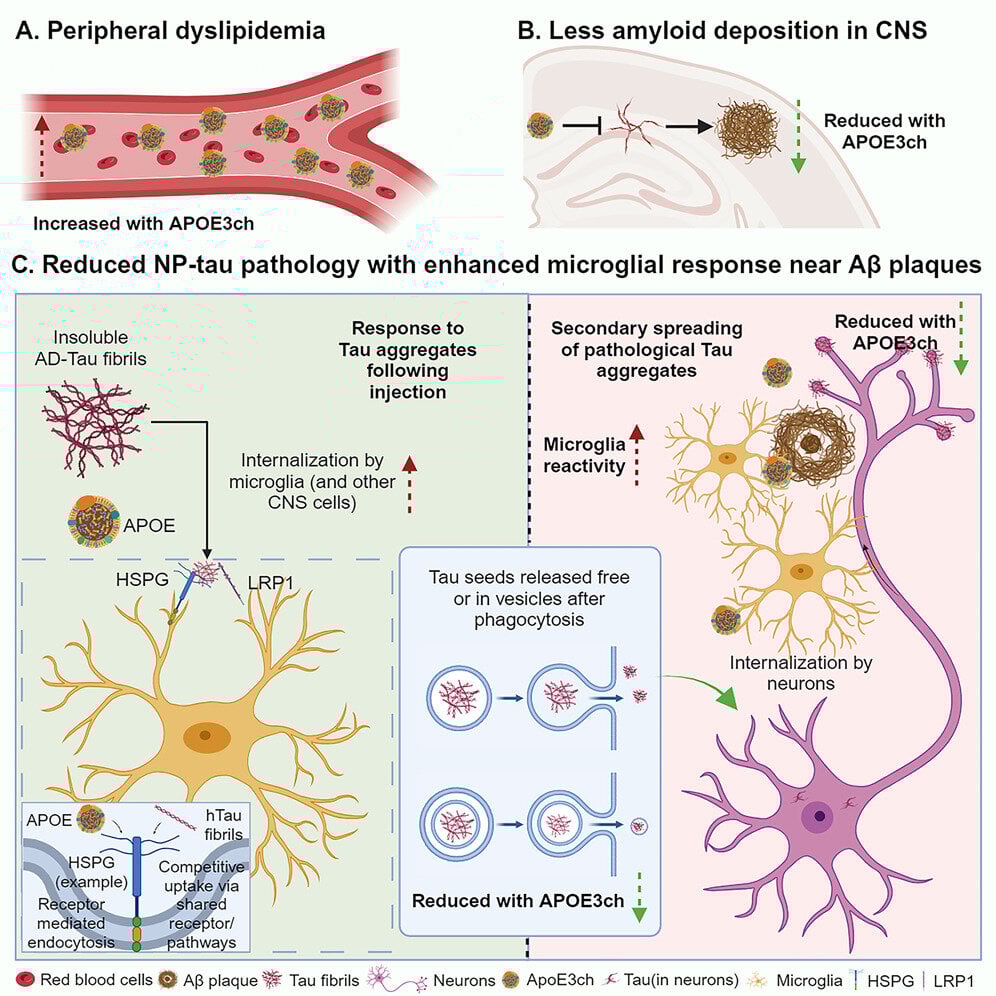
A woman from a Colombian family with a history of early-onset Alzheimer's disease managed to evade the disease despite carrying the genetic defect. Researchers have discovered that she carried a rare variant of the APOE gene known as the Christchurch mutation, which severed the link between the early phase of Alzheimer's (amyloid beta buildup) and the late phase (tau protein accumulation). This finding suggests a new approach to preventing Alzheimer's dementia by mimicking the effects of the APOE Christchurch mutation to halt the progression of the disease.

Unveiling the Genetic Defense Against Alzheimer's and Parkinson's

Originally Published 2 years ago — by Neuroscience News

Featured image for Unveiling the Genetic Defense Against Alzheimer's and Parkinson's
Source: Neuroscience News

Researchers have identified a gene allele, known as DR4, that offers more than a 10% average reduction in the risk of Alzheimer’s and Parkinson’s diseases. The study suggests a potential role of the tau protein in both conditions. The DR4 allele prompts the immune system to target a specific segment of tau, potentially disrupting the formation of harmful brain aggregates. This discovery opens doors for targeted vaccines that could slow or even halt the progression of these neurodegenerative diseases.

Genetic Variant Unveils Protective Shield Against Alzheimer's and Parkinson's

Originally Published 2 years ago — by Medical Xpress

Featured image for Genetic Variant Unveils Protective Shield Against Alzheimer's and Parkinson's
Source: Medical Xpress

A new study has found that about one in five people carries a genetic variant, known as DR4, that provides protection against both Alzheimer's disease and Parkinson's disease. The study suggests that this protective allele may be involved in immune responses that limit the accumulation of misfolded tau protein, a hallmark of both diseases. The researchers propose that a vaccine targeting acetylated PHF6, a modified segment of tau, could potentially delay or slow the progression of Alzheimer's and Parkinson's in individuals carrying the DR4 variant. However, further research is needed to determine the effectiveness of such a vaccine.

The Surprising Link Between Espresso and Alzheimer's Prevention

Originally Published 2 years ago — by New York Post

Featured image for The Surprising Link Between Espresso and Alzheimer's Prevention
Source: New York Post

Compounds found in espresso, including caffeine, have been found to potentially prevent the development of Alzheimer's disease, according to a study conducted at the University of Verona in Italy. The compounds were shown to inhibit the formation of tau protein fibrils associated with Alzheimer's disease, which disrupt the communication between nerve cells in the brain. While more research is needed, this discovery could lead to the development of bioactive compounds for the treatment of neurological diseases like Alzheimer's. Additionally, recent advancements in drug therapies, such as donanemab, have shown promise in slowing the progression of Alzheimer's disease.