A charity in France is raffling a €1 million Picasso portrait for just €100 a ticket to raise funds for Alzheimer's research, with the draw scheduled for April 14 at Christie's in Paris, aiming to sell 120,000 tickets and raise €11 million.
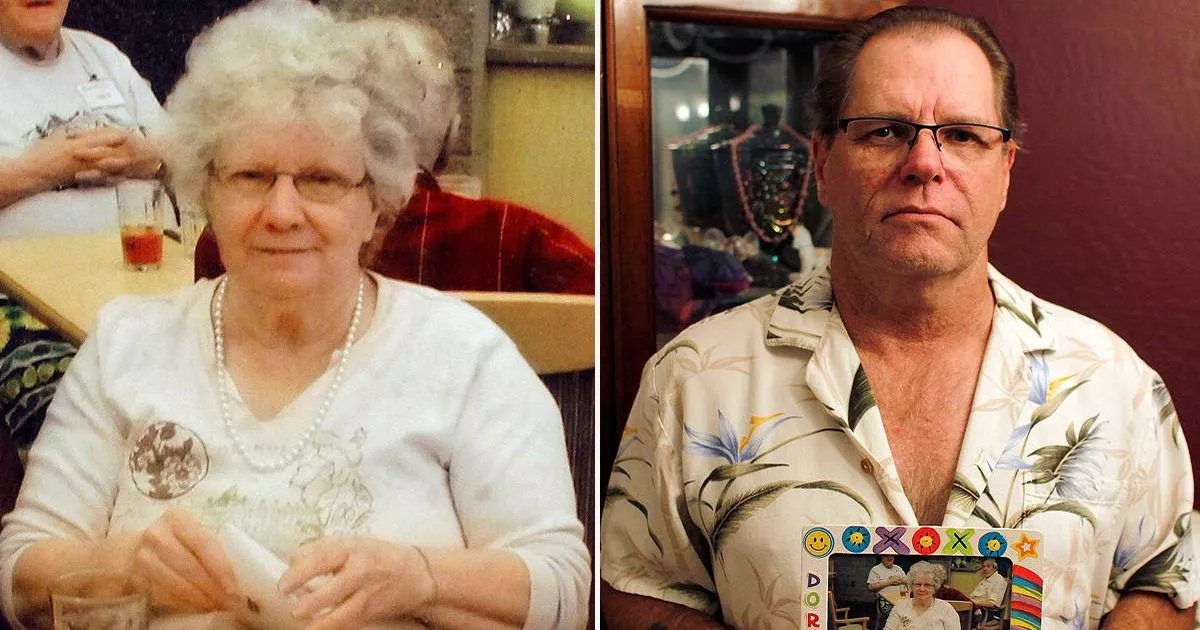
An Arizona man donated his mother's body for Alzheimer's research, but it was secretly used in military blast experiments after her arm was separated and her body was destroyed without proper consent, revealing widespread unethical practices in body brokering and a lack of regulation.
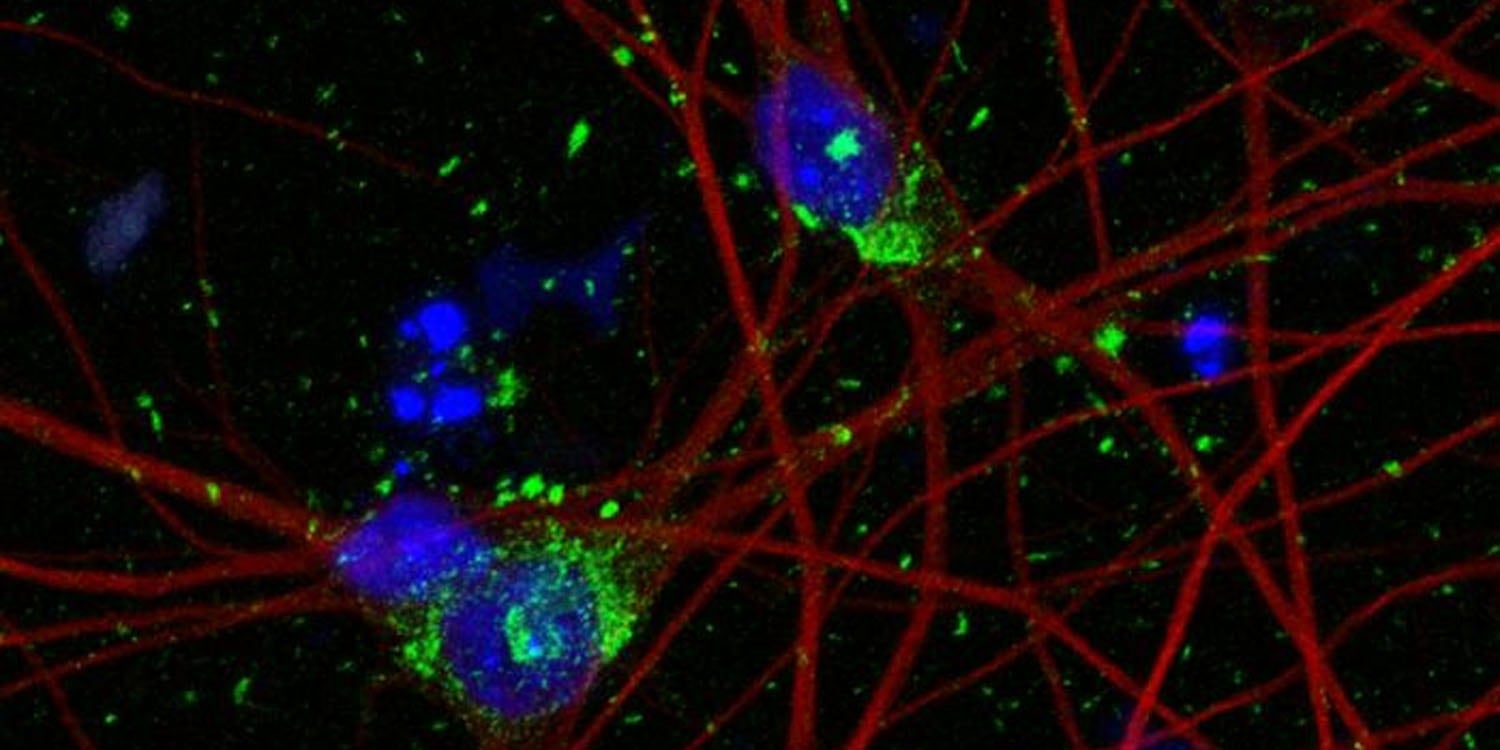
Scientists at Weill Cornell Medicine have developed a human neuron model that simulates the spread of tau protein aggregates in the brain, shedding light on potential drug targets to block this process. Using CRISPR/Cas9 technology, the researchers created a neuron model with diseased forms of tau, allowing them to observe tau spread within weeks. Through CRISPRi screening, they identified 500 genes that impact tau abundance, including the UFMylation cascade, which, when altered, could block tau propagation. This finding was validated in both human neurons and mouse models, offering new directions for the development of treatments for Alzheimer’s disease and related conditions.
A study published in the journal Nature suggests that a dietary supplement containing inulin and fructooligosaccharide (FOS), considered prebiotics, may improve brain function in people over 60. The supplement showed no improvements in muscle strength but resulted in better performance in memory, reaction time, and processing speed tests, including the Paired Associates Learning test, which can indicate early signs of Alzheimer's disease. Researchers believe that nourishing the gut microbiome with these plant fibers could support better brain function in older individuals, potentially offering long-term benefits. Additionally, Alzheimer’s Research UK reports that addressing certain risk factors in daily life could prevent or delay up to 40% of dementia cases globally.
In the Season 20 premiere of Grey's Anatomy, Meredith deceives Catherine about giving up her Alzheimer's research, recruiting Amelia to continue in secret. Showrunner Meg Marinis hints at challenges ahead, including the sisters' complex history. While the storyline may seem limited by the reality of curing Alzheimer's, Marinis emphasizes the focus on the characters' personal lives and relationships. The plot aims to honor those affected by the disease and the hope they hold.
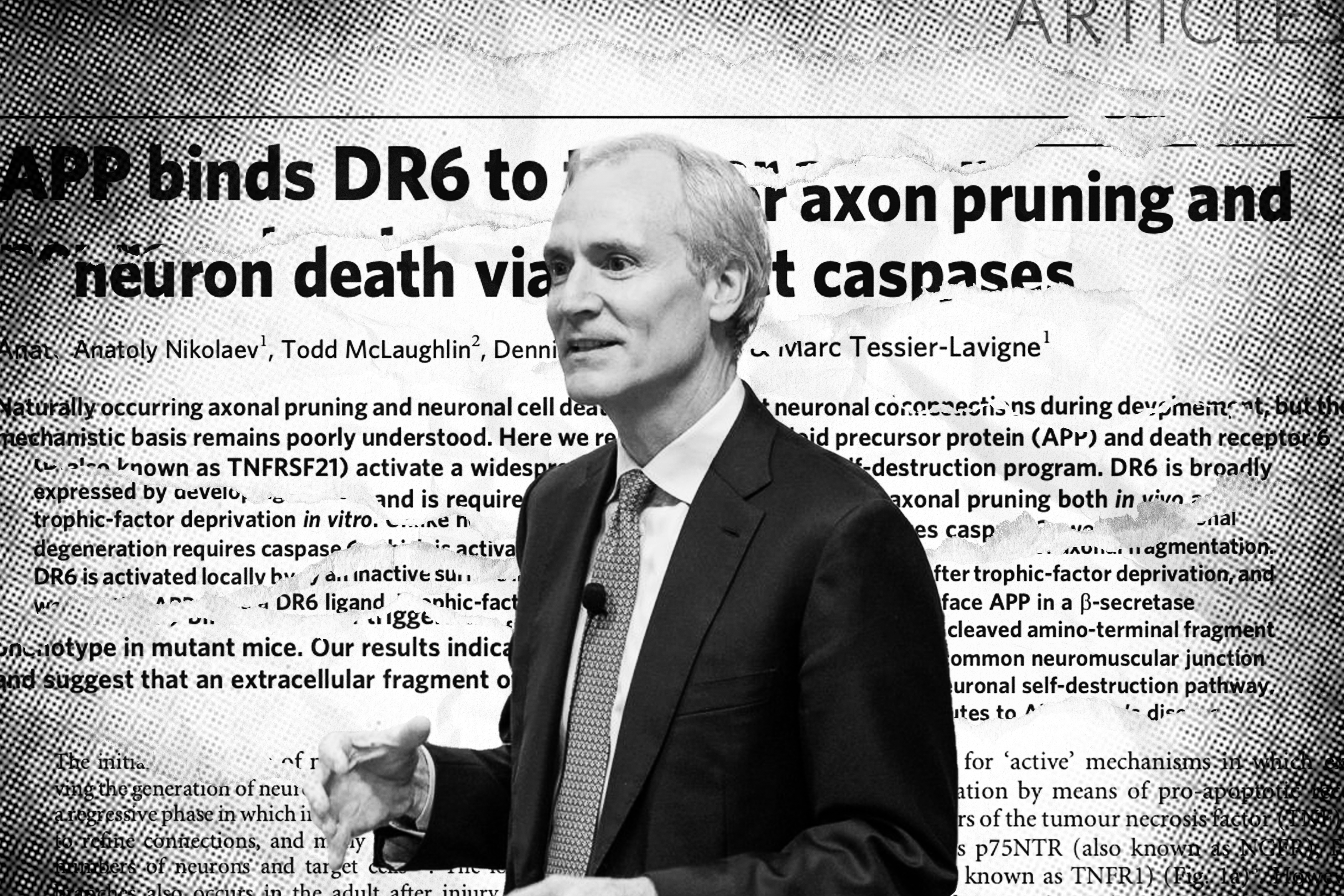
Marc Tessier-Lavigne, a prominent neuroscientist and former Stanford president, has retracted a significant Alzheimer's research paper from Nature after a decade of resistance. The retraction follows the discovery of image anomalies and biostatistical errors, although Tessier-Lavigne denies falsification of data. This is his fourth retraction in recent months, amidst a Stanford-sponsored investigation confirming a pattern of falsified research in labs he oversaw. The paper, once thought to be a breakthrough in Alzheimer's treatment, was also used by Genentech in negotiations to increase the company's valuation during its acquisition by Roche. Concerns about the research's reproducibility and integrity have been ongoing since 2012, with recent developments leading to the retraction.
Researchers are seeking volunteers for clinical trials to test treatments for Alzheimer's disease before symptoms appear. The AHEAD Study is investigating the use of lecanemab, an FDA-approved medication, to prevent cognitive decline in individuals with amyloid plaques. With brain changes occurring up to 20 years before symptoms manifest, this asymptomatic stage presents an opportunity to delay or prevent the onset of Alzheimer's. The Alzheimer's Association also offers TrialMatch, a service connecting individuals to various clinical trials, emphasizing the importance of volunteer participation in advancing treatments, prevention strategies, and finding a cure for the disease.
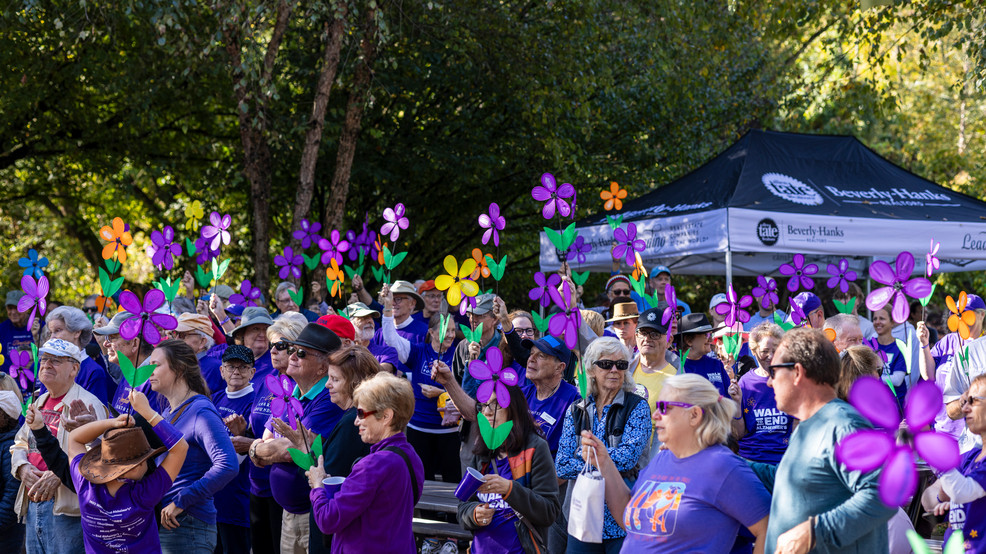
The Western Carolina chapter of the Alzheimer's Association held its annual Walk to End Alzheimer's event, with 350 participants raising $96,000 towards their goal of $105,000 by the end of December. The funds will support care, support, and research programs for Alzheimer's disease.
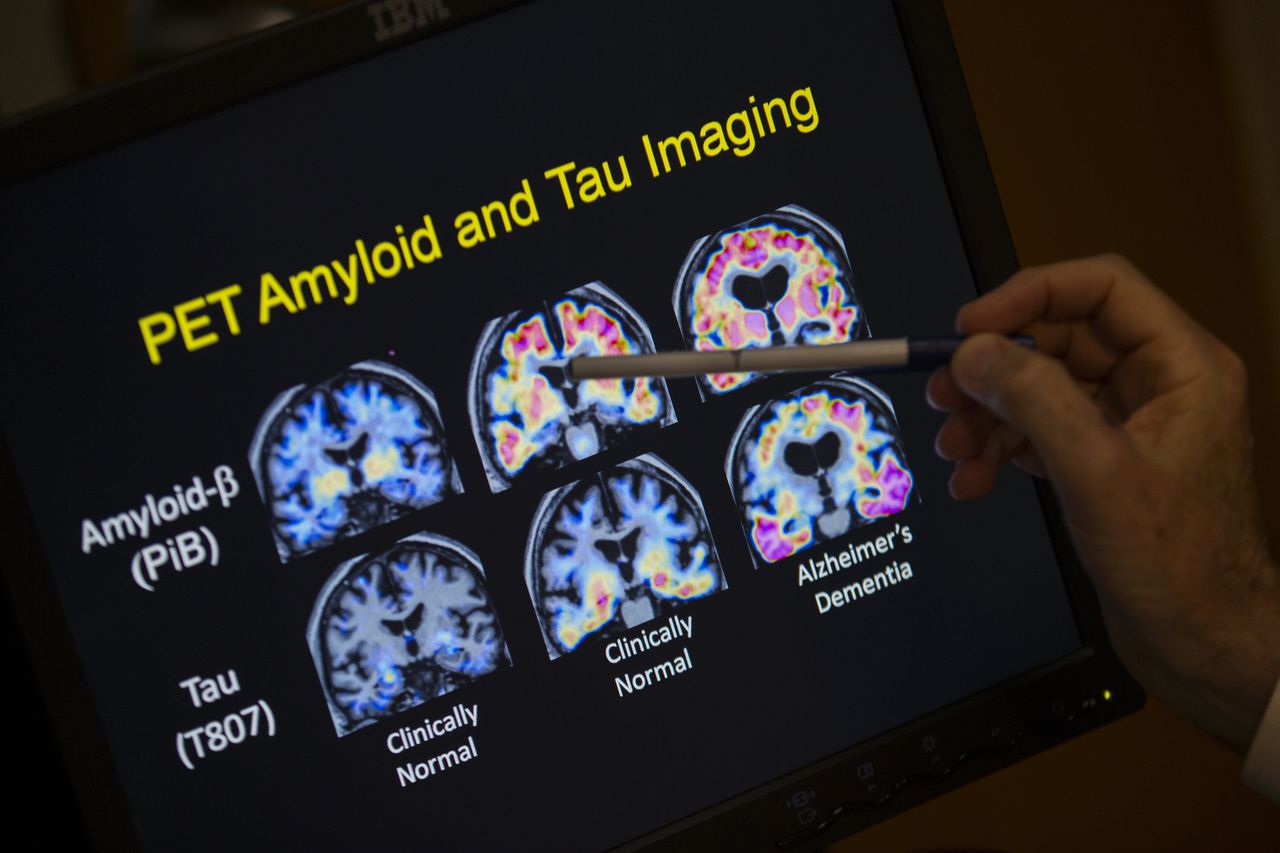
A DeWitt clinic, specializing in Alzheimer's research, is currently seeking recruits for a new national study on the disease. Velocity Clinical Research Syracuse, which was founded six years ago, initially focused on recruiting end-of-life patients for a study aimed at detecting Alzheimer's before symptoms appeared. The clinic's procedure, involving a PET scan, has since been approved by federal regulators.
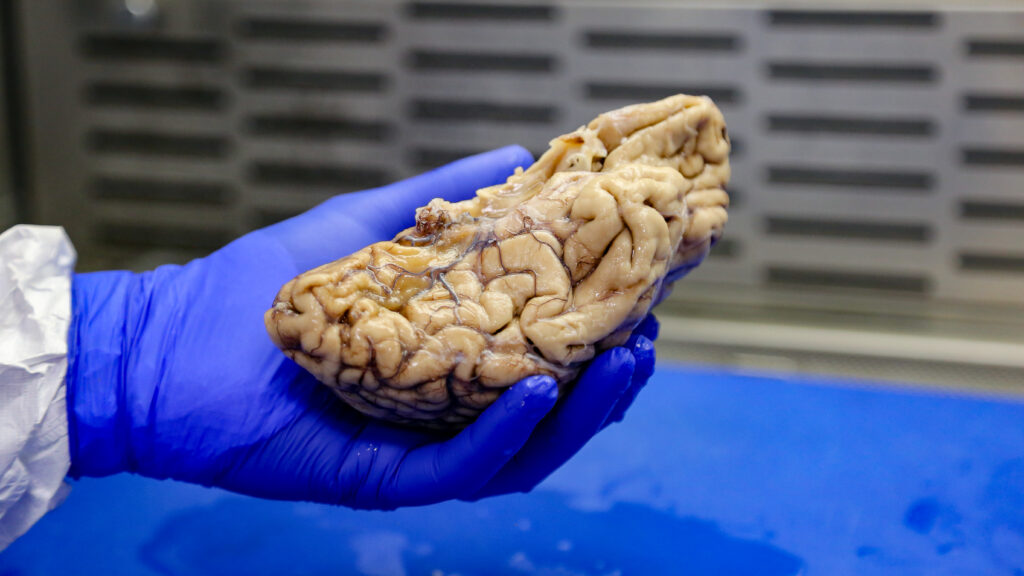
Lisa Barnes, a Black female cognitive neuropsychologist, has been running the Minority Aging Research Study since 2004, one of the largest studies of Alzheimer’s focused exclusively on Black people. Barnes has created a brain bank used by other researchers to understand the illness in this population. Her work has raised critical questions about how the disease differs in Black populations, why cognitive testing relied on to clinically diagnose dementia may fail Black patients, and whether the disease progresses differently in them. Barnes' research has shown that Alzheimer's does not progress the same way for all people and that social factors associated with racial categories, such as wealth, education, discrimination, and access to health care, play a significant role.