
"Human Neuron Model Unlocks Potential Breakthrough in Alzheimer's Treatment"
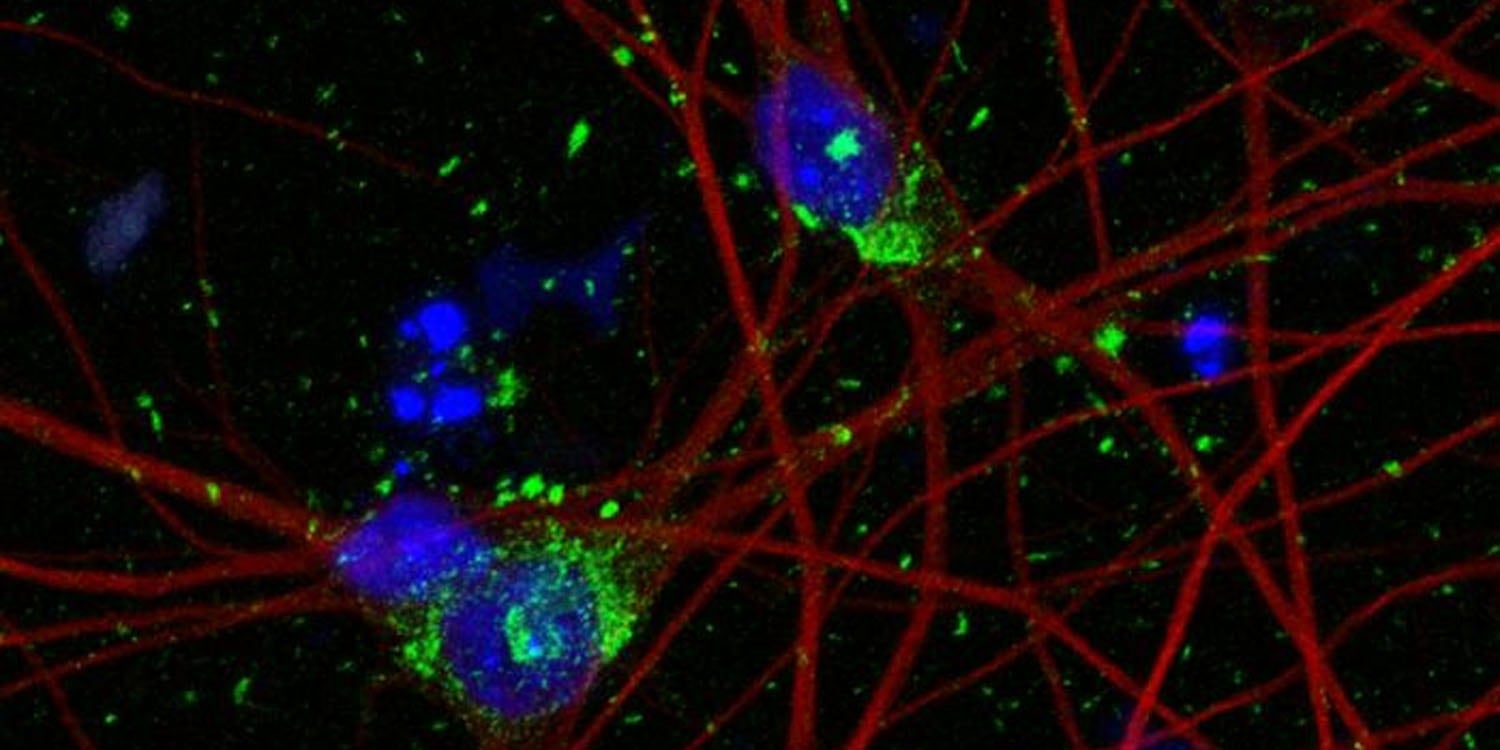
Scientists at Weill Cornell Medicine have developed a human neuron model that simulates the spread of tau protein aggregates in the brain, shedding light on potential drug targets to block this process. Using CRISPR/Cas9 technology, the researchers created a neuron model with diseased forms of tau, allowing them to observe tau spread within weeks. Through CRISPRi screening, they identified 500 genes that impact tau abundance, including the UFMylation cascade, which, when altered, could block tau propagation. This finding was validated in both human neurons and mouse models, offering new directions for the development of treatments for Alzheimer’s disease and related conditions.
- A breakthrough in Alzheimer's research: An innovative neuron model sheds light on tau protein spread PsyPost
- Human neuron model paves the way for new Alzheimer's therapies Medical Xpress
- Alzheimer's Tauopathy Model Uses Human Neurons, Implicates UFMylation Genetic Engineering & Biotechnology News
- New human neuron model sparks hope for Alzheimer's treatment Interesting Engineering
Reading Insights
1
2
4 min
vs 5 min read
88%
842 → 101 words
Want the full story? Read the original article
Read on PsyPost