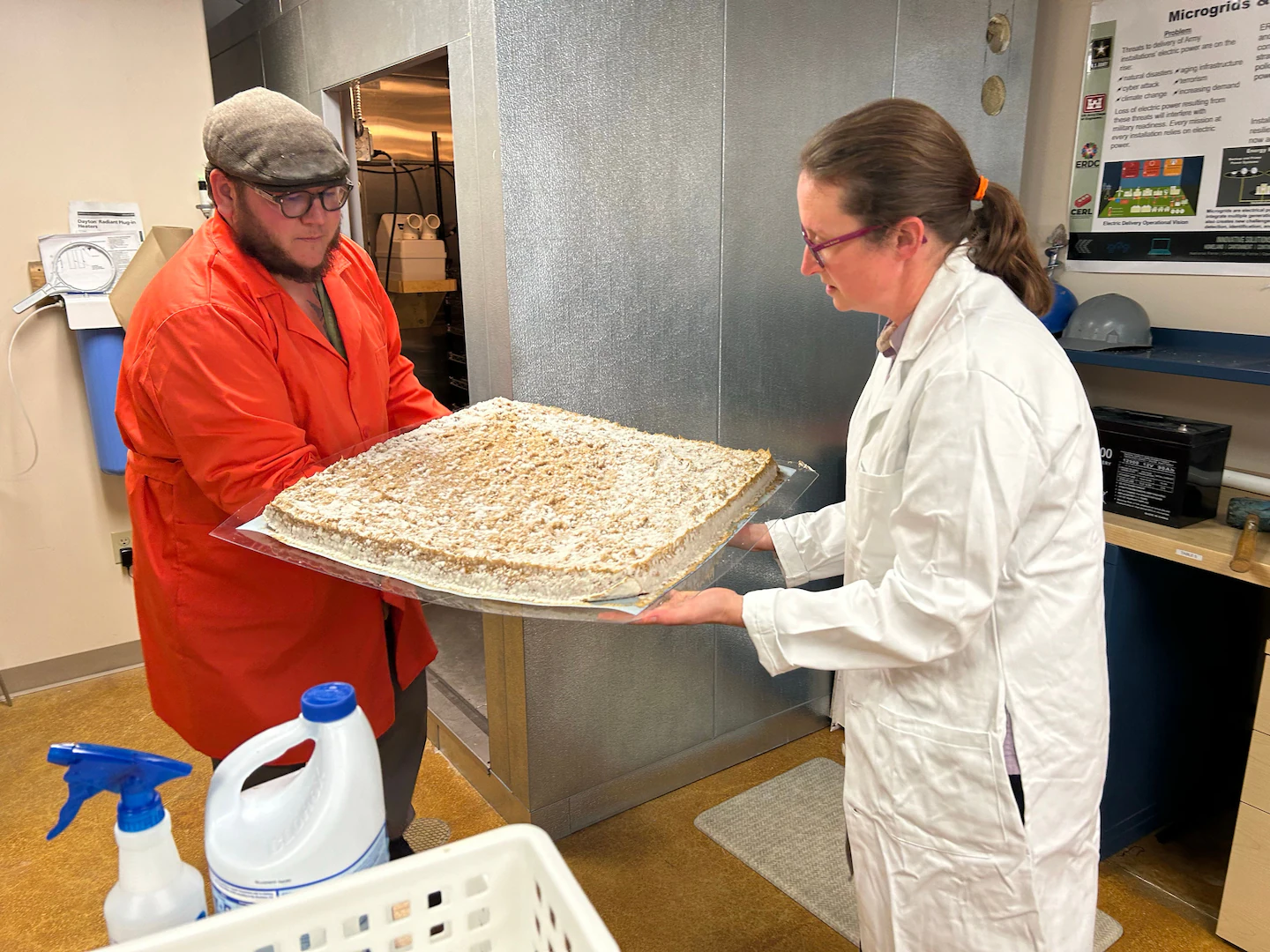
Scientists in Alaska are developing a new insulation material made from mycelium, the fungal network beneath mushrooms, to provide a sustainable, biodegradable alternative to plastic foam for housing in extreme climates, addressing environmental concerns and housing needs in the face of climate change.
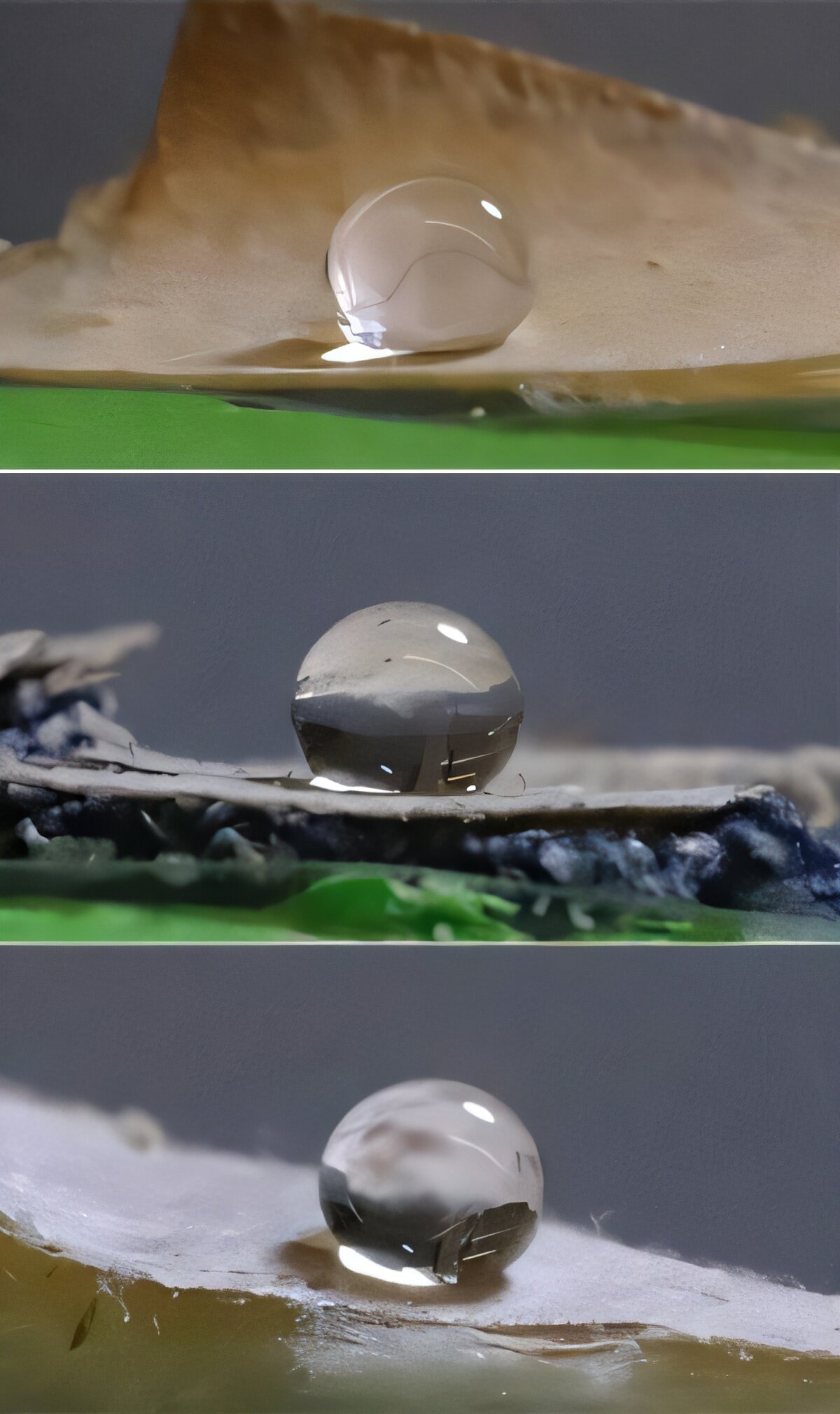
Researchers have developed a natural, edible fungal coating using Trametes versicolor that can make paper, fabric, and wood water-, oil-, and grease-resistant, offering a sustainable alternative to plastic coatings and reducing environmental waste.
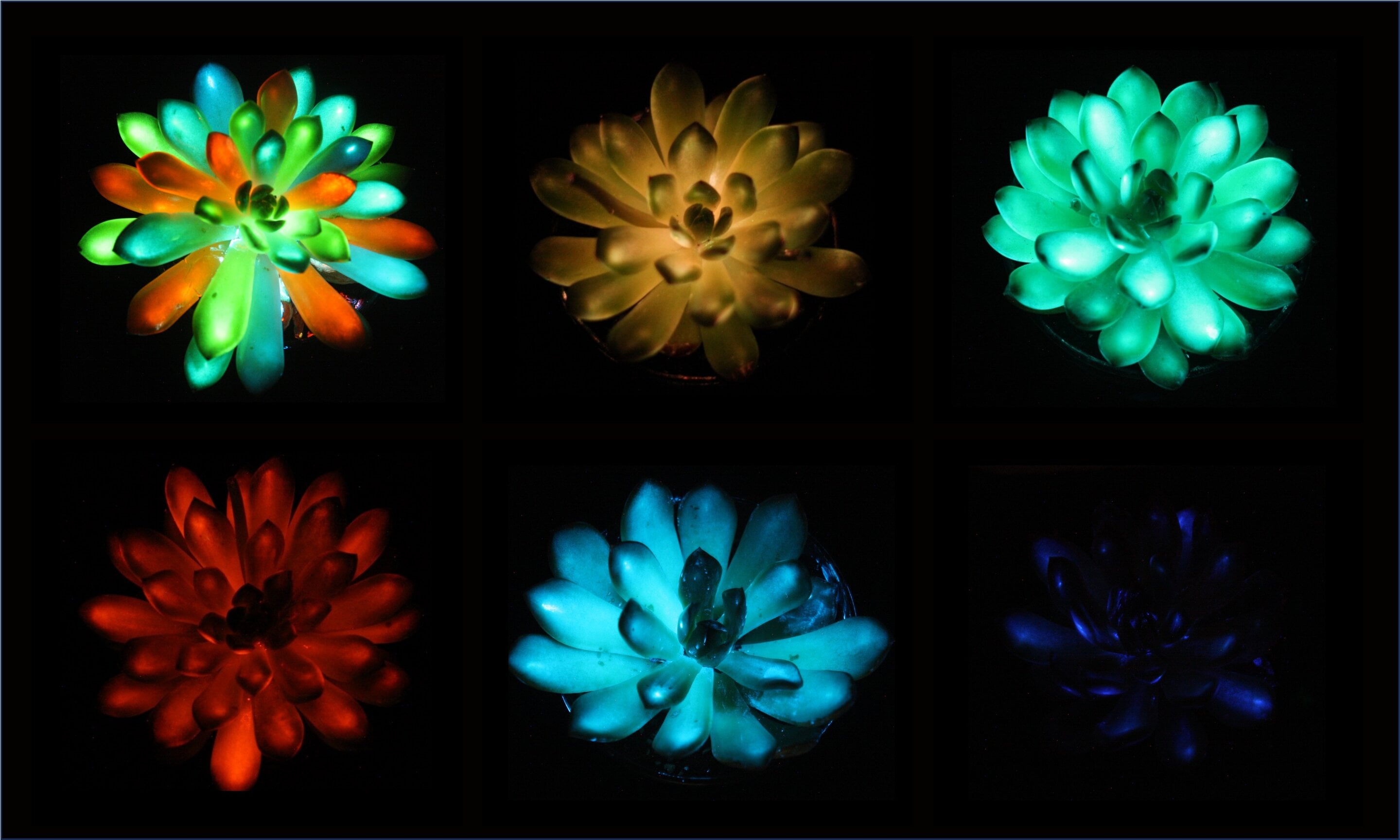
Scientists have developed glow-in-the-dark succulents infused with phosphor particles that recharge with sunlight, emitting various colors and potentially serving as sustainable, plant-based lighting systems for indoor and outdoor use.
TikToker Jamie Duff transformed an old van into a stylish, off-grid tiny home with features like wood paneling, a small kitchen, a hidden toilet, and a roof deck, showcasing the benefits of minimalist and eco-friendly living. He learned the conversion skills online and powered the van with solar energy, highlighting the sustainability and simplicity of tiny home lifestyles.
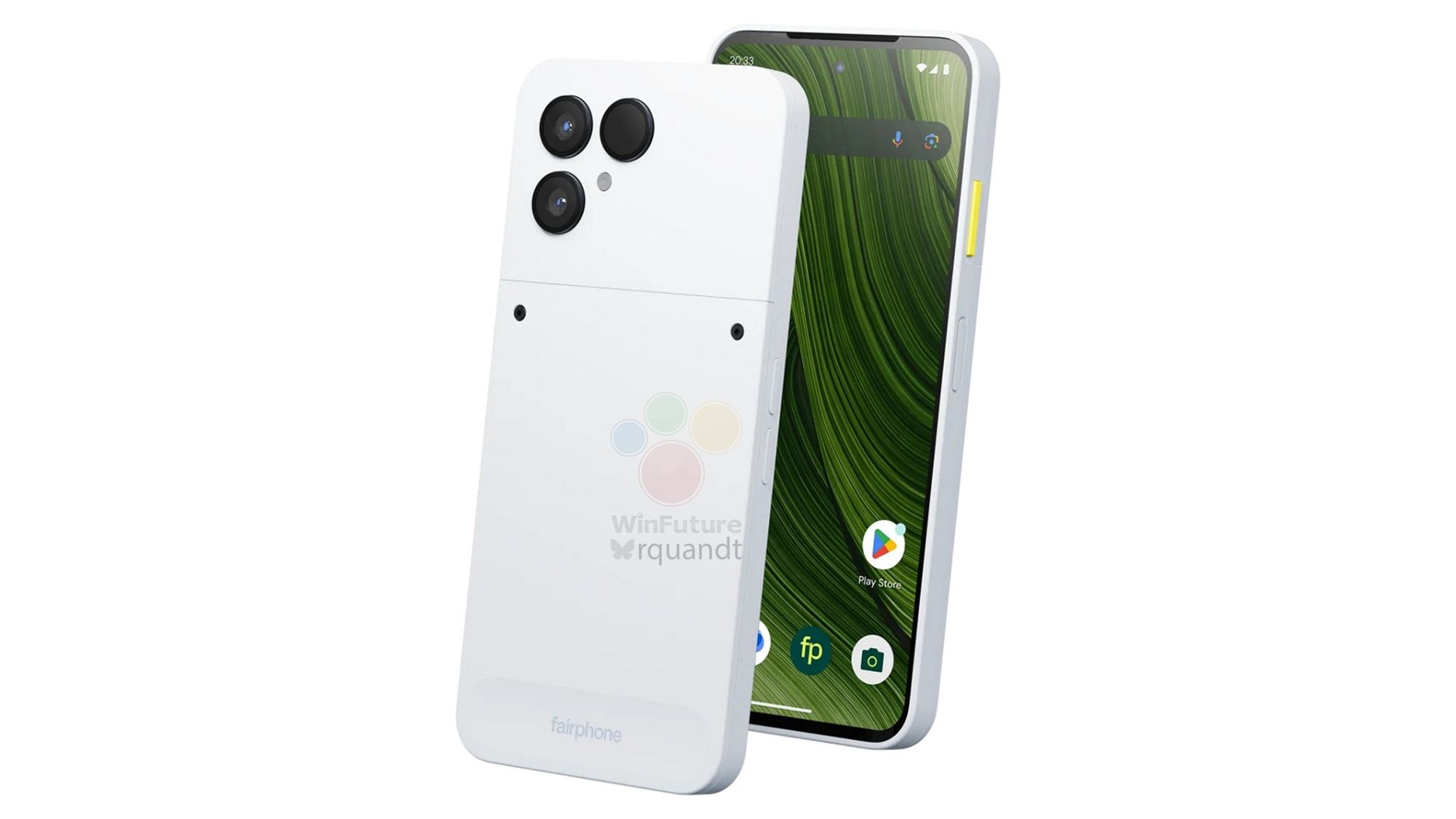
The Fairphone 6, set to launch on June 25th at €549, features a new sustainable, modular design with flat edges, a neon-themed power button, and a removable back cover for easy component replacement. It is expected to have a 6.31-inch OLED display, Snapdragon 7s Gen 3, 8GB RAM, 256GB storage, and a 4415mAh battery, emphasizing repairability and durability according to EU standards.
Researchers in Japan have developed a cost-effective manganese oxide catalyst with a unique 3D structure that significantly increases hydrogen production efficiency and durability in water electrolysis, potentially replacing expensive rare metals like iridium in PEM electrolysers and advancing sustainable hydrogen energy.
Researchers at the University of Limerick have developed a method to grow organic crystals for energy-harvesting using piezoelectricity from amino acids. This eco-friendly approach could replace lead-based materials in electronics, reducing environmental impact. The technique involves shaping crystals with silicon molds, potentially powering devices through everyday forces. This innovation, published in Physical Review Letters, offers a sustainable alternative to traditional piezoelectric materials, with significant implications for consumer electronics and medical devices.
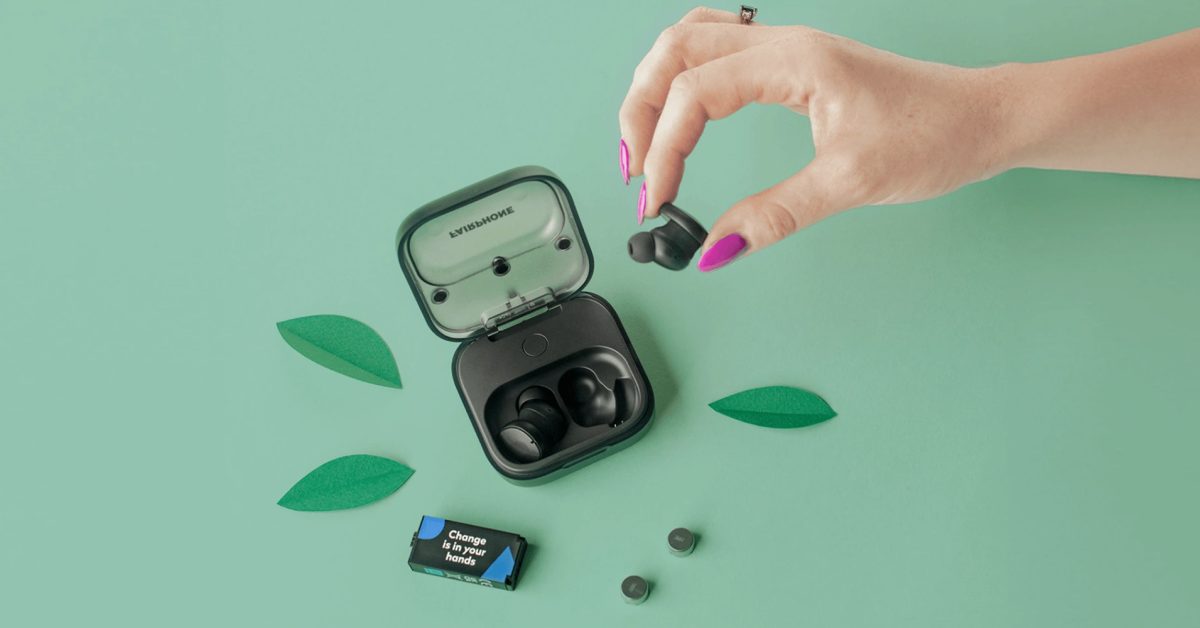
Fairphone has launched the Fairbuds earbuds, featuring user-replaceable batteries and repairable parts, continuing its commitment to sustainability and ethical tech. Priced at €149, the Fairbuds offer ANC, IP54 water and dust resistance, a 26-hour total battery life, and a dedicated 8-band equalizer. The earbuds are designed with a focus on repairability, with several parts being replaceable, and come with a standard two-year warranty extendable to three years upon online registration.
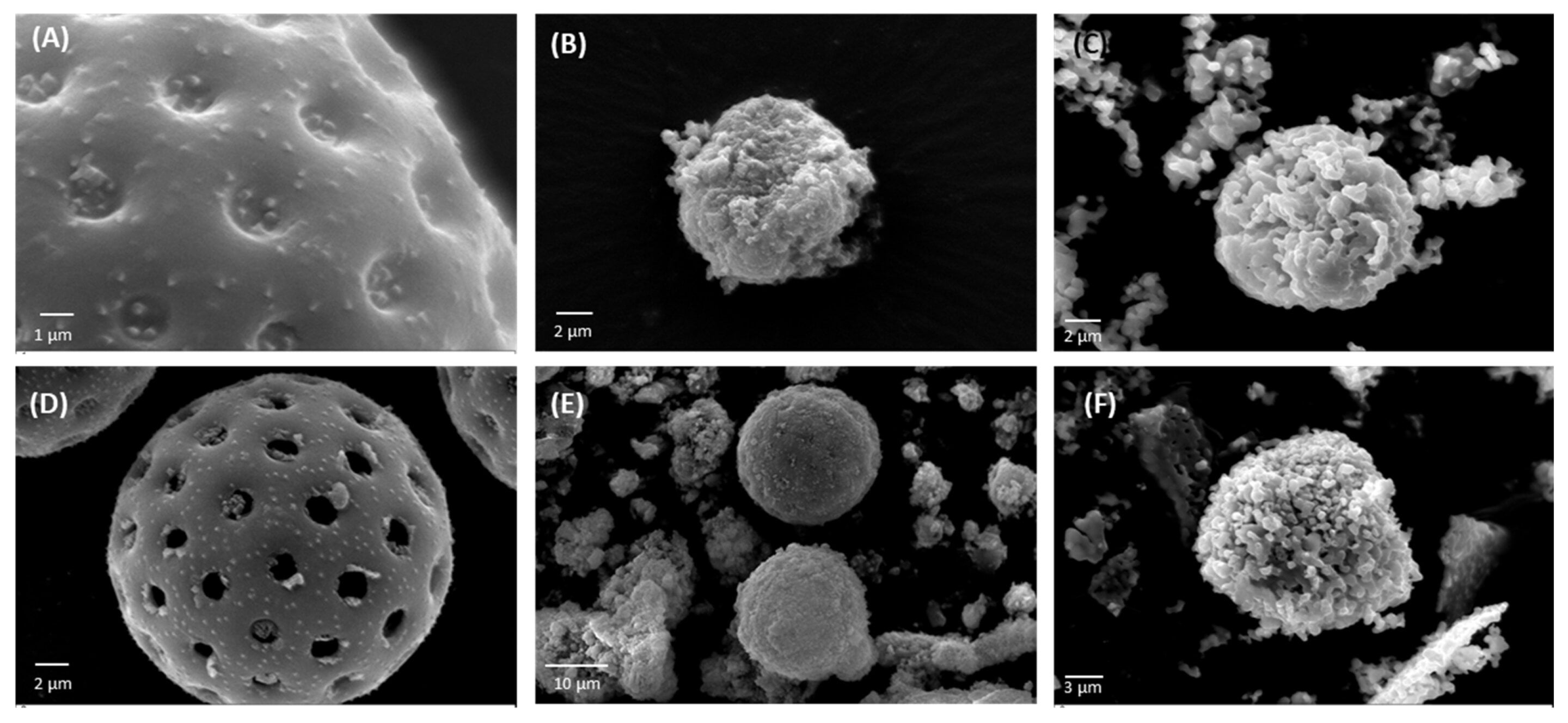
A study has demonstrated the potential of using pollen grains as green templates for producing biomaterials, particularly hydroxyapatite (HAp) and β-tricalcium phosphate (TCP), which are used for bone repair. The study explored the feasibility of using pollen grains as bio-templates for growing calcium phosphate minerals in the lab, resulting in well-defined spherical hollow capsules derived from pollen. These hollow structures have potential in drug delivery and bone regeneration applications, and further experiments are needed to explore their use in enhancing bone integration and regeneration around implants.
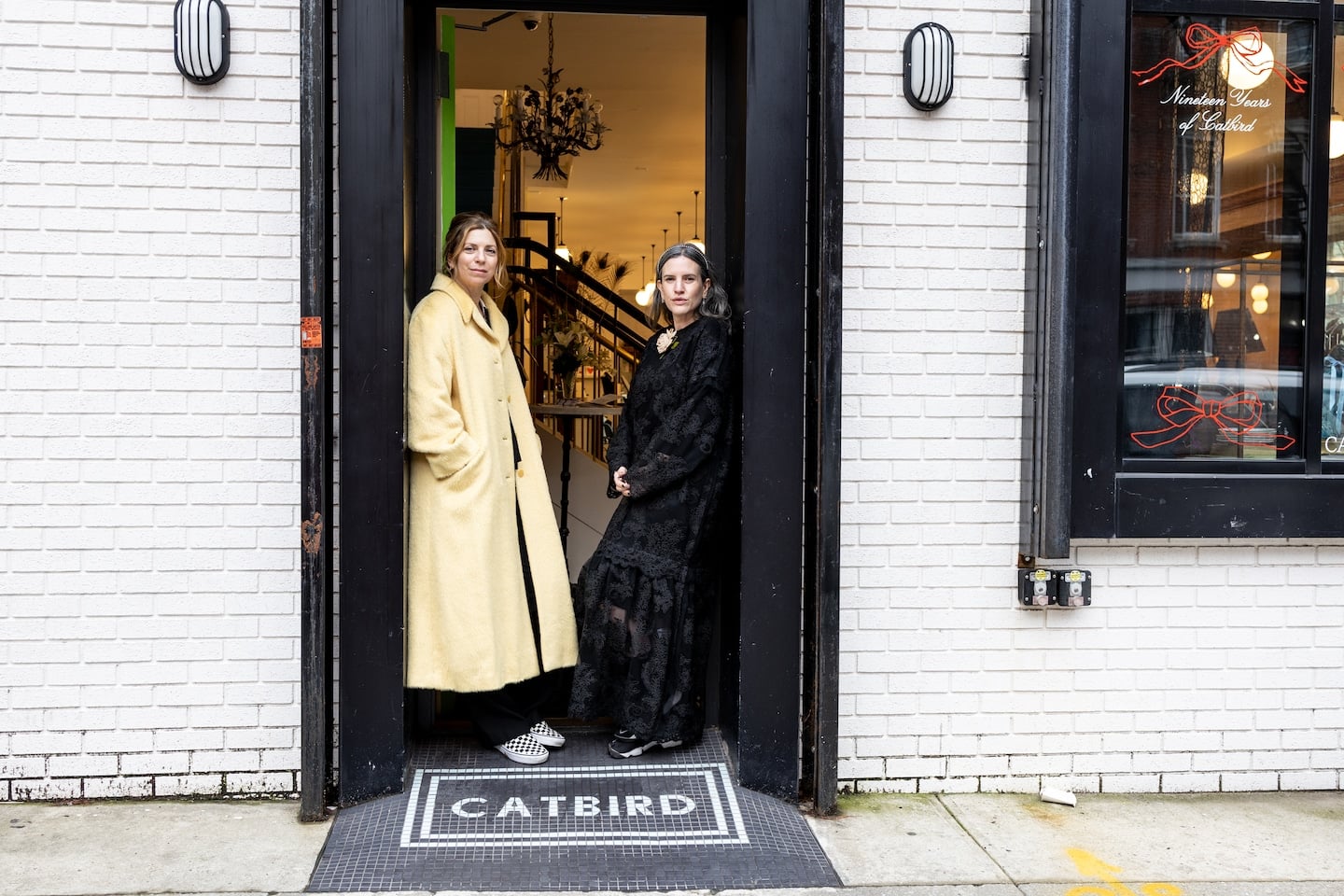
Catbird, the jewelry brand known for its delicate and affordable pieces, is celebrating its 20th anniversary and expanding to Washington, D.C. The brand's signature "zapping" process involves affixing jewelry onto customers' wrists, symbolizing permanence and nostalgia. Catbird's growth from a small Brooklyn store to multiple locations reflects its appeal to a wide customer base, including college students and environmentally conscious shoppers. The brand's focus on sustainability, ethical practices, and timeless, intimate jewelry has contributed to its enduring success in the ever-changing fashion industry.
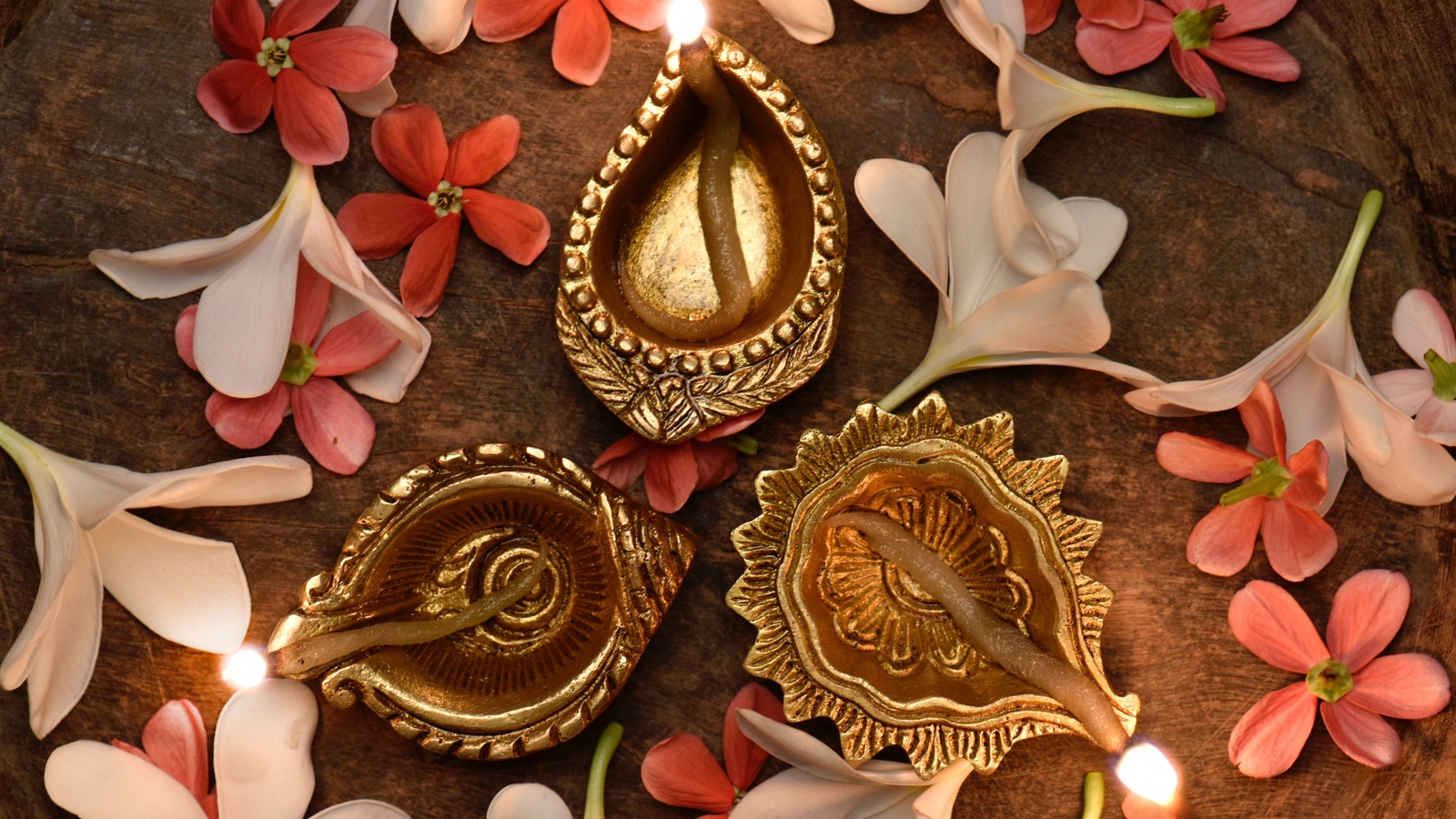
With Diwali approaching, here are five tips to celebrate the Festival of Lights in a safe and eco-friendly manner. Create organic rangolis using natural substances, avoid burning crackers or opt for eco-friendly alternatives, incorporate eco-friendly gifts, use earthen diyas instead of plastic ones, and reduce waste by opting for reusable plates and recycling.
Losing 10 pounds in a month is not realistic or safe for the average person, as it can increase the risk of gallstone formation and rebound weight gain. Experts recommend a holistic approach to weight loss, including optimal nutrition, regular exercise, stress reduction, and adequate sleep. Aim for a safe and sustainable weight loss of 1-2 pounds per week, focusing on diverse plant-based meals, avoiding processed foods, and incorporating activities like daily walks, strength training, and HIIT workouts. Other tips include protecting your sleep schedule, increasing fiber intake, practicing portion control, and setting realistic long-term goals. Consult a doctor or registered dietitian for personalized advice and consider seeking professional help if you have underlying health conditions or have not seen results after three months of trying.
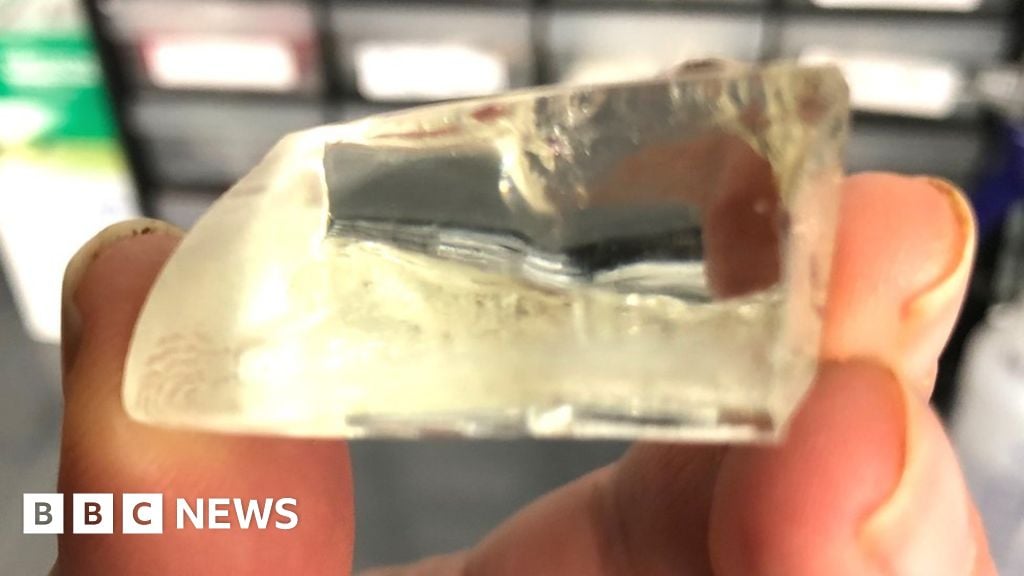
Researchers at Pennsylvania State University have developed a new type of glass called LionGlass, which is claimed to be ten times stronger than standard glass. Unlike traditional glass, LionGlass does not require soda ash or limestone in its production, reducing its carbon footprint. However, due to its lower thermal tolerance, it cannot be used for smartphone or tablet screens. LionGlass could have various applications, such as glass tableware and windows in buildings, and its strength could allow for thinner window panes, reducing CO2 emissions. While glass manufacturers like Corning continue to innovate in the field, the dream of unbreakable glass remains elusive.
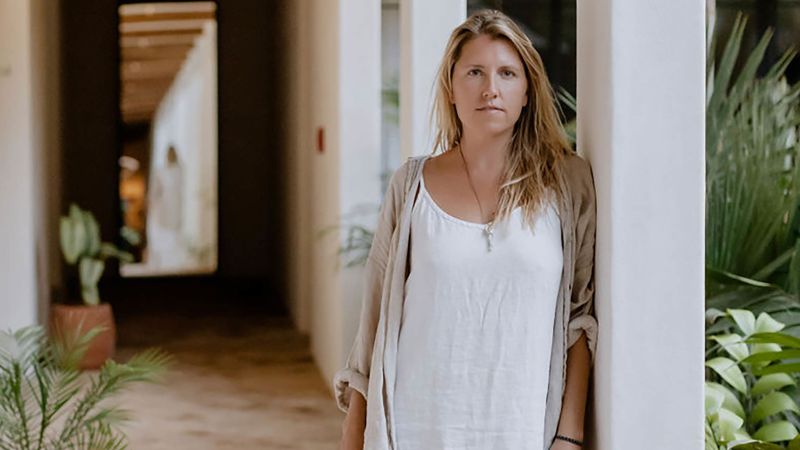
Stefanie Tannenbaum, an American woman who got stranded in Costa Rica during the Covid-19 pandemic, decided to stay and co-founded a sustainable boutique hotel called Sendero. The hotel aims to provide guests with a sense of belonging and features a surf school, yoga studio, and art gallery run by locals. Tannenbaum and her business partner used their life savings to purchase the property and create the hotel, which took around 14 months to complete. The hotel is designed with sustainability in mind, using locally sourced materials and incorporating solar panels and water recycling. Tannenbaum is grateful for the community that embraced her and her family and is excited about the future.
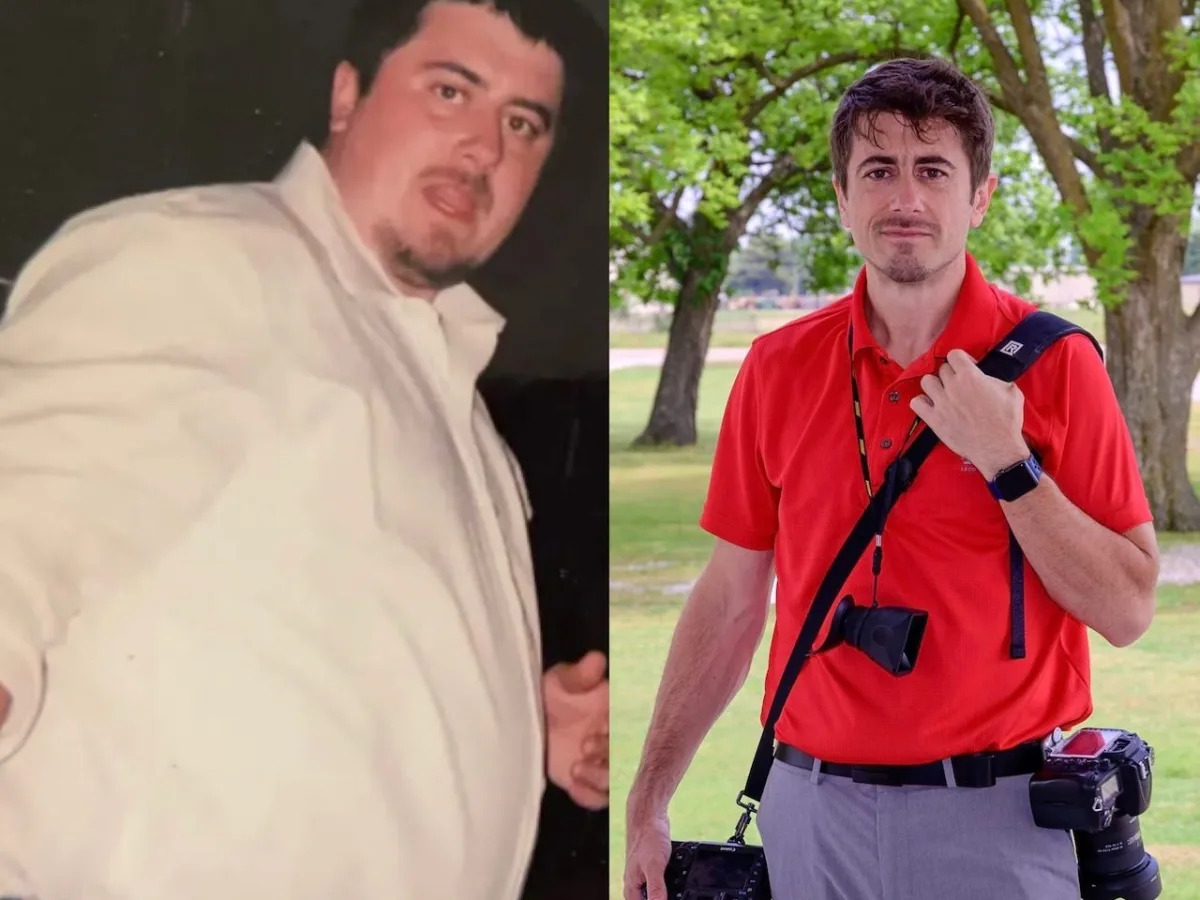
Chris Terrell, who had spent decades trying fad diets and cutting out carbs, finally lost 125 pounds and kept it off by taking a different approach. Instead of trying to lose weight quickly, he focused on slow and sustainable weight loss. He stopped demonizing certain foods and ate everything in moderation. Terrell also changed his mindset, eating only when hungry and stepping on the scale once a month. He gradually built up his fitness through swimming, weightlifting, calisthenics, and running. The death of his father prompted him to make a change and view time differently. Terrell's small changes, addressing the root cause of his weight gain, and reducing stressors in his life contributed to his successful weight loss journey. He now shares his experience as a weight loss coach and on social media.