The article discusses the potential creation of mirror life, which involves synthetic biomolecules with opposite chirality to natural life, highlighting both the scientific possibilities and the significant risks, including ecological collapse and resistance to immune responses, while emphasizing the need for ongoing research and ethical debate.

Researchers at the University of Limerick have developed a method to grow organic crystals for energy-harvesting using piezoelectricity from amino acids. This eco-friendly approach could replace lead-based materials in electronics, reducing environmental impact. The technique involves shaping crystals with silicon molds, potentially powering devices through everyday forces. This innovation, published in Physical Review Letters, offers a sustainable alternative to traditional piezoelectric materials, with significant implications for consumer electronics and medical devices.
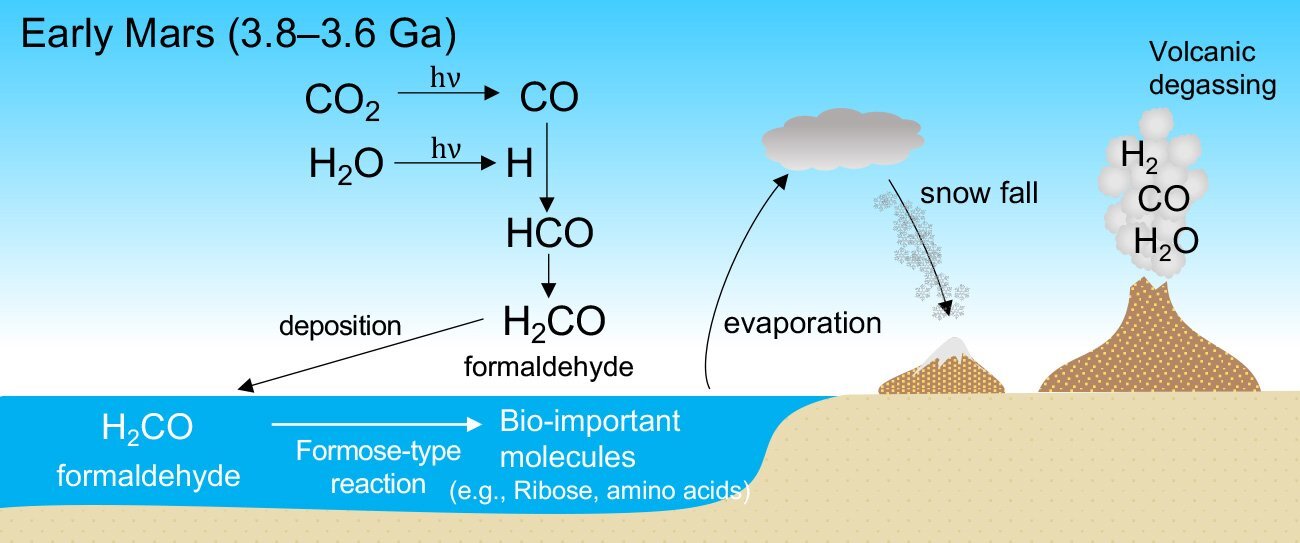
New research suggests that organic materials discovered on Mars may have originated from atmospheric formaldehyde, offering insights into the possibility of past life on the red planet. Scientists from Tohoku University simulated the early Martian atmosphere and found that it could have provided a continuous supply of formaldehyde, potentially leading to the creation of various organic compounds. This study broadens our understanding of Mars' ancient capacity to sustain life and paves the way for further analysis of organic materials present early in the planet's history.
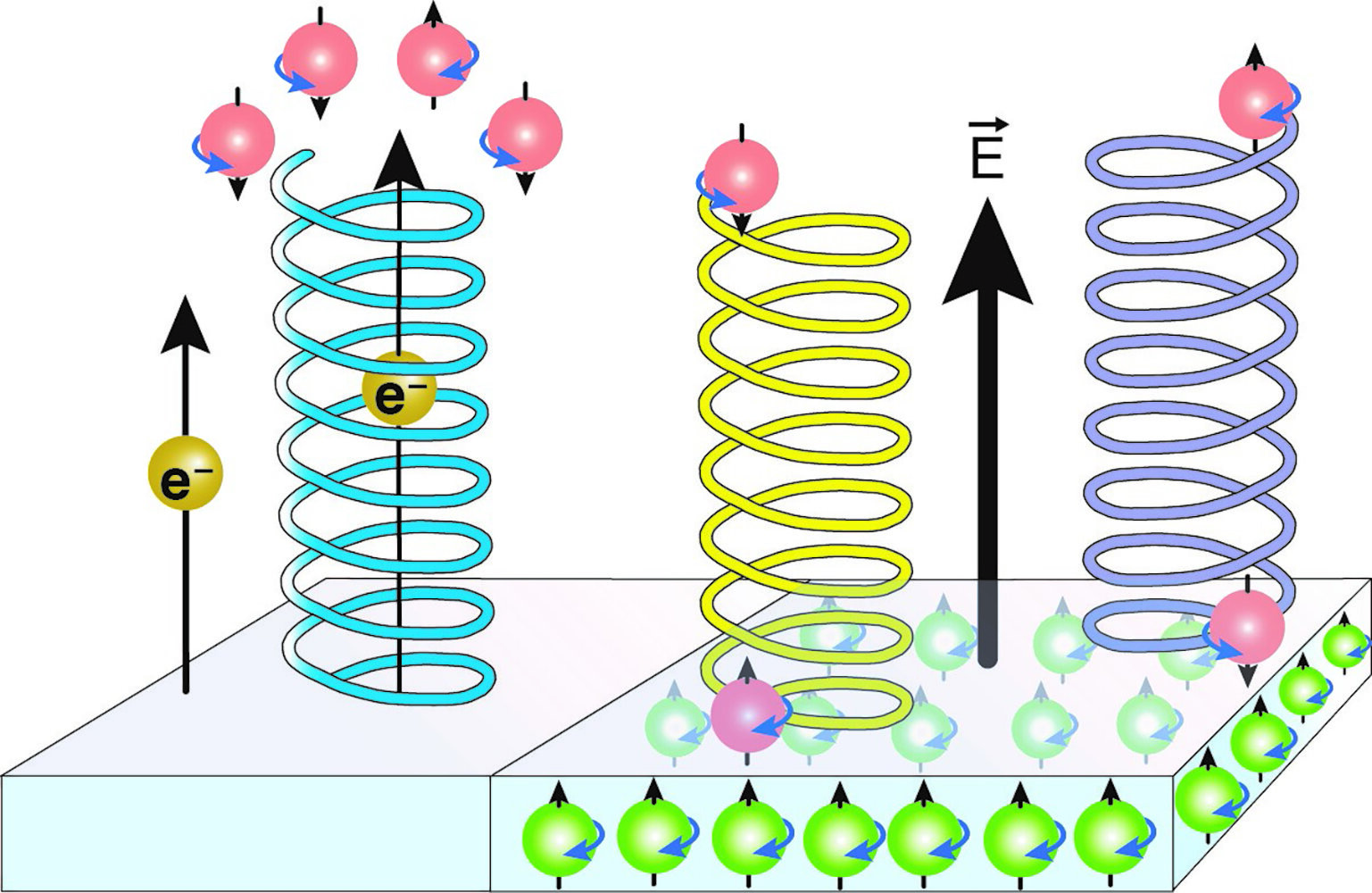
Researchers have found evidence suggesting that the interplay between electric and magnetic fields could be responsible for the preference of one mirror-image form of biomolecules over the other in living organisms. Experiments with chiral molecules on magnetic surfaces revealed that the direction of the magnetic field influenced the preference for a specific form of the molecules. This discovery could have implications for understanding the origin of life and the accumulation of biomolecules, shedding light on the longstanding mystery of molecular chirality.
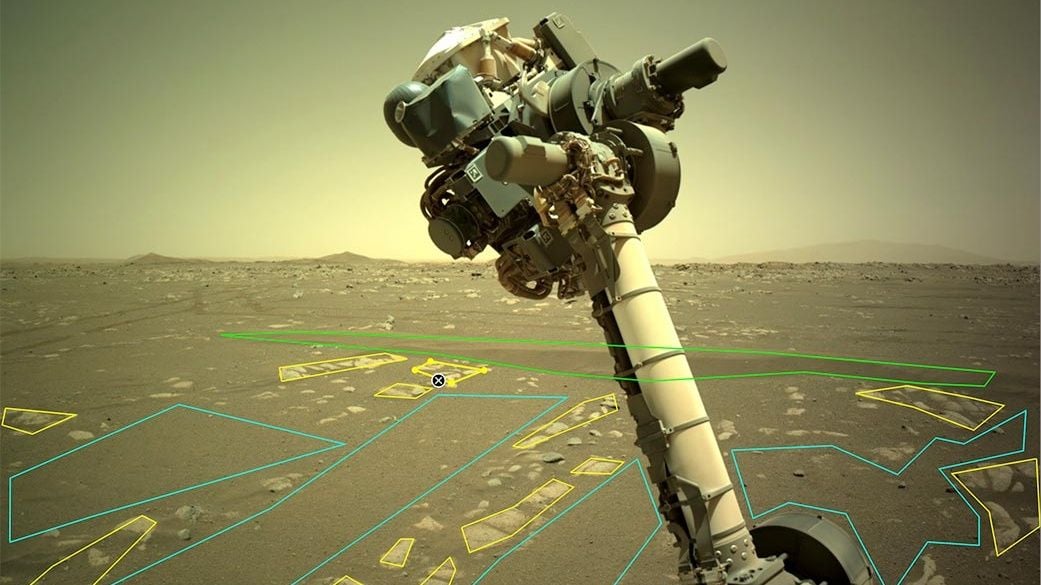
Scientists have developed an AI algorithm capable of detecting subtle differences in molecular patterns that indicate biological signals, even in samples hundreds of millions of years old, with 90% accuracy. The AI system could be embedded in sensors on robotic space explorers to detect signs of life on other planets, such as Mars and moons like Enceladus and Europa. The algorithm was trained using biotic and abiotic samples, successfully identifying both living and non-living substances. This method could be used to study ancient rocks on Earth and potentially confirm the presence of early life.
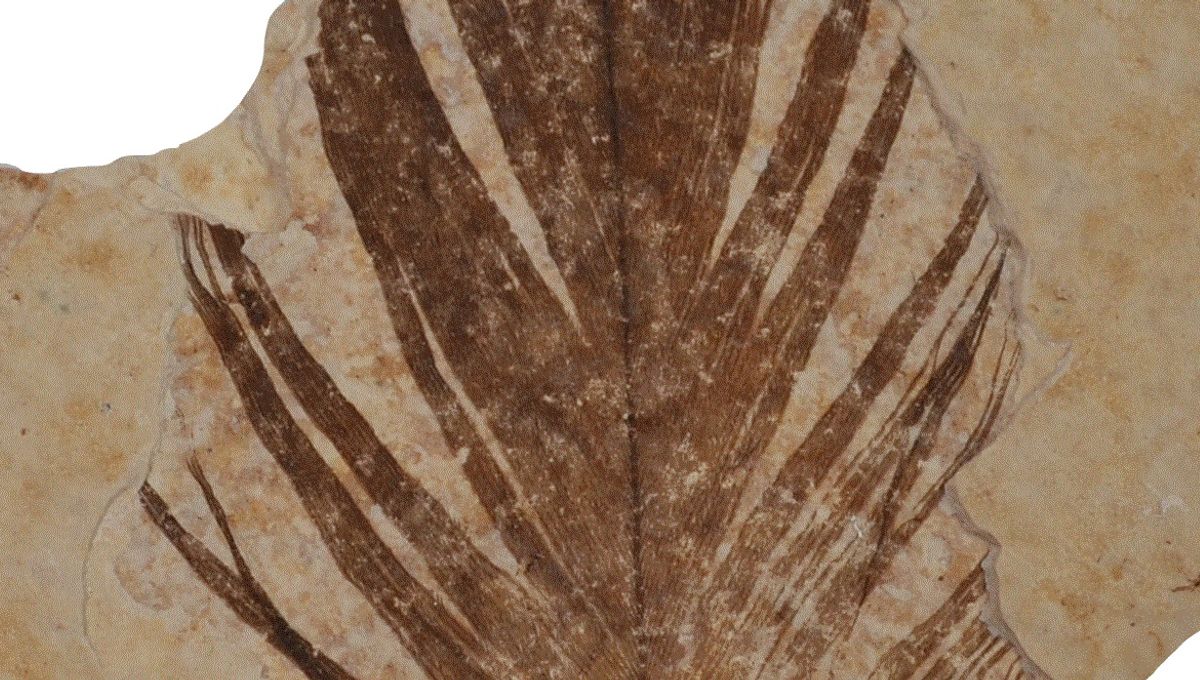
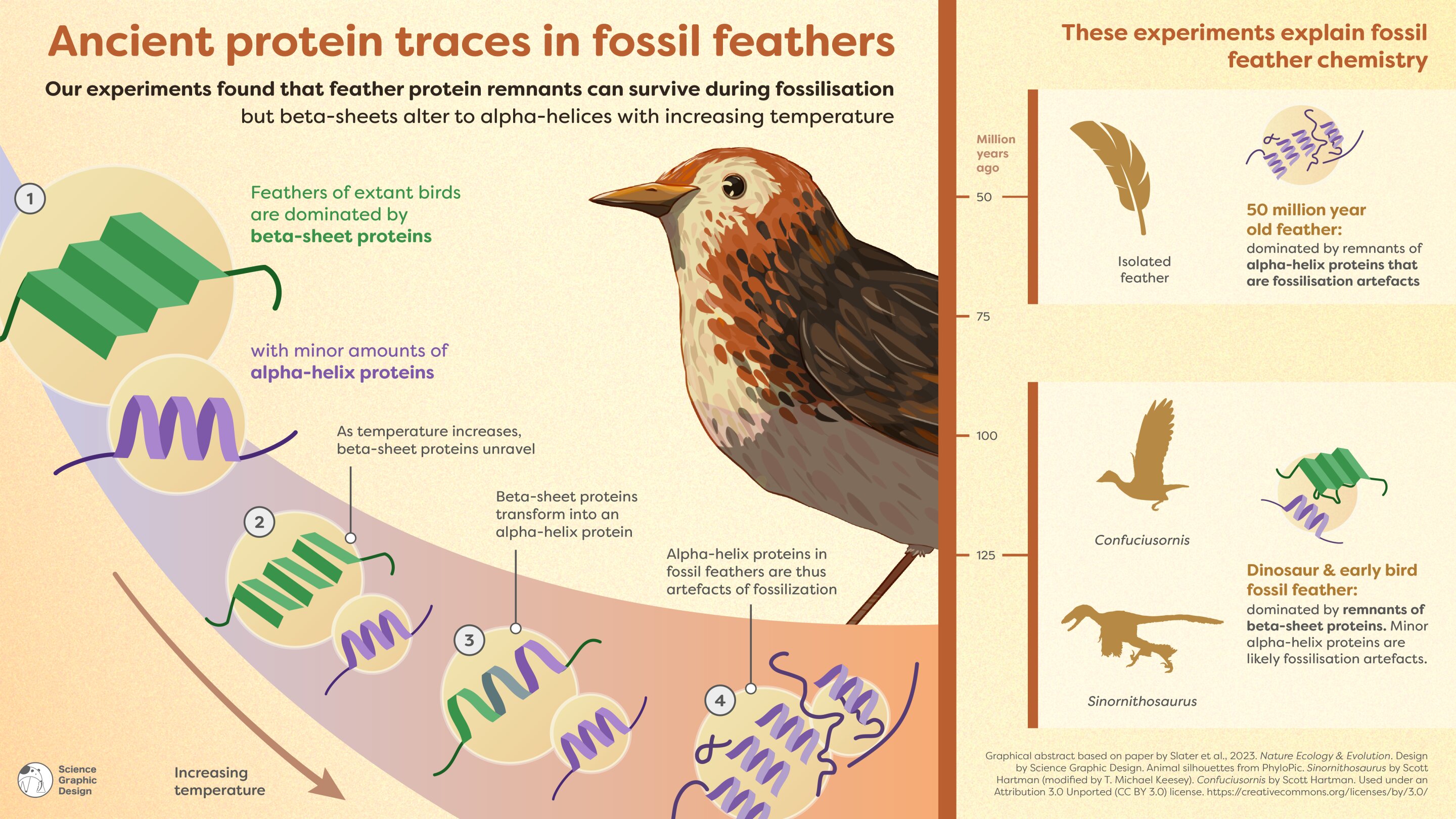
A study conducted by scientists from University College Cork, Linyi University, and the Stanford Synchrotron Radiation Light Source has revealed that the protein composition of dinosaur feathers is similar to that of modern birds, suggesting that the modern feather may have evolved much earlier than previously thought. By analyzing 125-million-year-old fossil feathers, the researchers found traces of beta-keratin, indicating that alpha-keratin was likely formed through degradation during the fossilization process. The study also highlights the need for a more holistic analysis of ancient fossils and their biomolecules, as well as the development of new tools to understand the chemical secrets of fossils.
Paleontologists at University College Cork have discovered X-ray evidence of proteins in fossil feathers, revealing that the protein composition of modern-day feathers was also present in the feathers of dinosaurs and early birds. The research confirms that the chemistry of feathers originated much earlier than previously thought and helps answer questions about the preservation of ancient biomolecules. The study provides new insights into feather evolution and the fossilization process.
Scientists have discovered that a solid formed from ammonia and methane plasma can use sunlight to catalyze amine-to-imine conversions, a process crucial in the formation of early biomolecules. This finding suggests that the primordial atmosphere itself may have provided the necessary catalysts for these reactions, supporting the evolution of early RNA molecules. The study demonstrates the potential of carbon nitride-based photocatalysts and sheds light on the possible evolutionary path of biomolecules on early Earth.
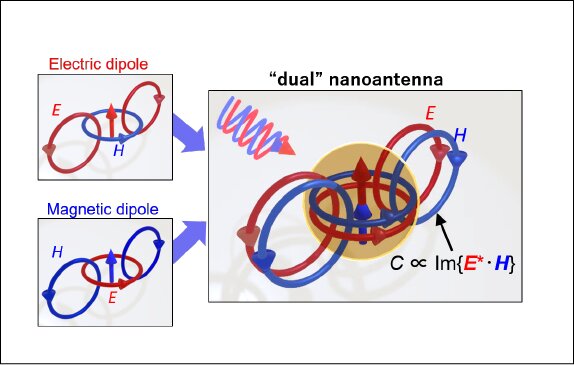
Researchers from Kobe University have developed a nano-antenna that utilizes dielectric nanoparticles to create a near field of circularly polarized light. This technique enhances the circularly polarized light-selective response of chiral molecules, which has applications in chirality analysis and asymmetric photochemical reactions for biomolecules, chemical substances, and pharmaceuticals. The nano-antenna preserves the helicity of incident circularly polarized light, resulting in improved circular dichroism and increased efficiency in light-molecule interactions. The developed nanoparticle solution also has potential for controlling light polarization.
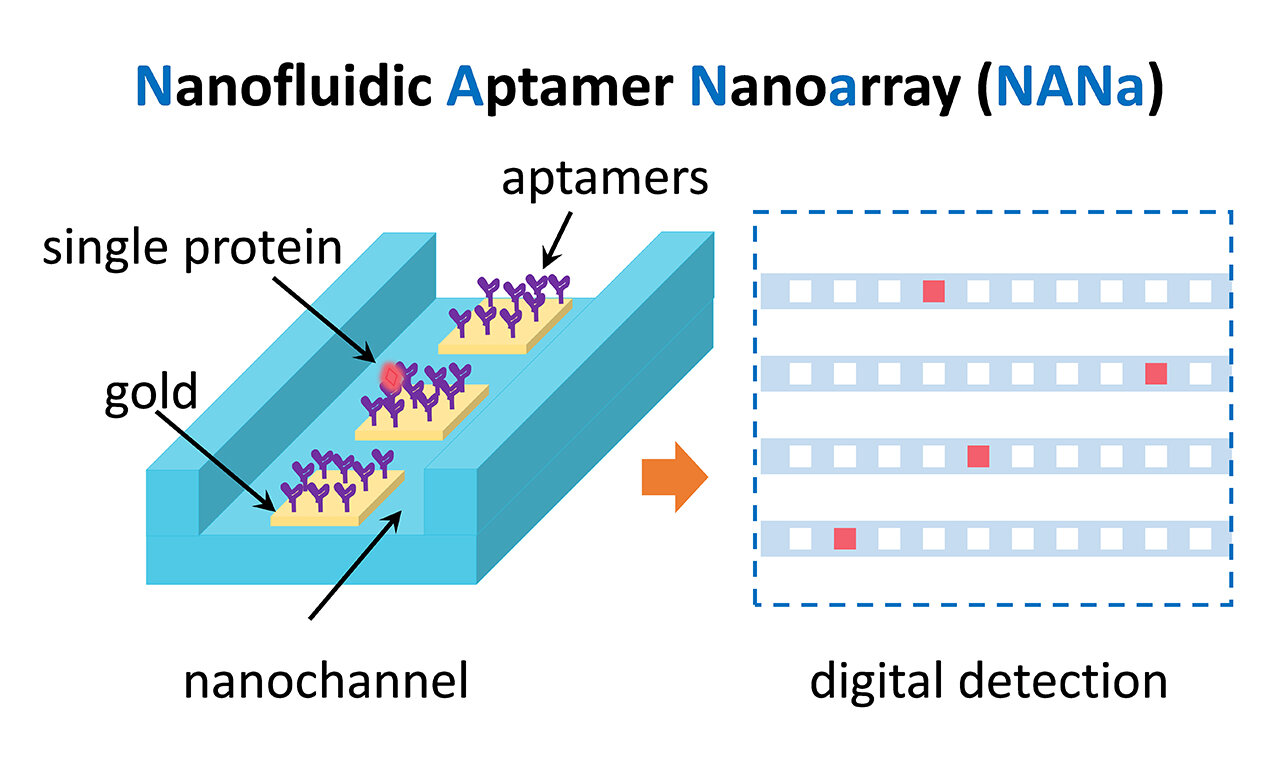
Researchers at Osaka Metropolitan University have developed a nanofluidic device called Nanofluidic Aptamer Nanoarray (NANa) that can capture and detect single proteins stochastically and digitally at their naturally high concentrations. NANa could potentially lay the foundation for the future of personalized disease prevention and treatment by accurately measuring biomolecules within single cells. The device uses synthetic antibodies known as aptamers, which bind to specific molecules, and is designed for the digital assay of individual molecules in a sample with an ultrasmall volume equivalent to that of a single cell.
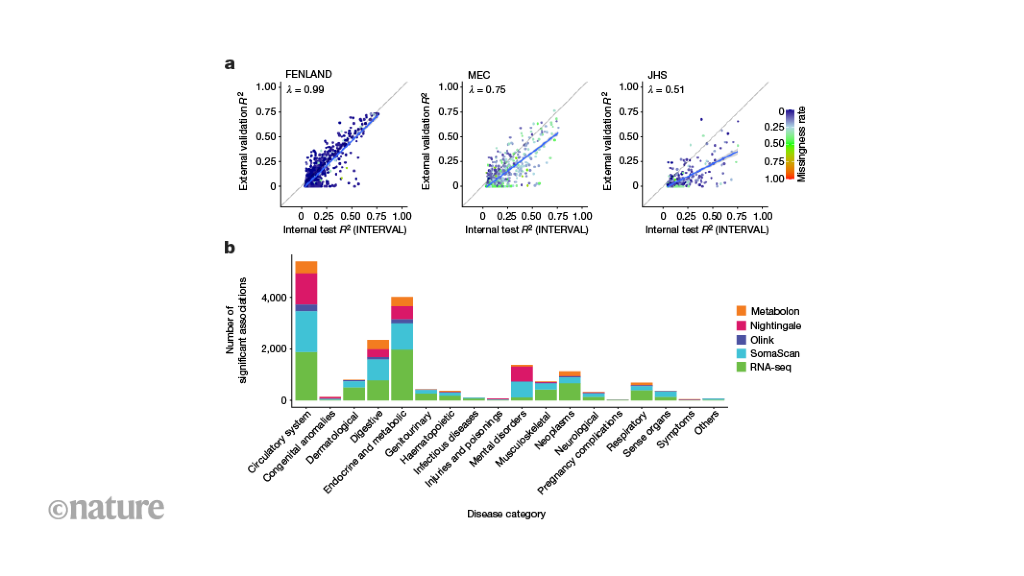
Genetic scores have been developed and validated to predict levels of various biomolecules in people of diverse ancestries, providing insights into disease biology. OmicsPred, an open resource, will enable researchers to predict various molecular traits from genetic profiles in their own data sets.
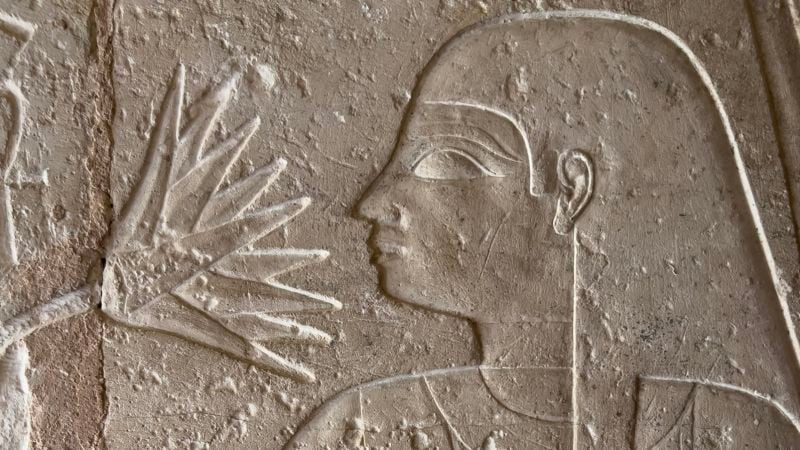
Scientists are using biomolecular approaches to decode ancient scents and reconstruct what the past smelled like. Techniques like chromatography and mass spectrometry are used to study biomolecular residues left on incense burners, perfume bottles, cooking pots, and food storage jars. Researchers are also attempting to recreate ancient perfumes based on recipes recorded in ancient texts and inscriptions on temple walls. Additionally, efforts are being made to preserve currently available smells to give future generations a sense of our time and the more recent past.