Researchers in Japan have developed a cost-effective manganese oxide catalyst with a unique 3D structure that significantly increases hydrogen production efficiency and durability in water electrolysis, potentially replacing expensive rare metals like iridium in PEM electrolysers and advancing sustainable hydrogen energy.
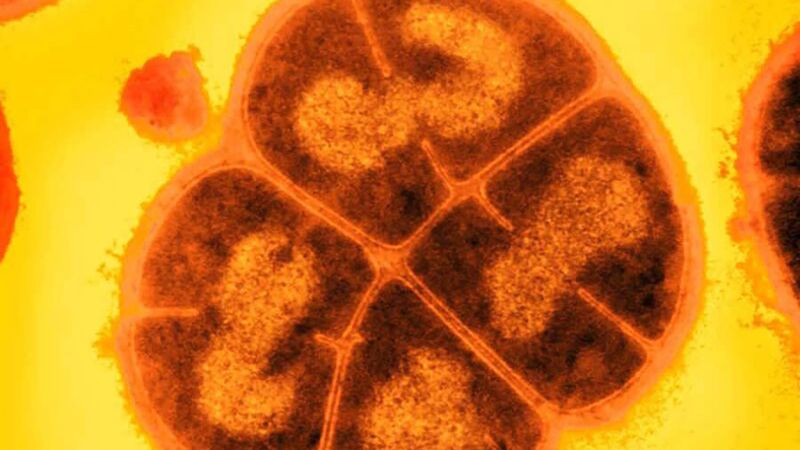
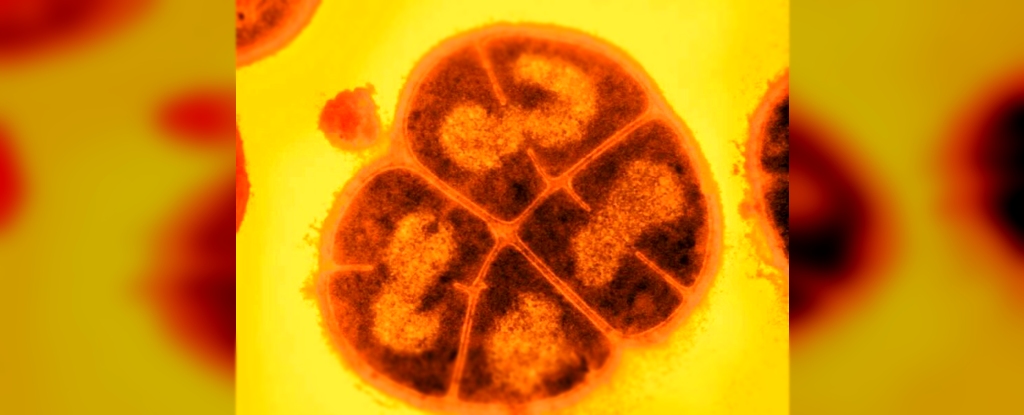
Scientists have discovered that the bacterium Deinococcus radiodurans, known for its extreme radiation resistance, owes its resilience to a powerful antioxidant composed of manganese, phosphate, and a peptide. This discovery could lead to the development of radioprotective measures for astronauts and applications on Earth. The study highlights the potential of using this antioxidant to protect against cosmic radiation during deep-space missions and radiation exposure on Earth.
Researchers have uncovered the secret behind the radiation resistance of the microbe Deinococcus radiodurans, known as 'Conan the Bacterium.' The microbe's resilience is attributed to a potent mix of antioxidants, particularly a manganese-phosphate-peptide complex, which effectively neutralizes harmful oxygen radicals. This discovery could lead to the development of advanced radioprotectants for various applications, including healthcare and space exploration.
The FDA has downgraded the recall of Fiji Natural Artesian Water bottles to a Class III recall, indicating that the product is not likely to cause adverse health consequences. The recall, initially issued in March due to concerns over manganese and bacterial contamination, affected specific lots sold on Amazon. Fiji Water has assured consumers that the issue was limited to certain batches and that the water remains safe to consume.
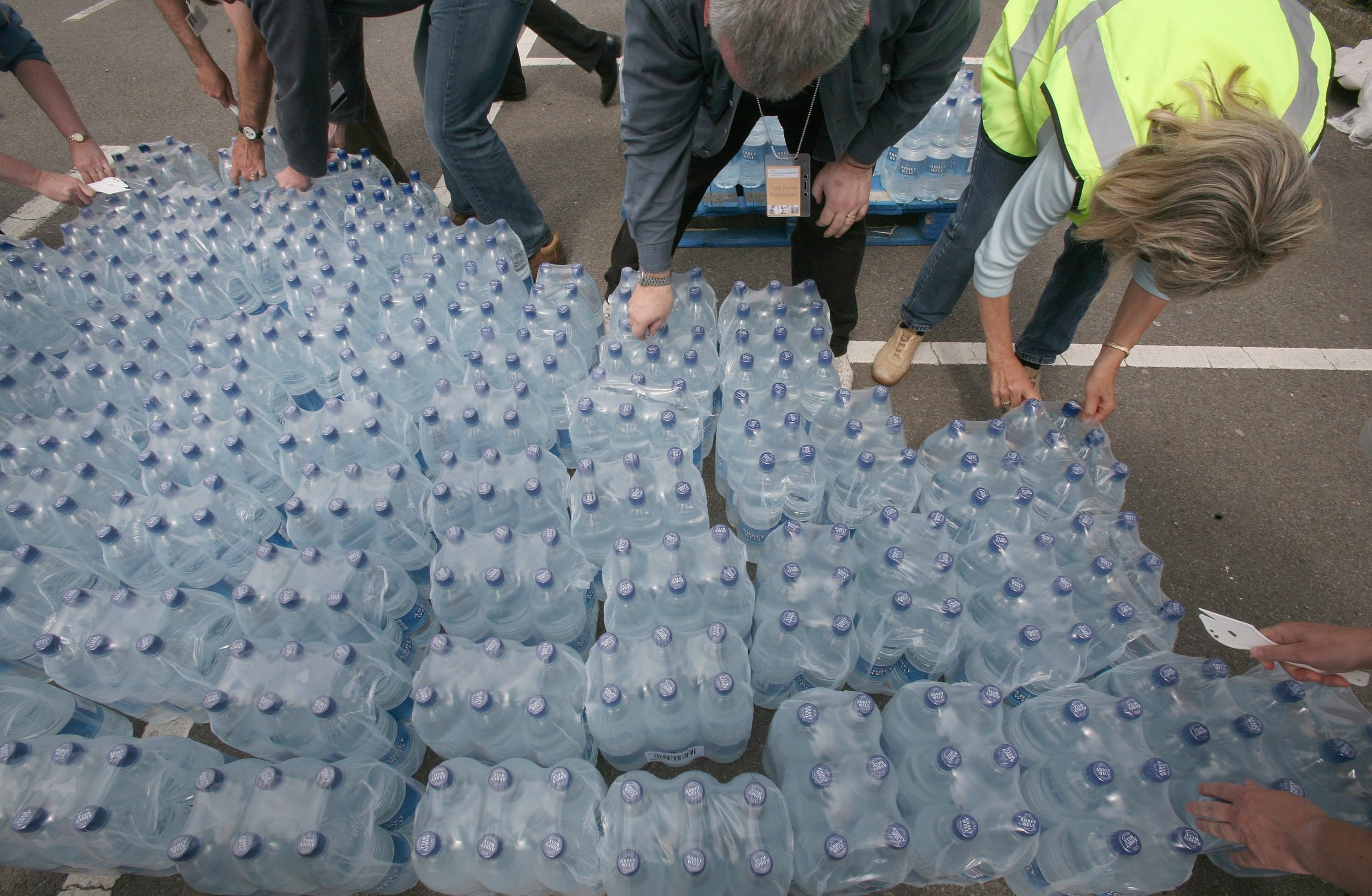
Nearly 1.9 million bottles of Fiji Natural Artesian Water have been voluntarily recalled due to the presence of manganese and three bacterial genera. The FDA classified the recall as Class III, indicating it is not likely to cause adverse health consequences. The affected bottles were distributed nationally through Amazon between February 1 and March 3, and 99% of them have already been reclaimed. Fiji Water assures that there is no health or safety risk from the recalled lots and emphasizes their commitment to product safety and quality.
The FDA has announced a recall of over 78,000 cases of Fiji Natural Artesian Water due to the presence of manganese and bacteria. The recall, initially announced in March, is classified as Class III, indicating it is not likely to cause adverse health consequences. Most of the affected bottles have been reclaimed, and the remaining ones are being held in warehouses. The company assures that the recalled water poses no health risk and emphasizes their commitment to safety and quality.
Exposure to manganese during the prenatal period and childhood may enhance verbal learning and memory during adolescence, according to a study by Boston University School of Public Health. The research, which utilized tooth manganese levels as biomarkers, found that prenatal exposure was associated with improved cognitive functions, while postnatal exposure showed no significant association. The study highlights the importance of timing in manganese exposure and its effects on neurodevelopment.
Water in California's Central Valley contains high levels of manganese, which can cause cognitive disabilities and motor control issues in children, and Parkinson's-like symptoms in adults. The highest concentrations of manganese are found in private, untreated well water systems, but it is also present in public water systems at higher concentrations than what studies have shown can have adverse health effects. Nearly half of all domestic well water users in the Central Valley live in disadvantaged communities, and nearly 89% of them have a high likelihood of accessing water that is highly contaminated with manganese.