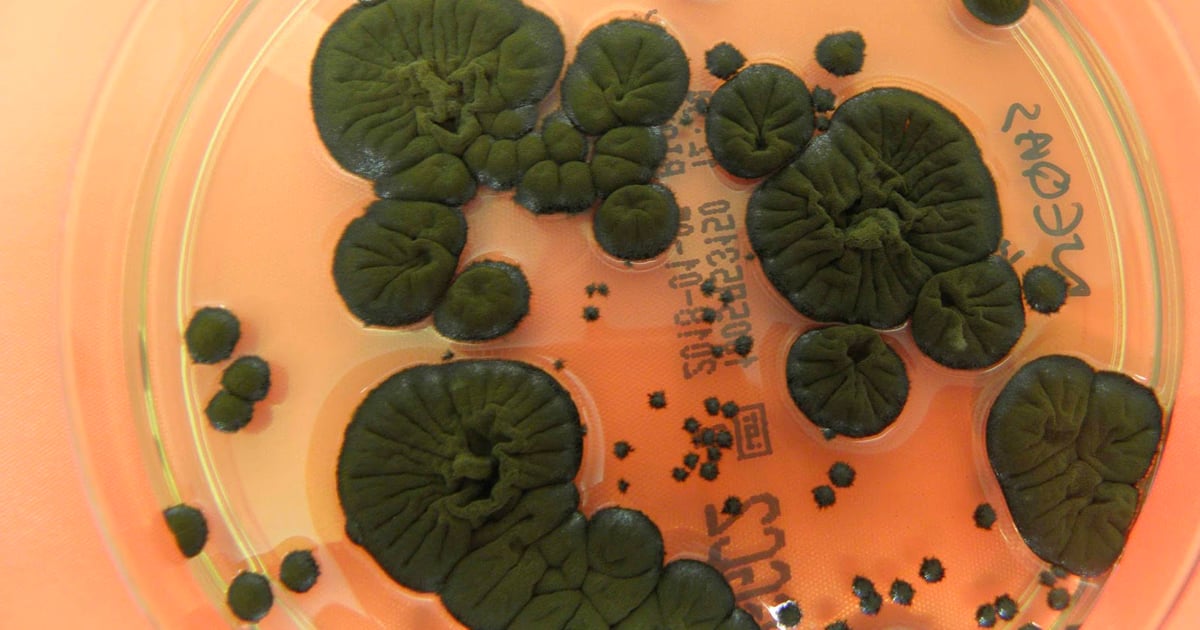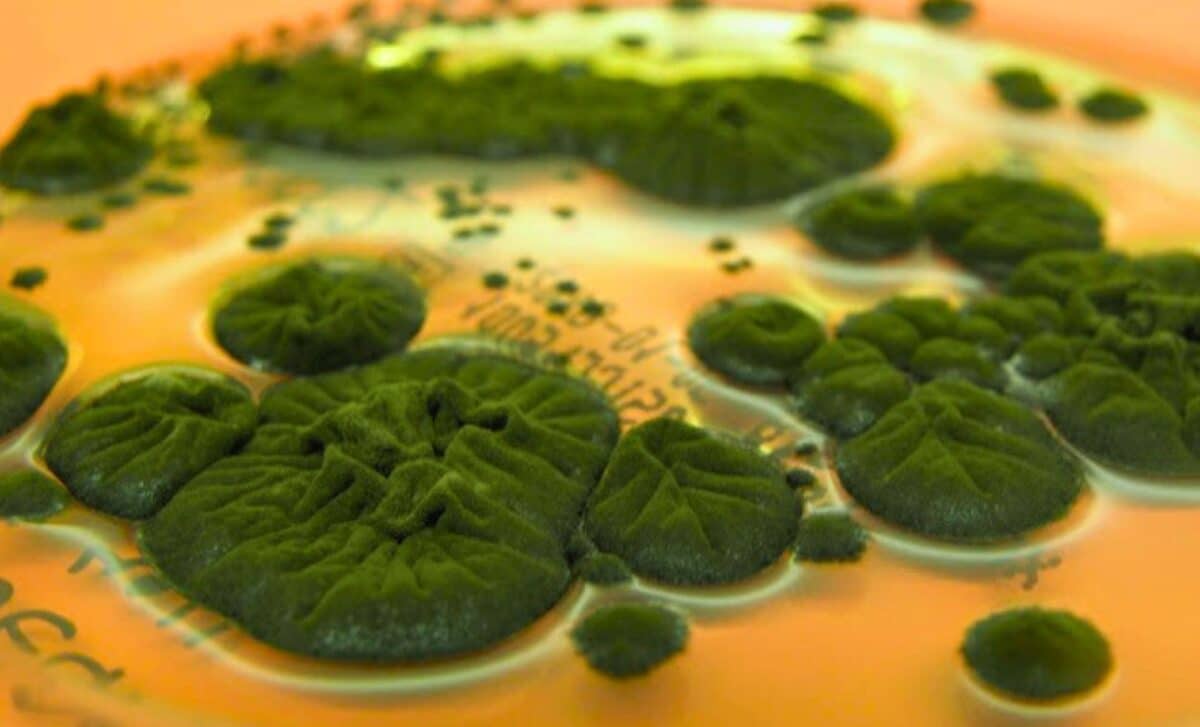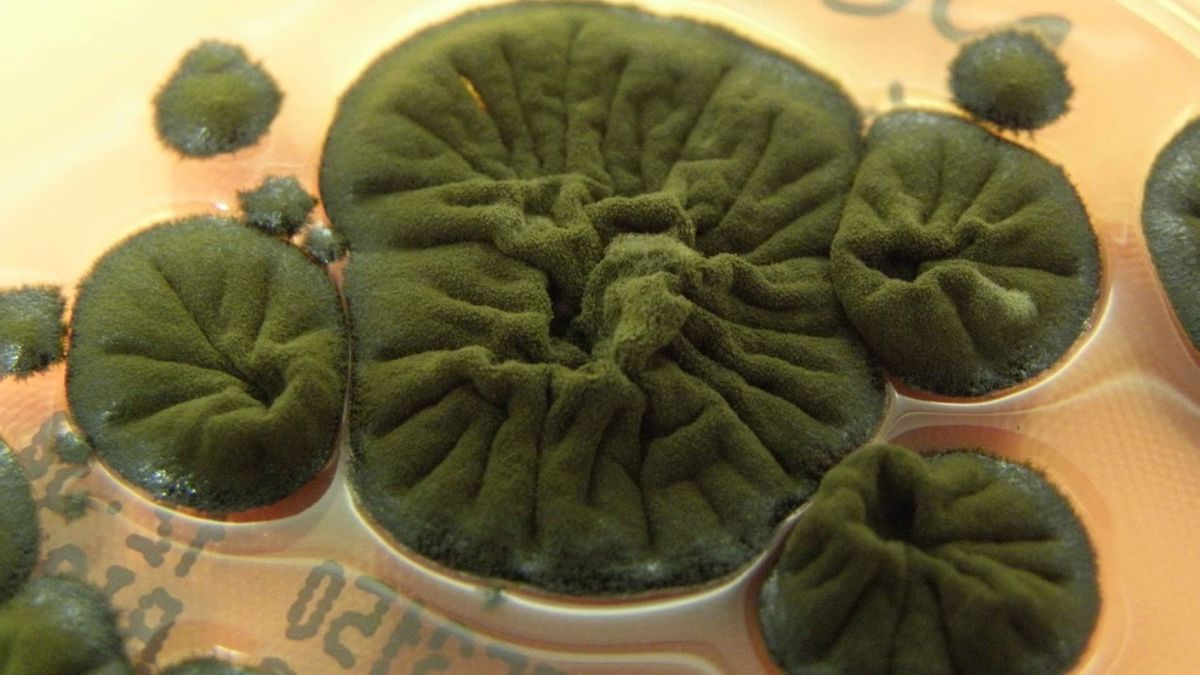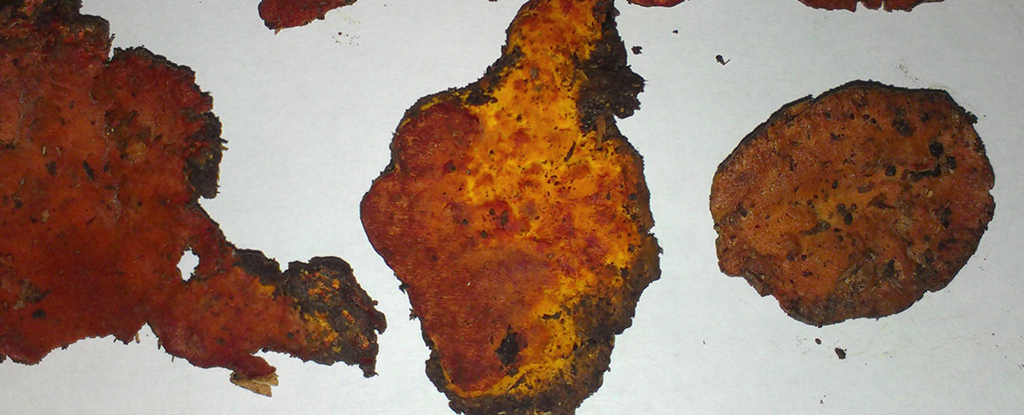
A black fungus, Cladosporium sphaerospermum, thriving in Chernobyl's radioactive environment, may be harnessing ionizing radiation as an energy source through a process called radiosynthesis, challenging our understanding of life’s resilience in extreme conditions.
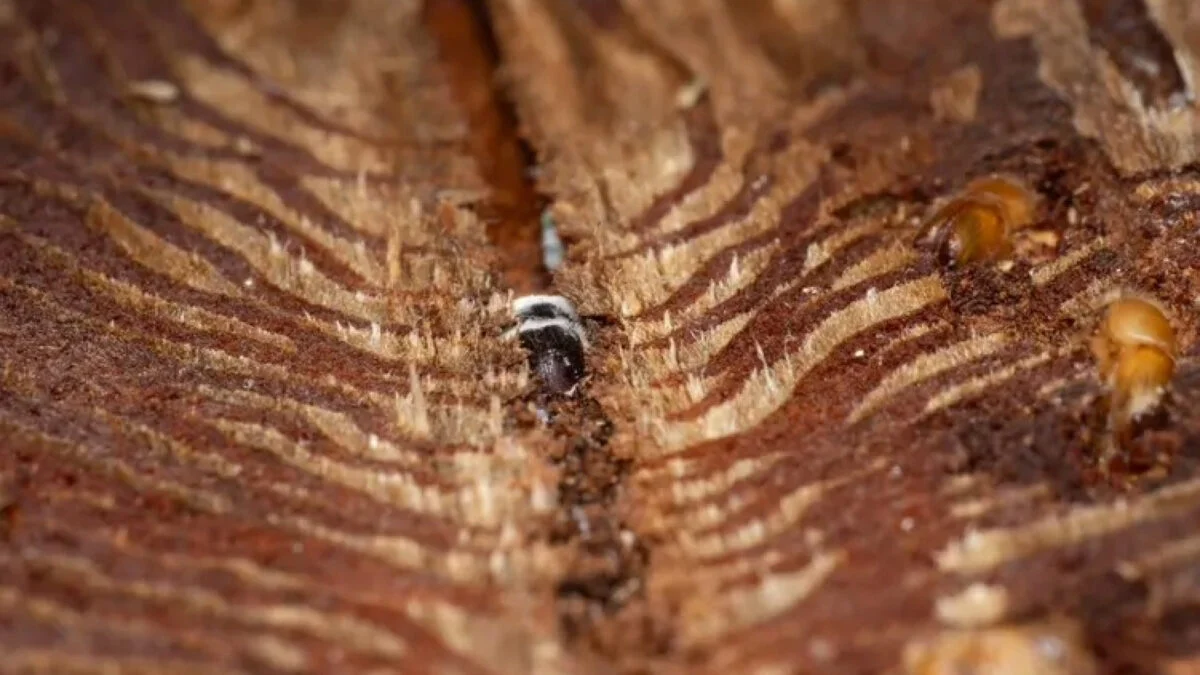
A study reveals that spruce bark beetles exploit the tree's antibiotic compounds for defense against a pathogenic fungus, Beauveria bassiana, which in turn can infect and kill the beetles, illustrating a complex natural arms race that could inspire organic pest control methods.
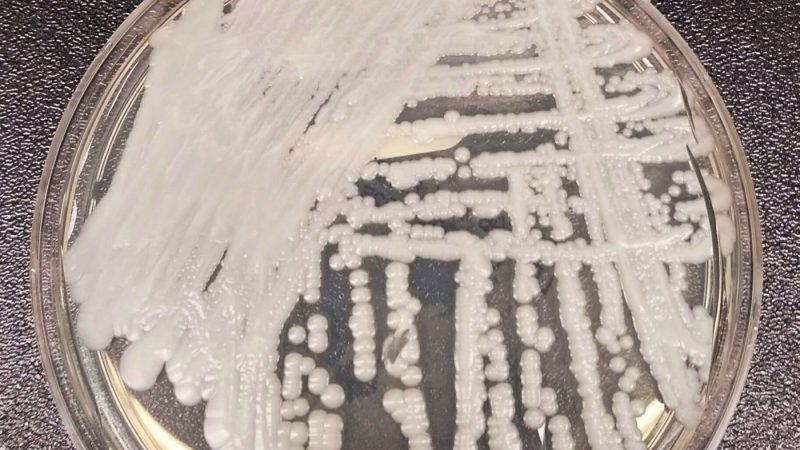
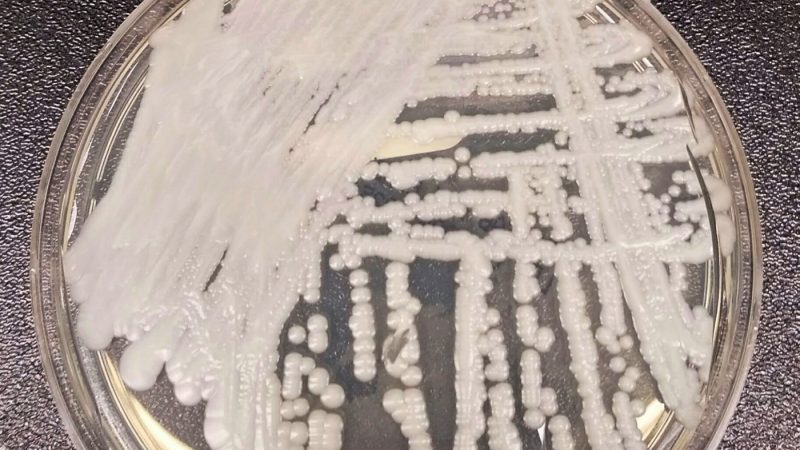
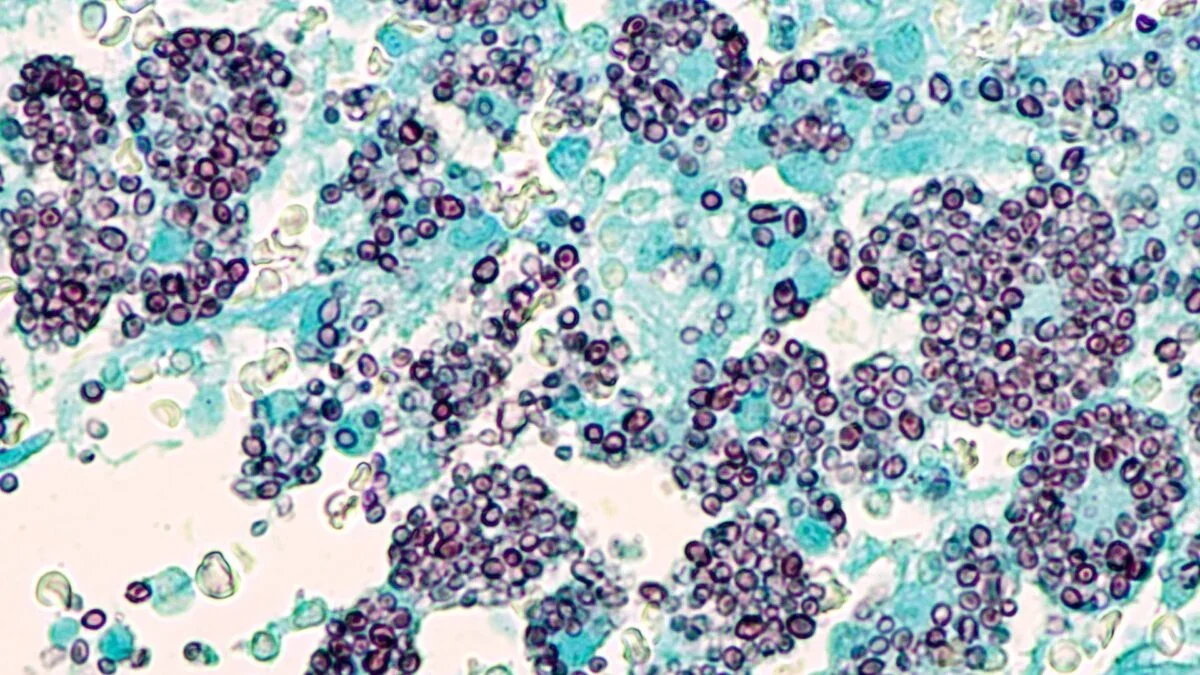
A dangerous, drug-resistant fungus called Candida auris is spreading globally, posing a serious health threat due to its resistance to treatment and difficulty in diagnosis. It has caused outbreaks in hospitals worldwide, with high mortality rates, and may be linked to climate change. However, advances in antifungal drugs and vaccines offer hope for combating this emerging threat.
A deadly, drug-resistant fungus called Candida auris has infected at least 7,000 people across 27 U.S. states in 2025, spreading rapidly in healthcare settings and potentially worsened by climate change, with no effective treatments for resistant strains, posing a significant public health threat.
A deadly, drug-resistant fungus called Candida auris has infected at least 7,000 people across 27 U.S. states in 2025, spreading rapidly in healthcare settings and posing a significant public health threat due to its resistance to treatment and possible links to climate change.
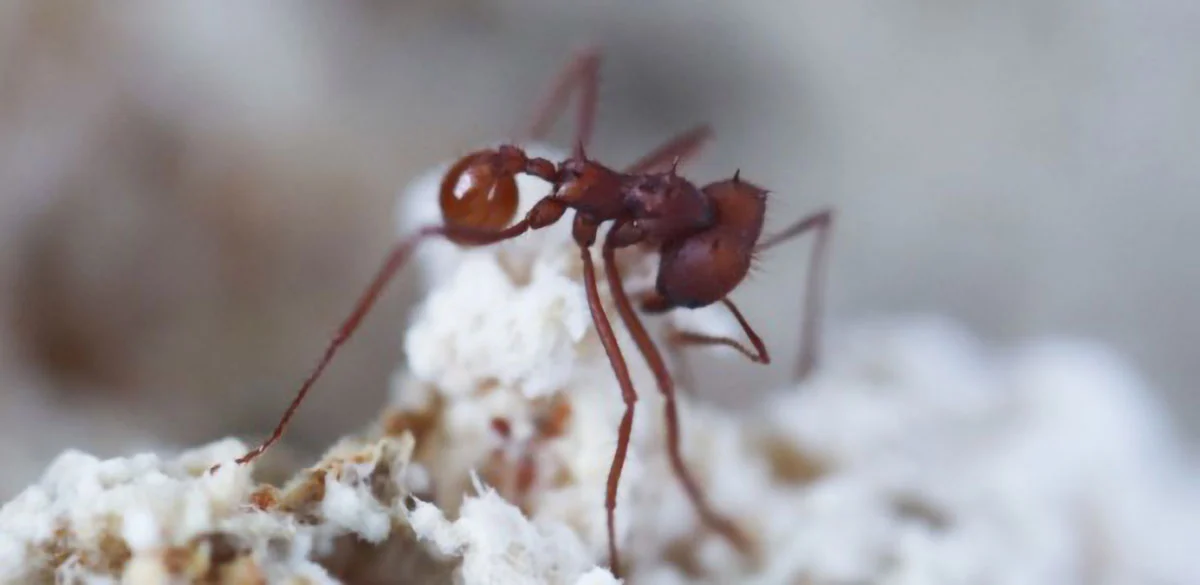
A study reveals that the fungus Escovopsis, previously thought to be a parasite of ant-associated fungi, actually originated 56.9 million years ago and may have played a more complex role in nature, evolving alongside ants over millions of years with adaptations that suggest a coevolutionary relationship rather than simple parasitism.
A black fungus, Cladosporium sphaerospermum, thriving in Chernobyl's radioactive environment, shows unusual growth patterns under radiation, leading to theories of a potential 'radiosynthesis' process that could convert radiation into energy, with implications for space shielding and astrobiology. Despite ongoing research, the exact mechanisms remain unknown, but the fungus's resilience and unique properties make it a promising subject for future scientific and space exploration applications.
Scientists have discovered a black fungus, Cladosporium sphaerospermum, thriving in the radioactive environment of Chernobyl, potentially using a process called radiosynthesis to harness ionizing radiation for energy, though the exact mechanism remains unknown.
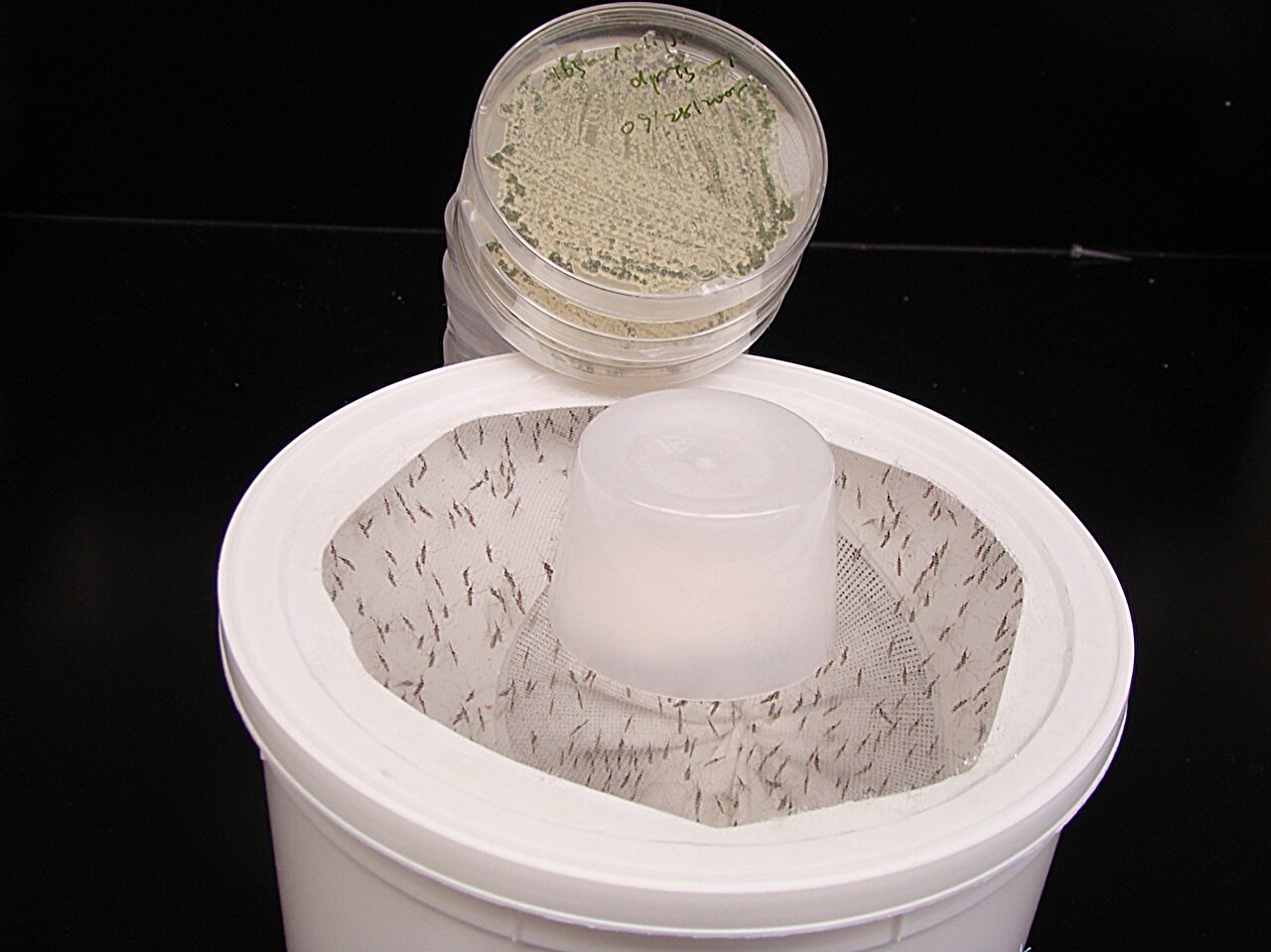
Scientists have engineered a floral-scented fungus that attracts and kills mosquitoes, offering a safe, affordable, and environmentally friendly alternative to chemical pesticides, with potential to reduce mosquito-borne diseases globally.
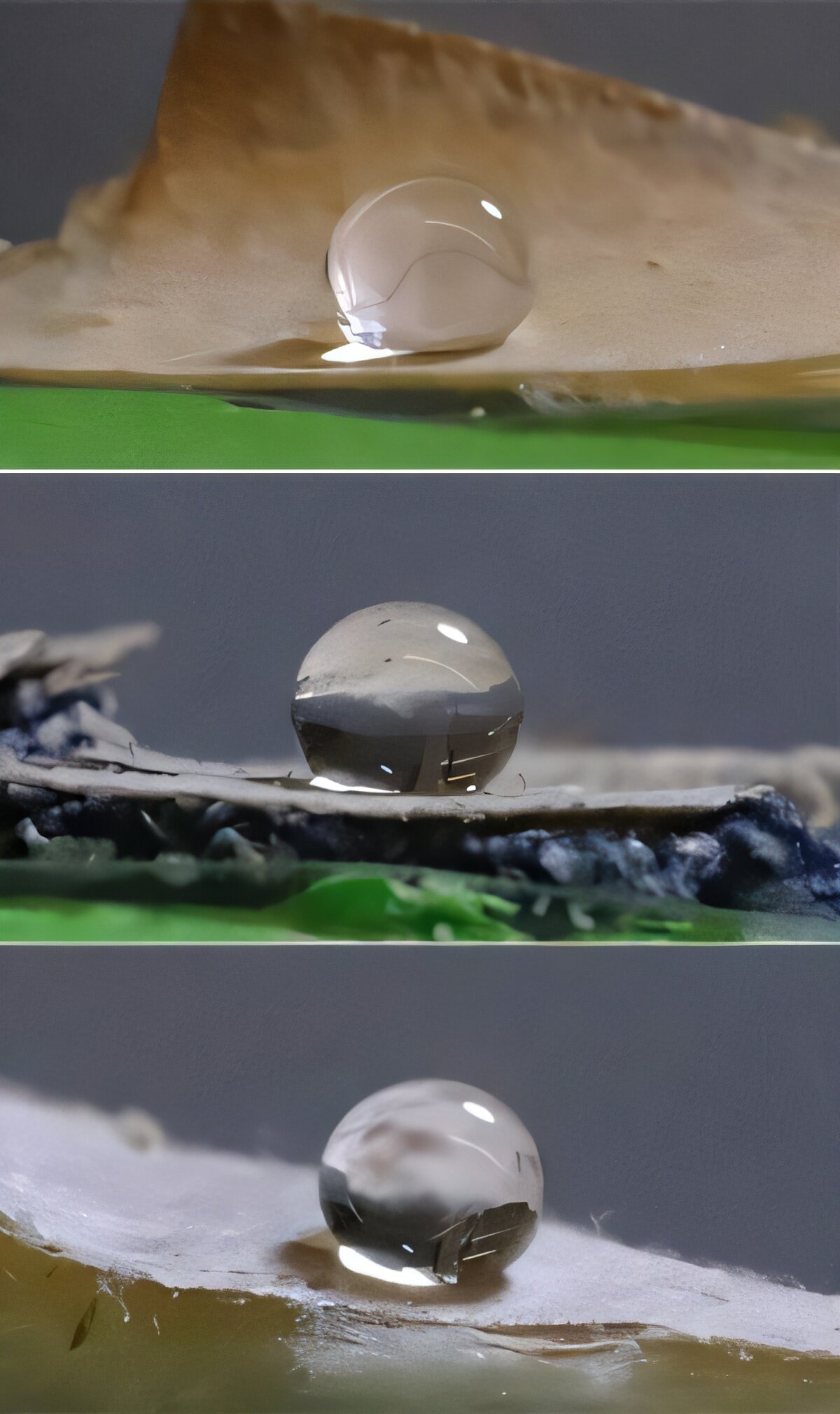
Researchers have developed a natural, edible fungal coating using Trametes versicolor that can make paper, fabric, and wood water-, oil-, and grease-resistant, offering a sustainable alternative to plastic coatings and reducing environmental waste.
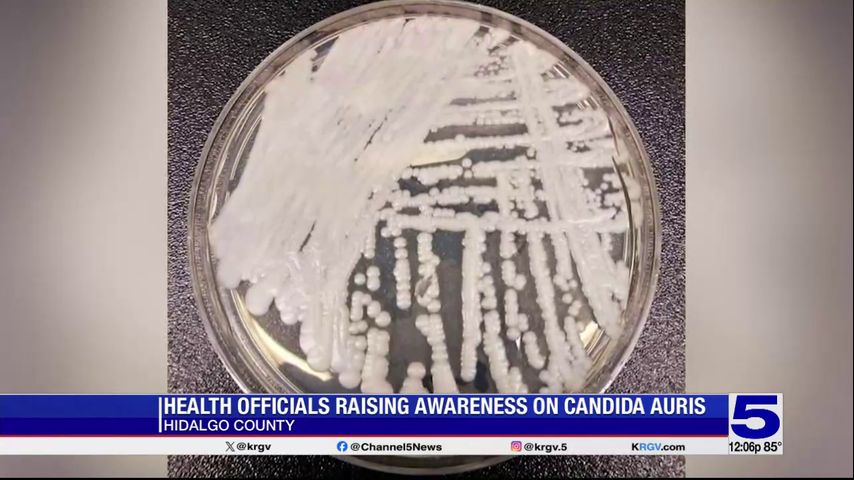
Health officials in the Rio Grande Valley are monitoring rising cases of Candida Auris, a resistant and potentially deadly fungus primarily spread in healthcare settings, with cases increasing in Hidalgo and Cameron counties, posing a risk especially to chronically ill patients, and emphasizing the importance of hygiene and infection control measures.
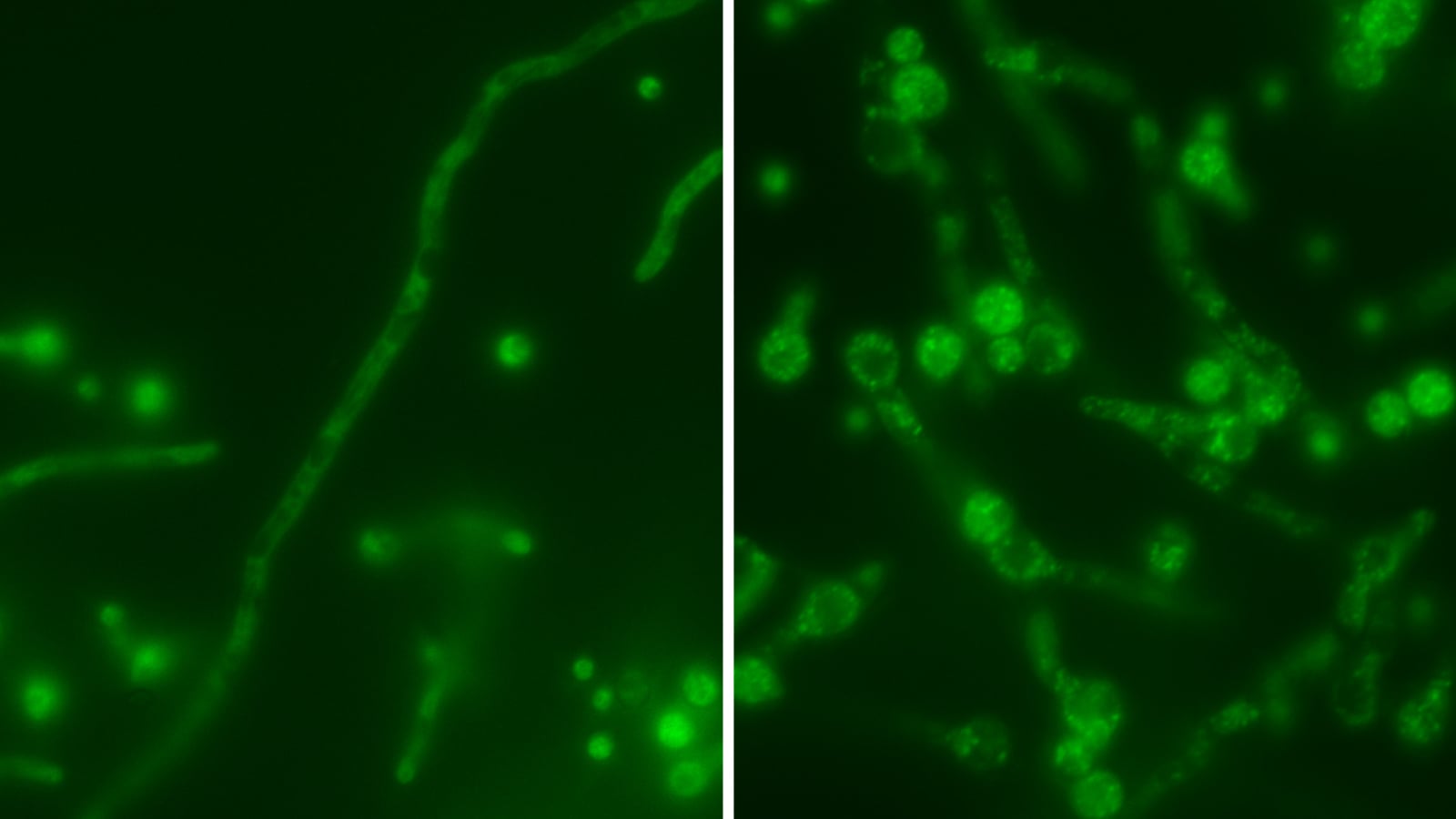
A study reveals that a hidden virus inside the deadly fungus Aspergillus fumigatus may be exploited to develop new treatments for fungal infections, as targeting the virus in mice improved survival and reduced fungal burden, suggesting a novel approach to combat invasive aspergillosis.
Researchers in Taiwan have identified a sugar molecule called sulfate polysaccharides in the rare fungus Antrodia cinnamomea that shows promise in killing cancer cells and reducing inflammation, paving the way for potential new cancer therapies, though further testing in humans is needed.
Scientists have identified a toxic fungus, Aspergillus flavus, in Tutankhamun's tomb that produces compounds similar to chemotherapy drugs, potentially revolutionizing cancer treatment and dispelling the myth of the pharaoh's curse.
Researchers from the University of Pennsylvania have discovered that a fungus called Aspergillus flavus, historically linked to the 'pharaoh's curse' rumors, produces compounds that show promise in killing leukemia cells, potentially leading to new cancer treatments, although further testing is needed.