Tag

Supercomputers

All articles tagged with #supercomputers

Nvidia Unveils New AI Chips and Models to Boost Autonomous Vehicles and AI Demand

Originally Published 5 days ago — by Mashable

Featured image for Nvidia Unveils New AI Chips and Models to Boost Autonomous Vehicles and AI Demand
Source: Mashable

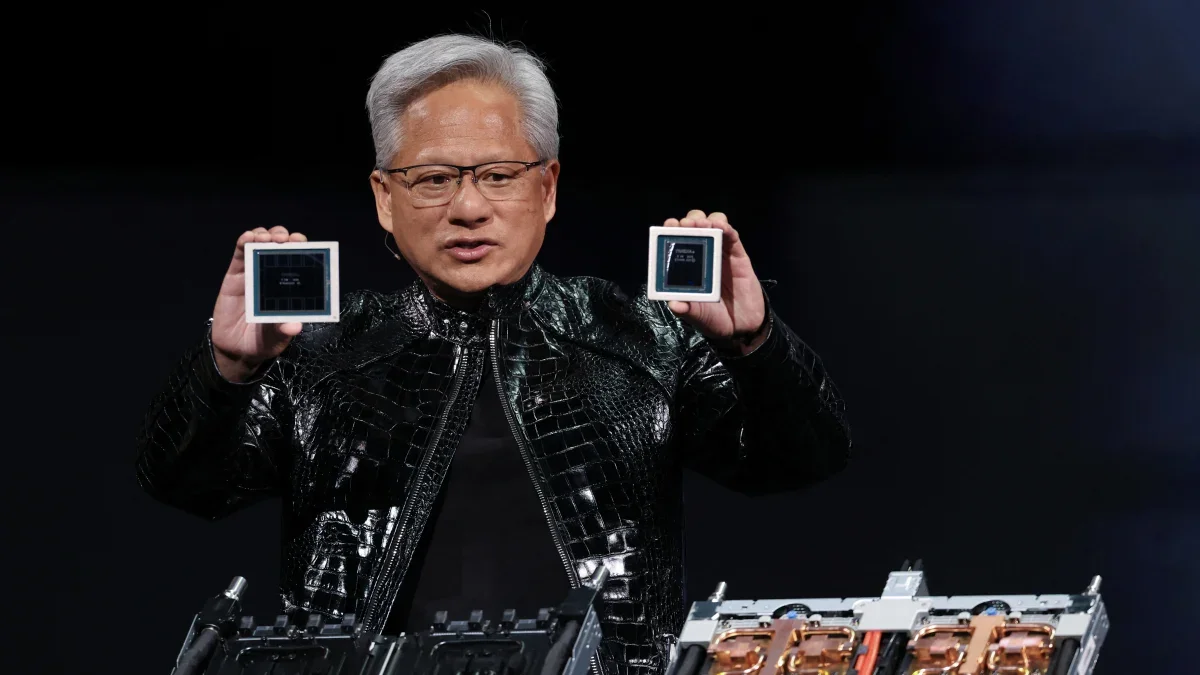
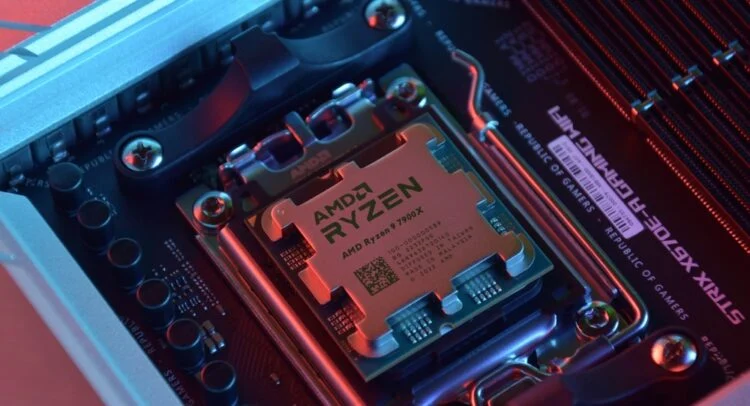
Nvidia announced its new Vera Rubin superchip platform at CES 2026, featuring six new chips designed for large-scale AI computing, aimed at hyperscalers like Microsoft and Google. The chips are expected to improve AI efficiency significantly, with the Vera Rubin superchip combining a CPU and GPUs. While the release date remains uncertain, Nvidia assured the chips will launch later this year, marking a major development in AI hardware.

Supercomputers Unveil the Mysteries of Black Hole Environments

Originally Published 18 days ago — by ScienceAlert

Featured image for Supercomputers Unveil the Mysteries of Black Hole Environments
Source: ScienceAlert

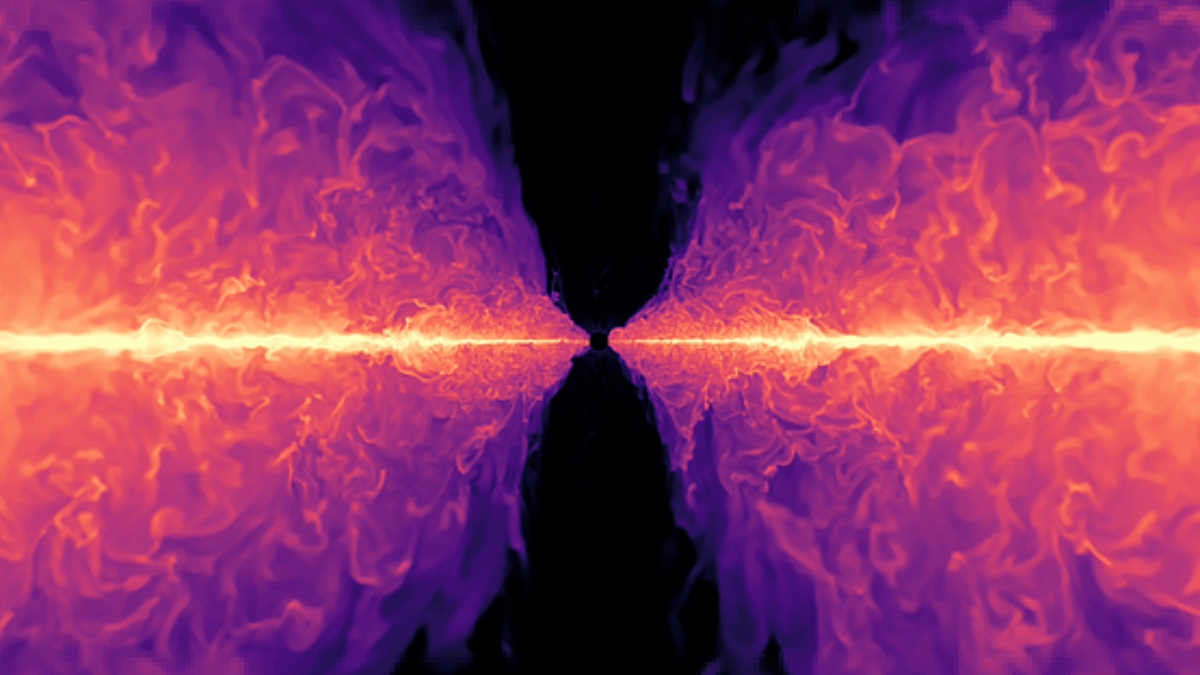
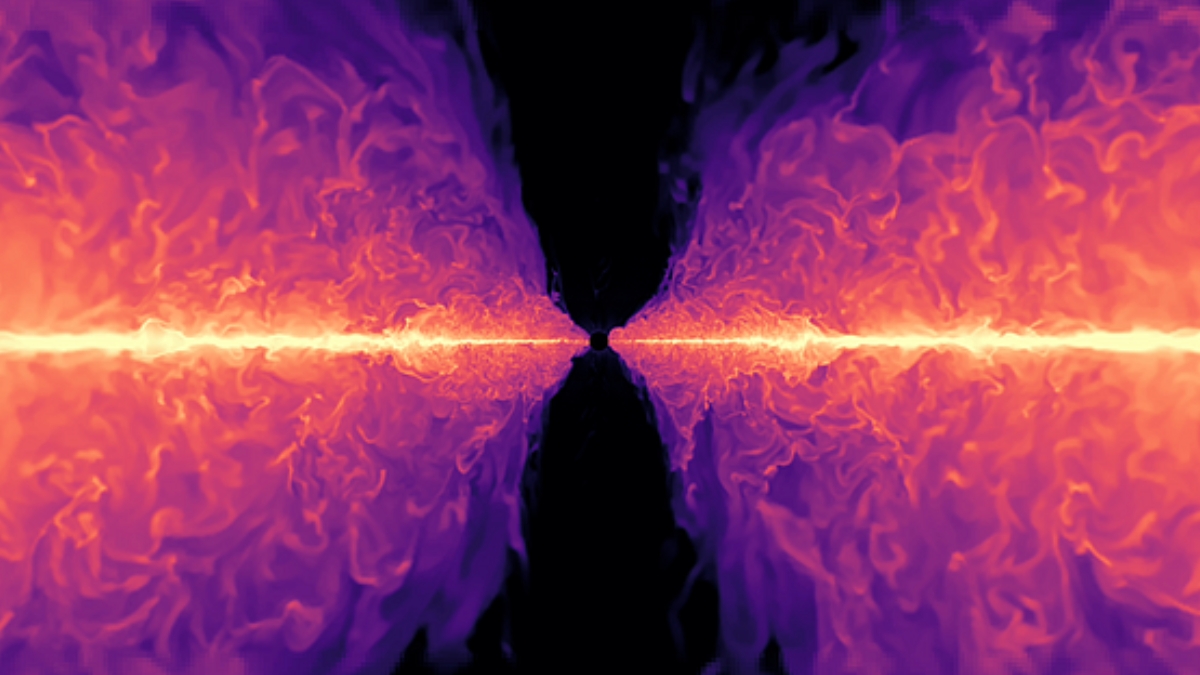
A new study using supercomputers has produced the most detailed simulations to date of how stellar-mass black holes consume and eject matter, incorporating complex physics and general relativity, revealing insights into the behavior of accretion disks, jets, and magnetic fields around black holes.

Nvidia's Future Vision and AI Collaborations Amid Political Highlights

Originally Published 2 months ago — by Politico

Featured image for Nvidia's Future Vision and AI Collaborations Amid Political Highlights
Source: Politico

Nvidia CEO Jensen Huang highlighted a partnership with the Energy Department to build supercomputers and credited former President Trump for advocating manufacturing and AI advancements, emphasizing national security and job creation. Huang also plans to meet with Trump in South Korea amid international tech and economic events.

Google's Quantum Echoes Algorithm Marks a Major Leap Toward Practical Quantum Computing

Originally Published 2 months ago — by Phys.org

Featured image for Google's Quantum Echoes Algorithm Marks a Major Leap Toward Practical Quantum Computing
Source: Phys.org

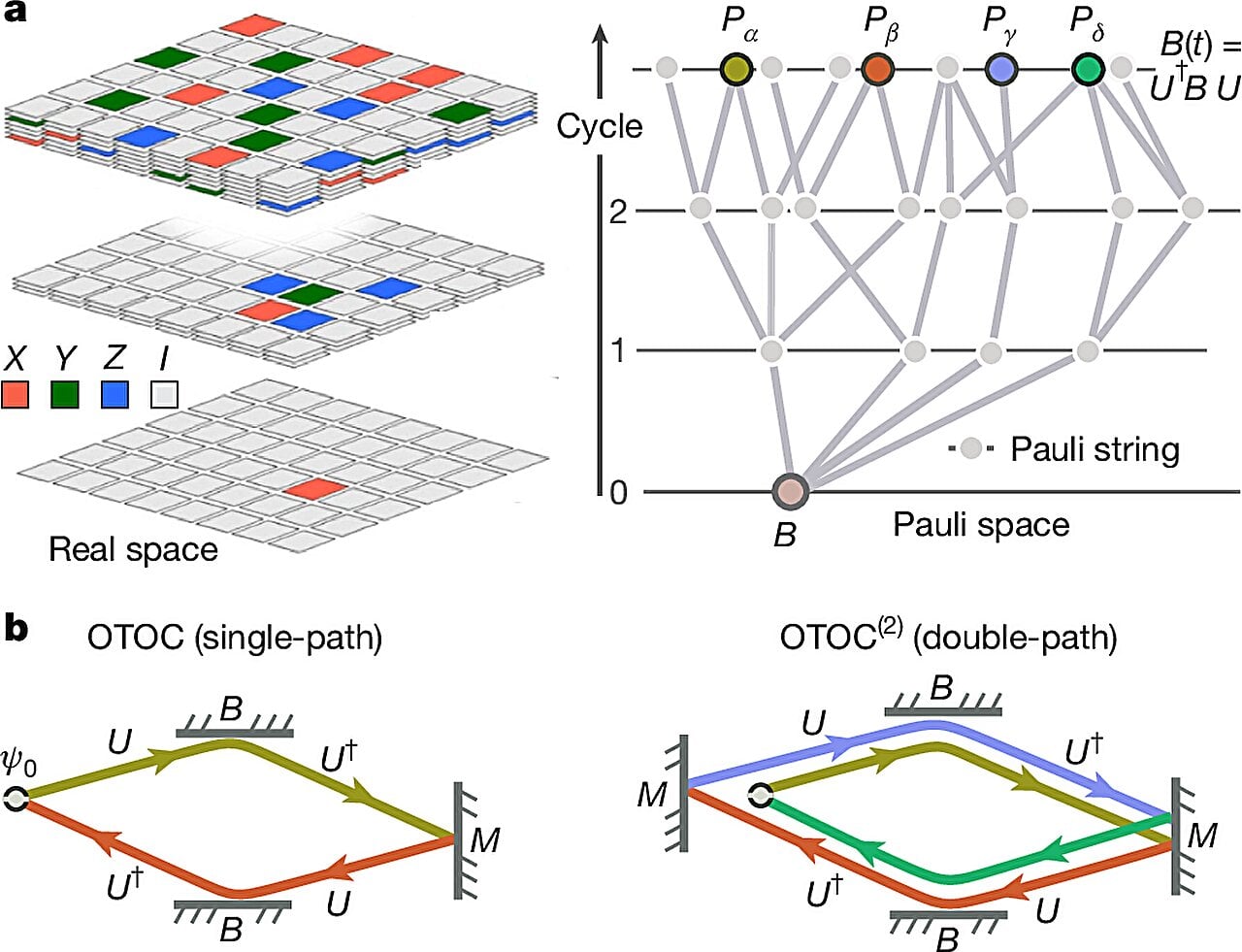
Google's Quantum AI team reports that their quantum processor, Willow, ran a complex physics algorithm called Quantum Echoes, based on Out-of-Time-Order Correlators (OTOCs), which solved a real-world problem thousands of times faster than the world's most powerful supercomputers, marking a significant step toward practical quantum advantage.

Google's Quantum Computer Achieves Major Breakthrough in Speed and Performance

Originally Published 2 months ago — by The Guardian

Featured image for Google's Quantum Computer Achieves Major Breakthrough in Speed and Performance
Source: The Guardian

Google announced a breakthrough in quantum computing by developing an algorithm that outperforms supercomputers in a specific task, marking a significant milestone towards practical quantum applications, though widespread use is still years away due to hardware limitations.

NASA Supercomputers Predict Earth's End Date

Originally Published 2 months ago — by PCWorld

Featured image for NASA Supercomputers Predict Earth's End Date
Source: PCWorld

NASA and Japanese researchers used supercomputers to estimate that Earth's surface will become uninhabitable for all life by around the year 1,000,002,021, due to the sun's increasing heat, with humans facing earlier environmental collapse from climate change and atmospheric changes. The study emphasizes the importance of preparing for Earth's eventual uninhabitability, including exploring space colonization options.

Scientists Warn of City-Destroying Quakes Amid Failing Protections

Originally Published 4 months ago — by Rude Baguette

Featured image for Scientists Warn of City-Destroying Quakes Amid Failing Protections
Source: Rude Baguette

Scientists using supercomputers through the EQSIM project are simulating earthquake dynamics with unprecedented detail, revealing that smaller quakes can sometimes cause more damage than larger ones due to geological factors, and providing critical data to improve infrastructure resilience and disaster preparedness in earthquake-prone areas.

NASA Supercomputers Uncover Greenland's Melting Ice Impact on Marine Ecosystems

Originally Published 5 months ago — by The Daily Galaxy

Featured image for NASA Supercomputers Uncover Greenland's Melting Ice Impact on Marine Ecosystems
Source: The Daily Galaxy

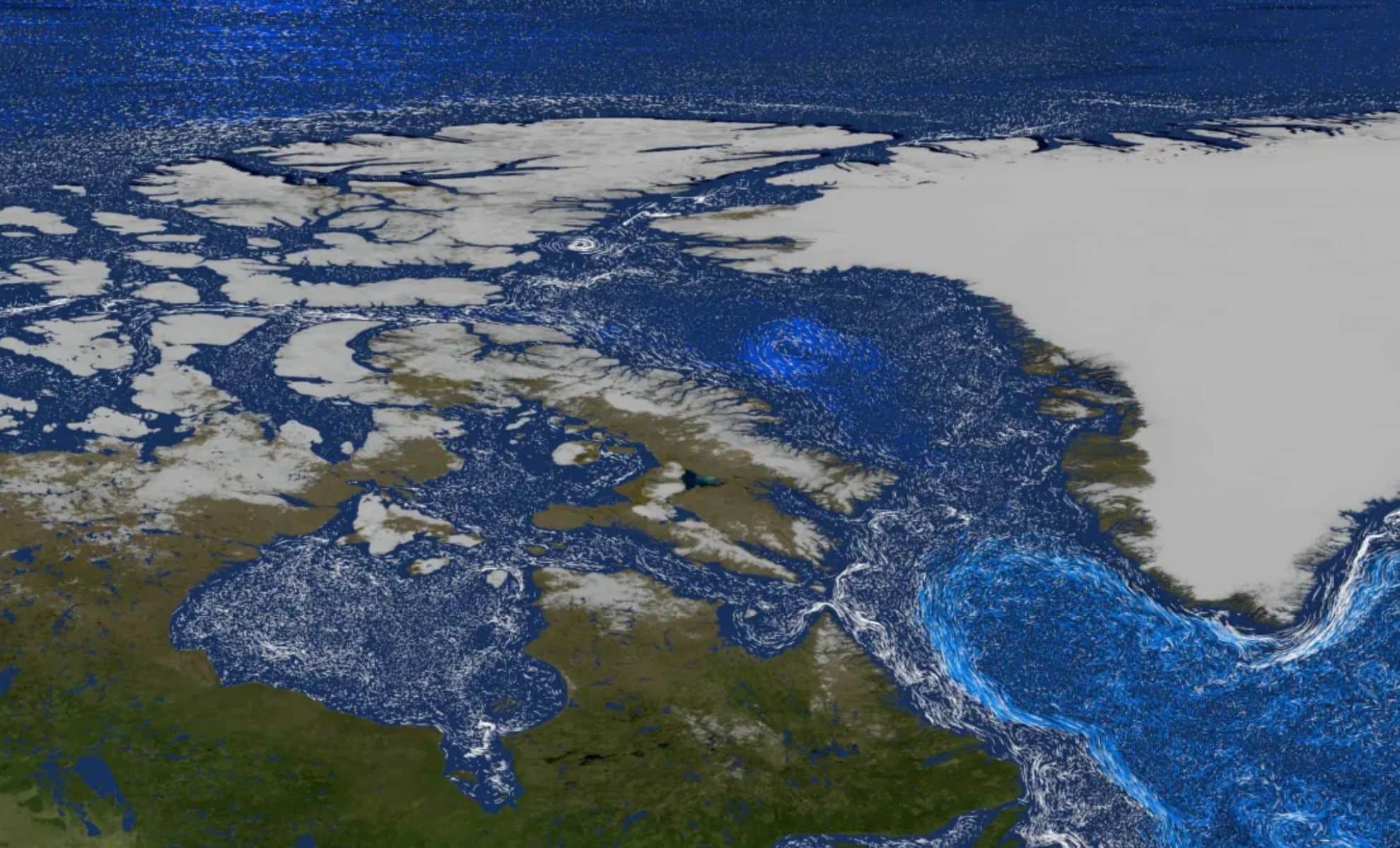
NASA-supported research using supercomputers has revealed that melting glaciers in Greenland, particularly the Jakobshavn Glacier, are releasing nutrients that boost phytoplankton growth, which could impact marine food webs and carbon cycling, with broader implications for understanding climate change effects on ocean ecosystems worldwide.

Exploring America's Secret Nuclear Labs

Originally Published 5 months ago — by The Economist

Featured image for Exploring America's Secret Nuclear Labs
Source: The Economist

The article explores America's secret nuclear weapons labs, detailing how advanced experiments like laser fusion at NIF and powerful supercomputers like El Capitan are used to maintain and develop nuclear arsenals, especially as testing is restricted, highlighting the technological and strategic importance of these facilities in modern deterrence and energy research.

Top500 Supercomputers Showcase Rapid Advances and Strategic Collaborations

Originally Published 7 months ago — by TOP500

The 65th TOP500 list highlights the continued dominance of the El Capitan supercomputer at Lawrence Livermore National Laboratory as the top system, with the US leading in Exascale systems alongside Frontier and Aurora. The list also features new advancements like the JUPITER Booster in Germany and updates on energy efficiency and benchmark performance, reflecting ongoing progress in high-performance computing.

Muon g-2 Experiment Achieves Record Precision, Easing Physics Puzzle

Originally Published 7 months ago — by The Conversation

Featured image for Muon g-2 Experiment Achieves Record Precision, Easing Physics Puzzle
Source: The Conversation

Physicists used antimatter, supercomputers, and giant magnets to resolve a 20-year-old mystery about the muon's magnetism, which could have indicated new physics related to dark matter. Recent experiments and simulations have clarified the discrepancy, but the question of potential new particles like the dark photon remains open, offering clues about dark matter.