Tag

Accretion Disks

All articles tagged with #accretion disks

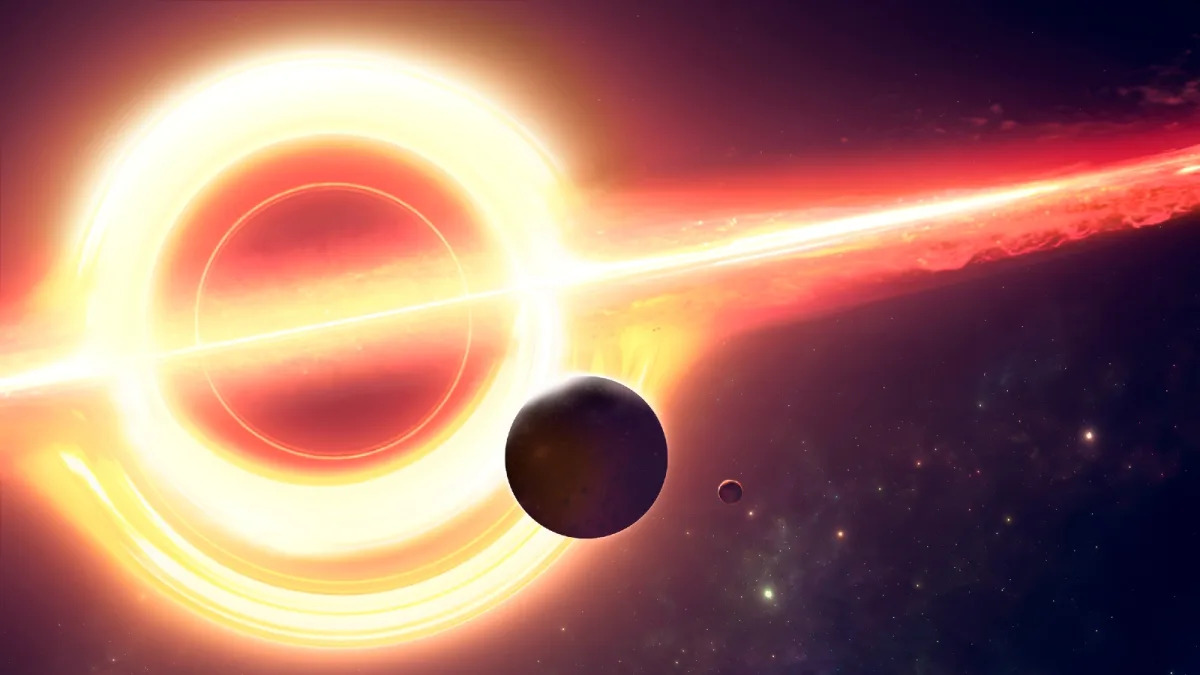
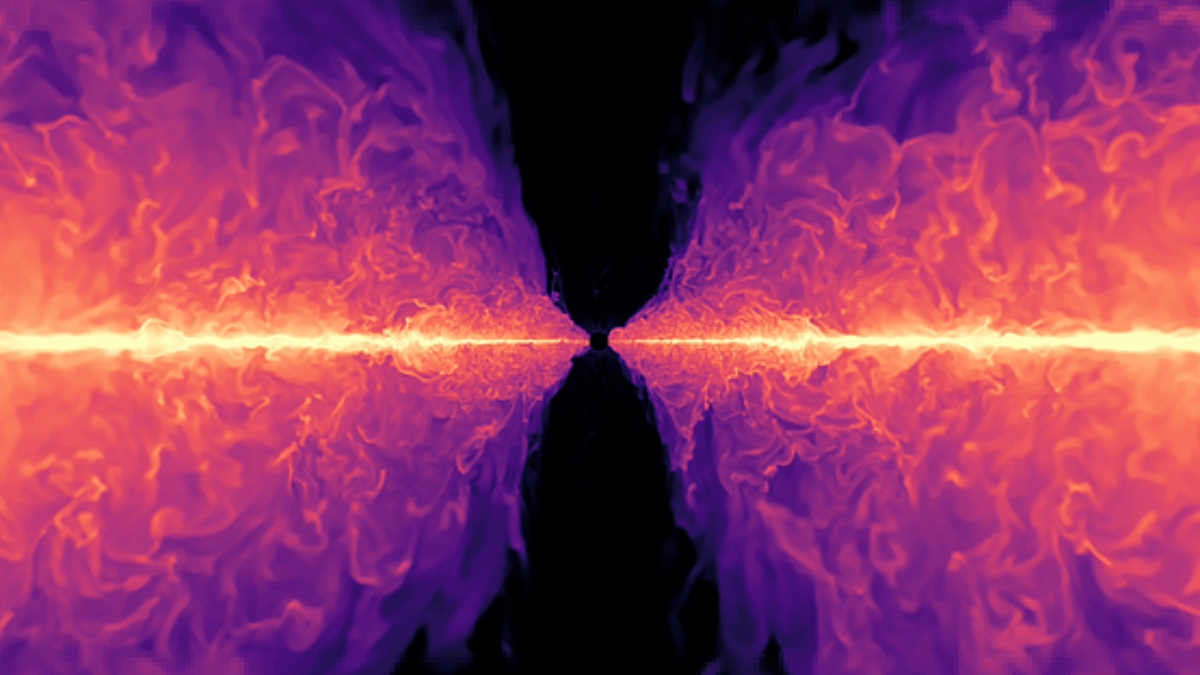
Supercomputers Unveil the Mysteries of Black Hole Environments

Originally Published 18 days ago — by ScienceAlert

Featured image for Supercomputers Unveil the Mysteries of Black Hole Environments
Source: ScienceAlert

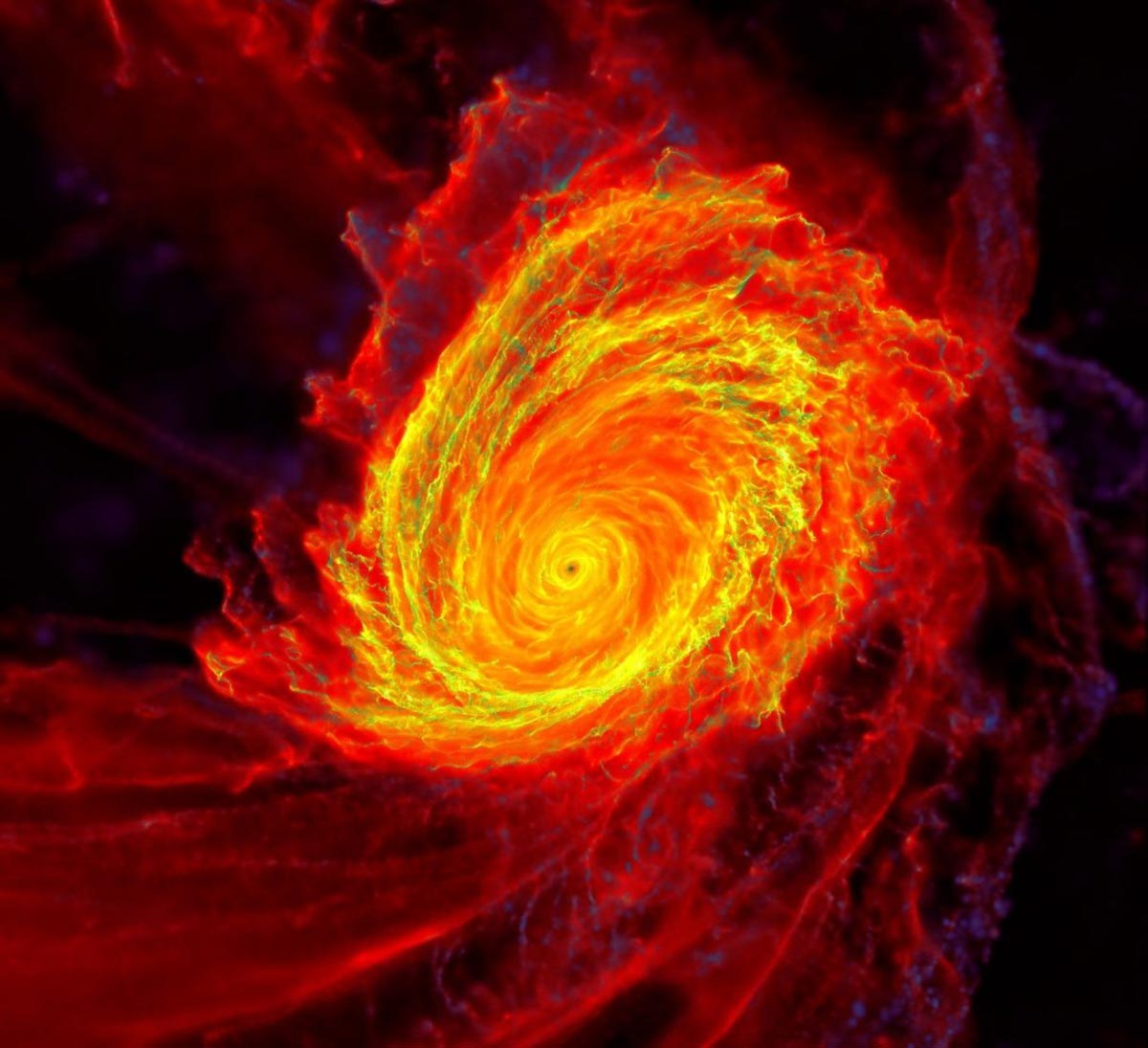
A new study using supercomputers has produced the most detailed simulations to date of how stellar-mass black holes consume and eject matter, incorporating complex physics and general relativity, revealing insights into the behavior of accretion disks, jets, and magnetic fields around black holes.
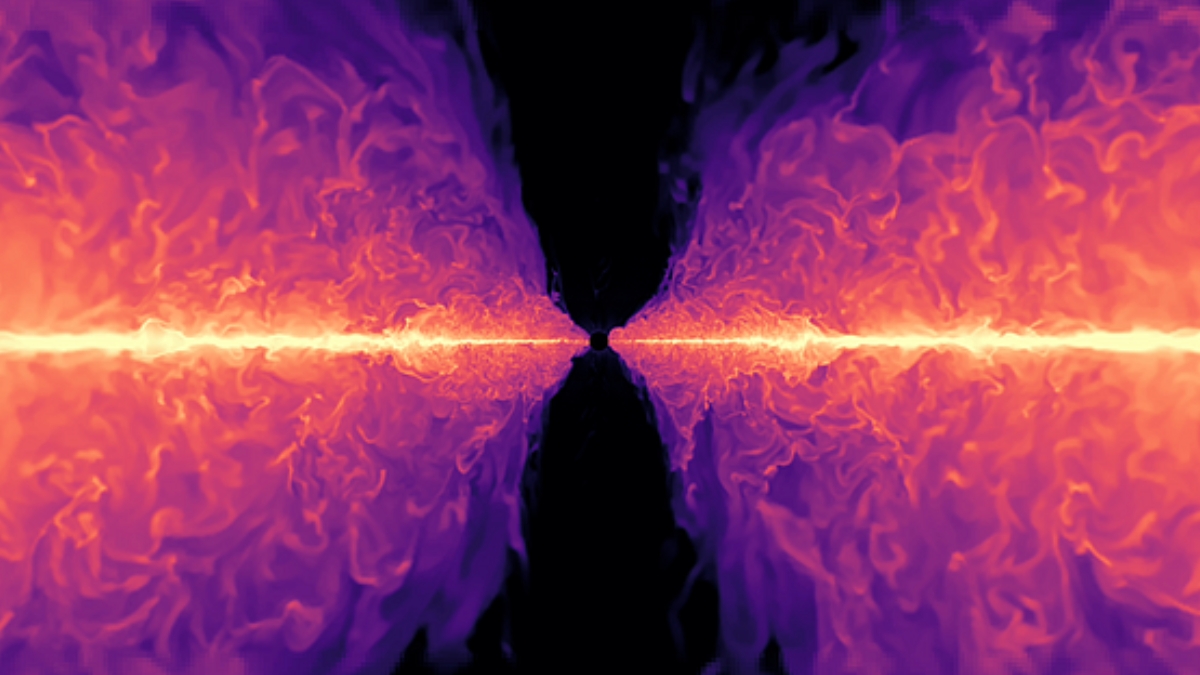

Interstellar Comet 3I/ATLAS Reveals Origins and Impact on Planet Formation

Originally Published 3 months ago — by Rude Baguette

Featured image for Interstellar Comet 3I/ATLAS Reveals Origins and Impact on Planet Formation
Source: Rude Baguette

Astrophysicist Susanne Pfalzner proposes that interstellar objects may serve as seeds for giant planet formation, especially around high-mass stars, potentially revolutionizing our understanding of planetary genesis and explaining the rapid formation of gas giants like Jupiter.

Scientists Uncover Surprising Secrets of Cosmic Winds and Black Holes

Originally Published 3 months ago — by Space

Featured image for Scientists Uncover Surprising Secrets of Cosmic Winds and Black Holes
Source: Space

Astronomers using the XRISM spacecraft observed powerful, unexpectedly dense winds from a neutron star's accretion disk, revealing differences from black hole winds and offering new insights into the physics of matter inflow and outflow around extreme objects, which could reshape our understanding of cosmic energy transfer.

Astronomers Explore Supersoft X-ray Source Evolution

Originally Published 1 year ago — by Phys.org

Featured image for Astronomers Explore Supersoft X-ray Source Evolution
Source: Phys.org

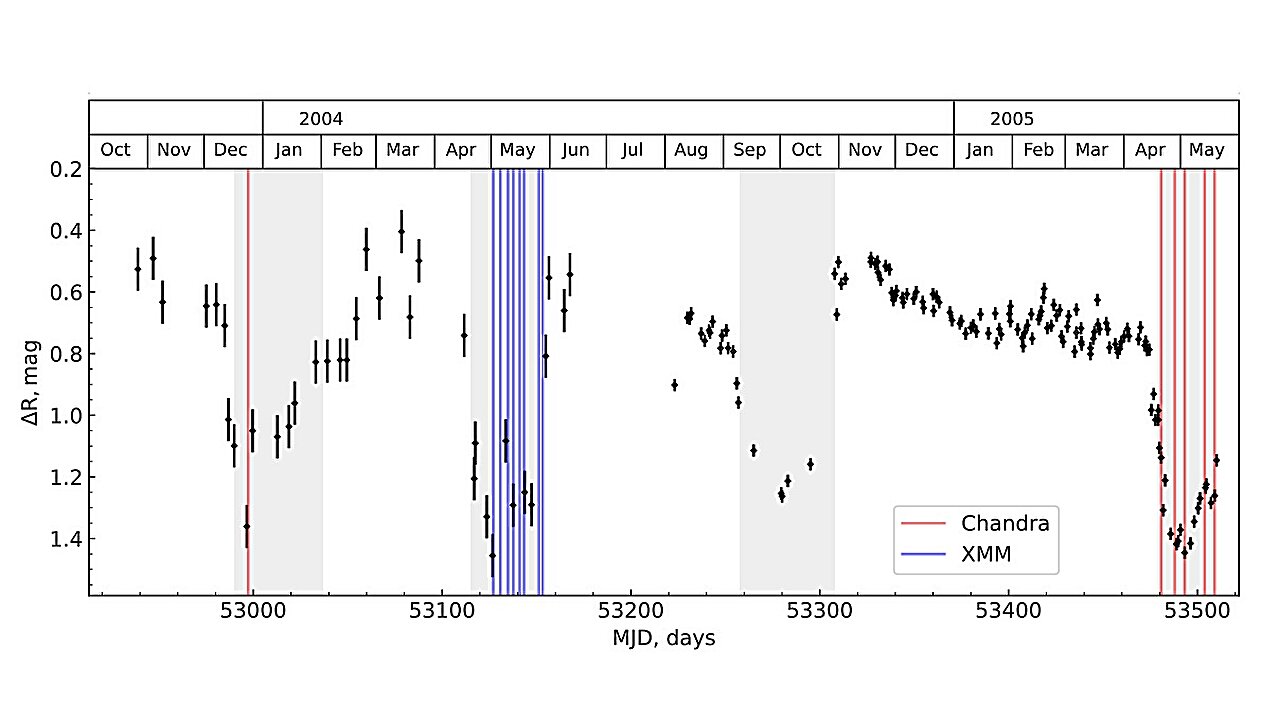
German astronomers have used ESA's XMM-Newton and NASA's Chandra to study the supersoft X-ray source RX J0513.9−6951, revealing insights into its evolution. The study found that the photospheric radius and bolometric luminosity of the white dwarf increase as optical flux decreases, challenging existing models. The researchers propose an alternative model where far ultraviolet/soft X-ray flux is reprocessed into the optical band due to scattering in a cloud system above the accretion disk, affecting the observed optical and X-ray states.

Hubble Unveils Surprising Heatwave in Young Star FU Orionis

Originally Published 1 year ago — by SciTechDaily

Featured image for Hubble Unveils Surprising Heatwave in Young Star FU Orionis
Source: SciTechDaily

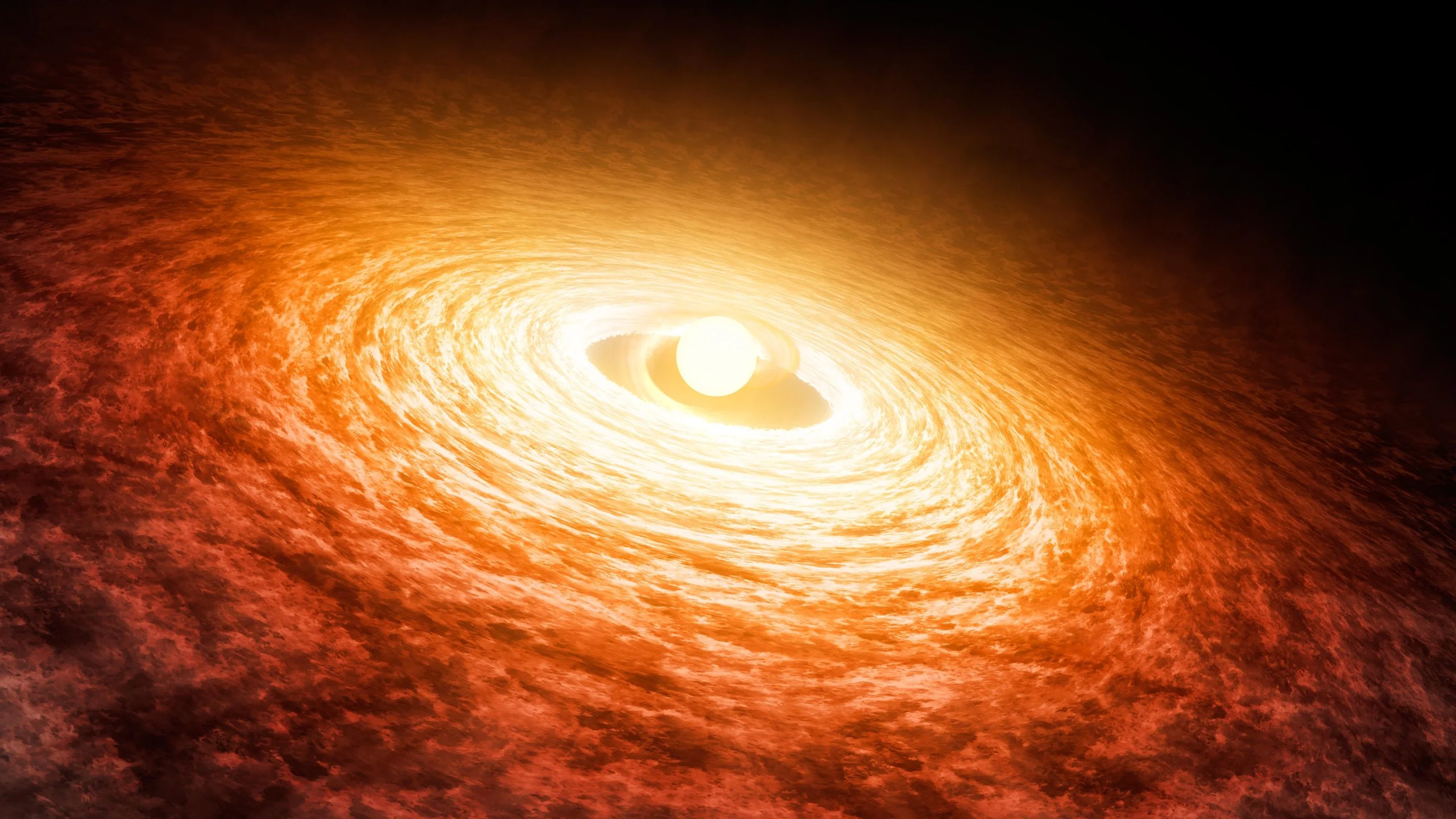
Astronomers using the Hubble Space Telescope have discovered that the inner accretion disk of the young star FU Orionis is much hotter than previously thought, reaching 16,000 kelvins. This finding challenges existing astrophysical models and provides new insights into the mechanisms of stellar accretion and the potential impact on planet formation. The study highlights the complex interactions between the star and its disk, which could influence the chemical composition and survival of forming planets.

Hubble Uncovers Fiery Secrets of Young Star FU Orionis

Originally Published 1 year ago — by Phys.org

Featured image for Hubble Uncovers Fiery Secrets of Young Star FU Orionis
Source: Phys.org

Astronomers using the Hubble Space Telescope have discovered that the inner accretion disk of the young star FU Orionis is much hotter than previously thought, reaching 16,000 kelvins. This temperature is nearly twice what models predicted, challenging existing theories about star-disk interactions. The findings, published in The Astrophysical Journal Letters, suggest that the accretion disk's material creates a hot shock when it impacts the star, emitting significant ultraviolet light. This research has implications for understanding planet formation around such stars.

Caltech's New Simulations Challenge Black Hole Theories

Originally Published 1 year ago — by SciTechDaily

Featured image for Caltech's New Simulations Challenge Black Hole Theories
Source: SciTechDaily

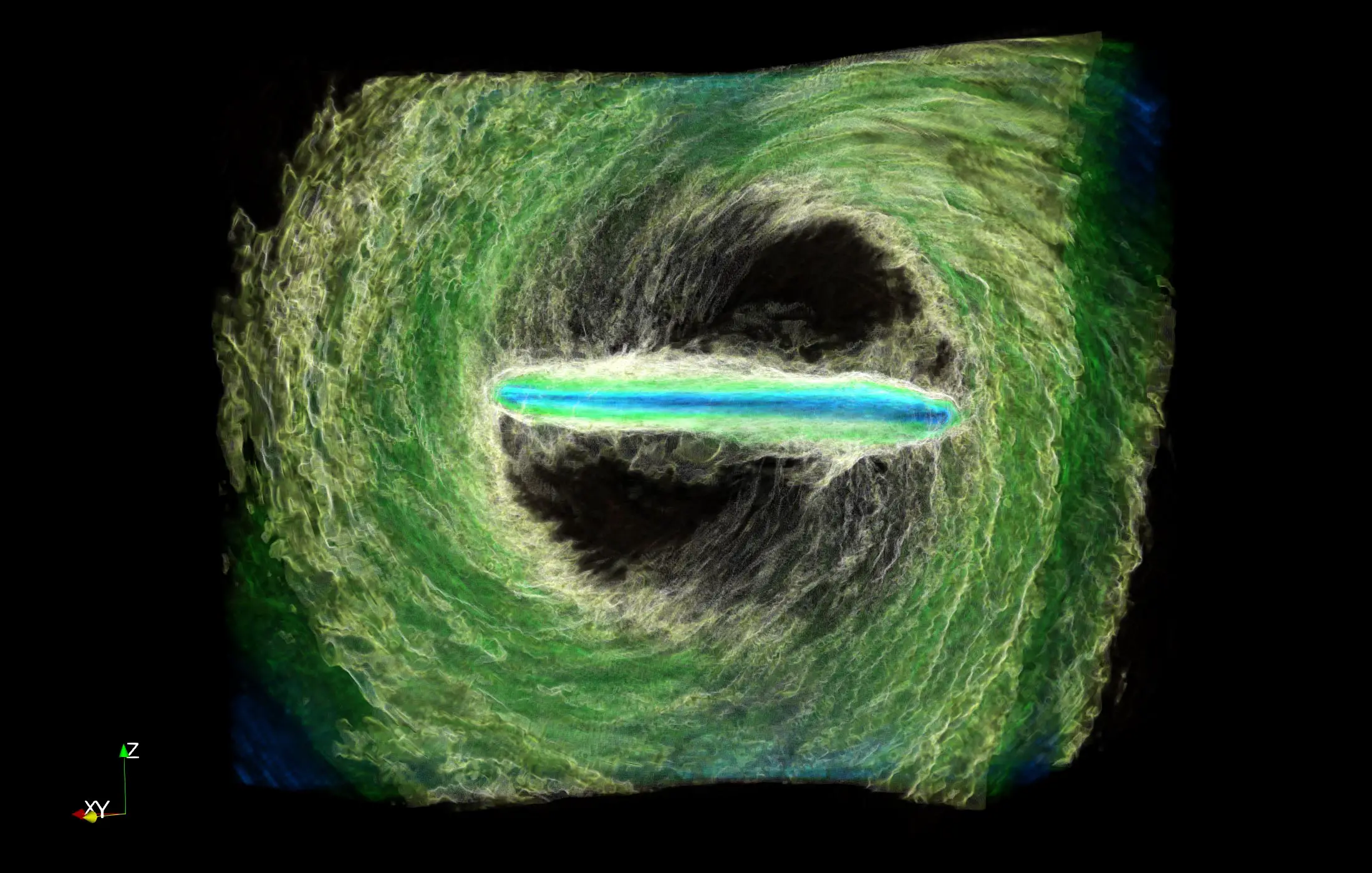
Caltech astrophysicists have developed a groundbreaking simulation that challenges long-standing theories about accretion disks around supermassive black holes. The simulation reveals that magnetic fields, rather than thermal pressure, play a dominant role in shaping these disks, making them fluffy rather than flat. This discovery, achieved through a high-resolution simulation bridging large and small cosmic scales, alters our understanding of black hole dynamics and could lead to new insights into galaxy formation and evolution.

Unveiling Black Holes: Wobbly Plates, Spins, and Energy Extraction

Originally Published 1 year ago — by Space.com

Featured image for Unveiling Black Holes: Wobbly Plates, Spins, and Energy Extraction
Source: Space.com

Researchers from the University of Tsukuba have discovered that ultraluminous accretion disks around supermassive black holes wobble, or "precess," similar to their dimmer counterparts. This wobbling affects the direction of plasma jets emitted from these black holes, potentially explaining periodic changes in brightness observed in ultraluminous accretion disks. The study, published in the Astrophysical Journal, enhances our understanding of how black hole spin influences cosmic phenomena and the fabric of space-time.

"Supermassive black holes: Recycling champions with messy eating habits"

Originally Published 2 years ago — by Space.com

Featured image for "Supermassive black holes: Recycling champions with messy eating habits"
Source: Space.com

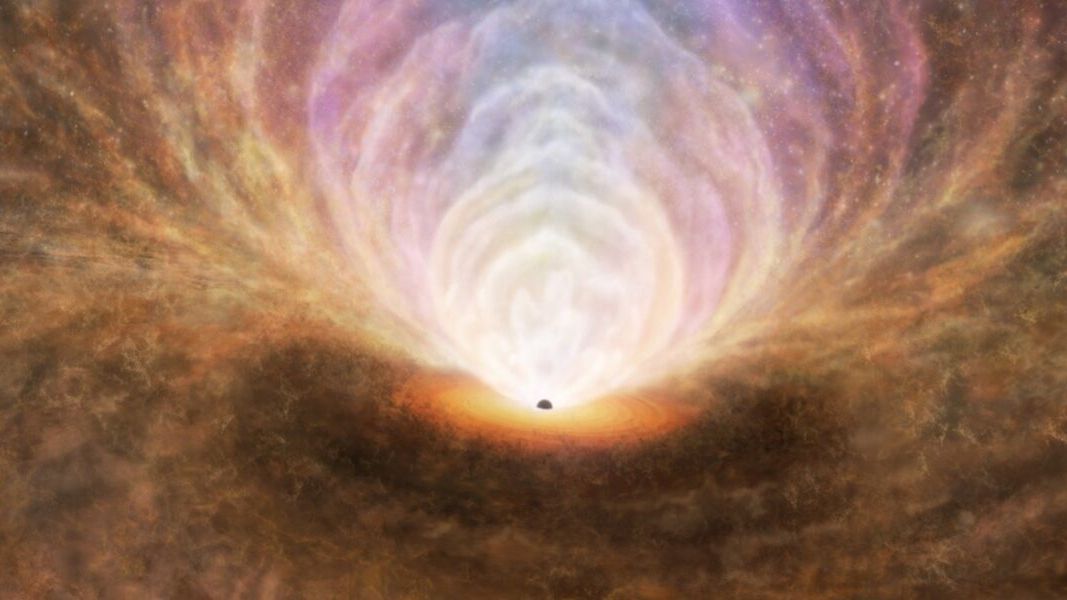
Astronomers have observed the feeding habits of a supermassive black hole in the active heart of a distant galaxy and discovered that it recycles material. The black hole consumes only around 3% of the matter flowing towards it, while the rest is pushed away by the energy of the active galactic nucleus (AGN) but eventually falls back to the black hole. This recycling process has been observed in the Circinus Galaxy, located 13 million light-years away from Earth, and could help scientists better understand how supermassive black holes grow.

Black Holes' Astonishing Feeding Frenzy Leaves Scientists Stunned

Originally Published 2 years ago — by SciTechDaily

Featured image for Black Holes' Astonishing Feeding Frenzy Leaves Scientists Stunned
Source: SciTechDaily

New simulations conducted by Northwestern University reveal that supermassive black holes consume surrounding material at a much faster rate than previously believed. The simulations show that the black holes tear apart the gas-filled accretion disks that surround them, resulting in inner and outer subdisks. The inner ring is devoured first, and then debris from the outer subdisk fills the gap, repeating the process in a matter of months. This discovery could explain the rapid flaring and fading of quasars, shedding light on the behavior of these bright celestial objects.

Unveiling the Voracious Appetite of Supermassive Black Holes

Originally Published 2 years ago — by Space.com

Featured image for Unveiling the Voracious Appetite of Supermassive Black Holes
Source: Space.com

Supermassive black holes may feed much faster than previously thought, according to new 3D simulations. These simulations suggest that black holes can consume gas and dust from surrounding accretion disks over a matter of months, rather than hundreds or thousands of years. The findings could help scientists understand how black holes consume surrounding material and how this process affects the evolution of galaxies. The simulations also indicate that the feeding process involves the tearing and replenishing of the inner part of the disk, which may explain the quick brightening and dimming observed in some quasars.

Unintentional Discovery: Scientists Capture First-Ever Image of Black Hole's Swirling Ring

Originally Published 2 years ago — by Yahoo Life

Featured image for Unintentional Discovery: Scientists Capture First-Ever Image of Black Hole's Swirling Ring
Source: Yahoo Life

Scientists have accidentally measured the size of the disk of matter swirling around a supermassive black hole for the first time. The discovery, made while collecting data to confirm the presence of the accretion disk, could provide insights into the growth of black holes and the evolution of surrounding galaxies. The researchers used the Gemini Near-Infrared Spectrograph to detect a second double-peak emission from the outside edge of the accretion disk, allowing them to calculate its radius. This finding will help scientists observe the feeding process and inner structure of active galaxies, shedding light on the mysteries of supermassive black holes.

"Lab-grown 'black hole rings' created by scientists"

Originally Published 2 years ago — by Yahoo Life

Scientists at Imperial College London have created superheated rings of plasma using the university's Mega Ampere Generator for Plasma Implosion Experiments (MAGPIE) machine, which mimic the shining accretion disks that rotate around black holes at incredible speeds. The rotating masses lasted for only one full rotation, which takes around 150 nanoseconds to complete. The researchers hope that they will be able to extend the duration of the pulses, allowing them to see how the disks grow over multiple rotations. The experiments could shed light on how black holes grow and how gas clouds collapse to form stars.